

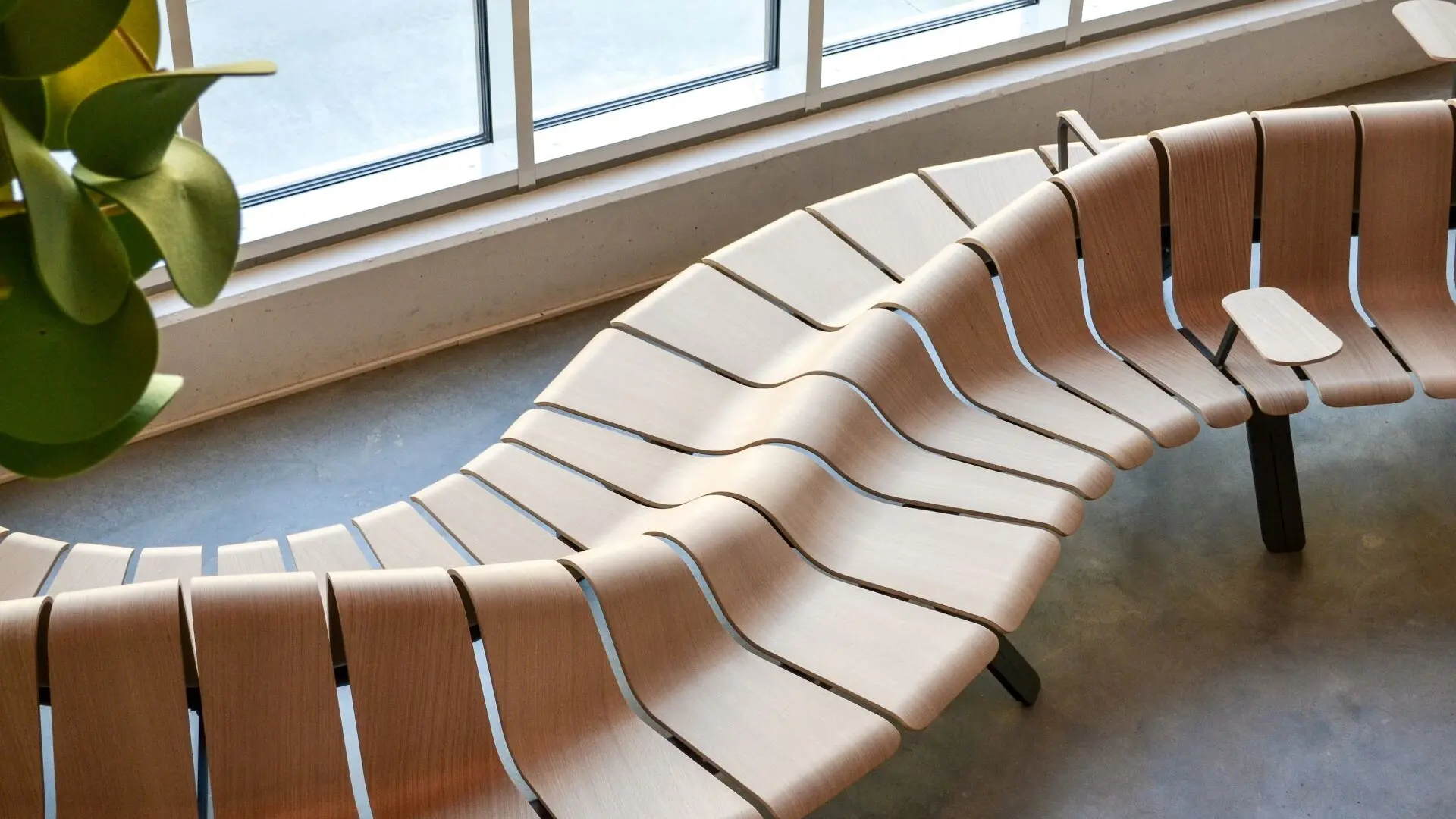
Biophilic Design: The Future of Modern Living Spaces
In the evolving world of architecture and interior design, Biophilic Design has emerged as one of the most influential approaches shaping the way we live, work, and relax. This design philosophy goes beyond aesthetics; it is a movement that reconnects human beings with nature in environments where urban density and technology often dominate. For international architects, designers, and real estate professionals, understanding the power of this design philosophy is essential for creating spaces that feel alive, restorative, and timeless.
What Is Biophilic Design?
Biophilic Design is the practice of integrating natural elements into built environments to promote well-being, performance, and connection to nature. It is rooted in the concept of biophilia, a term popularized by biologist Edward O. Wilson, which describes humanity’s innate affinity for the natural world. In modern living spaces, the design philosophy transforms interiors and exteriors into environments that stimulate the senses, reduce stress, and enhance overall quality of life.
Why it Matters Today
In today’s fast-paced global culture, people are increasingly seeking spaces that offer tranquility, balance, and authenticity. Biophilic Design addresses these needs by:
- Improving well-being: Exposure to natural elements reduces stress and increases cognitive function.
- Boosting productivity: Workspaces that embrace this design philosophy foster creativity and focus.
- Increasing property value: Luxury homes and real estate developments with nature-centric design command higher market appeal.
- Supporting sustainability: Integrating natural systems promotes environmentally responsible living.
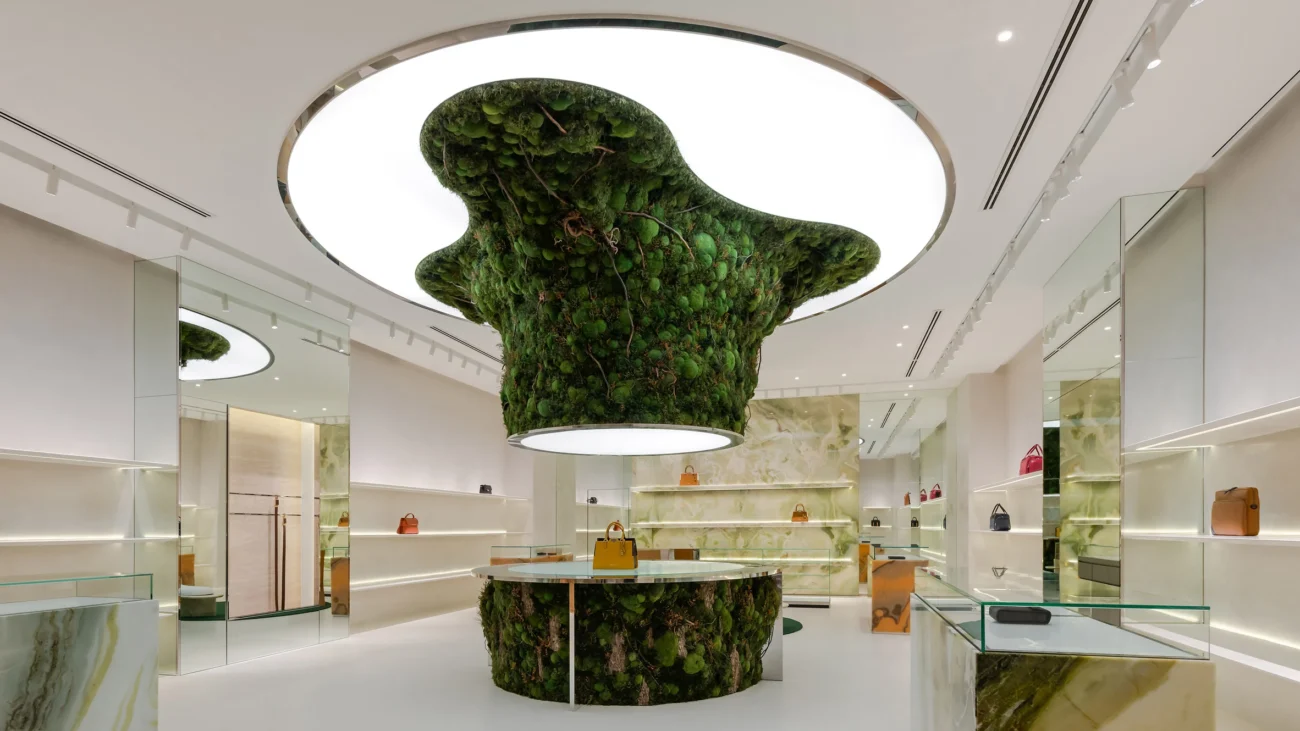
Principles of Biophilic Design
To fully understand how to incorporate, it is useful to explore its key principles:
- Direct connection to nature: Use of plants, water, light, and fresh air within spaces.
- Natural materials: Stone, wood, clay, and organic textiles evoke a tactile sense of authenticity.
- Biomorphic forms: Design patterns inspired by natural shapes such as waves, leaves, or shells.
- Natural light: Maximizing daylight to create fluid transitions between indoor and outdoor spaces.
- Prospect and refuge: Balancing openness with intimacy, offering both expansive views and private niches.
Biophilic Design in Architecture
Architects across the globe are embracing Biophilic Design to redefine modern living spaces. Luxury residences integrate expansive glass walls that dissolve boundaries between indoors and outdoors. High-end urban developments incorporate rooftop gardens and vertical forests to create breathable sanctuaries within dense cityscapes. By weaving nature into the fabric of architecture, these projects elevate both aesthetics and emotional impact.
Biophilic Design in Interiors
Interior designers are curating spaces that embody calm and elegance through Biophilic principles. Natural stone tables, handcrafted wooden furniture, and organic fabrics introduce tactile richness. Indoor gardens, living walls, and curated plant installations add visual vibrancy and purify the air. By layering natural textures and patterns, interiors gain depth, authenticity, and harmony.
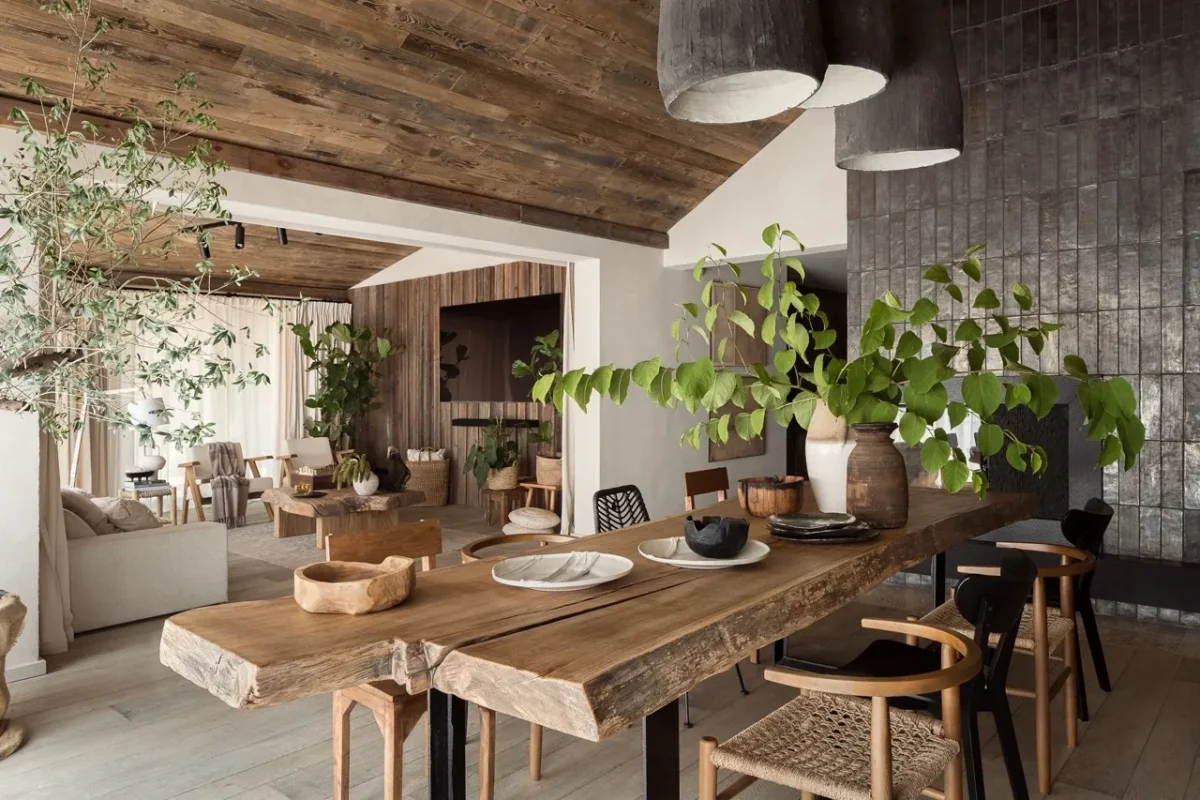
The Role of Outdoor Spaces
Outdoor environments serve as the ultimate stage for Biophilic Design. Luxury terraces, pool decks, and garden lounges integrate lush greenery, artisanal furniture, and sculptural lighting to create immersive sanctuaries. These spaces are not just extensions of the home; they become destinations of relaxation, reflection, and connection. For high-net-worth individuals, outdoor areas designed with Biophilic principles enhance both lifestyle and property prestige.
Biophilic Design and Well-Being
The health benefits of Biophilic Design are well-documented. Research shows that nature-inspired environments lower blood pressure, improve mood, and accelerate recovery. In residential contexts, this translates into homes that nurture body and mind. In commercial and hospitality settings, Biophilic Design attracts clients seeking restorative experiences and environments that feel genuinely human.
Global Examples
From luxury hotels in Bali with open-air courtyards to modern penthouses in New York featuring indoor gardens, Biophilic Design is redefining global architecture. Iconic projects like Singapore’s Supertree Grove and Milan’s Bosco Verticale demonstrate how natural integration transforms urban landscapes into living ecosystems.
How to Integrate Biophilic Design into Modern Projects
For professionals seeking to embrace this movement, here are essential strategies:
- Maximize natural light: Use large windows, skylights, and reflective surfaces.
- Incorporate greenery: Design with indoor plants, rooftop gardens, and vertical walls.
- Select natural materials: Prioritize sustainable wood, stone, clay, and organic textiles.
- Create fluid transitions: Blend indoor and outdoor living seamlessly.
- Prioritize well-being: Design spaces that reduce stress and promote balance.
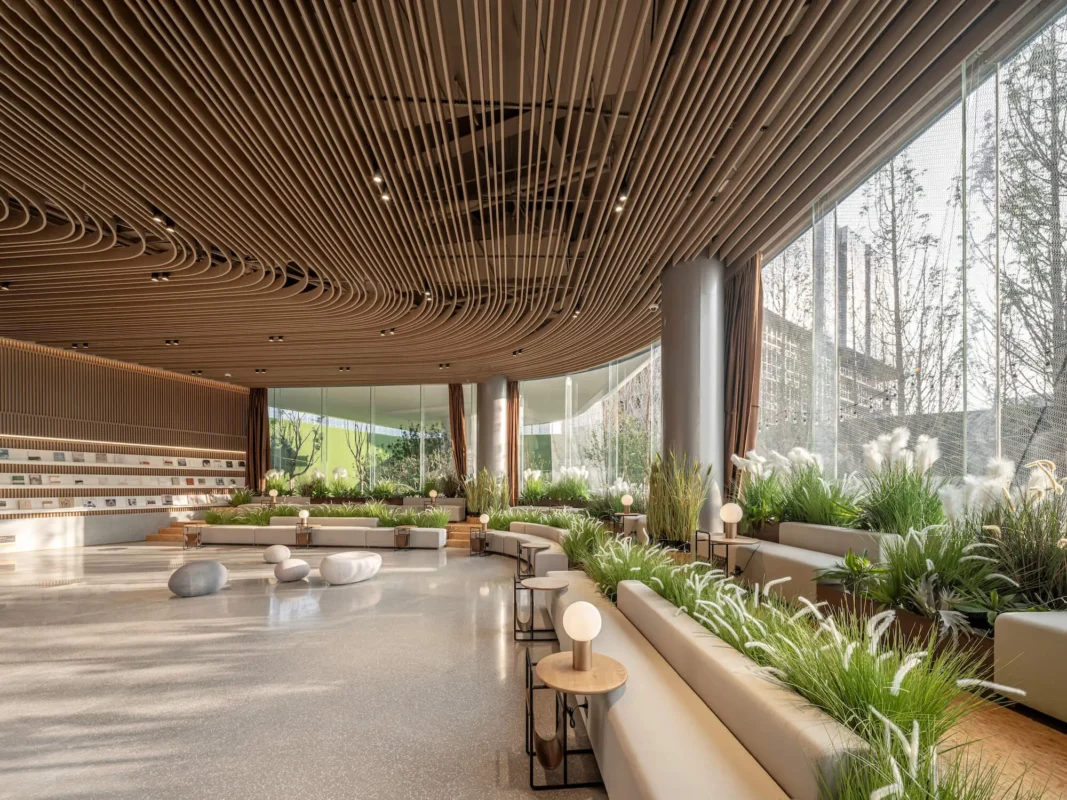
The Future of Biophilic Design
The rise of Biophilic Design signals a profound shift in the way we conceive modern living. As sustainability, wellness, and luxury converge, the demand for nature-driven environments will only grow. Architects and designers who master this approach will not only respond to market trends but also redefine what it means to create timeless spaces that nourish the human spirit.
Biophilic Design is an enduring philosophy that reconnects modern life with nature. By integrating natural elements into architecture, interiors, and outdoor environments, it transforms ordinary spaces into sanctuaries of elegance, health, and inspiration. For visionaries in design, real estate, and luxury development, Biophilic Design offers a pathway to create environments that are as restorative as they are beautiful.
Why Mediterrazza?
At Mediterraza, we understand the role of design in shaping exceptional outdoor spaces. Discover our collection of outdoor furniture, crafted to bring harmony and enduring comfort to open-air environments.
Our Bespoke Section features outdoor design projects with custom-made furniture that transform every exterior into a unique expression of art and lifestyle.