


Modern outdoor living has evolved into a refined discipline where architecture, design, and lifestyle converge to create immersive spaces. Beyond furniture choice and spatial planning, one of the most defining elements of modern outdoor living ideas lies in the art of layering textures. By combining tactile materials, natural finishes, and subtle contrasts, designers elevate terraces, gardens, and poolside lounges into sophisticated sanctuaries. This approach is not only an aesthetic strategy but also a narrative device—telling a story of place, culture, and atmosphere.
The Power of Texture in Outdoor Design
Texture provides dimension, warmth, and sensory richness. While color often dominates indoor schemes, in the open air, it is texture that creates depth and connection to the natural surroundings. In contemporary practice, luxury outdoor design trends lean toward a curated mix of surfaces—wood, stone, woven fibers, metal, and performance fabrics—all harmonized in a way that feels effortless yet intentional.
Why Layering Matters
- Visual depth: Combining materials with different finishes prevents flatness and monotony.
- Tactile richness: Touch plays a central role in how people experience a space, especially in outdoor retreats.
- Environmental resonance: Natural textures ground the design in its setting, whether coastal, urban, or rural.
- Seasonal adaptability: Layered materials adapt gracefully to changing light and climates.
Strategies for Layering Textures Outdoors
Designers seeking to refine their projects can draw from several outdoor furniture styling tips that balance sophistication with comfort.
1. Start with a Natural Foundation
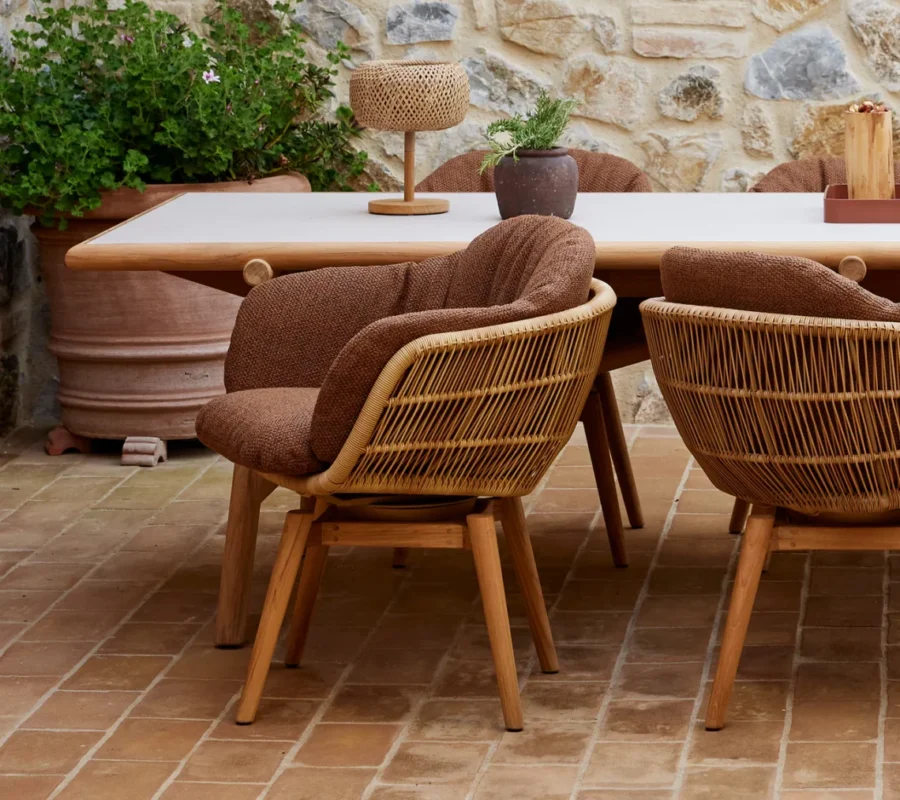
Ground surfaces such as travertine, limestone, or reclaimed wood create a timeless base. Stone conveys permanence and luxury, while wood introduces warmth. These materials anchor the space and set the stage for layers of complexity.
2. Introduce Structured Fabrics
Outdoor textiles have transcended mere utility. Today’s high-performance fabrics provide resilience while offering a tactile softness once reserved for interiors. Think boucle-inspired weaves, linen-effect surfaces, or subtle jacquards. Mixing cushions, throws, and upholstery fabrics allows nuanced contrasts that enrich the seating experience.
3. Balance Organic and Industrial Elements
The interplay between woven rattan or teak and sleek metals such as brushed aluminum or matte bronze exemplifies current luxury outdoor design trends. This dialogue between organic and industrial materials reflects the duality of modern lifestyles—natural escape and urban edge.
4. Elevate with Sculptural Accents
Outdoor design is not limited to horizontal surfaces. Sculptural fire pits, ceramic side tables, and textured planters act as punctuation marks in the composition. They introduce layers of shadow and highlight, adding dynamism that evolves with the sun’s movement.
Examples of Textural Harmony
Successful layering often stems from thoughtful juxtapositions:
- Poolside retreat: Smooth travertine underfoot, paired with woven chaise longues and linen cushions, creates a serene Mediterranean aesthetic.
- Urban terrace: Concrete flooring balanced with teak decking, accented by matte black lanterns and velvet-inspired outdoor fabrics, generates a contemporary city-edge mood.
- Coastal villa: Whitewashed stone walls, rope-inspired furniture details, and soft cotton fabrics echo the effortless elegance of seaside living.
The Role of Light in Texture
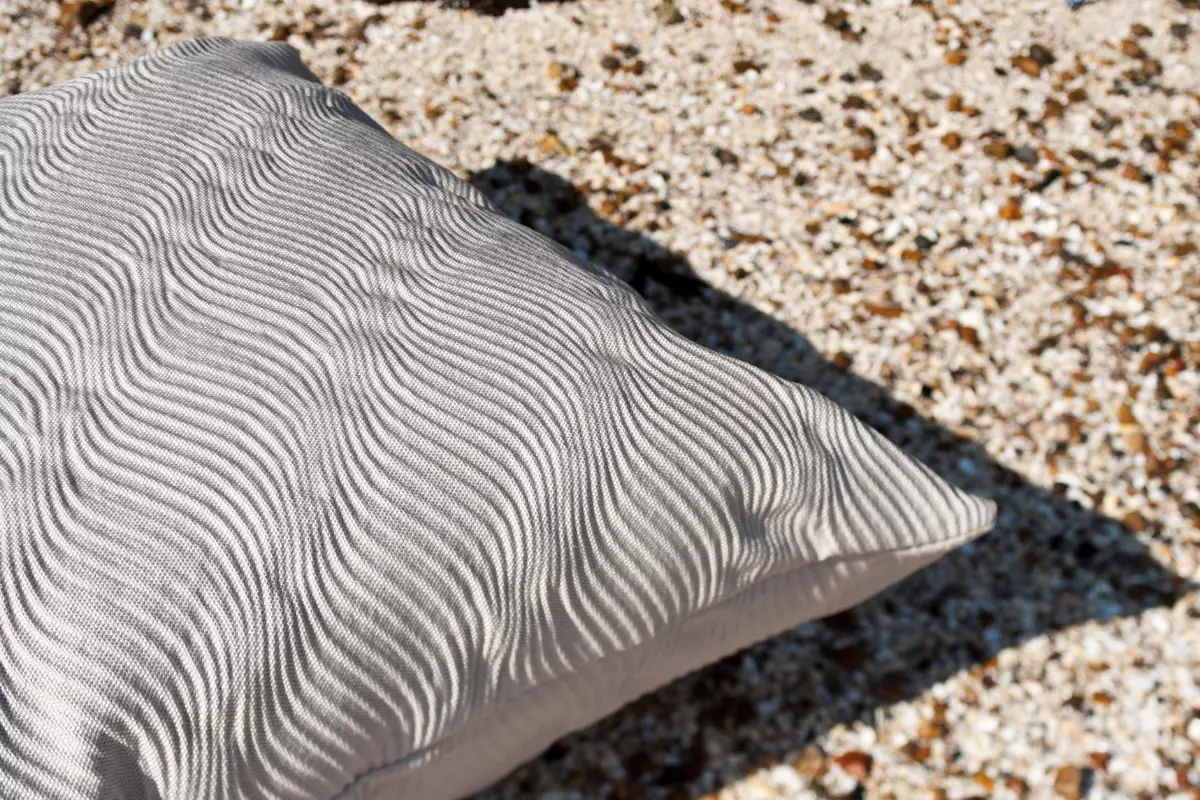
Light enhances texture, transforming surfaces throughout the day. Soft morning rays accentuate the grain of wood, while evening lanterns cast shadows that animate woven patterns. Designers leverage lighting to highlight tactile contrasts, ensuring spaces feel dynamic and alive at every hour.
Global Inspiration in Outdoor Layering
International design practices reveal diverse approaches to texture. In Japanese gardens, stone, moss, and timber are arranged with deliberate restraint. In Mediterranean villas, layers of terracotta, linen, and wicker evoke centuries-old traditions of outdoor hospitality. Texture-driven design is a unifying theme in contemporary projects worldwide, linking local craft with global luxury aesthetics.
Textures as Narratives
The art of layering textures in outdoor spaces is less about decoration and more about storytelling. Each material carries history, geography, and emotional resonance. For architects, designers, and property visionaries, mastering these layers transforms patios, terraces, and gardens into living experiences that transcend trends. By embracing these modern outdoor living ideas, guided by informed outdoor furniture styling tips, one curates not just a design but a lifestyle—rooted in luxury, authenticity, and timeless appeal.
Why Mediterrazza?
At Mediterraza, we understand the role of design in shaping exceptional outdoor spaces. Discover our collection of outdoor furniture, crafted to bring harmony and enduring comfort to open-air environments.
Our Bespoke Section features outdoor design projects with custom-made furniture that transform every exterior into a unique expression of art and lifestyle.