

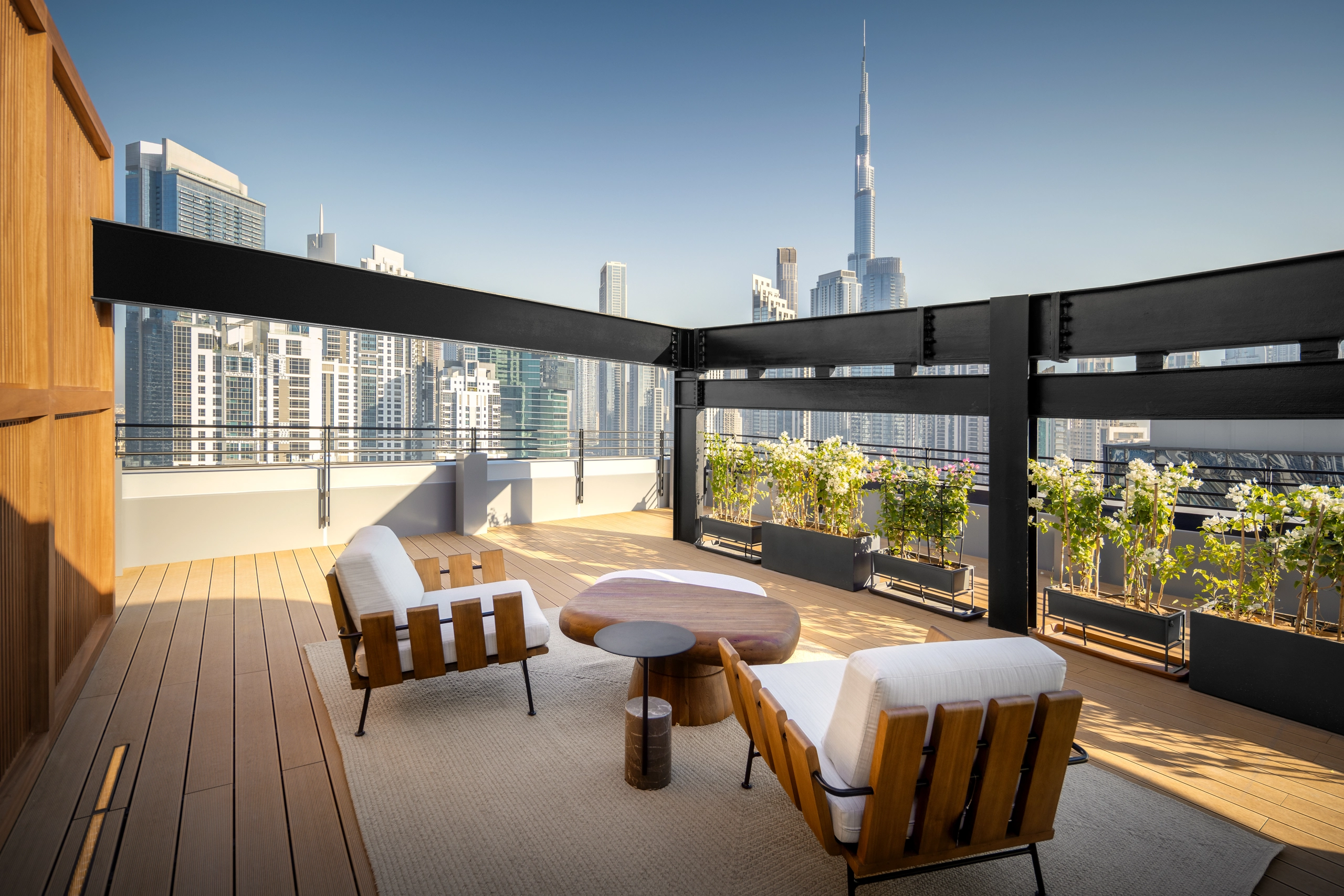
In the world’s most dynamic cities, rooftops and terraces are no longer overlooked, functional spaces. Today, they represent the epitome of urban sophistication—private sanctuaries suspended above the bustle, where architecture, design, and lifestyle converge. As metropolitan living grows increasingly vertical, rooftop terrace design and luxury outdoor environments are reshaping how we perceive the modern cityscape. Architects and designers are redefining these spaces, transforming them into extensions of high-end interiors, tailored for both leisure and cultural expression.
The Rise of Elevated Outdoor Living
Urban density has sparked a renaissance in vertical living. Rooftops, once reserved for technical utilities or neglected entirely, are now coveted domains for private retreats, communal gatherings, and even urban agriculture. In cities from New York to Barcelona, elevated terraces are becoming the ultimate design challenge and opportunity: to create serenity within chaos, intimacy within immensity.
This evolution has been fueled by the global demand for wellness-oriented spaces and the integration of biophilic design principles. Fresh air, greenery, and open skies—elements once scarce in metropolitan life—are being reintroduced through thoughtful rooftop transformations.
Design Principles for Iconic Rooftop Spaces
Successful rooftop terrace design relies on more than aesthetic flair; it requires a dialogue between architecture, functionality, and cultural context. The best projects emphasize proportion, materiality, and atmosphere, while adapting to the unique constraints of height, exposure, and urban surroundings.
Key Considerations
- Spatial Zoning: Rooftop layouts often balance multiple functions—lounge areas, dining zones, outdoor kitchens, and even pools—within limited square meters.
- Material Durability: Finishes must endure intense sunlight, wind, and temperature fluctuations, requiring high-performance materials without compromising elegance.
- Lighting Design: Thoughtful illumination highlights architectural features while creating intimate evening atmospheres against the city skyline.
- Privacy & Acoustics: Screens, vertical gardens, and pergolas soften noise pollution and shield views, enhancing the sense of seclusion.
The Role of Luxury Rooftop Furniture
At the heart of these elevated havens lies luxury rooftop furniture, which defines not only comfort but also the character of the space. Premium furnishings bring sculptural presence, durability, and a level of refinement that elevates rooftops to the same prestige as interior salons.
Curated Comfort
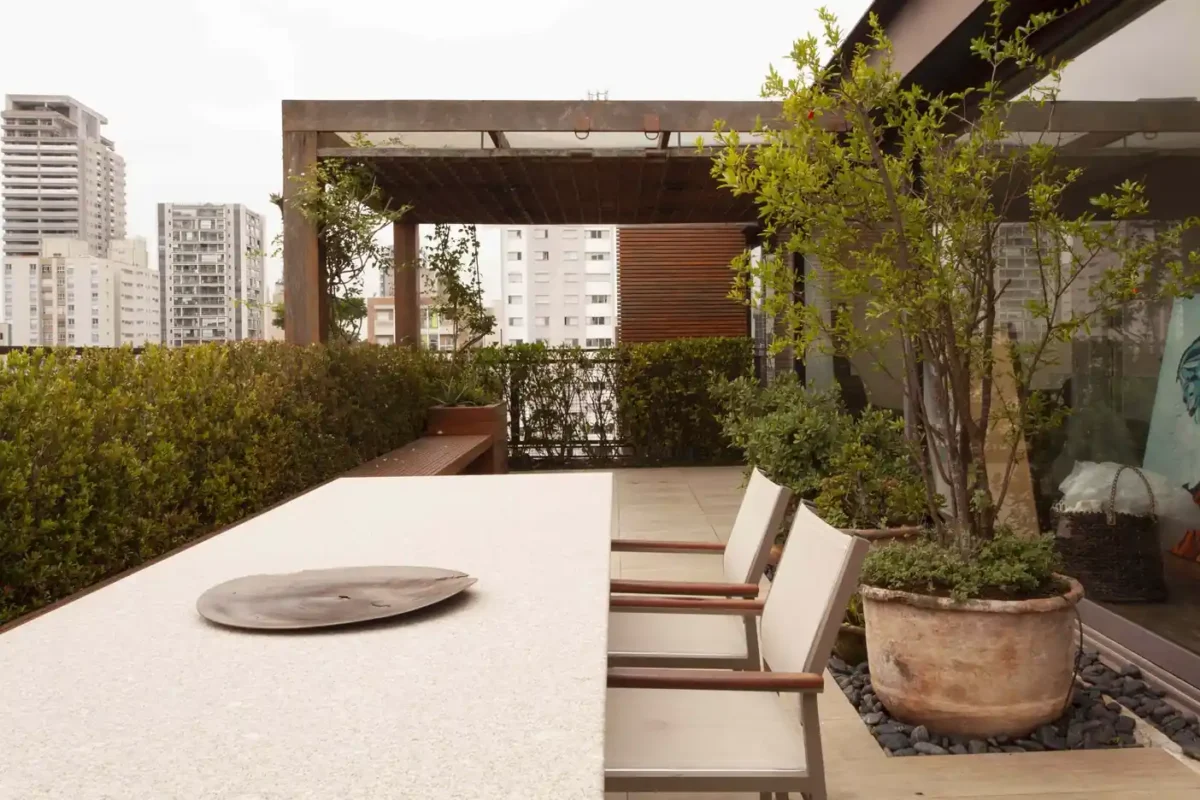
Modular seating systems, upholstered in weather-resistant fabrics, allow for fluid configurations that adapt to different occasions—from private lounging to glamorous soirées. Dining tables in natural stone, paired with artisanal chairs, echo the timeless qualities of Mediterranean courtyards while asserting modern cosmopolitan flair.
Materials That Matter
- Teak and Iroko Woods: Celebrated for their resilience and patina, these timbers bring organic warmth to urban horizons.
- Powder-Coated Aluminum: Lightweight yet robust, ideal for sculptural furniture with architectural lines.
- Luxury Performance Fabrics: Innovations in textile technology now allow for softness, texture, and color richness without sacrificing resistance to sun or rain.
Case Studies: Cities Leading the Rooftop Renaissance
New York: The Skyline as a Backdrop
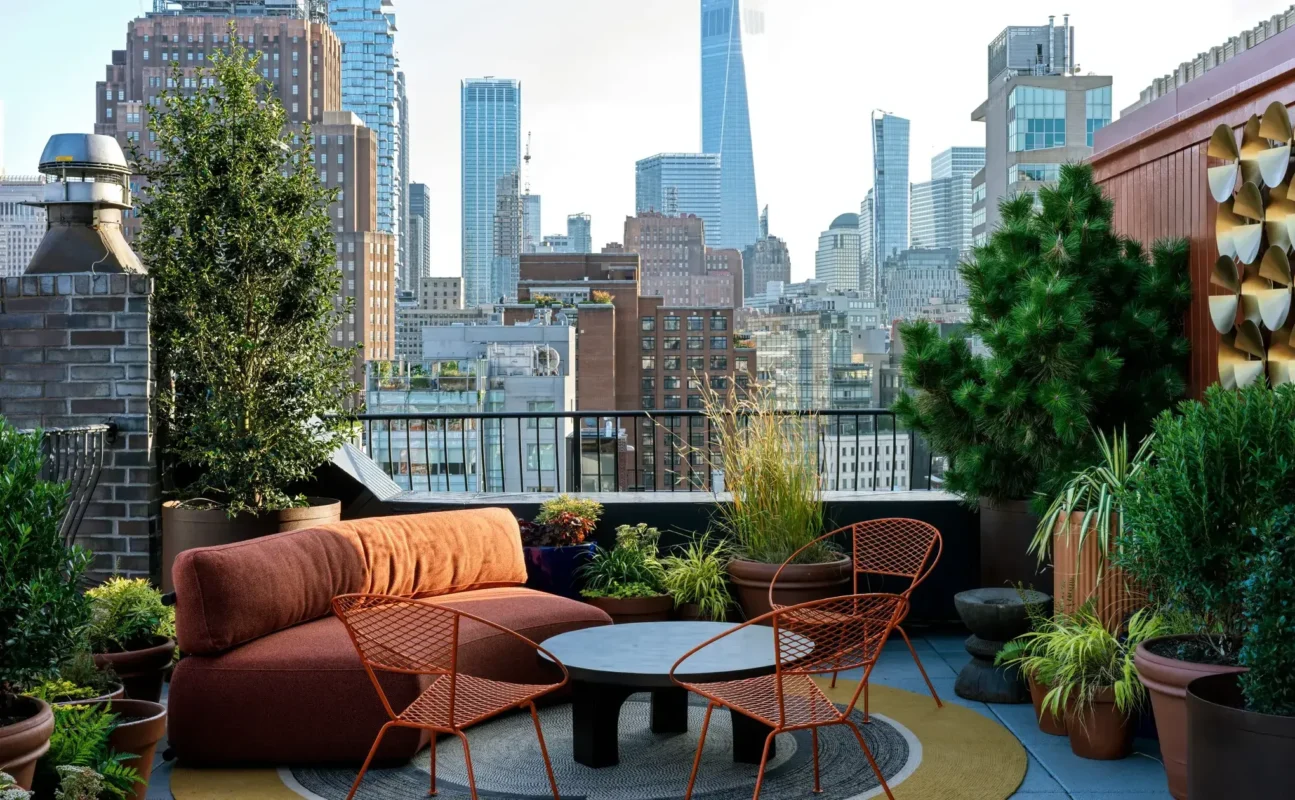
In Manhattan, terraces offer cinematic views that demand equally iconic design. Projects here often integrate fire pits, plunge pools, and contemporary art installations, framing the city as part of the decor.
Barcelona: Mediterranean Serenity
Barcelona’s rooftops embrace bioclimatic strategies, with pergolas, terracotta finishes, and lush vegetation ensuring year-round usability. The emphasis lies on blending tradition with forward-looking sustainability.
Dubai: Luxury Beyond Limits
In Dubai, rooftop spaces echo the city’s flair for spectacle. Glass-walled infinity pools, dramatic cabanas, and furniture upholstered in jewel tones define a style that is unapologetically opulent.
Designing for Sustainability
The future of rooftop terrace design is inherently sustainable. From integrating solar panels into pergola structures to installing green roofs that mitigate heat islands, these elevated oases represent critical interventions in climate-responsive urbanism. Designers are increasingly weaving ecological considerations into luxury frameworks, ensuring that beauty and responsibility coexist seamlessly.
The Takeaway
Terraces and rooftops are no longer peripheral spaces; they are central to the narrative of modern cities. Through visionary design and the integration of luxury rooftop furniture, these elevated landscapes embody a new standard of urban refinement. For architects, designers, and discerning residents, they offer more than comfort—they present a stage for cultural identity, personal retreat, and architectural innovation. In redefining the skyline, rooftops are not just extensions of living space; they are symbols of how we aspire to live, together and above it all.
Why Mediterrazza?
At Mediterraza, we understand the role of design in shaping exceptional outdoor spaces. Discover our collection of outdoor furniture, crafted to bring harmony and enduring comfort to open-air environments.
Our Bespoke Section features outdoor design projects with custom-made furniture that transform every exterior into a unique expression of art and lifestyle.