

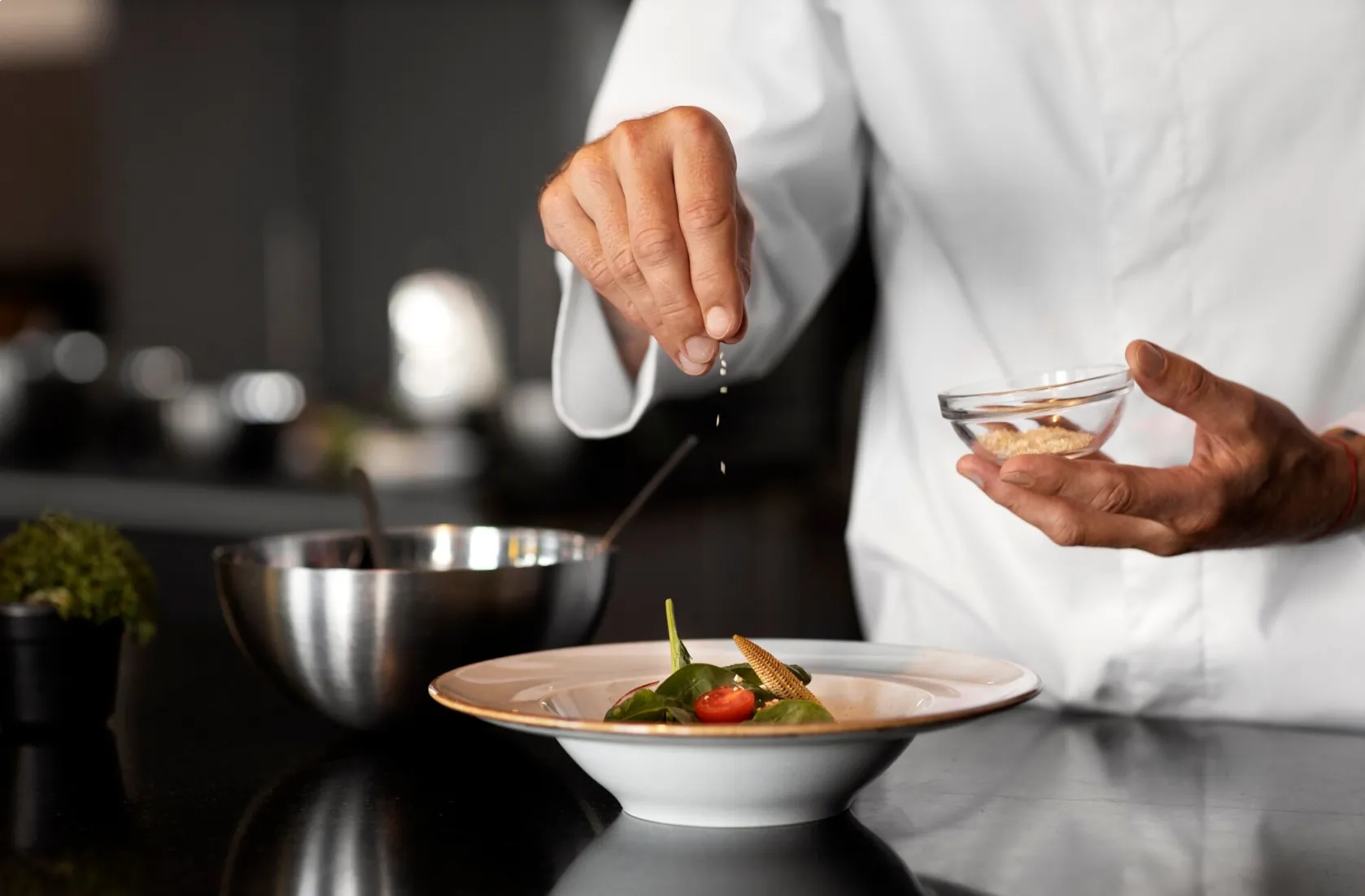
In the evolving world of fine living, private chefs have become more than culinary experts—they are curators of experience, architects of memory, and symbols of the highest echelon of exclusivity. As luxury home dining trends continue to shift toward intimacy, personalization, and cultural sophistication, the role of the chef at home has transcended traditional hospitality. Today, the most discerning homeowners are not only transforming their dining rooms but also their terraces, gardens, and rooftops into immersive gastronomic destinations, where outdoor dining embodies both art and lifestyle.
The Rise of Private Chefs as Cultural Icons
Once reserved for the world’s elite estates and yachts, private chefs are now central to the lifestyle of affluent homeowners who seek elevated dining rituals within their personal spaces. They represent a seamless fusion of culinary mastery and cultural storytelling—where menus reflect not only seasonal produce and terroir but also the host’s identity, aesthetic, and values.
Globally, the demand for curated at-home experiences has surged. According to lifestyle analysts, the trend is no longer about convenience but about personalization, artistry, and exclusivity. Guests no longer gather simply to eat; they gather to be part of a story crafted with precision, intimacy, and ambiance.
Luxury Home Dining Trends Redefining Exclusivity
Modern luxury dining is shifting from grand restaurants to private, tailor-made experiences. Key trends include:
- Personalized Menus: Chefs design dishes around individual preferences, dietary philosophies, or even wellness-focused concepts, offering a fully bespoke gastronomic journey.
- Cultural Fusion: Cross-border flavors—such as Mediterranean elegance blended with Japanese minimalism—highlight the cosmopolitan tastes of high-net-worth homeowners.
- Sustainable Luxury: Emphasis on locally sourced, organic produce, and heritage cooking traditions, aligning with the sustainability ethos of contemporary design and architecture.
- Ambience Integration: Dining experiences are enhanced by architectural surroundings, custom outdoor furniture, and lighting design that heighten atmosphere and ritual.
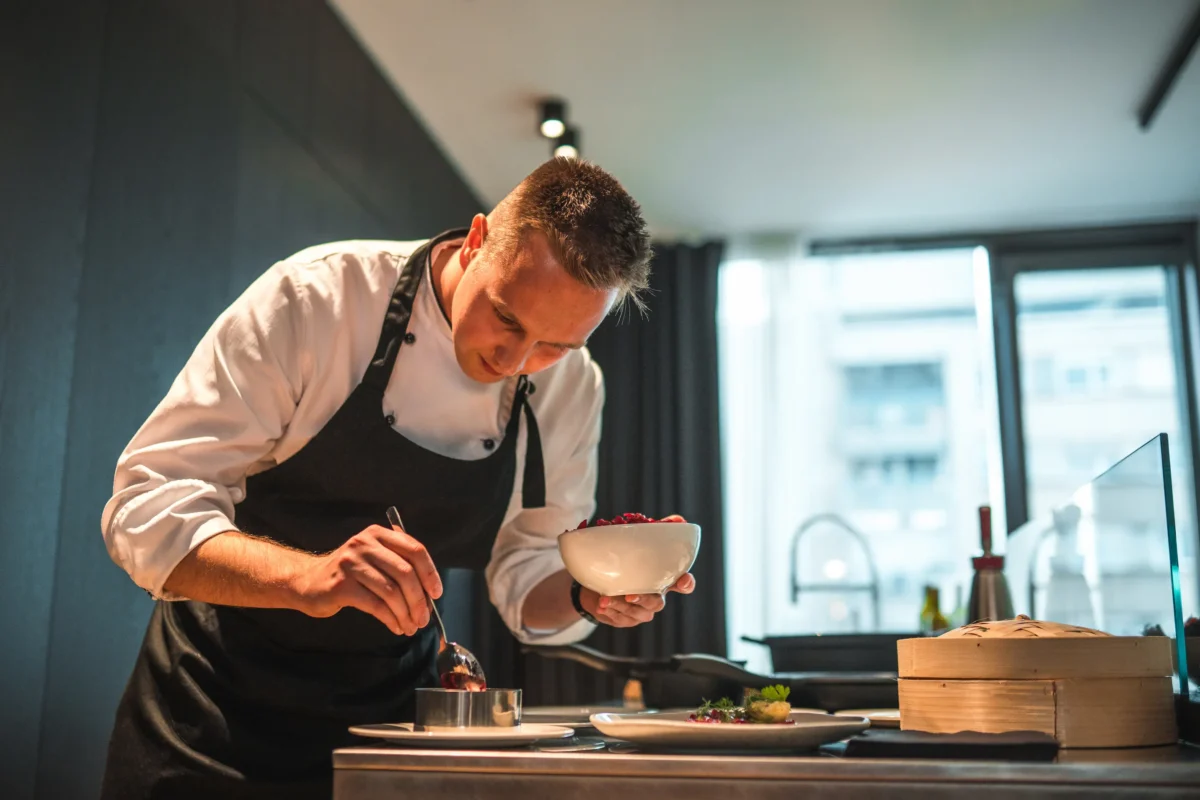
Outdoor Dining as the Stage for Culinary Art
The terrace, patio, or landscaped garden has become the modern salon for culinary encounters. Here, outdoor dining extends beyond functionality into performance art, with architecture, landscape design, and cuisine forming an inseparable dialogue. From Ibiza villas overlooking the sea to urban rooftops in New York or Singapore, homeowners are investing in bespoke outdoor kitchens, sculptural dining tables, and layered seating areas designed to complement the chef’s artistry.
This shift is not only aesthetic but also symbolic—bringing people closer to nature, enhancing sensory engagement, and reinforcing the home as the ultimate sanctuary of luxury.
The Private Chef as Lifestyle Curator
More than cooks, private chefs act as curators of experience. They collaborate with designers, sommeliers, and wellness consultants to orchestrate evenings that merge gastronomy with architecture, music, and art. Imagine a tasting menu paired with rare wines, served at a handcrafted travertine dining table, beneath an open pergola with the Mediterranean breeze setting the tempo. The chef becomes a conductor of a multi-sensory symphony, elevating the notion of home hospitality.
Global Influence and Cultural Resonance
The demand for private chefs also reflects a broader cultural narrative: the pursuit of authenticity and intimacy. In Mediterranean culture, outdoor meals symbolize community and heritage. In Asia, precision and ceremony dominate the dining ethos. By bringing these traditions into the home, families create moments that resonate far beyond gastronomy—they embody lifestyle philosophies that merge design, culture, and well-being.
For further insights into the growing global private dining culture, The World’s 50 Best Restaurants explores the evolution of fine dining experiences.
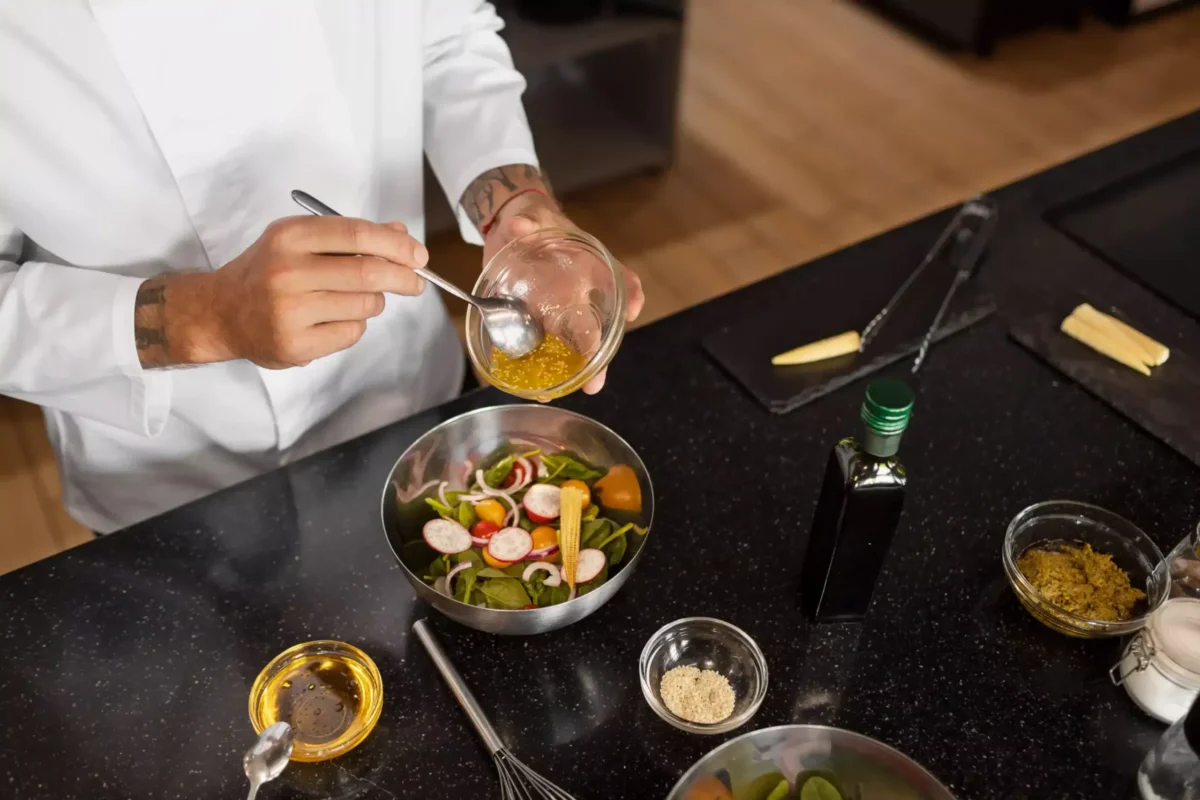
Designing Homes for Culinary Theater
Architects and designers increasingly collaborate with chefs and homeowners to ensure residences accommodate this new lifestyle. From open-concept kitchens that blur the boundary between chef and guest, to outdoor dining terraces with fire pits and sculptural furniture, the integration of culinary needs into home design reflects a holistic approach to luxury living.
Key considerations include:
- Functionality: Outdoor kitchens designed with professional-grade appliances for seamless performance.
- Aesthetic Harmony: Furniture and lighting that reflect the architectural identity of the home.
- Flexibility: Spaces designed for both intimate family meals and grand entertaining.
In the landscape of contemporary luxury, the presence of private chefs has become the ultimate expression of sophistication and exclusivity. Far beyond fine dining, they embody the convergence of art, culture, and architecture—transforming luxury home dining trends into immersive, bespoke rituals. As terraces, gardens, and rooftops evolve into the modern epicenters of hospitality, outdoor dining emerges as a stage for life’s most memorable experiences. In this realm, the home becomes not only a sanctuary but a theater of elegance, intimacy, and culinary brilliance.