

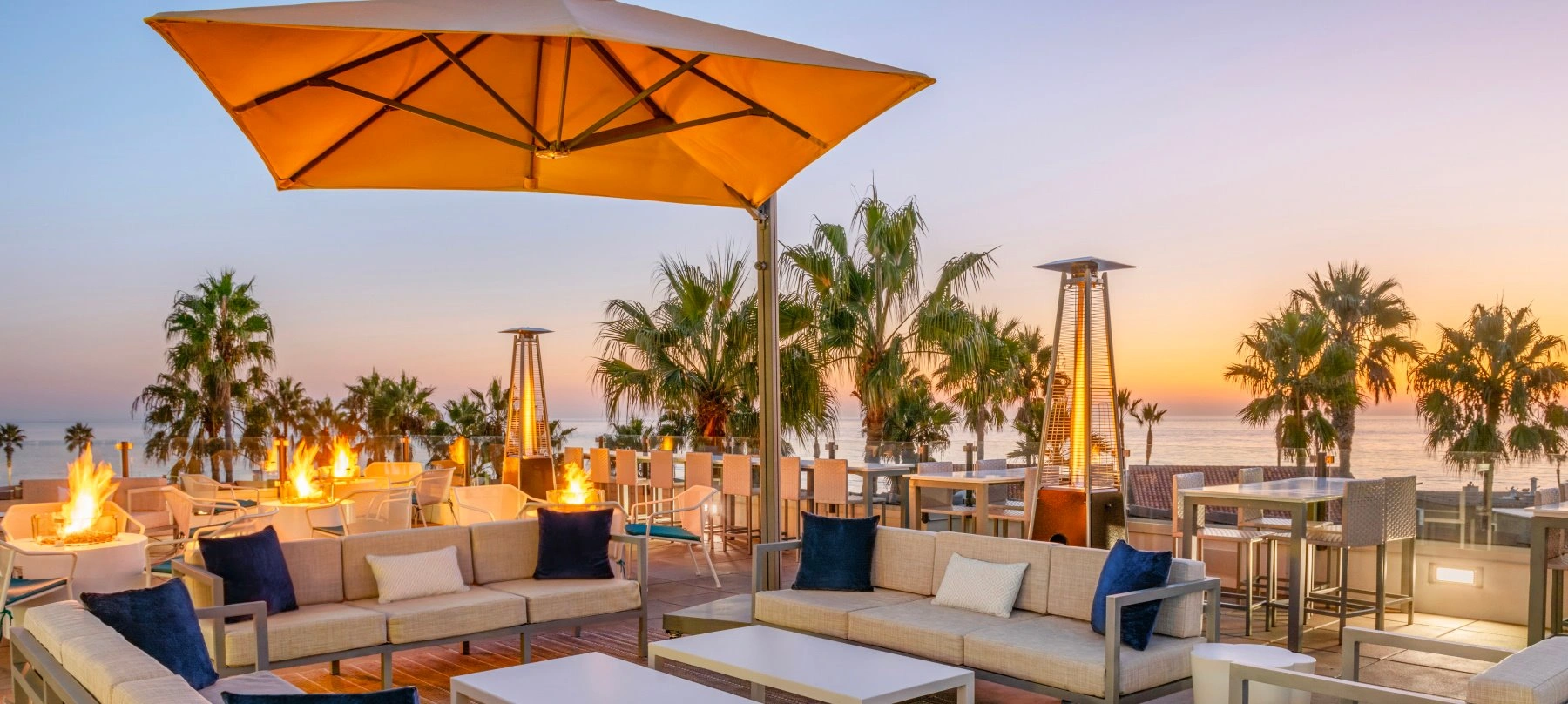
Terraces as Contemporary Living Rooms
Across global capitals and sun-soaked coastal destinations alike, the terrace has evolved from a secondary outdoor appendage into a fully fledged extension of the home. Whether overlooking an urban skyline, a Mediterranean garden, or the sea itself, today’s terraces function as open-air living rooms—spaces for conversation, contemplation, and conviviality. At the heart of this transformation lies a thoughtful approach to outdoor lounge furniture, where comfort, craftsmanship, and cultural sensibility intersect.
For architects, interior designers, real estate professionals, and discerning private clients, choosing the right terrace furniture is no longer a matter of aesthetics alone. It requires an understanding of climate, spatial flow, material performance, and lifestyle narratives. This article offers a refined, professional guide on how to select outdoor seating that elevates terraces into enduring, elegant environments—balancing design integrity with everyday usability.
Understanding the Role of Outdoor Lounge Furniture
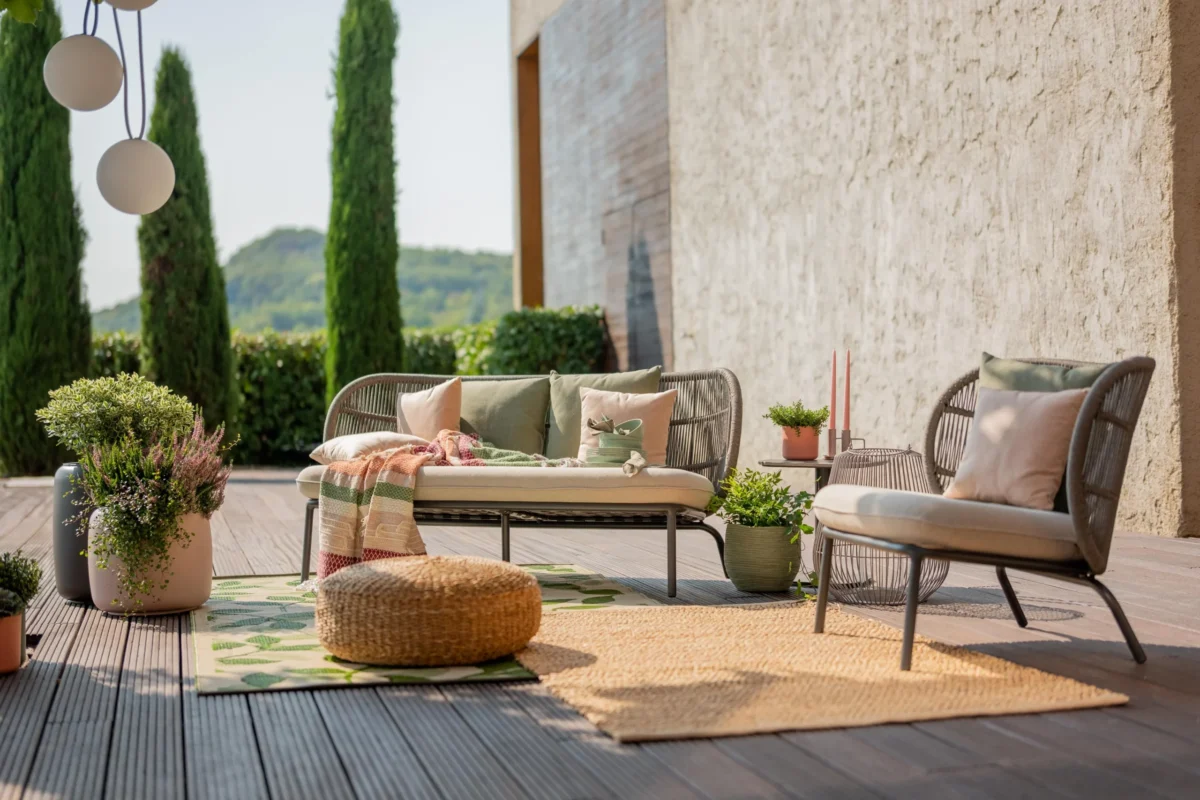
Before materials or silhouettes are considered, it is essential to define the role that outdoor lounge furniture will play within the terrace. Unlike dining or accent pieces, lounge furniture sets the emotional tone of the space. It invites pause, encourages dialogue, and supports extended moments of leisure.
On expansive terraces, lounge areas often anchor the layout, acting as the primary social nucleus. In more compact urban settings, carefully selected outdoor seating can create intimacy without visual clutter. In both cases, the goal is to design a spatial experience that feels intentional, comfortable, and coherent with the architecture of the residence.
Key Questions to Define the Space
- Is the terrace designed primarily for social gatherings or private retreat?
- Will it be used during daytime relaxation, evening entertaining, or both?
- How does the terrace connect visually and functionally to interior spaces?
Proportion, Scale, and Spatial Flow
One of the most common missteps in selecting terrace furniture is ignoring proportion. Oversized sofas can overwhelm smaller terraces, while underscaled pieces may feel insubstantial on generous outdoor platforms.
Professional planning begins with circulation. Leave adequate pathways—ideally 90 to 120 cm—to allow effortless movement around outdoor lounge furniture. Modular configurations are particularly valuable, offering flexibility while maintaining a tailored aesthetic.
Designing with Balance in Mind
Balance is achieved when visual weight is distributed harmoniously. Low-profile outdoor seating suits contemporary architecture and open horizons, while deeper, cushioned forms lend warmth to more enclosed terraces. The objective is to complement, not compete with, the surrounding environment.
Material Intelligence: Beauty Meets Performance
The selection of materials defines both the longevity and sensory experience of outdoor lounge furniture. Terraces expose furniture to UV radiation, humidity, temperature fluctuations, and air pollution—particularly in coastal or urban contexts.
Structural Materials
- Aluminium: Lightweight, corrosion-resistant, and ideal for modern terrace furniture.
- Teak: Naturally weather-resistant and visually rich, developing a refined patina over time.
- Stainless Steel: Suitable for architectural settings when marine-grade finishes are specified.
Upholstery and Textiles
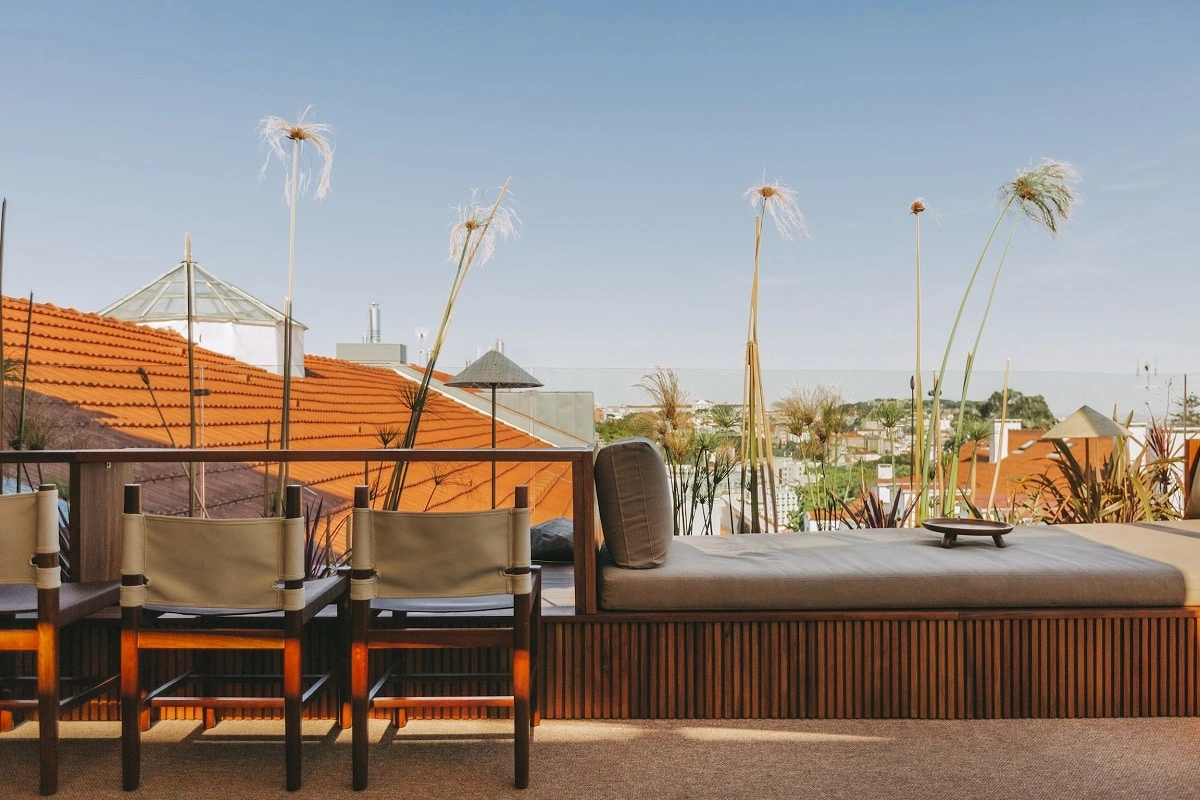
High-performance fabrics are indispensable for sophisticated outdoor seating. Solution-dyed acrylics and technical textiles offer resistance to fading, mildew, and moisture while maintaining a tactile, interior-like comfort. According to research published by Architectural Digest, the latest outdoor textiles are increasingly designed to blur the boundary between indoor and outdoor living.
Comfort as a Design Principle
Luxury in outdoor lounge furniture is ultimately measured by comfort. Seat depth, backrest angle, and cushion density must support extended use, particularly for terraces intended for long evenings or informal entertaining.
Elements That Enhance Comfort
- Ergonomically angled backrests for relaxed posture
- Multi-density cushions that balance softness and support
- Optional accessories such as lumbar cushions or side tables
Unlike transient design trends, comfort remains a timeless criterion—especially for high-net-worth clients seeking enduring value from their terrace furniture.
Climate-Specific Considerations
Climate is a decisive factor when selecting outdoor lounge furniture. A terrace in Marbella demands different solutions than one in Paris, London, or Dubai.
Mediterranean and Coastal Terraces
Salt air and intense sunlight require materials with proven resistance. Quick-drying cushions, UV-stable finishes, and breathable fabrics are essential for maintaining the integrity of outdoor seating.
Urban and Temperate Climates
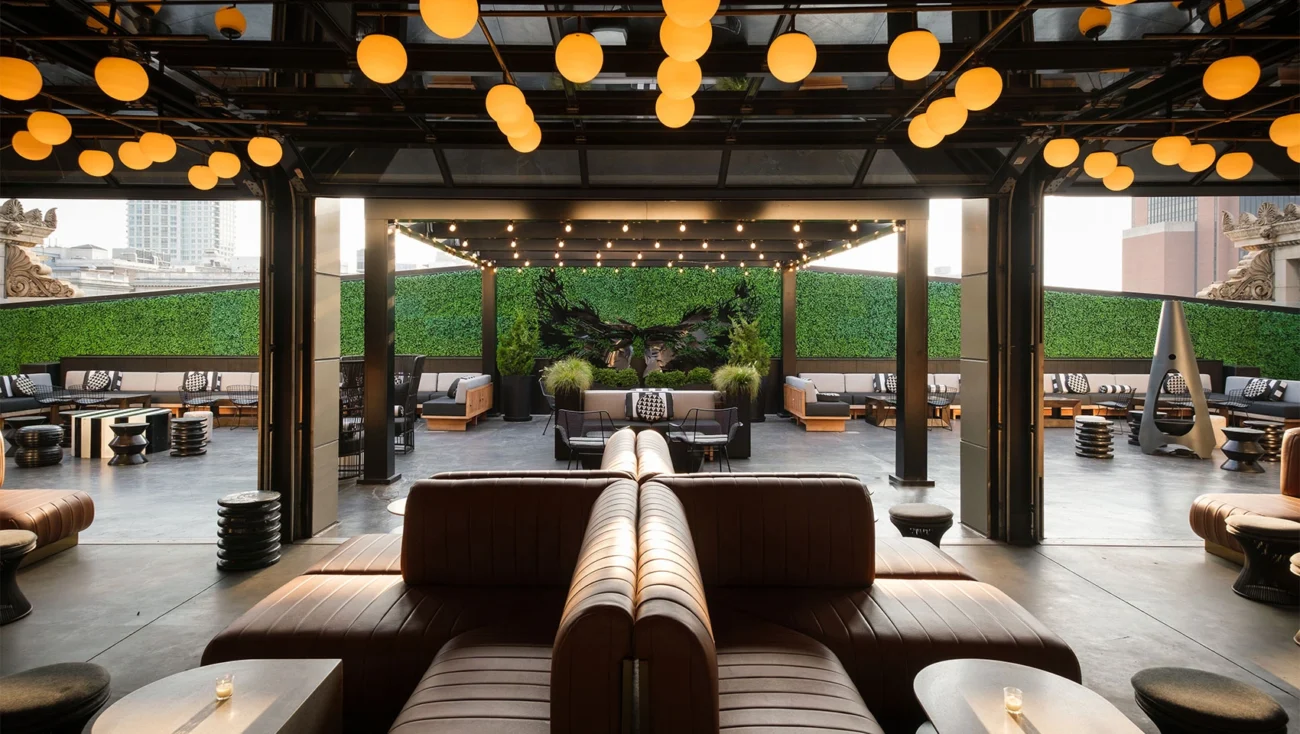
In cities with seasonal variation, adaptability becomes key. Removable cushion covers, stackable elements, and protective storage solutions ensure that terrace furniture remains pristine year-round.
Aesthetic Cohesion with Architecture
Exceptional outdoor lounge furniture does not exist in isolation—it converses with architecture, landscape design, and interior styling. On contemporary terraces, clean lines and neutral palettes often dominate, while heritage properties may benefit from softer forms and tactile materials.
Color and Texture Strategy
- Neutral bases for longevity and versatility
- Textural contrast through woven details or natural wood
- Subtle accent colors inspired by the surrounding landscape
This layered approach allows outdoor seating to feel curated rather than staged.
Flexibility and Modular Design
As lifestyles evolve, so too should terraces. Modular outdoor lounge furniture responds to changing needs, from intimate gatherings to larger social events. For real estate developers and hospitality-driven residential projects, flexibility adds long-term value.
Advantages of Modular Terrace Furniture
- Customizable layouts for different occasions
- Ease of replacement or expansion over time
- Efficient use of irregular or constrained spaces
Sustainability and Responsible Design
For today’s global clientele, sustainability is no longer optional. Ethically sourced materials, durable construction, and timeless design reduce environmental impact while enhancing brand and project credibility.
Choosing outdoor lounge furniture designed for longevity aligns with a broader commitment to responsible luxury—one that values quality over excess and permanence over trend.
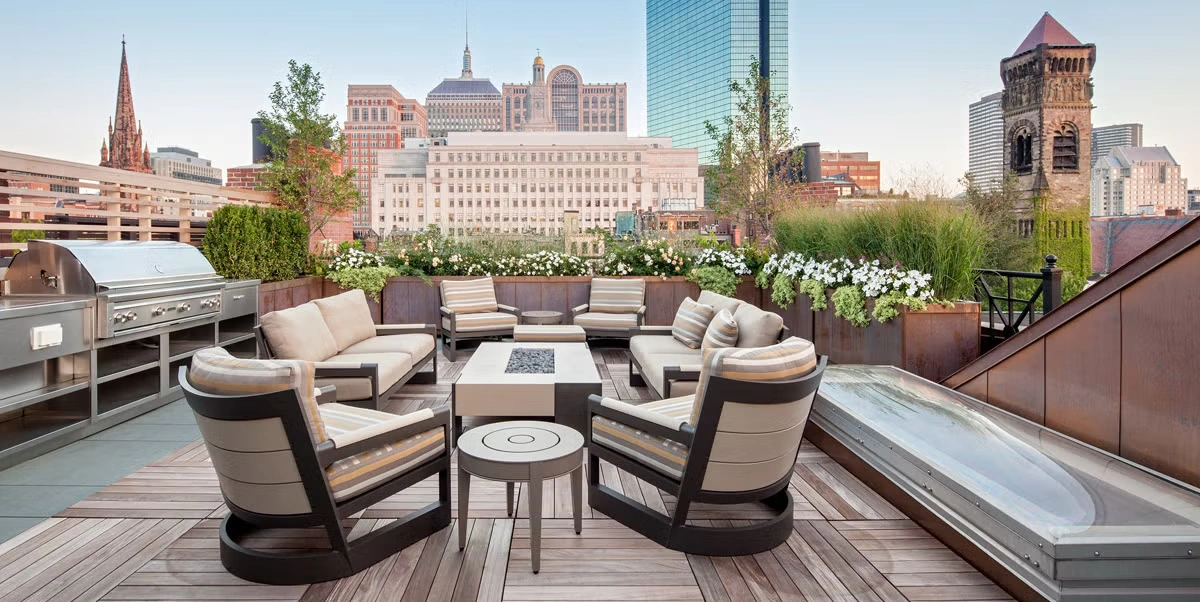
Designing Terraces with Intention
Selecting the right outdoor lounge furniture for terraces is a nuanced process that blends design expertise with lifestyle insight. From material intelligence and ergonomic comfort to architectural harmony and climatic responsiveness, every decision contributes to the terrace’s success as a living space.
For professionals shaping residential narratives and private clients curating their personal environments, refined terrace furniture and considered outdoor seating offer more than functionality—they frame moments of connection, relaxation, and cultural expression. When chosen with intention, the terrace becomes not merely an outdoor area, but a reflection of contemporary living at its most elegant.