

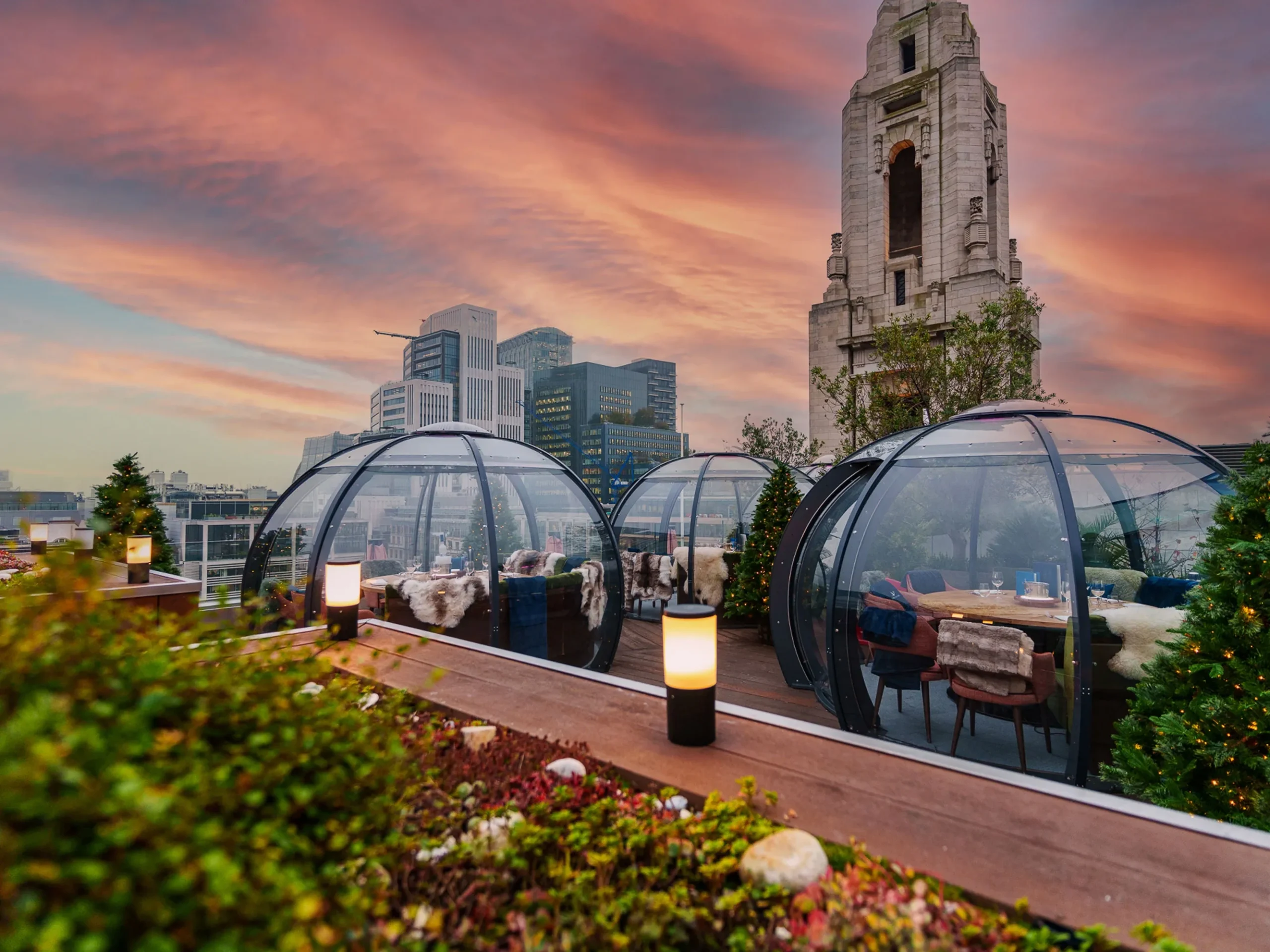
London’s outdoor spaces have long reflected the city’s layered identity: historic yet progressive, restrained yet expressive, private yet socially attuned. From Georgian garden squares to contemporary penthouse terraces overlooking the Thames, outdoor living in London is less about seasonal indulgence and more about adaptability. Designing gardens and terraces that function gracefully throughout the year has become a defining ambition for architects, landscape designers, and discerning homeowners alike.
In a climate marked by gentle rain, shifting light, and pronounced seasonal contrasts, the challenge—and opportunity—lies in creating year-round outdoor spaces that are as refined as they are resilient. This article explores how London’s unique cultural, climatic, and architectural context shapes contemporary terrace design ideas, offering a considered framework for outdoor environments that remain relevant, comfortable, and visually compelling in every season.
London’s Climate as a Design Catalyst
Unlike Mediterranean or tropical destinations, London demands a nuanced approach to outdoor design. The city’s temperate maritime climate, characterized by mild winters, cool summers, and frequent precipitation, encourages solutions rooted in versatility rather than excess.
Successful outdoor living in London begins with an acceptance of weather variability—not as a limitation, but as a design catalyst. Gardens and terraces that thrive here are conceived as transitional environments, blurring the boundary between interior comfort and exterior openness.
Designing for Change, Not Perfection
Rather than chasing idealized notions of perpetual sunshine, London-based designers prioritize adaptability. This mindset informs everything from material selection to spatial planning, resulting in outdoor settings that feel intentional whether bathed in summer light or softened by autumn mist.
Terrace Design Ideas Rooted in Architecture
In London, outdoor spaces rarely exist in isolation. They are extensions of architectural narratives—Victorian townhouses, modernist infill residences, riverside developments—each requiring a tailored design language. The most compelling terrace design ideas respond directly to the building’s proportions, materials, and historical context.
Urban Terraces: Compact, Layered, Intentional
Space is a premium commodity in the city, making spatial efficiency essential. Urban terraces succeed when they are layered with purpose, offering multiple functions without visual clutter.
- Zoning through furniture placement to define dining, lounging, and contemplative areas
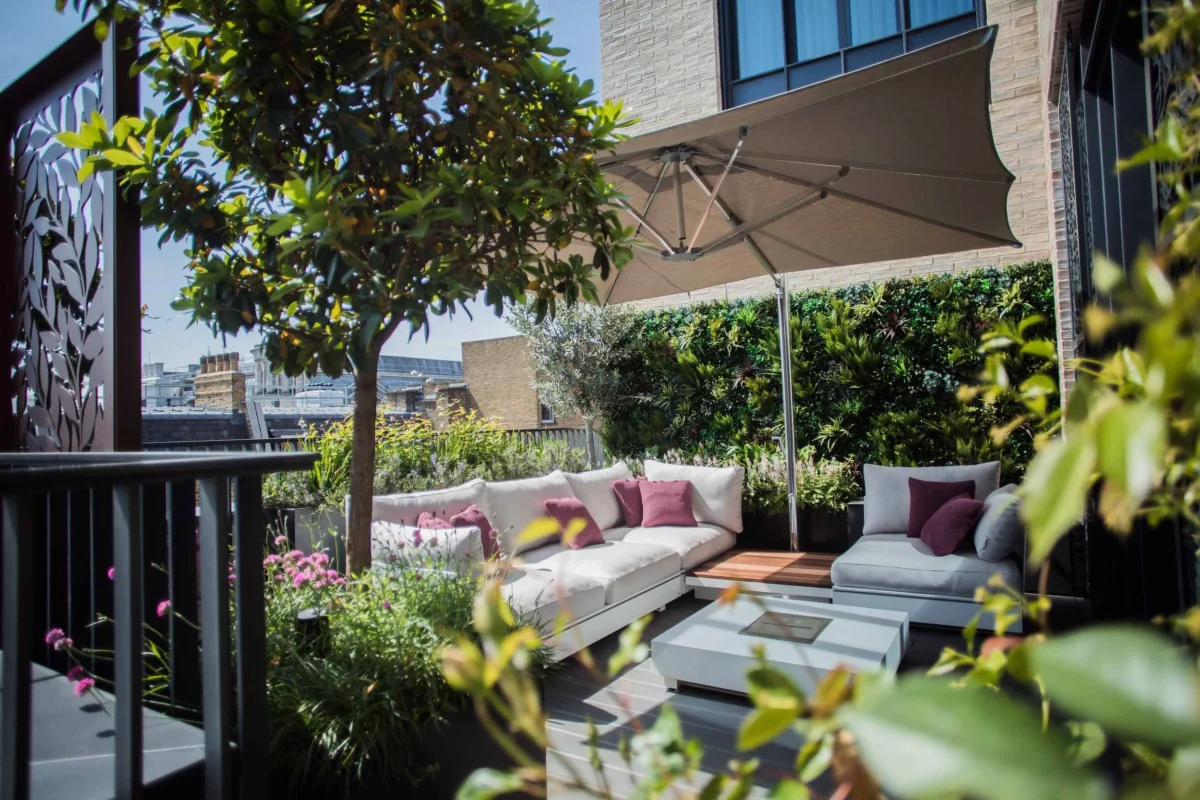
- Vertical gardens and trellises to introduce greenery without sacrificing floor space
- Integrated storage and seating to maintain visual calm
These strategies transform even modest terraces into sophisticated year-round outdoor spaces that feel curated rather than constrained.
Garden Design in Heritage Homes
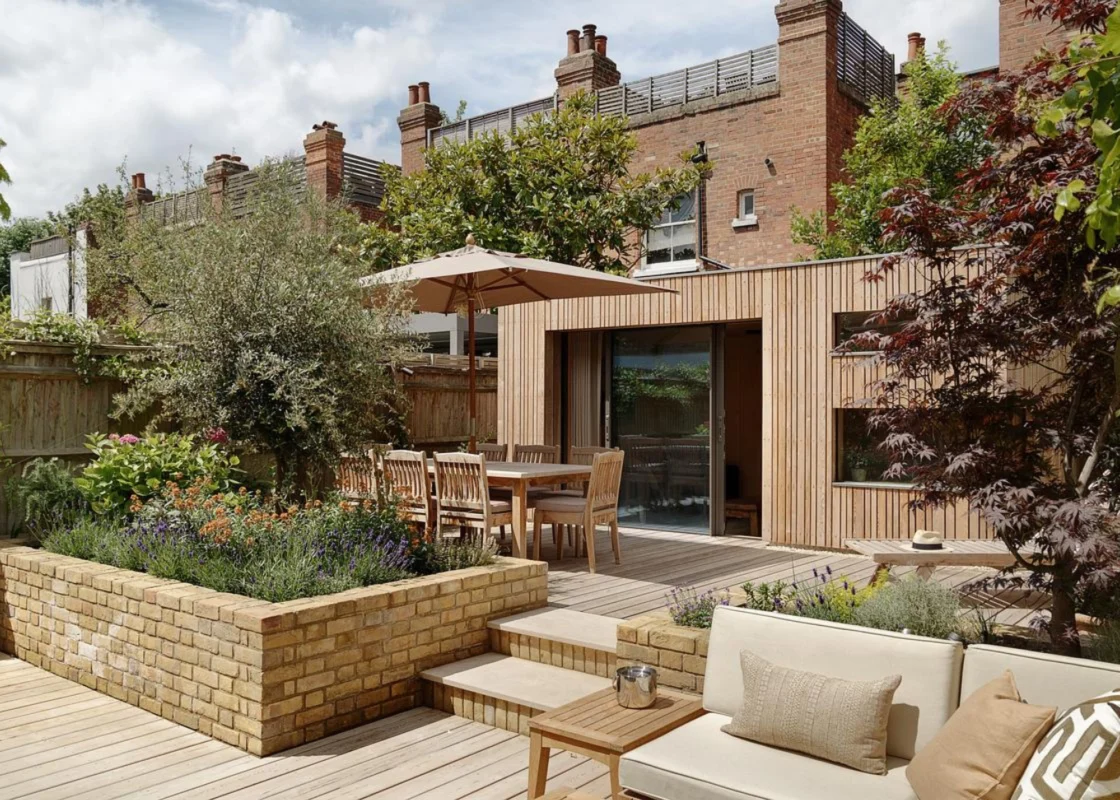
London’s historic properties present a different set of considerations. Here, restraint and proportion are paramount. Garden layouts often echo classical principles—symmetry, axial views, and layered planting—while discreetly incorporating modern comforts such as heating, lighting, and durable furnishings.
Materials That Age with Grace
Materiality plays a defining role in outdoor living in London. With constant exposure to moisture and fluctuating temperatures, surfaces and furnishings must perform technically while developing a patina that enhances rather than diminishes their appeal.
Natural Materials with Contemporary Performance
Designers increasingly favor materials that balance authenticity with innovation:
- Thermally treated woods for stability and resistance
- Powder-coated metals that withstand humidity without corrosion
- Stone and porcelain surfaces offering durability with refined tactility
When thoughtfully combined, these materials lend outdoor spaces a sense of permanence—an essential quality for terraces designed to be used throughout the year.
Furniture as Architectural Infrastructure
In year-round outdoor spaces, furniture is not decorative—it is infrastructural. Seating, tables, and loungers must support multiple postures, activities, and weather conditions while maintaining visual continuity with the architecture.
Low Profiles, Generous Proportions
Contemporary terrace design ideas in London often favor low-profile furniture with generous proportions. This approach creates visual openness while encouraging relaxed, informal use. Modular configurations allow spaces to evolve with the seasons, adapting from intimate winter arrangements to expansive summer gatherings.
Textiles Designed for the British Climate
Advances in outdoor textiles have transformed comfort expectations. High-performance fabrics now offer softness, color depth, and resistance to moisture and fading—critical attributes for outdoor living in London. Neutral palettes inspired by stone, moss, and clouded skies ensure timelessness across seasons.
Shelter, Heat, and Light: Designing for Comfort
The hallmark of successful year-round outdoor spaces is comfort. In London, this means designing for shelter, warmth, and illumination without compromising elegance.
Architectural Shelter Solutions
Pergolas, glazed pavilions, and retractable canopies provide protection from rain and wind while preserving openness. Increasingly, these elements are treated as architectural features rather than add-ons, aligning with the building’s geometry and material language.
Outdoor Heating with Discretion
Integrated heating—whether radiant panels or discreet fire features—extends usability into cooler months. The emphasis is on subtlety: warmth should be felt, not seen.
Lighting as Atmosphere
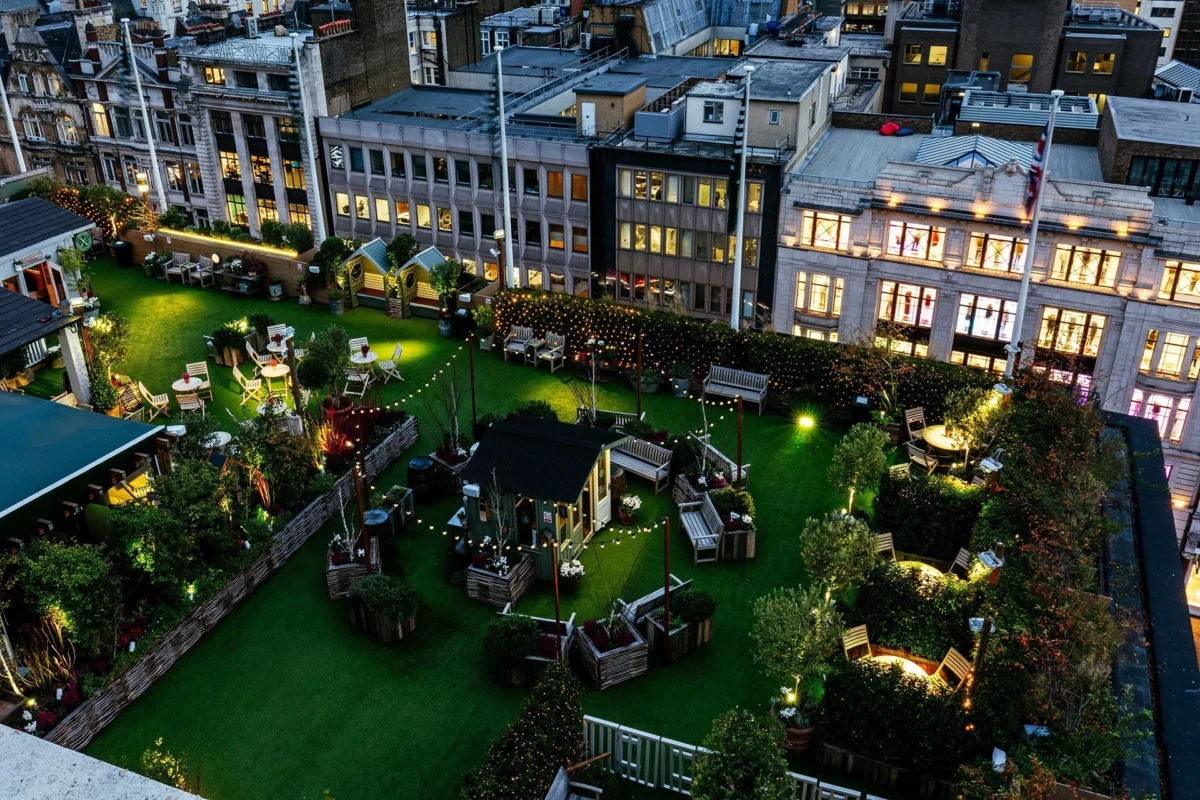
Lighting transforms outdoor spaces after dusk, particularly during London’s shorter winter days. Layered lighting strategies combine functional illumination with ambient accents, highlighting planting, textures, and architectural details.
Planting Strategies for All Seasons
Planting is the emotional core of outdoor living in London. A successful garden or terrace feels alive year-round, offering visual interest even in winter.
Evergreens and Structural Planting
Evergreen species provide continuity, structure, and privacy. When paired with architectural planters, they reinforce the spatial framework of terraces and gardens.
Seasonal Variation Without Reinvention
Rather than redesigning with each season, London landscapes rely on planting schemes that evolve naturally:
- Spring bulbs for early optimism
- Summer perennials for color and movement
- Autumn foliage for warmth and depth
- Winter textures through bark, seed heads, and grasses
Wellbeing, Privacy, and the Luxury of Calm
For high-net-worth individuals, outdoor living in London is increasingly tied to wellbeing. Gardens and terraces function as sanctuaries—spaces for reflection, restoration, and quiet connection.
Acoustic and Visual Privacy
Thoughtful screening using planting, panels, or sculptural elements mitigates urban noise and visual intrusion. Privacy is not about isolation, but about control—allowing occupants to engage with the city on their own terms.
Outdoor Living as Daily Ritual
When designed for year-round use, outdoor spaces become integral to daily life. Morning coffee on a sheltered terrace, evening conversations under soft lighting—these rituals elevate the experience of living in the city.
Global Influence, Local Interpretation
London’s design culture is inherently international, drawing inspiration from across Europe, Asia, and the Americas. Yet the most successful terrace design ideas are those translated thoughtfully into the local context.
As noted by the Royal Horticultural Society, climate-responsive planting and material choices are essential to sustainable garden design in the UK. This balance between global influence and local intelligence defines contemporary outdoor living in London.
A New Standard for Outdoor Living in London
Designing gardens and terraces for all seasons is no longer a luxury—it is an expectation. In London, where space, climate, and heritage intersect, outdoor living demands intelligence, restraint, and vision.
The most compelling year-round outdoor spaces are those that feel inevitable rather than excessive: environments shaped by architecture, enriched by materiality, and animated by nature. For professionals and homeowners alike, the future of outdoor living in London lies in spaces that evolve quietly with the seasons, offering comfort, beauty, and relevance every day of the year.