

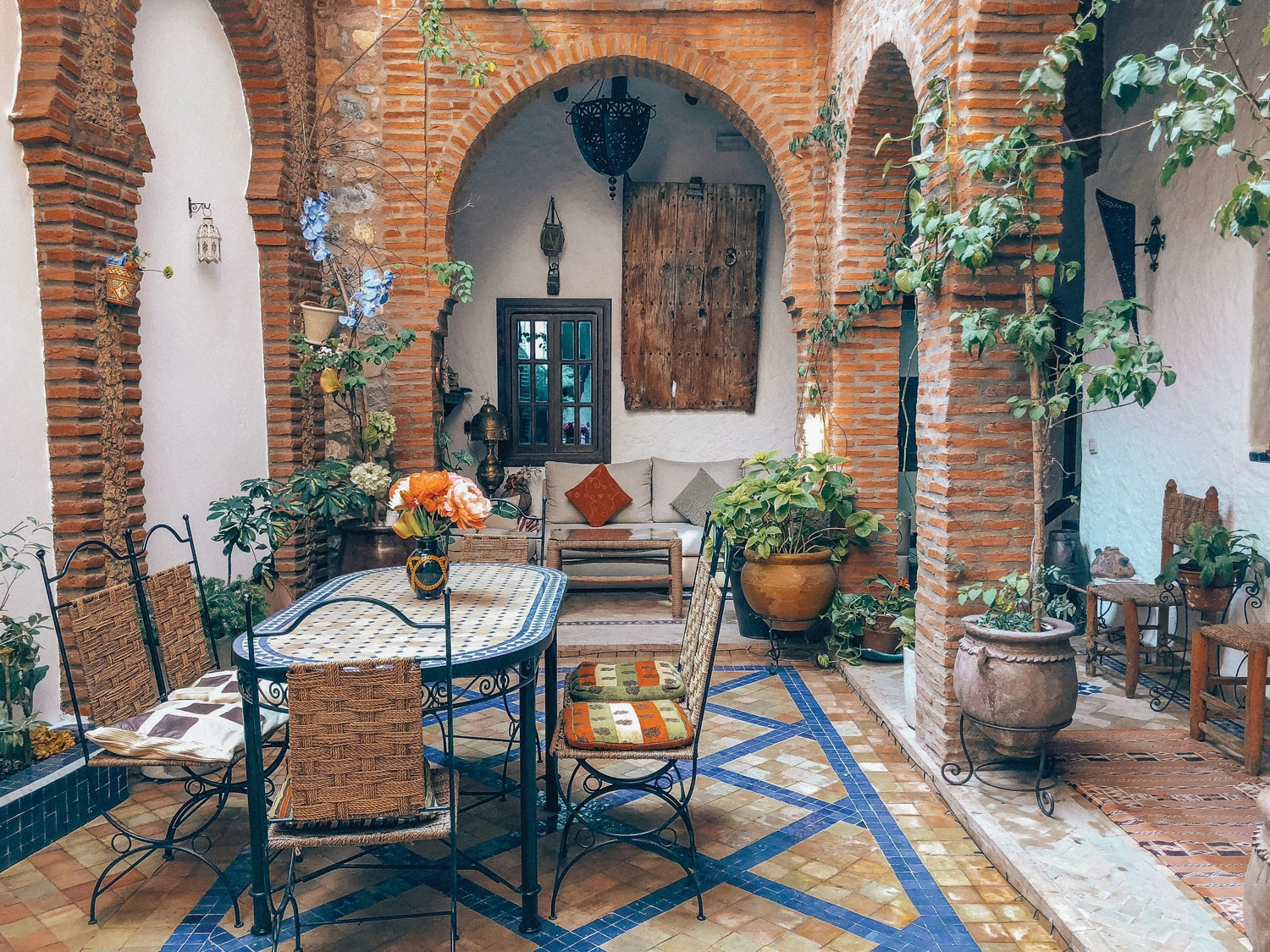
The Mediterranean Patio as a Cultural and Climatic Archetype
The Mediterranean patio is more than an outdoor room—it is a cultural construct shaped by climate, social ritual, and centuries of architectural intelligence. From the limestone courtyards of Andalusia to the wind-swept terraces of the Cyclades, Mediterranean outdoor spaces have evolved to negotiate intense sun, seasonal winds, and a deeply ingrained tradition of communal living. Today, as luxury outdoor living becomes a defining feature of high-end residential design worldwide, the Mediterranean patio offers a masterclass in how outdoor furniture design can balance beauty, resilience, and social purpose.
For architects, designers, and discerning homeowners, understanding the principles behind Mediterranean outdoor furniture is essential. These environments are not styled for fleeting trends; they are engineered for endurance, comfort, and conviviality. This article explores how Mediterranean patios respond to heat, wind, and social living—and how these lessons continue to inform contemporary design practice.
Climate as Design Partner: Heat, Light, and Air
The Mediterranean basin is defined by long summers, high solar exposure, and fluctuating coastal breezes. Outdoor furniture in this context is not decorative afterthought; it is a functional response to environmental conditions.
Designing for Heat: Breathability and Thermal Intelligence
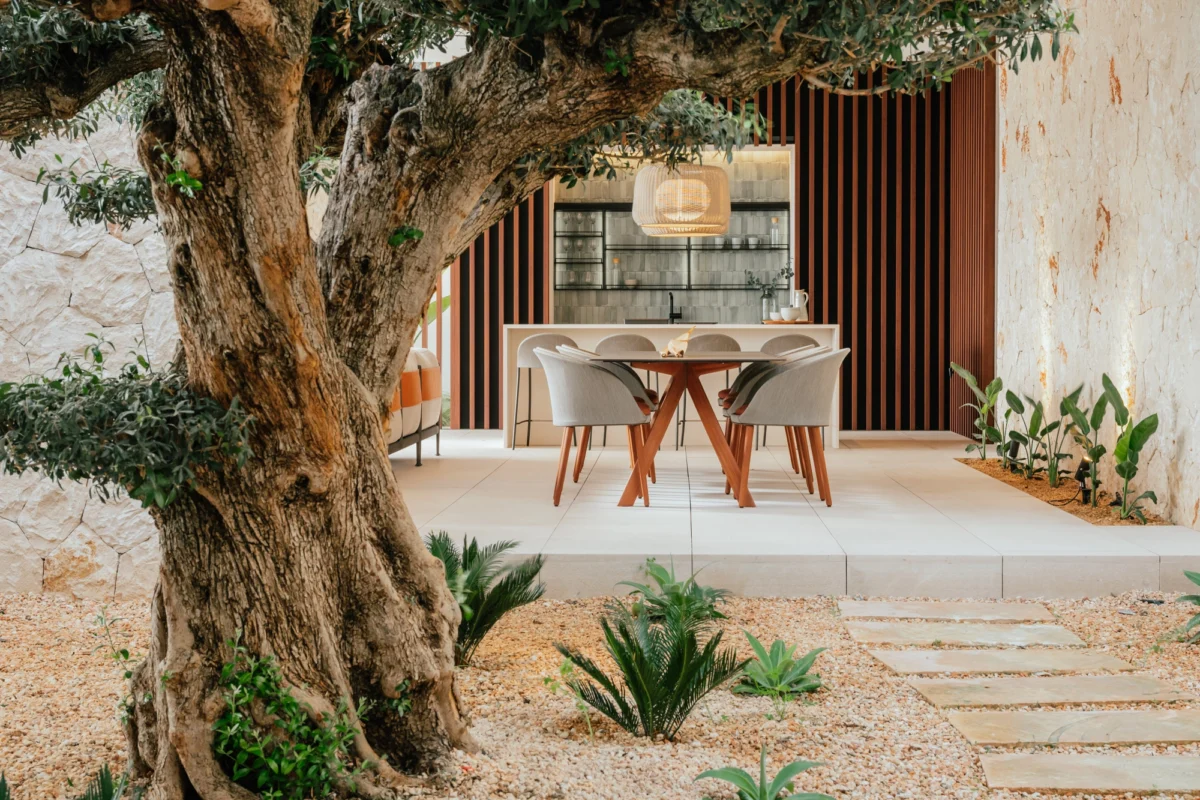
In regions where summer temperatures routinely exceed comfort thresholds, material choice becomes critical. Traditional Mediterranean patio furniture favors breathable structures that dissipate heat rather than retain it.
- Natural fibers such as rope, woven cane, or modern synthetic equivalents allow air circulation and reduce surface temperature.
- Light-toned finishes—chalky whites, sand, and stone—reflect sunlight and visually cool the space.
- Open-frame constructions minimize mass, preventing furniture from becoming heat sinks during peak sun hours.
These principles are increasingly echoed in contemporary luxury outdoor living projects, where comfort is defined as much by microclimate control as by aesthetics.
Managing Wind: Weight, Balance, and Modularity
Coastal patios from Provence to Puglia are exposed to strong, shifting winds. Mediterranean outdoor furniture traditionally addresses this through proportion and grounding.
- Low-profile seating reduces wind resistance.
- Substantial bases—often in stone, concrete, or dense hardwood—anchor lightweight upper structures.
- Modular configurations allow pieces to be rearranged according to seasonal wind patterns.
This pragmatic approach results in outdoor environments that feel simultaneously relaxed and composed, even in exposed locations.
The Mediterranean Patio as a Social Stage
Unlike northern outdoor spaces, which are often seasonal or occasional, the Mediterranean patio is a daily living environment. It is where meals unfold slowly, conversations extend into the night, and hospitality becomes architecture.
Furniture Designed for Gathering
Social living lies at the heart of Mediterranean design. Outdoor furniture is arranged to encourage interaction rather than isolation.
- Deep, generous seating supports long conversations.
- Low tables facilitate shared meals, drinks, and informal rituals.
- Circular or U-shaped layouts create visual and social cohesion.
In contemporary mediterranean patio design, this translates into outdoor lounges that rival interior living rooms in comfort and intentionality.
Dining as Ritual, Not Event
The Mediterranean approach to outdoor dining is unhurried and inclusive. Furniture proportions reflect this cultural rhythm.
- Tables are sized for abundance, not minimalism.
- Chairs prioritize ergonomic support for extended seating.
- Materials are selected to age gracefully under sun, salt, and use.
This philosophy aligns with the growing global demand for luxury outdoor living spaces that feel authentic rather than staged.
Material Language: From Vernacular to Contemporary
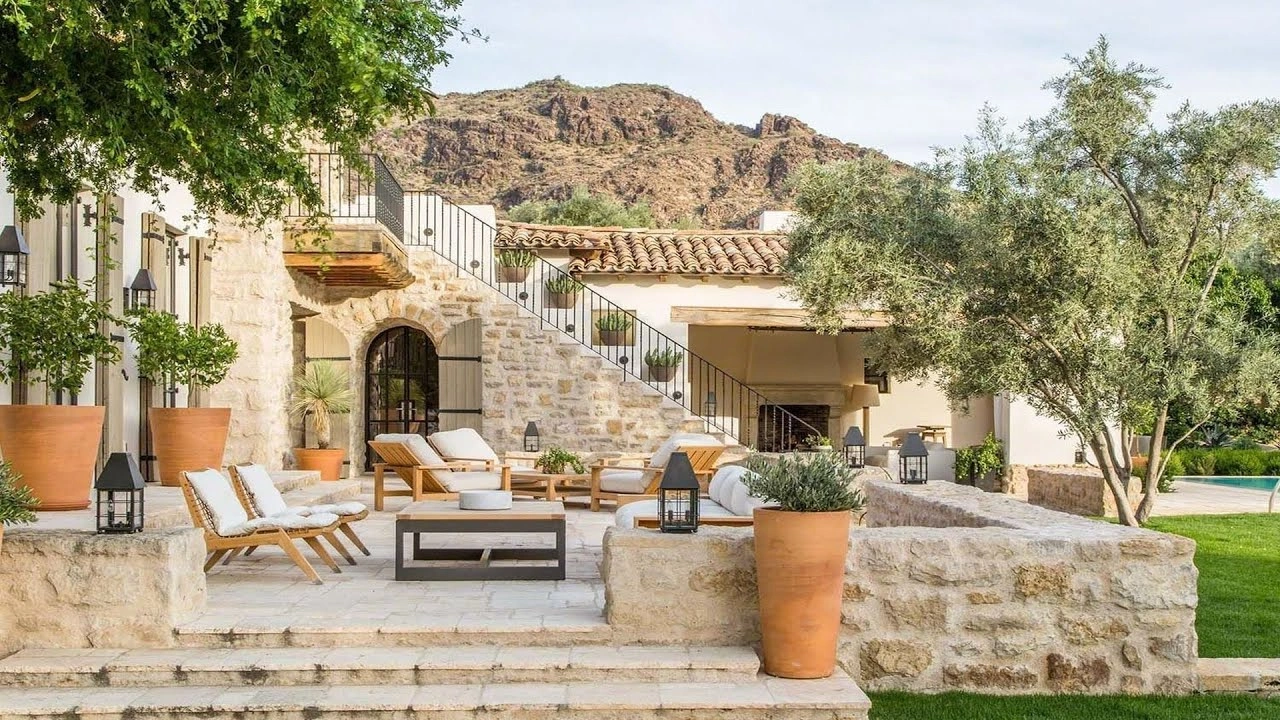
The visual identity of Mediterranean outdoor furniture is inseparable from its materials. Historically rooted in local resources, these choices continue to influence modern design.
Wood, Stone, and Woven Elements
Teak, iroko, and other dense woods have long been favored for their resistance to heat and humidity. Stone—travertine, limestone, terrazzo—provides thermal mass and visual continuity with architecture. Woven elements soften these hard surfaces, introducing tactility and comfort.
Today, advanced composites and weather-resistant textiles reinterpret these materials, offering longevity without sacrificing the understated elegance associated with Mediterranean design.
A Patina of Time
One of the defining characteristics of Mediterranean outdoor furniture is its relationship with aging. Surfaces are meant to weather, fade, and develop character.
This acceptance of patina stands in contrast to disposable outdoor trends and resonates strongly with sustainability-driven design discourse. As noted by Architectural Digest, longevity and authenticity are increasingly valued in high-end outdoor environments.
Shading the Mediterranean Patio
No discussion of Mediterranean patios is complete without addressing shade. Furniture design works in tandem with architectural and landscape elements to create layered protection from the sun.
Integrated Shade Solutions
- Pergolas and loggias provide structural shade.
- Textile canopies and sails introduce flexibility.
- High-backed seating and loungers offer localized sun protection.
The result is a nuanced interplay of light and shadow that defines the atmosphere of the space.
Contemporary Interpretations of Mediterranean Outdoor Furniture
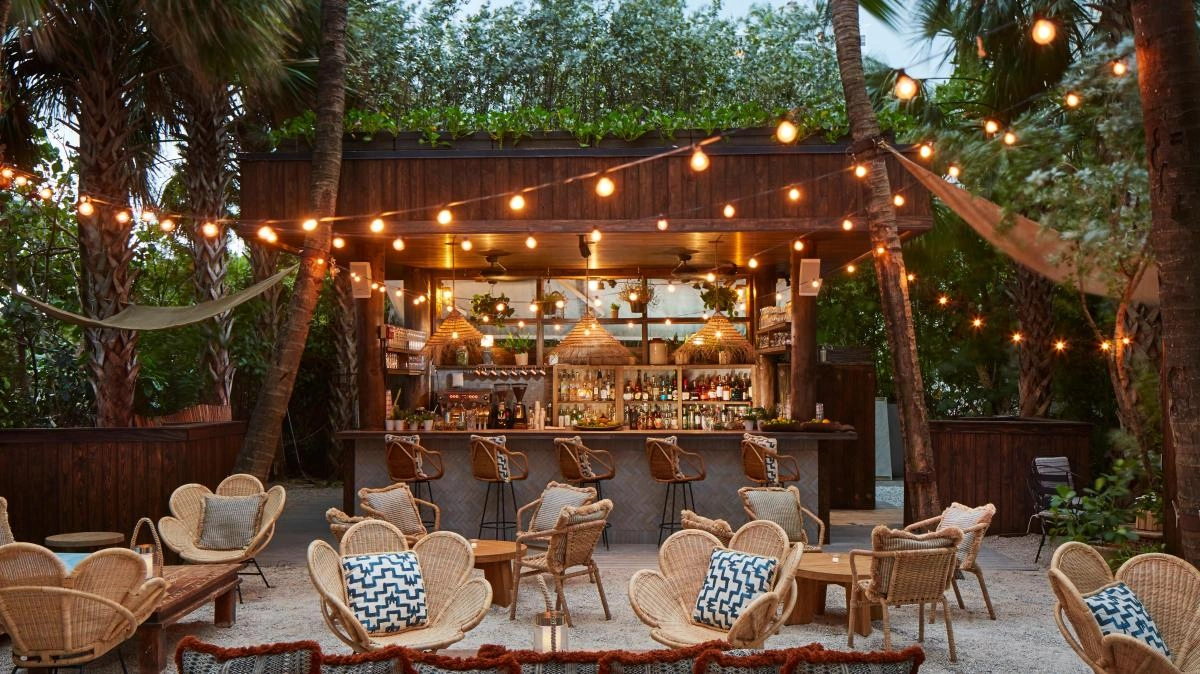
While rooted in tradition, Mediterranean patio design is far from static. Contemporary architects and designers reinterpret its principles through a modern lens.
Minimalism with Memory
Clean lines and restrained palettes dominate current expressions of Mediterranean outdoor furniture, yet references to vernacular forms remain evident. The goal is not nostalgia, but continuity.
Global Appeal, Local Intelligence
From California to the Middle East, the Mediterranean patio has become a global template for outdoor living in warm climates. Its success lies in its adaptability—principles developed for heat, wind, and social life translate seamlessly across geographies.
Design Guidelines for High-End Mediterranean Patios
For professionals and homeowners seeking to create authentic Mediterranean-inspired outdoor spaces, several guidelines remain constant:
- Prioritize climate-responsive design over decorative excess.
- Design for people, not just views—comfort sustains use.
- Select materials that age with dignity.
- Embrace social layouts that encourage gathering.
Enduring Lessons from the Mediterranean
The Mediterranean patio endures because it is fundamentally human-centered. It responds intelligently to climate, honors social traditions, and values longevity over novelty. In an era where Mediterranean outdoor furniture and luxury outdoor living are increasingly globalized concepts, the original Mediterranean patio remains a benchmark of thoughtful design.
For Mediterrazza and the wider design community, these spaces offer not just aesthetic inspiration, but a philosophy: outdoor living should be resilient, generous, and deeply connected to the rhythms of place and people.