


Across civilizations and centuries, architecture has always been a direct response to climate. From the shaded courtyards of Andalusia to the wind-carved forms of island dwellings, the built environment reflects humanity’s enduring dialogue with nature. Today, as climate awareness deepens and lifestyles evolve, this relationship has become more intentional, giving rise to what is increasingly defined as climate-driven design.
For architects, designers, and discerning homeowners alike, understanding how climate shapes architecture and outdoor living is no longer optional—it is foundational. In regions synonymous with Mediterranean culture and coastal luxury, climate is not merely a constraint but a source of inspiration, guiding material choices, spatial planning, and the seamless integration between indoor and outdoor life.
Climate as the First Design Principle
Before aesthetics, before trends, before technology—there is climate. Temperature, humidity, solar exposure, wind patterns, and seasonal rhythms all exert influence on how buildings are conceived and experienced. Historically, vernacular architecture emerged as a sophisticated form of climate adaptation long before the advent of mechanical systems.
In contemporary practice, climate-driven design reclaims this wisdom through a modern lens. It prioritizes passive strategies that enhance comfort while reducing environmental impact, aligning sustainability with refined living.
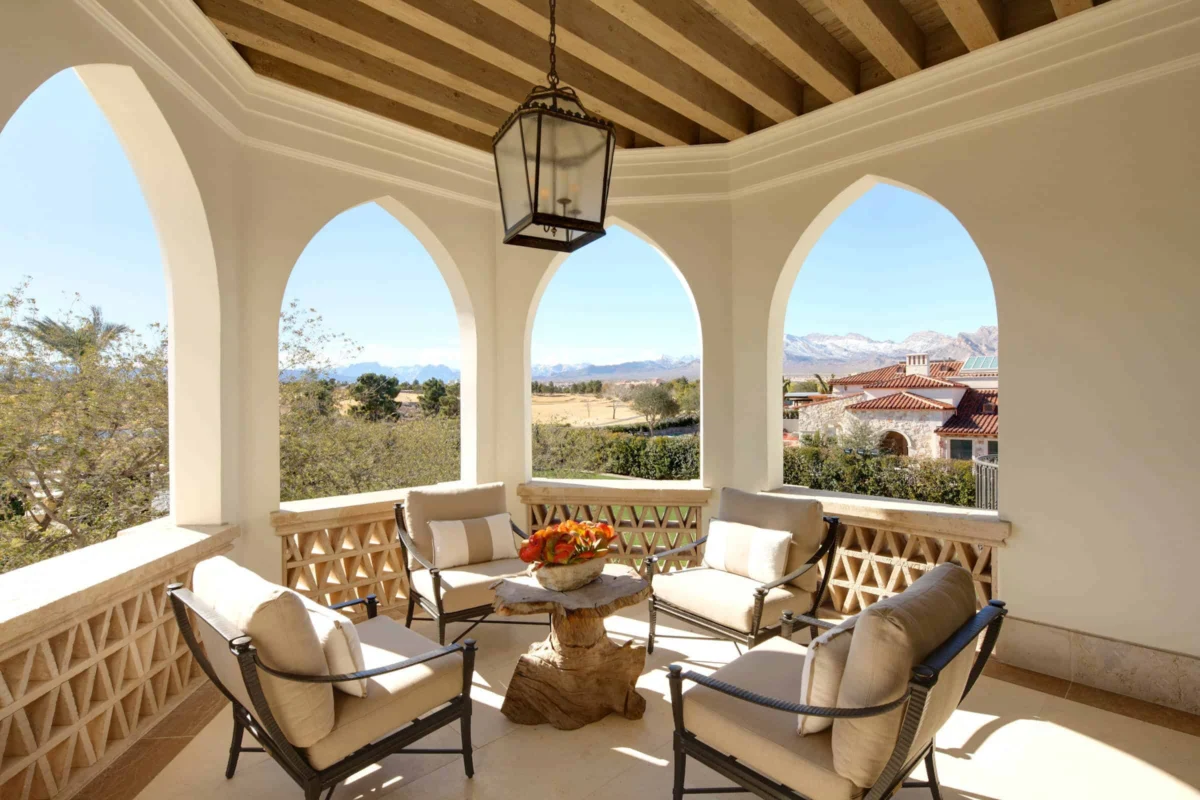
Key Climatic Factors That Shape Architecture
- Solar orientation to manage heat gain and natural light
- Prevailing winds for cross-ventilation and thermal comfort
- Humidity levels influencing material durability and finishes
- Seasonal variation dictating spatial flexibility
The Mediterranean Model: Architecture in Dialogue with Nature
The Mediterranean basin offers one of the most eloquent examples of climate shaping architecture. Characterized by hot, dry summers and mild, wet winters, the region has developed an architectural language rooted in adaptation and restraint.
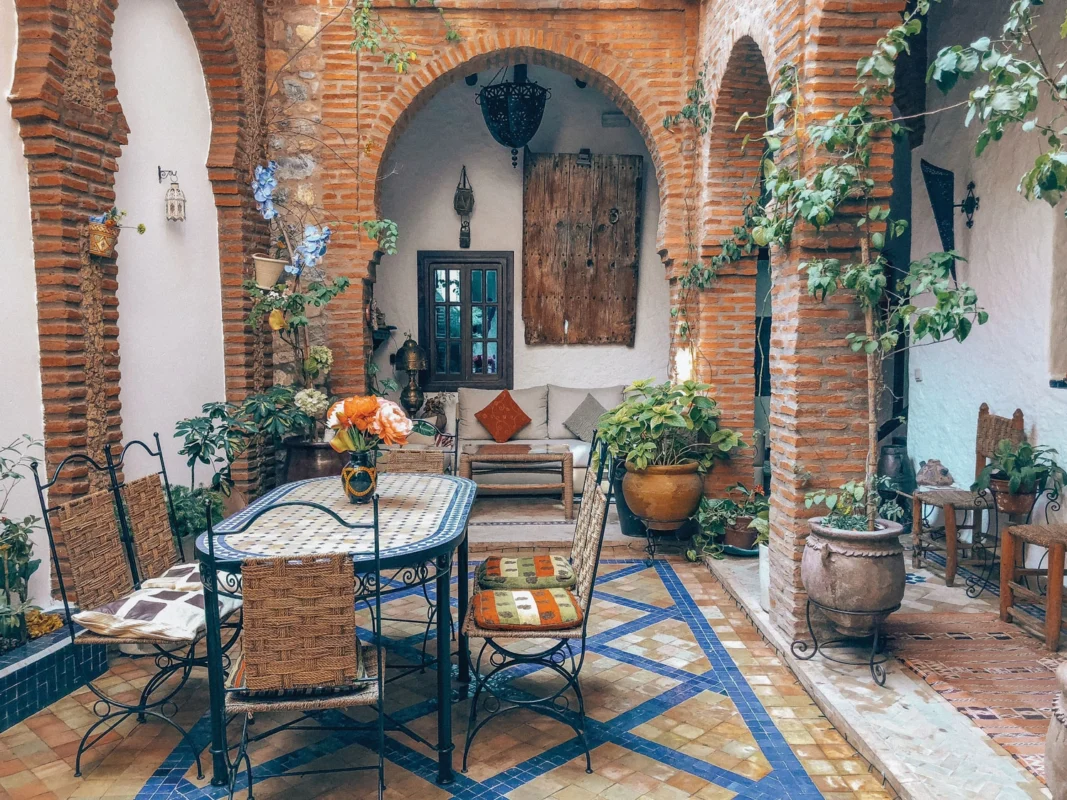
Thick masonry walls, lime-based plasters, shaded loggias, and interior courtyards are not stylistic gestures but climatic responses. These elements regulate temperature, diffuse light, and create microclimates that enhance daily life.
Spatial Strategies Rooted in Climate
Mediterranean architecture favors introverted layouts that protect inhabitants from heat while fostering privacy and tranquility. Courtyards act as thermal regulators, while pergolas and arcades blur the boundary between inside and out.
This spatial fluidity has become a defining feature of modern coastal luxury, where outdoor living is elevated to an essential dimension of the home.
Outdoor Living as a Climatic Extension of Architecture
In climate-responsive regions, outdoor spaces are not secondary amenities—they are primary living environments. Terraces, patios, and poolside lounges function as open-air rooms, carefully designed to respond to sun, wind, and seasonal shifts.
Climate-driven design reframes outdoor living as an architectural extension rather than a decorative afterthought. This approach enhances comfort, longevity, and cultural authenticity.
Design Elements That Enhance Outdoor Comfort
- Shading systems such as pergolas, canopies, and vegetation
- Natural ventilation through orientation and openness
- Thermal materials that remain cool underfoot
- Adaptable furnishings suited to changing weather conditions
Coastal Luxury: Where Climate and Lifestyle Converge
In coastal environments, climate introduces additional considerations—salt air, high humidity, intense sunlight, and shifting winds. Yet these challenges also define the allure of coastal luxury, where architecture celebrates openness, views, and sensory connection to the landscape.
Homes along the sea are increasingly designed with resilience and elegance in mind, balancing exposure with protection. Expansive terraces, sheltered outdoor dining areas, and fluid transitions between interior and exterior spaces reflect a lifestyle shaped by climate and leisure.
Material Intelligence in Coastal Design
Material selection becomes critical in coastal contexts. Designers favor finishes that age gracefully, resist corrosion, and echo the surrounding environment.
- Teak and iroko for their natural resistance and warmth
- Stone and porcelain for thermal stability and durability
- Powder-coated metals designed for marine conditions
Global Interpretations of Climate-Driven Design
While the Mediterranean offers a canonical reference, climate-driven design is a global philosophy. From tropical regions to arid landscapes, architecture adapts to local conditions while expressing cultural identity.
In each case, outdoor living becomes a reflection of climate-specific rituals—whether shaded verandas in Southeast Asia or fire-lit patios in cooler coastal zones.
Comparative Climate Responses
- Tropical climates: Elevated structures, deep overhangs, and constant airflow
- Desert regions: Thermal mass, courtyards, and minimal openings
- Temperate coasts: Flexible outdoor rooms and seasonal adaptability
Technology, Sustainability, and Climate Awareness
Modern technology has expanded the possibilities of climate-responsive architecture without replacing its foundational principles. Advanced modeling tools allow architects to simulate solar paths, wind behavior, and thermal performance with remarkable precision.
Yet the essence of climate-driven design remains rooted in simplicity and respect for natural forces. Passive cooling, daylight optimization, and outdoor-oriented living reduce reliance on energy-intensive systems while enhancing quality of life.
According to the ArchDaily knowledge platform, climate-responsive architecture consistently ranks among the most effective strategies for sustainable and human-centered design.
Outdoor Furniture as Climatic Architecture
In refined outdoor environments, furniture functions as a form of micro-architecture. Its scale, materials, and configuration influence how spaces are used throughout the day and across seasons.
Designers increasingly approach outdoor furnishings with the same rigor applied to buildings—prioritizing ergonomics, durability, and climatic compatibility. In Mediterranean and coastal luxury settings, furniture must respond gracefully to sun exposure, temperature fluctuations, and open-air use.
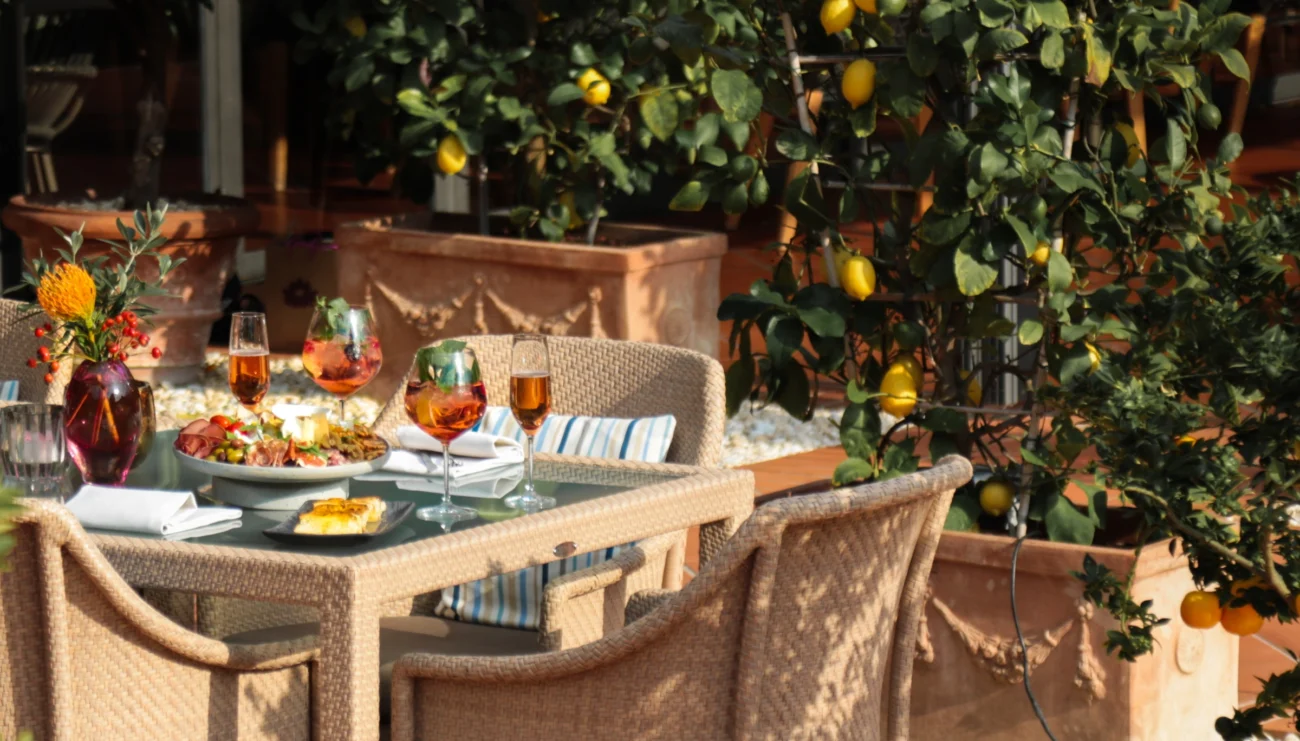
Characteristics of Climate-Responsive Outdoor Furnishings
- Weather-resistant materials with tactile refinement
- Modular compositions for spatial flexibility
- Neutral palettes that reflect light and heat
The Emotional Dimension of Climate and Space
Beyond performance and sustainability, climate shapes the emotional experience of architecture. The way light filters through a pergola, the sensation of stone under bare feet, or the rhythm of coastal breezes all contribute to a sense of place.
In this context, Mediterranean architecture and outdoor living are as much about atmosphere as they are about form. They cultivate moments of pause, social connection, and sensory richness—values increasingly sought after by global audiences.
Designing with Climate, Not Against It
As environmental consciousness and lifestyle aspirations converge, the relevance of climate-driven design continues to grow. Architecture that responds intelligently to climate is not only more sustainable—it is more humane, more enduring, and more beautiful.
From the timeless wisdom of Mediterranean architecture to the refined openness of coastal luxury, climate remains the invisible architect shaping how we live, gather, and connect with our surroundings. For professionals and homeowners alike, embracing this philosophy offers a pathway to spaces that are deeply contextual, effortlessly elegant, and profoundly livable.