

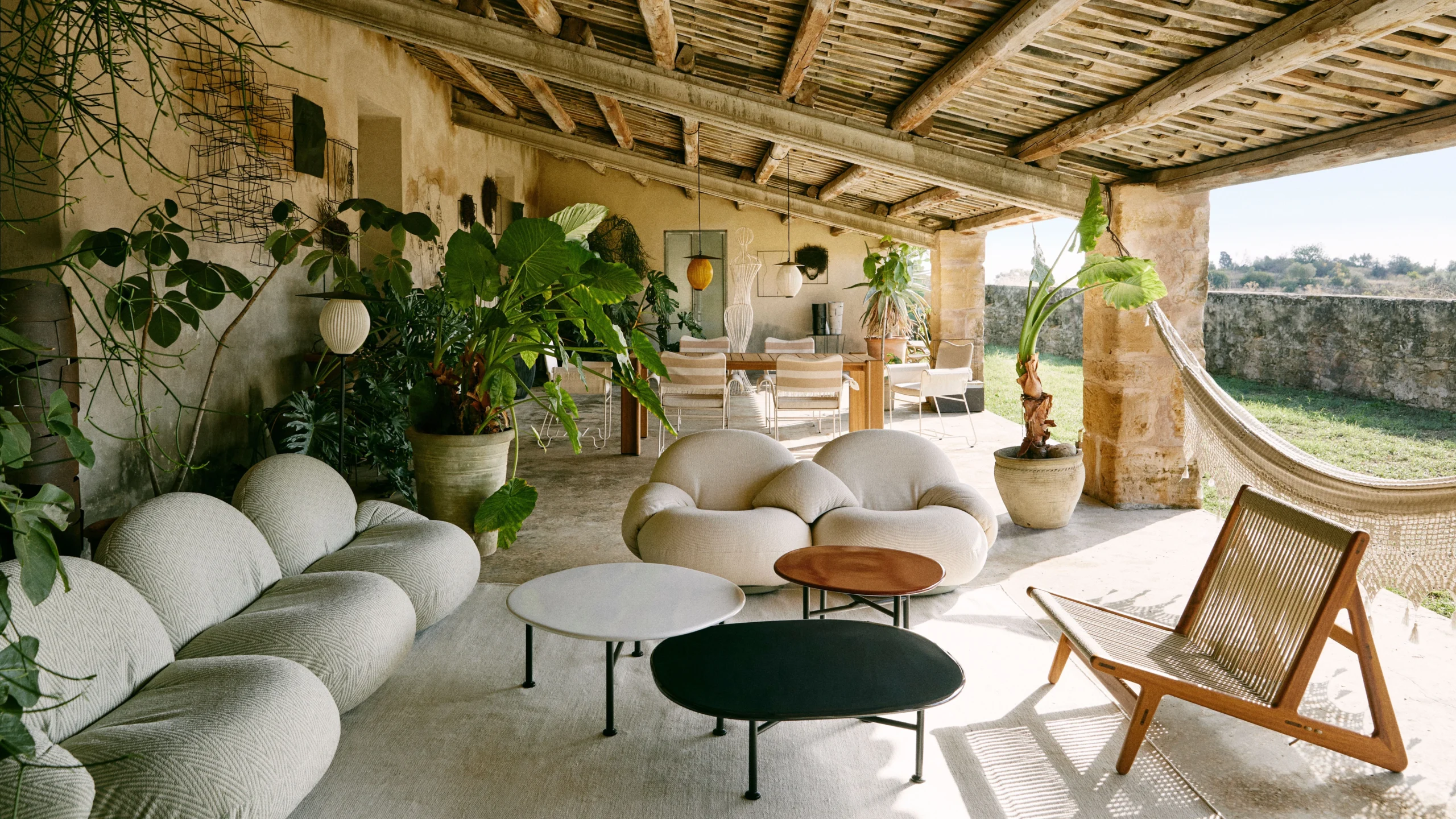
In an era where the boundaries between interior and exterior living continue to dissolve, outdoor lounge design has emerged as a defining element of contemporary residential architecture. Once conceived as seasonal extensions of the home, outdoor lounges are now expected to perform with the same comfort, aesthetic rigor, and adaptability as interior spaces—throughout the year.
For architects, designers, and discerning homeowners alike, the challenge lies in creating luxury outdoor lounges that respond intelligently to climate, lifestyle, and cultural context while remaining timeless in expression. The most successful projects are not simply furnished terraces or gardens; they are carefully orchestrated environments where materials, light, and spatial composition converge to support year-round use.
Redefining the Outdoor Lounge as a Permanent Living Space
The modern outdoor lounge is no longer an accessory—it is a core spatial asset. Whether overlooking the Mediterranean, anchoring a rooftop in New York, or framing a private courtyard in the Middle East, outdoor lounges are now designed as intentional living rooms under the open sky.
This shift demands a design mindset rooted in permanence. Outdoor seating must feel substantial, protective, and inviting, resisting the ephemeral language of temporary patio setups. Instead, the focus moves toward architectural continuity: visual alignment with the interior, material harmony, and spatial zoning that encourages daily use rather than occasional occupation.
Climate as a Design Partner
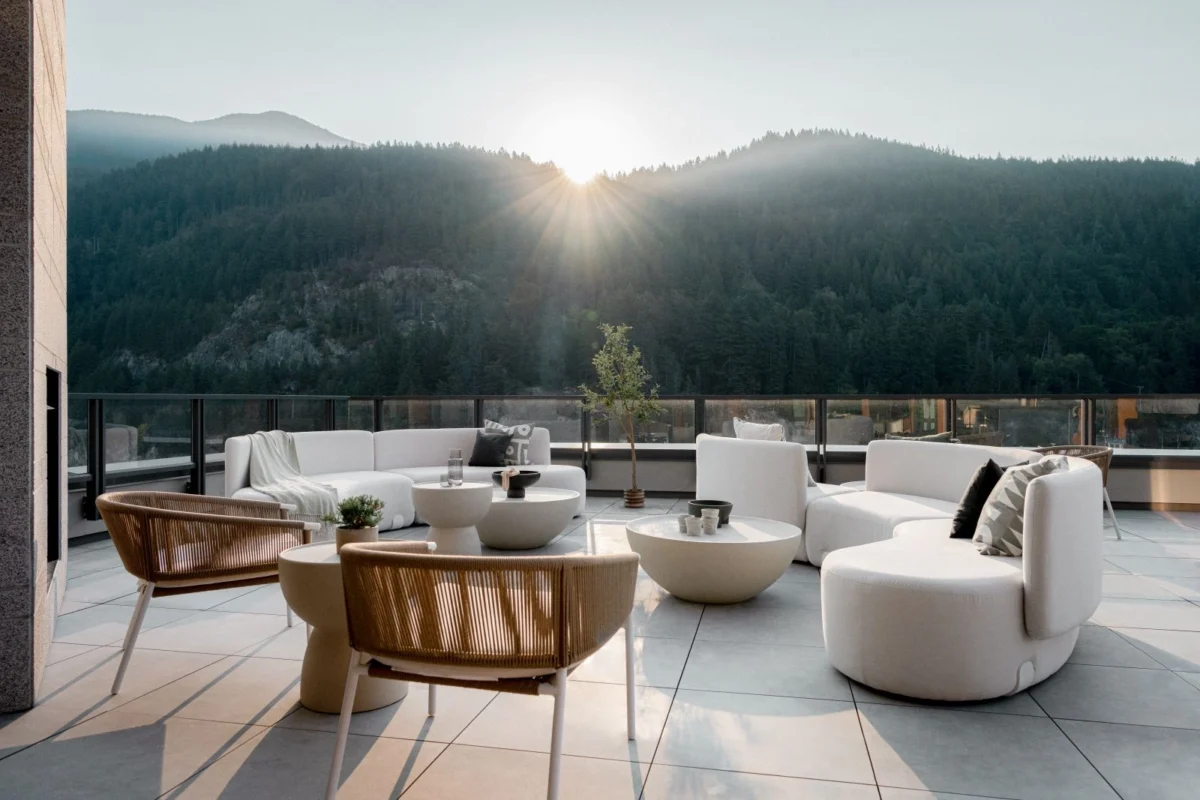
Designing outdoor lounges that function year-round begins with acknowledging climate as a collaborator rather than a constraint. Successful outdoor lounge design responds proactively to temperature shifts, humidity, wind patterns, and solar exposure.
- Cold climates benefit from wind-buffered layouts, integrated heating, and dense upholstery.
- Warm regions require breathable materials, shaded seating zones, and strategic airflow.
- Transitional climates demand flexibility—modular outdoor seating and layered comfort elements.
Architectural Foundations of Cozy Outdoor Lounges
True comfort begins at the architectural level. Before furniture is selected, the spatial framework must support enclosure, proportion, and intimacy.
Defining Enclosure Without Isolation
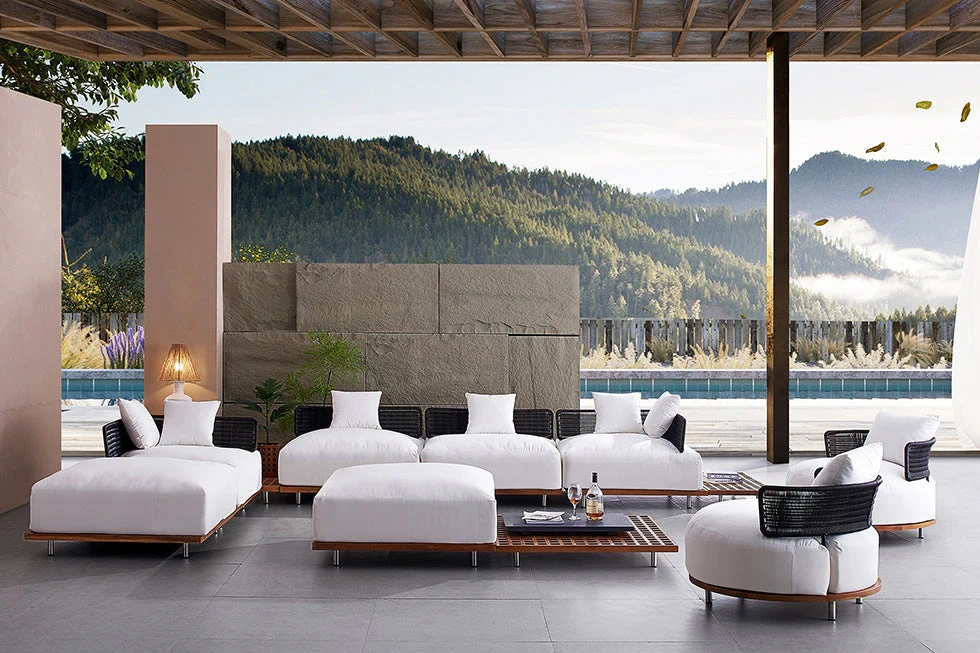
Cozy outdoor lounges often succeed because they feel protected yet open. Partial walls, pergolas, loggias, and recessed terraces offer a sense of refuge without sacrificing views or natural light. These architectural gestures create psychological comfort—an essential ingredient in luxury outdoor lounges.
Vertical Elements and Visual Anchors
Vertical planes—stone walls, timber screens, planted trellises—anchor outdoor seating arrangements and provide a backdrop against which furniture compositions can unfold. They also enhance acoustics and privacy, elevating the sensory quality of the space.
The Role of Outdoor Seating in Year-Round Comfort
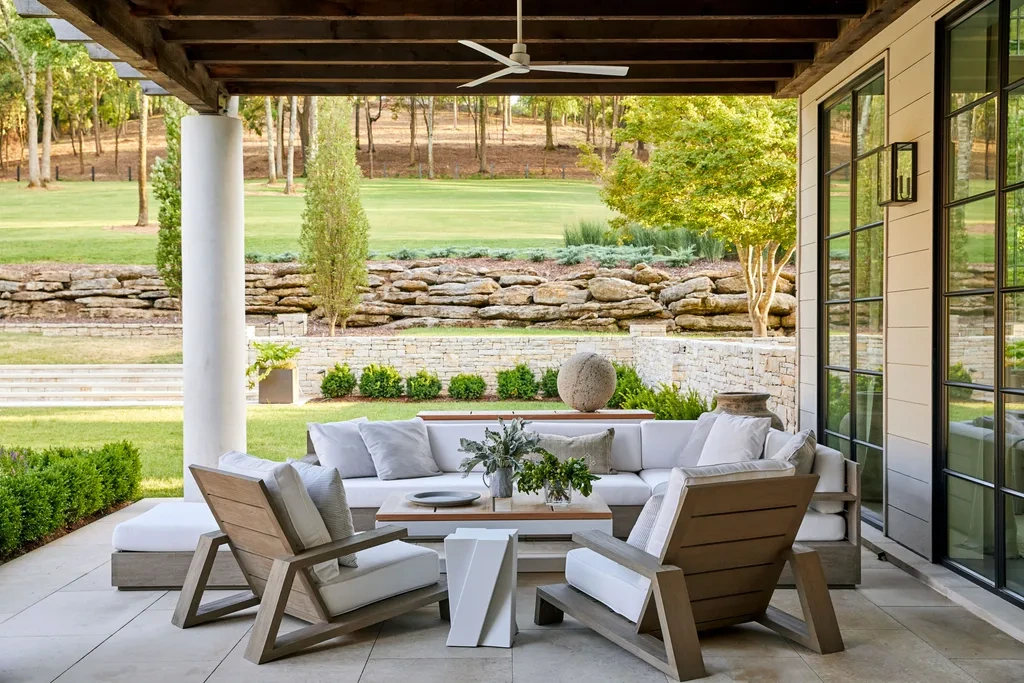
Outdoor seating is the heart of any lounge environment. Its form, scale, and materiality determine not only comfort but also the emotional tone of the space.
Prioritizing Ergonomics and Depth
Year-round outdoor seating must invite prolonged use. Deep seats, generous cushions, and supportive backrests are essential—mirroring the comfort standards of high-end interior lounges.
Designers increasingly favor low-slung seating typologies that encourage relaxation while visually grounding the space. When paired with modular flexibility, such configurations adapt seamlessly to seasonal changes and social scenarios.
Material Integrity and Tactile Warmth
Luxury outdoor lounges distinguish themselves through material intelligence. Performance fabrics, engineered foams, and weather-resistant frames now offer durability without sacrificing tactile appeal.
- Textiles should remain soft to the touch even in cooler months.
- Frames must resist thermal shock and UV exposure.
- Finishes should age gracefully, developing patina rather than degradation.
Layering Comfort: From Textiles to Accessories
What transforms an outdoor lounge from functional to genuinely cozy is layering. Just as in interior design, comfort emerges through accumulation—of textures, weights, and visual cues.
Seasonal Textiles as Design Tools
Throws, outdoor rugs, and accent cushions are not decorative afterthoughts; they are strategic components of outdoor lounge design. Seasonal rotation of textiles allows spaces to evolve without structural intervention.
In cooler months, heavier weaves and darker tones visually warm the environment. In summer, lighter palettes and breathable fabrics maintain freshness while preserving cohesion.
Lighting for Atmosphere and Use
Lighting defines how outdoor lounges are experienced after sunset. A layered lighting strategy—combining ambient, task, and accent illumination—extends usability while enhancing intimacy.
Low-level lighting integrated into architectural elements or positioned near outdoor seating creates a human-scale glow, avoiding the harshness of overhead fixtures.
Designing for All Seasons: Flexibility and Adaptation
Year-round outdoor lounges succeed because they anticipate change. Flexibility is embedded into the design rather than added reactively.
Modularity and Reconfiguration
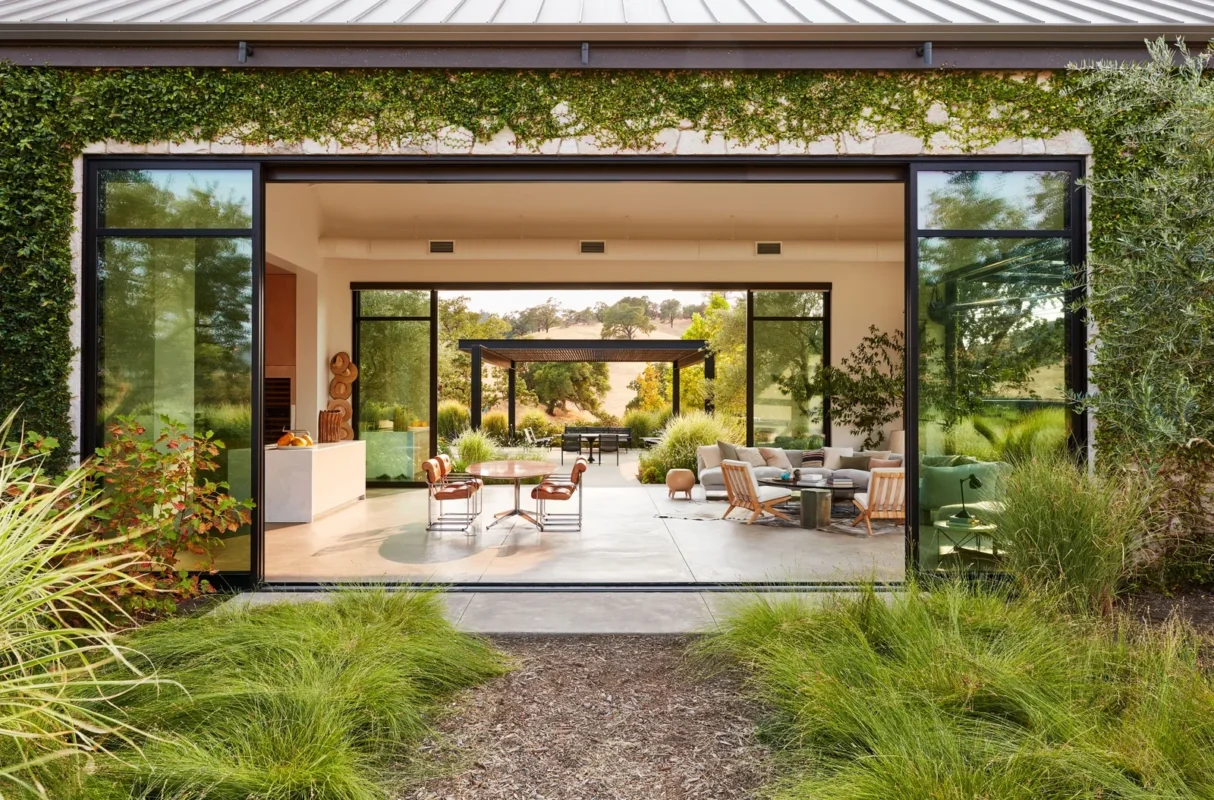
Modular outdoor seating allows lounges to adapt to weather, guest count, and evolving lifestyles. Reconfigurable layouts ensure that the space remains relevant across seasons and years.
Protective Elements Without Compromise
Retractable roofs, sliding glass panels, and integrated shading systems provide protection while preserving the open-air ethos. When thoughtfully designed, these elements enhance rather than dilute architectural intent.
Landscape Integration and Biophilic Comfort
The most compelling luxury outdoor lounges feel inseparable from their surroundings. Landscape design plays a crucial role in moderating microclimate, framing views, and reinforcing tranquility.
Planting as Climate Control
Strategically placed vegetation offers natural shading, wind filtration, and thermal moderation. Evergreen species provide year-round structure, while seasonal plantings introduce subtle variation.
According to research highlighted by ArchDaily, biophilic design principles significantly enhance perceived comfort and wellbeing in both interior and exterior environments.
Cultural Sensitivity in Outdoor Lounge Design
For an international audience, outdoor lounge design must respect cultural patterns of use. In Mediterranean contexts, lounges often support extended social rituals. In urban environments, they may prioritize privacy and retreat.
Understanding these nuances ensures that outdoor seating arrangements align with how spaces are truly lived in—not merely how they are photographed.
The Future of Luxury Outdoor Lounges
As sustainability, wellness, and lifestyle convergence continue to shape design discourse, outdoor lounges will play an increasingly central role in residential and hospitality projects. The emphasis will move further toward longevity—spaces designed to endure climatically, aesthetically, and emotionally.
Creating cozy outdoor lounges that work year-round is not about excess or trend-driven gestures. It is about thoughtful restraint, material honesty, and spatial intelligence. When executed with care, outdoor lounge design becomes a quiet luxury—one that enriches daily life across seasons and geographies.
The Takeaway
For professionals and homeowners seeking enduring value, investing in well-considered outdoor seating and spatial design is no longer optional. It is a reflection of how we choose to live—with intention, comfort, and a deep respect for the environments we inhabit.
Year-round luxury outdoor lounges are not defined by climate resistance alone, but by their ability to feel inviting at any moment. In that balance between protection and openness lies the future of outdoor living.