

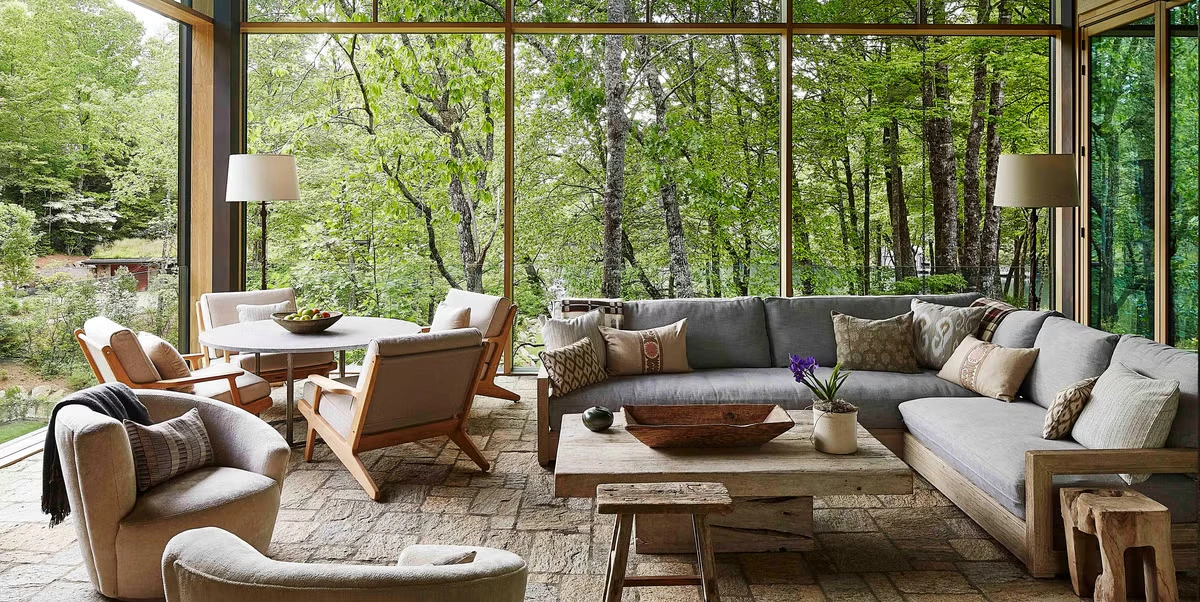
Everyday Outdoor Living as a Design Philosophy
For decades, outdoor spaces were conceived as occasional luxuries—settings reserved for summer entertaining or special gatherings. Today, that paradigm has shifted. Across climates, cultures, and residential typologies, terraces, gardens, patios, and rooftops are being reimagined as integral extensions of daily life. Everyday outdoor living is no longer aspirational; it is foundational to contemporary residential design.
Designing outdoor spaces you will truly use every day requires more than visual appeal. It demands a thoughtful synthesis of comfort, functionality, climate awareness, and cultural habits. For architects, designers, and discerning homeowners alike, the challenge lies in creating environments that feel as intuitive and livable as interior spaces—while retaining the sensory richness that only the outdoors can offer.
Rethinking Outdoor Space: From Occasional to Essential
The rise of hybrid lifestyles—remote work, wellness-oriented living, and fluid indoor-outdoor transitions—has elevated outdoor areas to essential living zones. Terraces become morning offices, shaded lounges host afternoon conversations, and dining areas evolve into evening sanctuaries.
Successful outdoor living design ideas begin with a fundamental shift in mindset: outdoor spaces must be designed for frequency, not formality. When design decisions prioritize daily rituals over sporadic use, longevity and satisfaction naturally follow.
Designing for Daily Rituals
Understanding how outdoor spaces integrate into everyday routines is the first step toward meaningful design. Rather than asking how a space should look, consider how it will be used:
- Morning coffee or breakfast in natural light
- Informal work or reading during the day
- Family meals or quiet reflection in the evening
- Moments of pause between professional or social commitments
Design anchored in these moments results in spaces that feel lived-in, not staged.
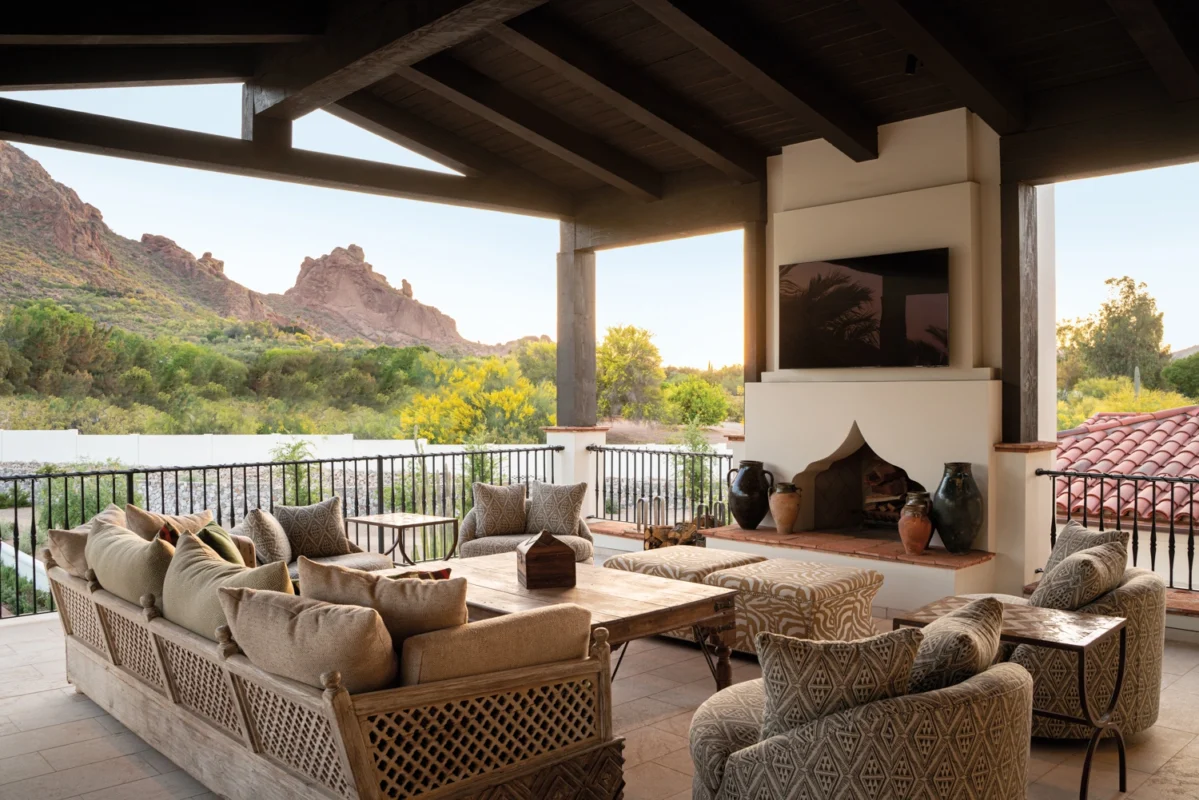
Comfort as the Cornerstone of Everyday Use
No outdoor space—regardless of scale or location—will succeed without comfort. Visual elegance may attract admiration, but it is comfortable outdoor seating that encourages repeated use.
Ergonomics and Proportion
Outdoor furniture must respect the same ergonomic principles as interior furnishings. Seat depth, back support, armrest placement, and seat height all influence how long users remain at ease. Pieces that prioritize posture and relaxation subtly invite longer, more frequent use.
Materials that Invite Touch
Advances in outdoor materials have blurred the line between interior softness and exterior durability. Textiles designed for outdoor environments now offer tactile warmth without compromising performance. Similarly, refined finishes in wood, aluminum, ceramic, and woven fibers contribute to a sense of understated luxury while standing up to environmental exposure.
Layered Comfort
True comfort is rarely singular. It emerges from layers:
- Primary seating with generous proportions
- Secondary options such as poufs, benches, or chaise lounges
- Soft elements—cushions, throws, and rugs designed for outdoor use
This layered approach mirrors interior design logic and reinforces the idea of outdoor spaces as fully realized living environments.
Designing with Climate, Not Against It
Everyday outdoor living depends on adaptability. Climate-responsive design ensures spaces remain usable across seasons, times of day, and changing weather conditions.

Shade, Shelter, and Orientation
Strategic shading is fundamental. Pergolas, architectural overhangs, retractable systems, and vegetation can temper sunlight without eliminating it. Orientation matters as well; understanding solar paths and prevailing winds allows designers to create microclimates that enhance comfort naturally.
Thermal Comfort and Seasonal Use
Designing for year-round use often involves subtle interventions rather than overt solutions. Wind screens, outdoor heating elements, or fire features can extend usability without compromising aesthetic integrity. In warmer regions, cross-ventilation and breathable materials help mitigate heat.
Spatial Zoning for Fluid Living
Just as interiors are organized into functional zones, outdoor environments benefit from clear yet fluid spatial definition. Zoning encourages diverse uses while maintaining visual cohesion.
Primary and Secondary Zones
Consider distinguishing between:
- Primary living zones: lounges or dining areas designed for extended use
- Secondary zones: transitional or contemplative spaces such as reading corners or garden benches
This hierarchy supports both social interaction and solitude—essential components of everyday outdoor living.
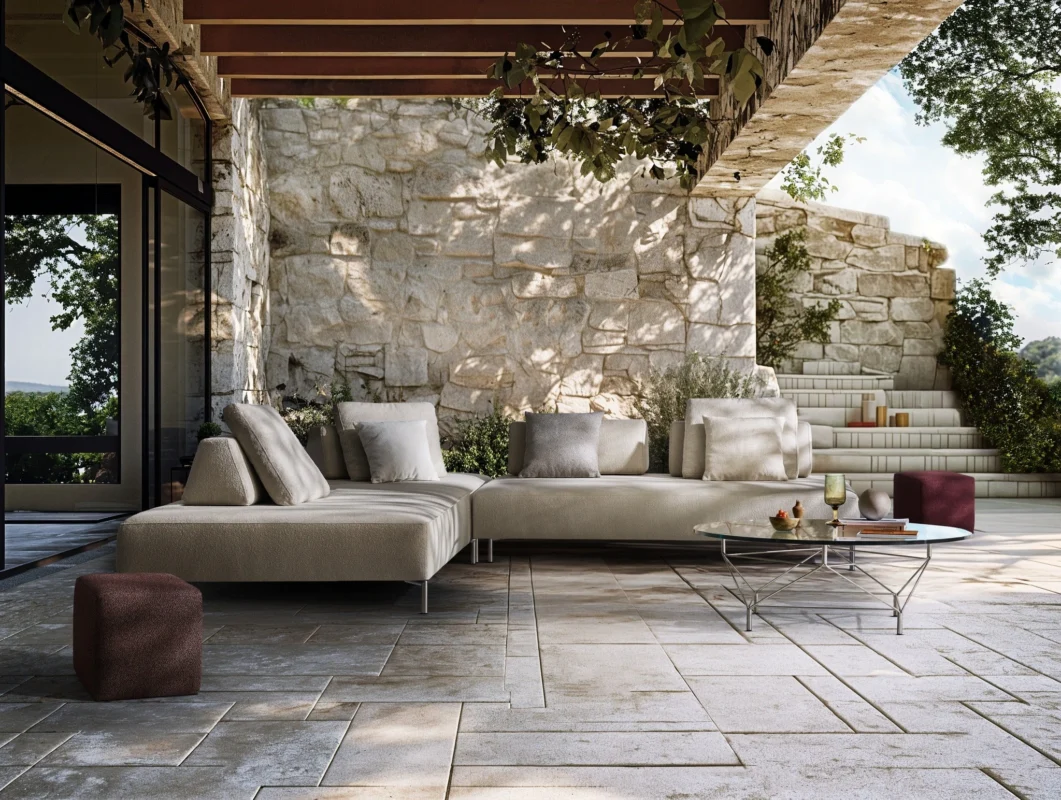
Seamless Indoor-Outdoor Transitions
The most successful outdoor spaces feel like natural extensions of the interior. Consistency in materials, color palettes, and proportions creates continuity. Large openings, sliding doors, and level thresholds further dissolve boundaries, encouraging spontaneous movement between inside and out.
Lighting as an Everyday Design Tool
Lighting is often underestimated in outdoor design, yet it plays a decisive role in how frequently a space is used. Thoughtfully layered lighting transforms outdoor areas from daytime settings into evening destinations.
Functional and Atmospheric Balance
An effective lighting strategy combines:
- Ambient lighting for overall visibility
- Task lighting for dining or work surfaces
- Accent lighting to highlight architectural or landscape features
Warm, low-glare illumination fosters intimacy and visual comfort, reinforcing habitual use after sunset.
Furniture Selection with Longevity in Mind
Designing outdoor spaces for everyday use requires furniture that balances refinement with resilience. High-quality outdoor furniture should age gracefully, developing character rather than showing wear.
Timeless Forms over Trends
While trends offer inspiration, timeless design ensures relevance over years, not seasons. Clean lines, balanced proportions, and neutral palettes provide a versatile foundation that can evolve with changing tastes or accessories.
Flexibility and Modularity
Modular seating and adaptable tables support varied uses—from solo relaxation to social gatherings—without requiring constant reconfiguration. This flexibility is essential for spaces intended for daily life rather than occasional events.
Nature as a Living Design Element
Vegetation is not merely decorative; it shapes atmosphere, acoustics, and emotional well-being. Integrating greenery into outdoor living design ideas enhances daily experience through sensory engagement.
Biophilic Principles Outdoors
Plants soften architectural lines, provide shade, and introduce seasonal variation. Whether through structured planters, vertical gardens, or natural landscaping, biophilic design reinforces a sense of calm and connection.
Low-Maintenance Planting for Everyday Living
For spaces used daily, planting schemes should prioritize resilience and ease of care. Native or climate-adapted species reduce maintenance demands while ensuring year-round visual interest.
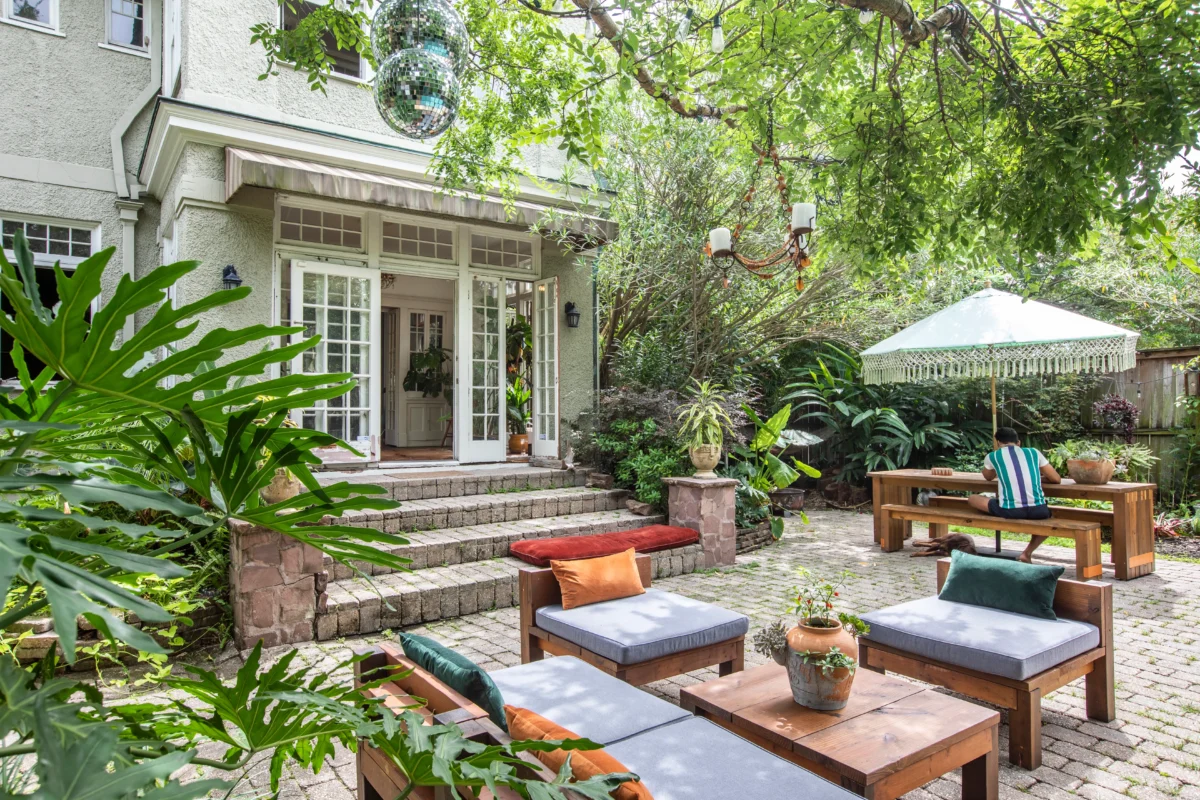
Designing for Authentic Living, Not Display
The most compelling outdoor spaces are those that feel authentic—places shaped by use rather than performance. Furniture placement that encourages conversation, surfaces that invite daily interaction, and layouts that respond to real habits all contribute to spaces that feel instinctively right.
The Future of Everyday Outdoor Living
Designing outdoor spaces you’ll use every day is both an art and a discipline. It requires sensitivity to human behavior, respect for climate, and a commitment to comfort and longevity. When outdoor environments are treated with the same rigor as interiors, they become indispensable parts of daily life.
For professionals shaping the built environment and for individuals curating their own living spaces, the message is clear: outdoor areas are no longer optional enhancements. They are essential settings for contemporary living—spaces where design, lifestyle, and nature converge with effortless elegance.