

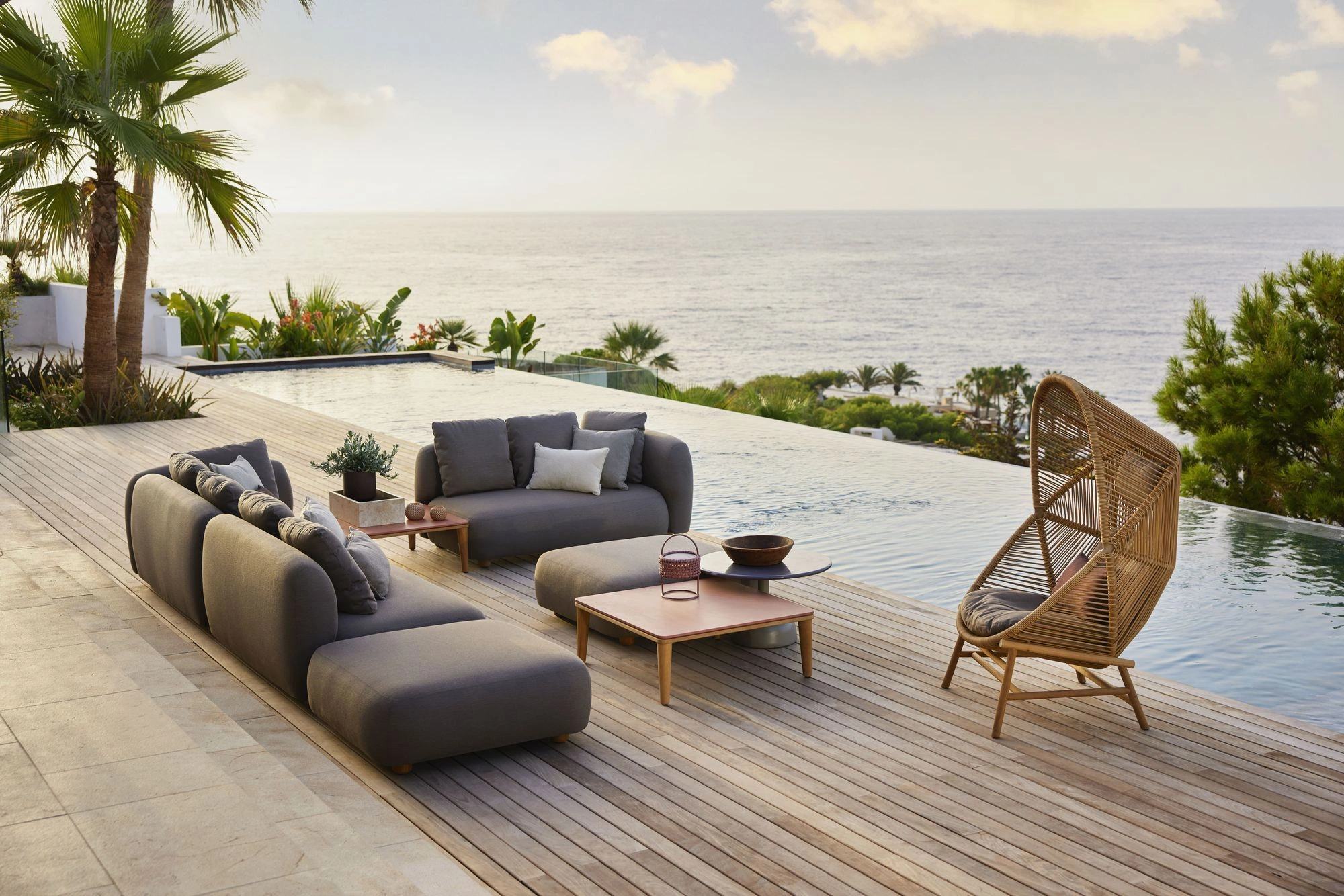
Each year, the world’s most influential design capitals set the tone for how we live, entertain, and connect with our environments. From the experimental energy of Milan to the refined elegance of Paris, global design events have become powerful cultural barometers—revealing not only aesthetic directions but also deeper lifestyle shifts. In recent editions of these fairs and exhibitions, one theme has emerged with particular clarity: the rise of sophisticated, expressive, and human-centric outdoor living.
As terraces, gardens, rooftops, and hospitality exteriors take on new importance, outdoor furniture trends are no longer an afterthought to interior design. Instead, they reflect the same level of craftsmanship, narrative, and cultural relevance traditionally reserved for interiors. For architects, designers, and discerning private clients alike, global design events now function as essential reference points for understanding the future of contemporary outdoor design.
This editorial exploration traces the most compelling luxury outdoor furniture trends observed from Milan to Paris—two cities whose design ecosystems continue to influence how outdoor spaces are imagined across residential, hospitality, and urban contexts worldwide.
Milan: Innovation, Craft, and the Outdoor Room Concept
The Evolution of Outdoor Furniture Trends at Salone del Mobile
Milan remains the undisputed epicenter of global design discourse, and the outdoor collections unveiled during Salone del Mobile and Fuorisalone confirm the city’s role as a laboratory for new ideas. Here, outdoor furniture trends are shaped by a fusion of industrial innovation, artisanal heritage, and architectural thinking.
One of the most notable developments is the continued blurring of boundaries between indoor and outdoor environments. Designers are no longer creating standalone garden pieces; instead, they are crafting cohesive systems that extend the language of interior living into open-air settings. Sofas, dining tables, and lounge chairs mirror interior proportions while integrating materials engineered for durability and performance.
Material Experimentation and Sensory Richness
Materiality was a dominant narrative throughout Milan’s outdoor presentations. Natural textures—such as stone, teak, lava rock, and woven fibers—were juxtaposed with advanced composites and powder-coated metals. This dialogue between tradition and technology defines contemporary outdoor design at its most refined.
- Weather-resistant woods treated to age gracefully rather than conceal patina
- Textiles inspired by interior upholstery, reimagined for outdoor performance
- Stone and ceramic surfaces referencing architectural facades and landscapes
Rather than prioritizing novelty for its own sake, Milanese outdoor furniture trends emphasize tactile comfort and visual calm—qualities increasingly valued by high-net-worth individuals seeking restorative environments.
Modularity as a Lifestyle Response
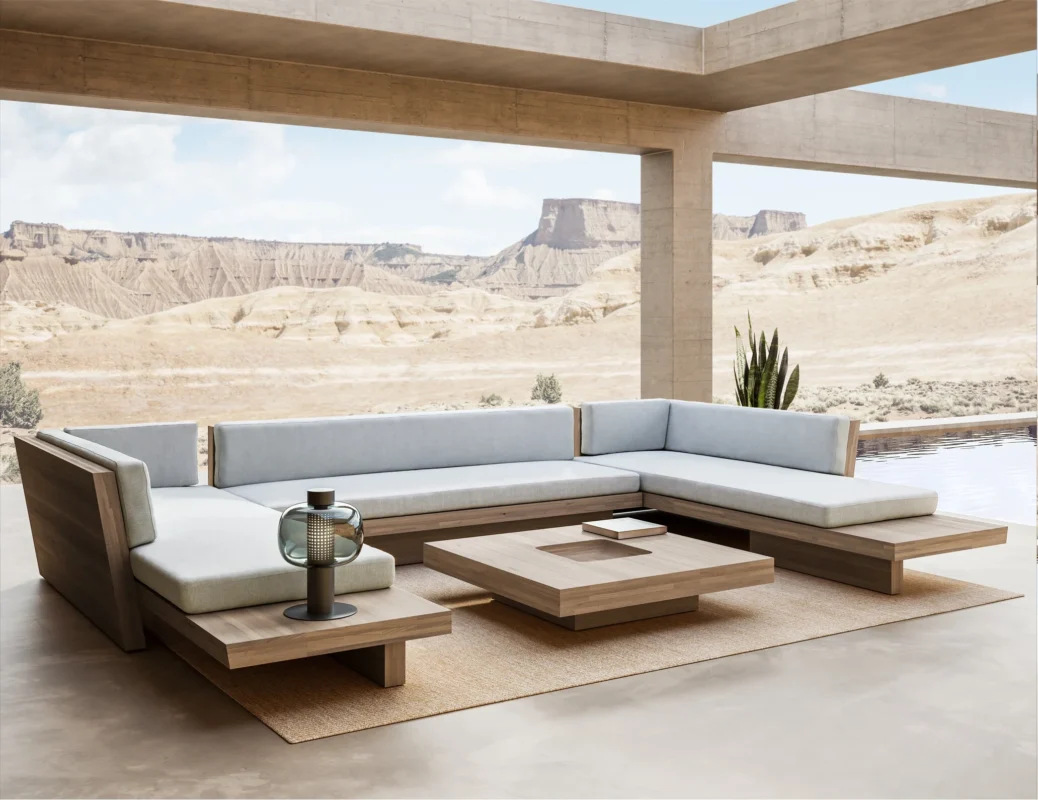
Another key takeaway from Milan is the rise of modular outdoor systems. These collections respond to the fluid nature of contemporary living, allowing spaces to adapt effortlessly to social gatherings, private relaxation, or hospitality use. This approach reflects a broader cultural shift toward flexibility and longevity in design investment.
Paris: Elegance, Heritage, and the Art of Outdoor Living
A Softer Interpretation of Contemporary Outdoor Design
While Milan leads with innovation, Paris offers a more poetic and lifestyle-driven perspective on outdoor living. At Paris Design Week and related exhibitions, outdoor furniture trends were presented within curated narratives that emphasized emotion, atmosphere, and cultural continuity.
French designers and maisons approached contemporary outdoor design with a sense of restraint. Lines were softer, palettes more nuanced, and references to historic gardens and urban terraces subtly embedded in modern forms. This balance between heritage and modernity remains a defining characteristic of Parisian design culture.
Color, Texture, and the Parisian Palette
Unlike the neutral-dominated collections seen in previous years, Paris embraced warmer and more expressive tones in luxury outdoor furniture trends. Muted terracottas, mineral greens, sand hues, and deep blues reflected both natural landscapes and classic architectural finishes.
- Textured finishes inspired by limestone, plaster, and aged metals
- Soft cushions designed to evoke interior comfort in open-air settings
- Furniture arrangements that encourage conversation and slow living
These outdoor furniture trends resonate particularly strongly with urban clients seeking refined yet informal spaces that complement city living.
Outdoor Spaces as Cultural Extensions
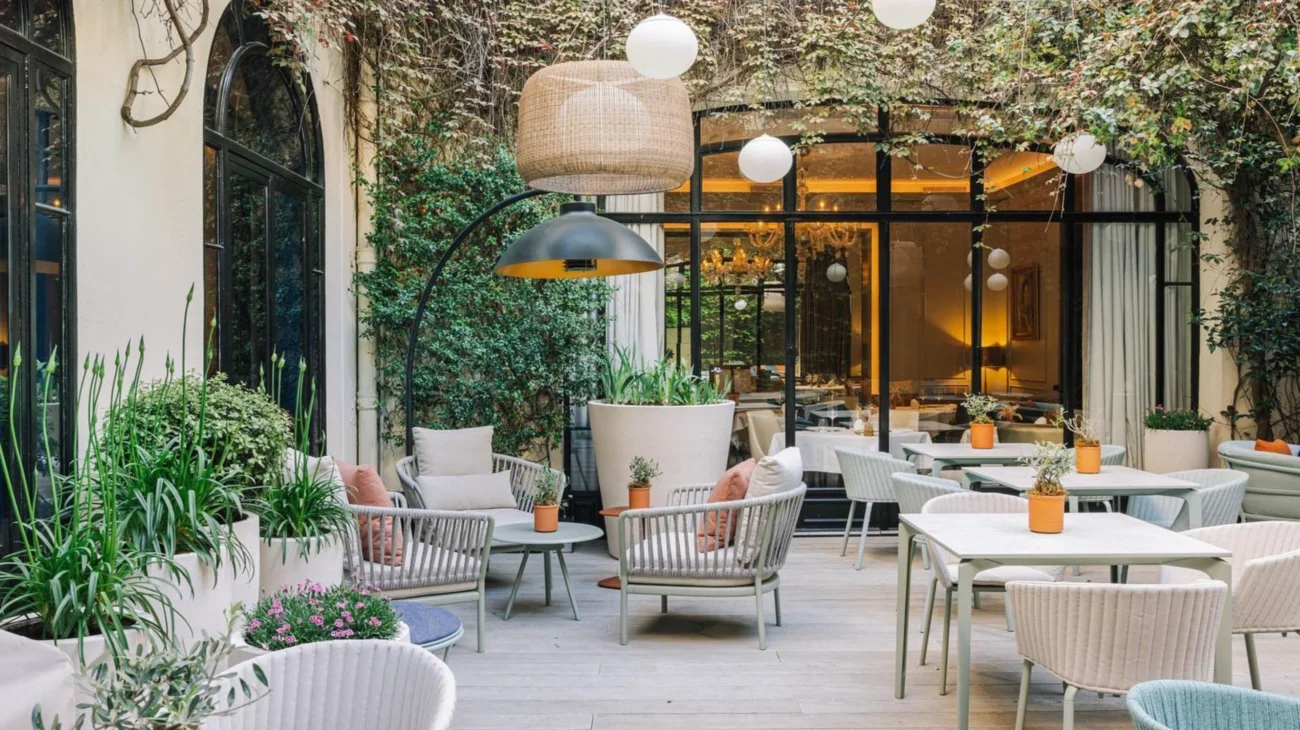
In Paris, outdoor environments are rarely treated as purely functional zones. Instead, terraces and gardens are viewed as cultural extensions of the home—places for dining, reading, entertaining, and reflection. This philosophy is increasingly influencing international approaches to luxury outdoor furniture trends, particularly in boutique hospitality and residential projects.
Shared Global Themes Across Design Capitals
Sustainability as an Unspoken Standard
Across both Milan and Paris, sustainability was present not as a marketing message but as an assumed responsibility. Designers showcased outdoor furniture trends rooted in responsible sourcing, long product lifecycles, and timeless aesthetics rather than seasonal excess.
The Rise of Hospitality-Inspired Outdoor Design
Luxury outdoor furniture trends are increasingly influenced by the hospitality sector. From private villas to residential developments, outdoor spaces now echo the ambiance of boutique hotels and curated resorts.
- Layered lighting integrated into furniture and architectural elements
- Generous seating configurations that encourage social interaction
- Materials selected for both aesthetic appeal and intensive use
This cross-pollination reflects a desire for experiential living—where outdoor spaces deliver emotional value alongside visual sophistication.
Craftsmanship as a Marker of Luxury
Whether in Milan or Paris, craftsmanship emerged as a defining marker of luxury. Hand-finished details, bespoke options, and small-batch production distinguish contemporary outdoor design from mass-market alternatives. For design professionals and collectors, these qualities signal authenticity and long-term value.
What These Outdoor Furniture Trends Mean for Global Projects
For Architects and Designers
Global design events underline the importance of integrating outdoor environments into the earliest stages of architectural planning. Outdoor furniture trends now demand the same conceptual rigor as interiors, encouraging seamless transitions and cohesive material palettes.
For Real Estate and Hospitality Developers
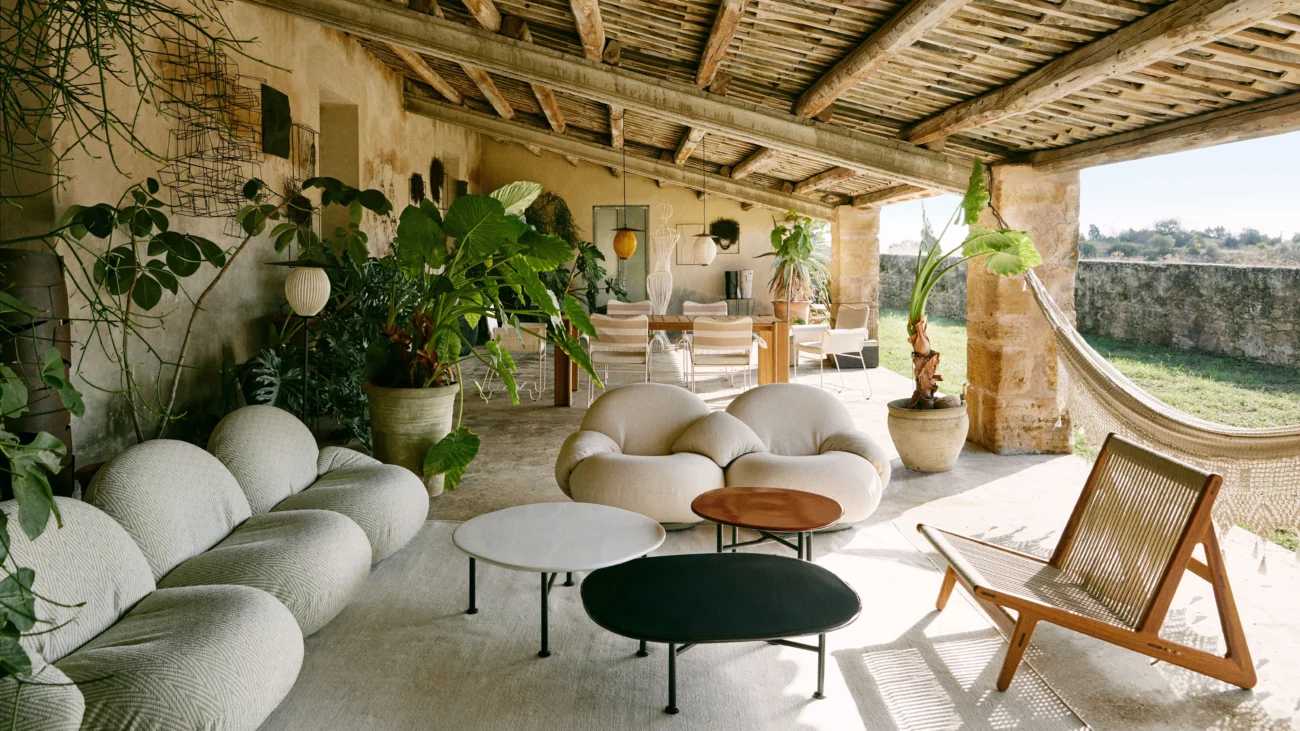
In luxury real estate, outdoor spaces have become key differentiators. Rooftop terraces, private gardens, and shared courtyards designed with high-quality outdoor furniture significantly enhance perceived value and lifestyle appeal.
For Private Clients and Collectors
For high-net-worth individuals, contemporary outdoor design represents an opportunity to invest in pieces that reflect personal taste while enhancing everyday living. The trends seen in Milan and Paris emphasize longevity, adaptability, and understated elegance—qualities aligned with discerning global lifestyles.
A New Era of Outdoor Living
From Milan’s experimental rigor to Paris’s cultural refinement, global design events reveal a clear trajectory for outdoor living. Outdoor furniture trends are no longer defined by seasonality or novelty, but by thoughtful design, material integrity, and emotional resonance.
As luxury outdoor furniture trends continue to evolve, they reflect a broader shift in how we value time, space, and connection with nature. Contemporary outdoor design, shaped by the world’s leading design capitals, invites us to see outdoor spaces not as secondary environments, but as essential expressions of modern living.
For those shaping the future of architecture, design, and lifestyle, the message from Milan to Paris is unmistakable: the outdoors has become one of the most compelling frontiers of contemporary design.