

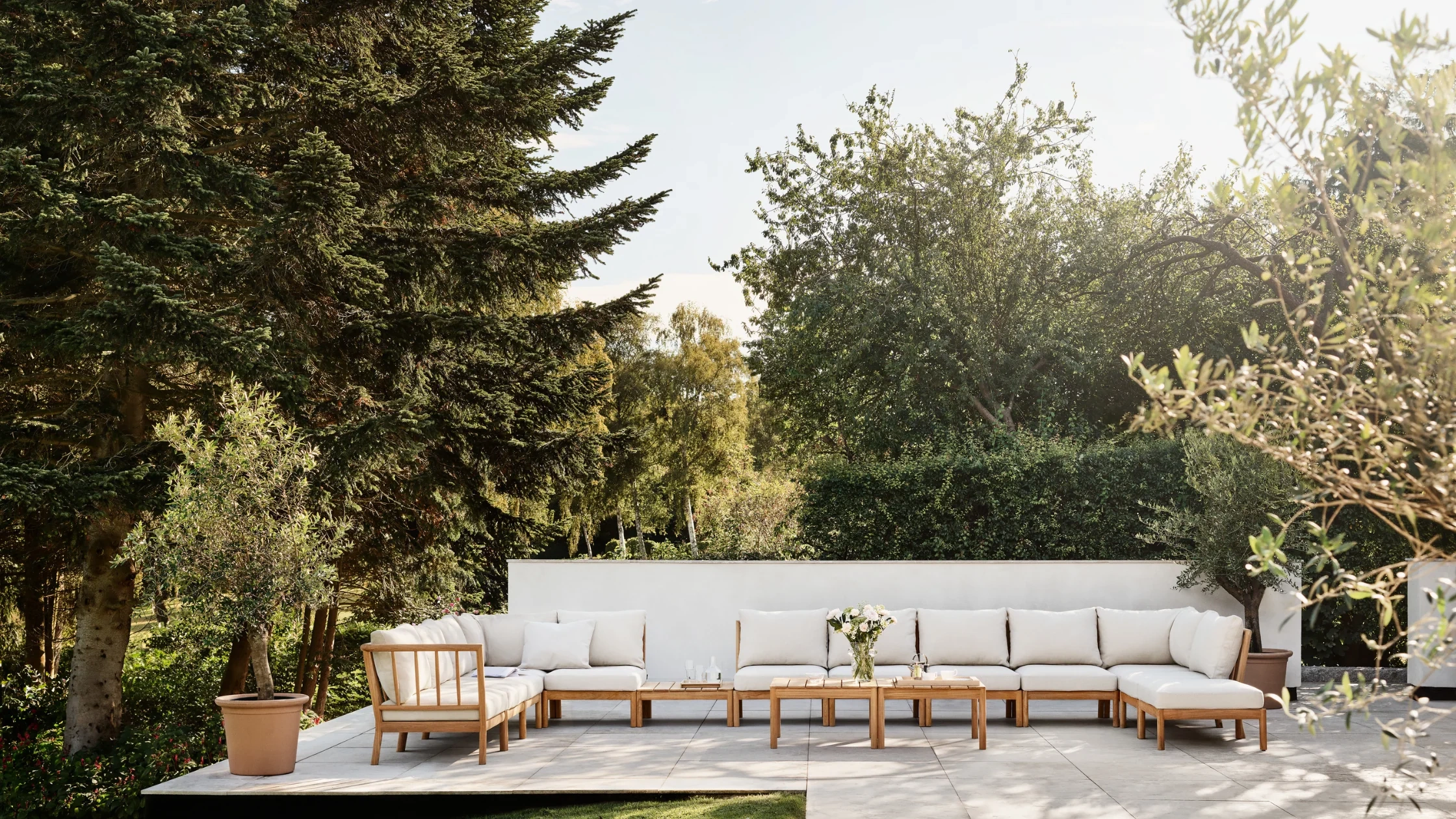
Across the world’s most coveted rooftops, penthouses, and private terraces, a quiet but decisive shift is redefining how outdoor spaces are conceived. No longer static or purely decorative, today’s terraces are designed as adaptive environments—spaces that evolve with lifestyle, season, and social rhythm. At the center of this transformation stands modular outdoor furniture, a design-led response to the growing demand for flexibility, longevity, and architectural coherence in open-air living.
From Mediterranean villas to high-rise terraces in New York, Dubai, and Hong Kong, modular outdoor sofas and reconfigurable seating systems are shaping a new language of luxury outdoor furniture. This approach aligns seamlessly with contemporary architecture and reflects a broader cultural shift toward customization, sustainability, and spatial intelligence.
The Rise of Modularity in Contemporary Outdoor Design
Modularity is not a fleeting trend—it is the logical evolution of modern design thinking. As urban density increases and outdoor square meters become more precious, outdoor furniture for terraces must perform multiple roles without sacrificing comfort or visual refinement.
Modular systems allow designers and homeowners to create tailored compositions: expansive lounge settings for entertaining, intimate configurations for private relaxation, or hybrid layouts that adapt throughout the day. This versatility has made modular outdoor furniture particularly appealing to architects and developers working on luxury residential projects where adaptability adds tangible value.
Why Modular Outdoor Furniture Resonates Globally
- Architectural flexibility that complements both minimalist and expressive design languages
- Scalability across terraces of varying sizes, from compact balconies to panoramic rooftops
- Longevity, as individual modules can be replaced, updated, or reconfigured over time
- Personal expression, enabling bespoke layouts without custom manufacturing
Modular Outdoor Sofas as Spatial Architecture
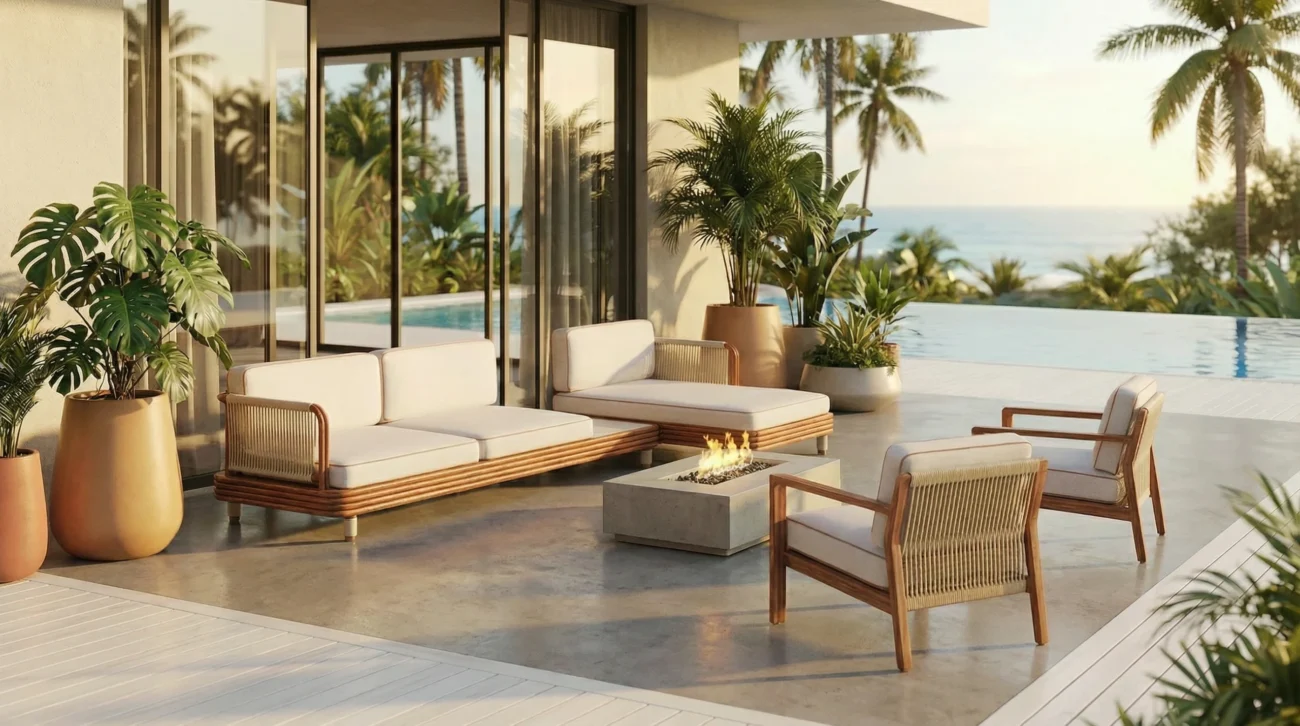
In high-end outdoor environments, furniture increasingly acts as a form of soft architecture. Modular outdoor sofas define zones, guide circulation, and establish visual balance—often without the need for permanent structures.
Low-profile seating modules, corner elements, chaise extensions, and integrated side tables can be assembled to mirror the geometry of the terrace itself. This architectural quality is especially relevant in contemporary residential design, where seamless indoor-outdoor continuity is a defining principle.
Design Characteristics of High-End Modular Seating
- Clean, proportioned silhouettes that echo modern architectural lines
- Deep seating designed for extended comfort rather than formal posture
- Neutral, sun-resistant palettes inspired by natural landscapes
- Precision detailing that reflects craftsmanship rather than ornamentation
Such characteristics ensure that contemporary outdoor seating feels intentional, timeless, and globally relevant—qualities valued by discerning clients and design professionals alike.
Luxury Outdoor Furniture and the Culture of Custom Living
The appeal of modular outdoor furniture extends beyond aesthetics. It aligns with a cultural movement toward curated living, where spaces are designed to respond intuitively to personal habits and social rituals.
In luxury real estate, terraces are no longer secondary amenities; they are extensions of the home’s identity. Developers increasingly specify luxury outdoor furniture systems that offer residents the freedom to adapt layouts without compromising visual harmony across the property.
Modularity as a Value Driver in High-End Real Estate
For property developers and investors, modular outdoor solutions offer measurable advantages:
- Enhanced perceived value of outdoor square footage
- Greater appeal to international buyers with diverse lifestyles
- Reduced long-term maintenance through replaceable components
- Future-proof design that adapts to evolving trends
This flexibility resonates particularly with global homeowners who divide their time between multiple residences and expect outdoor spaces to accommodate everything from quiet mornings to sophisticated entertaining.
Material Innovation and Outdoor Performance
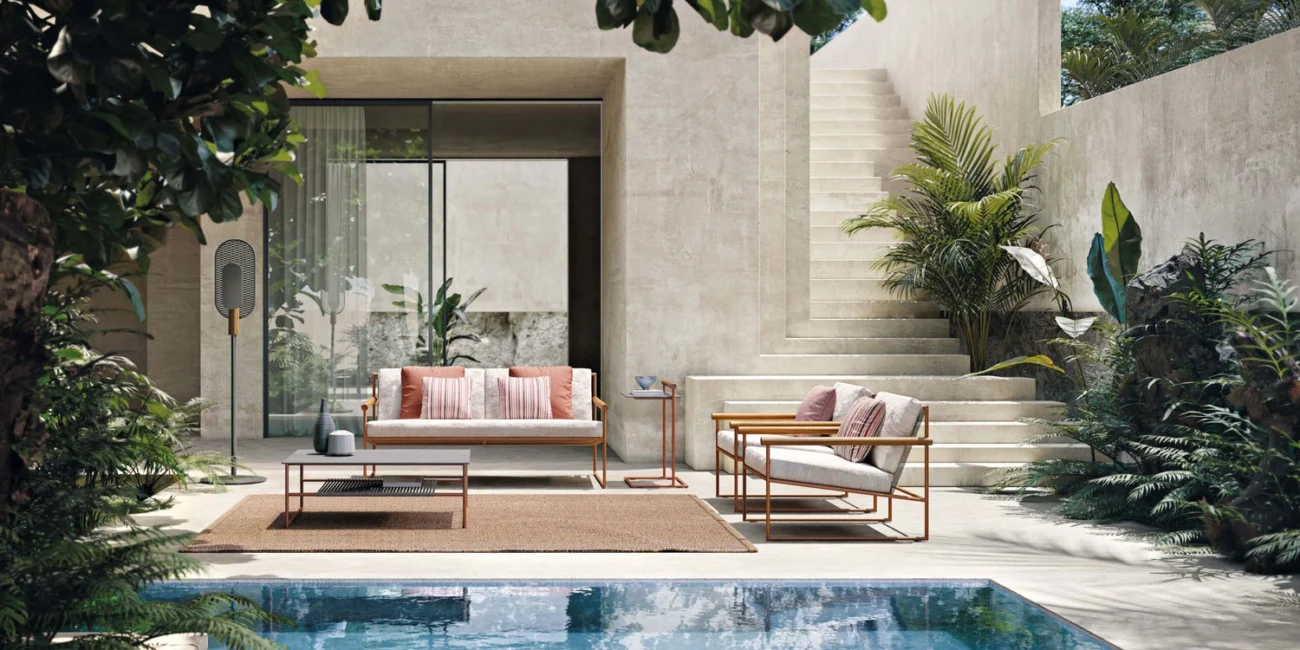
Designing modular systems for outdoor environments requires a nuanced understanding of materials, climate, and performance. Today’s leading collections combine advanced technology with tactile elegance, ensuring durability without visual heaviness.
High-performance aluminum frames, marine-grade fabrics, and weather-resistant cushioning are now standard in premium outdoor furniture for terraces. These materials allow modular pieces to remain lightweight yet structurally robust—essential for reconfiguration and longevity.
Sustainability and Responsible Design
Modularity also supports more responsible consumption. Instead of replacing entire furniture sets, individual elements can be updated or repaired, extending the lifecycle of each piece. This approach reflects growing environmental awareness within the luxury sector.
According to the Architectural Digest, adaptable furniture systems are increasingly viewed as a sustainable alternative to disposable design, particularly in high-end residential projects where longevity is paramount.
Outdoor Furniture for Terraces Across Global Contexts
One of the defining strengths of modular outdoor furniture is its ability to transcend geography. Whether overlooking the Mediterranean, the Pacific, or an urban skyline, modular systems adapt effortlessly to diverse climates and cultural contexts.
Mediterranean Terraces
In Southern Europe, modular seating often emphasizes openness, lightness, and natural textures. Configurations are designed to frame views, encourage long lunches, and foster social interaction under open skies.
Urban Rooftops
In dense cities, contemporary outdoor seating must maximize comfort within limited space. Modular layouts allow for efficient zoning—lounging, dining, and relaxation—without visual clutter.
Resort and Hospitality Environments
Luxury hotels and private resorts increasingly rely on modular outdoor furniture to accommodate changing guest flows, events, and seasonal layouts. The ability to reconfigure spaces quickly without compromising design integrity is a key operational advantage.
Designing with Modularity: A Professional Perspective
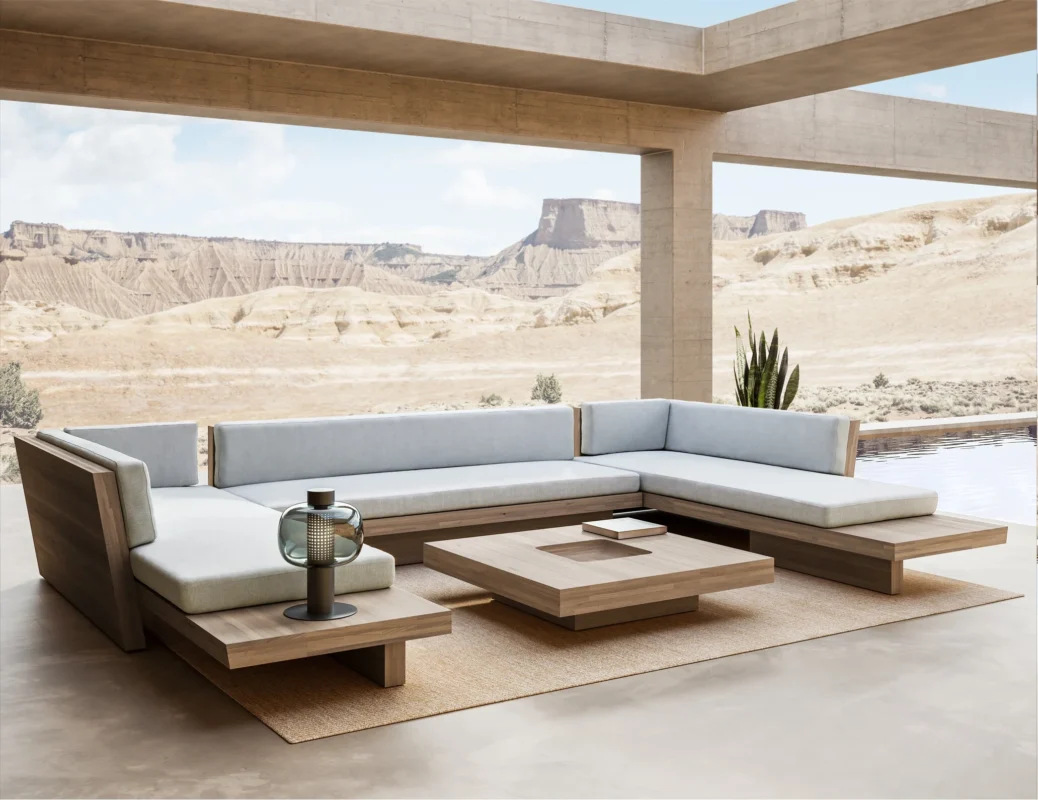
For architects and designers, modular outdoor furniture offers a rare combination of creative freedom and technical reliability. It enables cohesive outdoor compositions while leaving room for personalization and future adaptation.
Best Practices for Integrating Modular Outdoor Sofas
- Align module dimensions with architectural grids and sightlines
- Balance openness and enclosure to support multiple uses
- Choose materials that age gracefully in the intended climate
- Plan for reconfiguration without disrupting circulation
When approached thoughtfully, modular outdoor furniture becomes an integral part of the design narrative rather than a standalone element.
The Future of Contemporary Outdoor Seating
As lifestyles continue to blur the boundaries between indoor and outdoor living, modular systems will play an increasingly central role in shaping how terraces are experienced. The future of luxury outdoor furniture lies not in excess, but in intelligent design—pieces that respond fluidly to space, climate, and human interaction.
In this context, modular outdoor furniture is more than a trend. It represents a shift toward adaptive luxury, where comfort, beauty, and flexibility coexist. For those shaping the world’s most refined terraces, it offers a design language that is both timeless and unmistakably contemporary.
Modular outdoor sofas and thoughtfully designed systems are redefining outdoor living—transforming terraces into living landscapes that evolve with the people who inhabit them.