

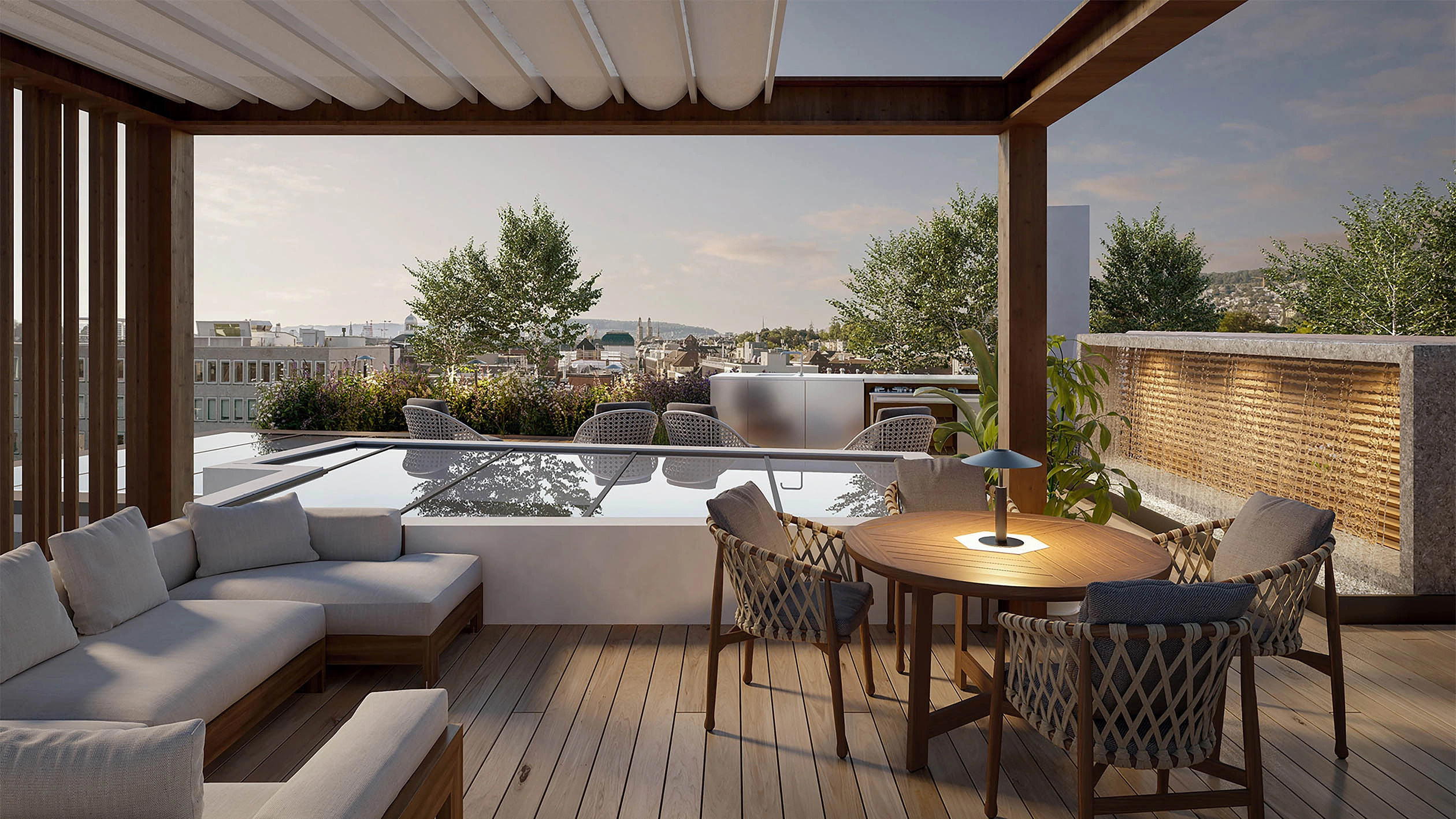
In the evolving landscape of luxury outdoor furniture, flexibility has become as essential as form. Architects and designers working on high-end residences, boutique hotels, yachts, and branded developments increasingly seek outdoor seating solutions that respond to spatial fluidity, guest flow, and lifestyle versatility. Two formats dominate this conversation: stackable outdoor chairs and modular outdoor seating.
Both offer adaptability. Both promise efficiency. Yet in luxury projects—where aesthetics, comfort, and experiential value outweigh simple functionality—the decision is rarely straightforward.
This article explores the strategic advantages and limitations of stackable and modular systems, helping design professionals determine which configuration elevates their vision while preserving operational intelligence.
Understanding the Two Approaches
What Defines Stackable Outdoor Chairs?
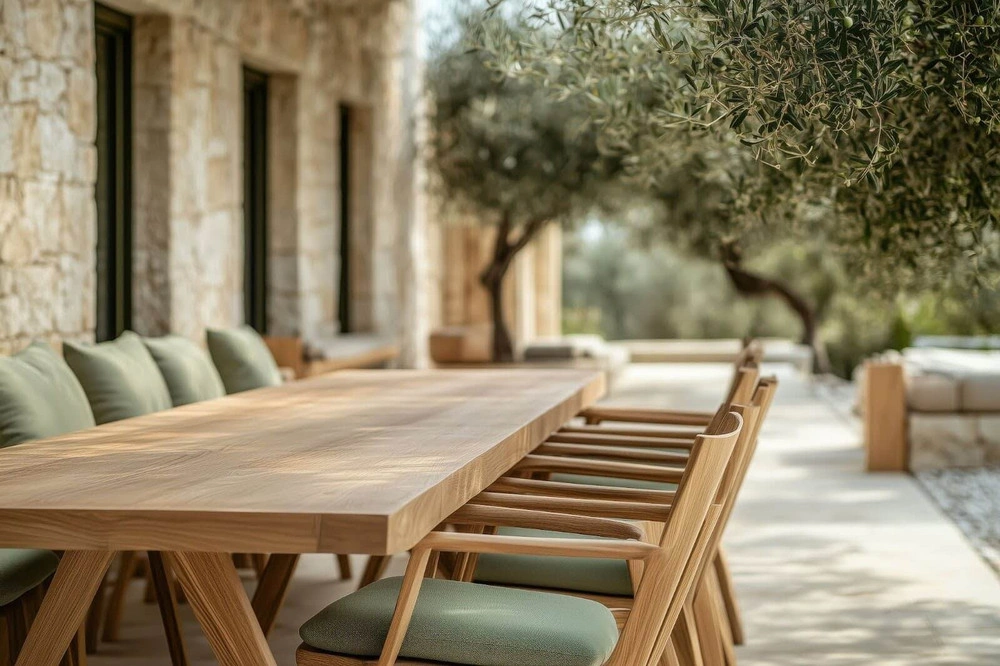
Stackable outdoor chairs are designed for vertical storage. Their engineering allows multiple chairs to be stacked securely, minimizing footprint when not in use. Traditionally associated with hospitality terraces and event spaces, today’s high-end iterations are crafted in refined materials—powder-coated aluminum, teak, marine-grade stainless steel, performance rope—bringing sculptural presence to a highly practical format.
Their primary strengths include:
- Ease of storage
- Rapid spatial reconfiguration
- Operational efficiency for hospitality staff
- Clear, uncluttered aesthetics
What Is Modular Outdoor Seating?
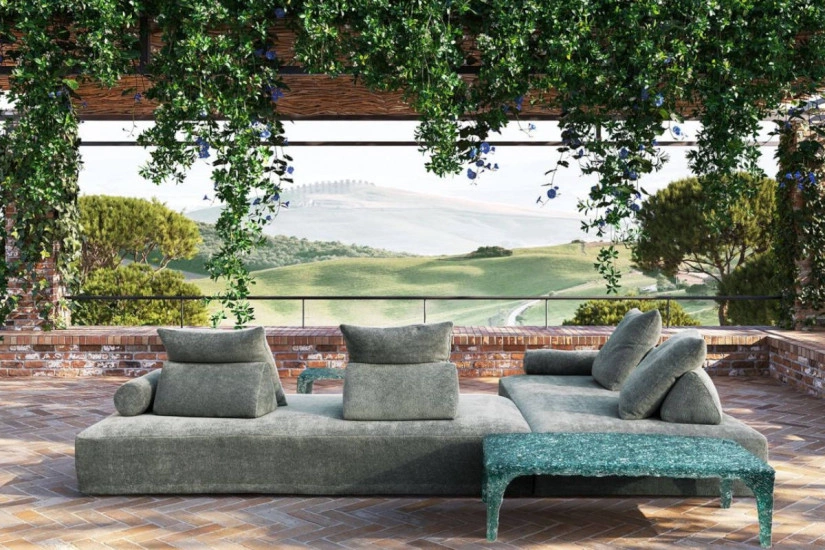
Modular outdoor seating consists of independent units—corner pieces, armless seats, chaises, ottomans—that connect to create customized arrangements. This system supports everything from linear sofas to expansive lounge islands.
In luxury contexts, modularity embodies architectural thinking: flexibility without sacrificing design coherence. As spatial expectations shift toward indoor–outdoor continuity, these systems increasingly anchor high-end terraces, rooftop lounges, and waterfront villas.
The Luxury Context: Why the Choice Matters
In premium projects, seating is not merely functional—it shapes experience, perception, and value. According to the ArchDaily discourse on spatial flexibility in contemporary architecture, adaptability is no longer a secondary feature but a core design principle. Outdoor spaces follow this same trajectory.
Choosing between stackable outdoor chairs and modular outdoor seating influences:
- Guest interaction patterns
- Visual weight and spatial rhythm
- Maintenance protocols
- Long-term design relevance
- Return on investment in luxury developments
Design Impact: Visual Language and Spatial Identity
Stackable Outdoor Chairs: Lightness and Precision
For projects prioritizing architectural clarity, stackable outdoor chairs provide a disciplined aesthetic. Their typically slimmer profiles create visual permeability, allowing landscaping, water features, or horizon views to dominate.
In contemporary villas or rooftop restaurants where negative space is intentional, stackable seating reinforces minimalism. When not in use, the chairs disappear efficiently—an advantage in spaces that host events or seasonal transitions.
However, the linear arrangement typical of stackable configurations may limit lounge intimacy unless complemented by additional soft furnishings.
Modular Outdoor Seating: Sculptural Presence
Modular outdoor seating introduces volume and softness. In luxury outdoor furniture collections, modules are often generous in proportion, upholstered in performance fabrics with plush cushioning that rivals interior seating.
Designers favor modular compositions when aiming to:
- Create immersive lounge environments
- Define zones within expansive terraces
- Encourage social clustering
- Mirror interior living room layouts outdoors
Visually, modular systems anchor space. They communicate permanence and investment—qualities aligned with high-net-worth residential projects and five-star hospitality environments.
Functionality and Operational Intelligence
Where Stackable Outdoor Chairs Excel
In hospitality-driven projects—beach clubs, event terraces, private members’ clubs—operational agility is critical. Stackable outdoor chairs allow rapid reconfiguration for weddings, product launches, or seasonal dining layouts.
Key operational benefits include:
- Quick storage during adverse weather
- Efficient cleaning and maintenance
- Scalable seating capacity
- Reduced storage footprint
For developments balancing aesthetics with high turnover, stackable formats remain an intelligent component within broader outdoor seating solutions.
The Functional Depth of Modular Outdoor Seating
Modular outdoor seating offers adaptability of a different nature. Instead of disappearing, it transforms. Sections can be rearranged to accommodate intimate evenings, larger gatherings, or quiet retreat zones.
In luxury residential projects, this flexibility aligns with lifestyle fluidity:
- Morning sun lounges transform into evening conversation pits.
- Family gatherings evolve into formal entertaining layouts.
- Private terraces adapt across seasons.
While modules are not designed for frequent stacking or removal, their reconfiguration capacity makes them ideal for permanent yet versatile environments.
Comfort Expectations in High-End Projects
In luxury contexts, comfort is non-negotiable. Here, modular outdoor seating often holds a perceptual advantage. Deeper seats, integrated corner units, and plush cushions encourage extended lounging—aligning with contemporary outdoor living trends where terraces function as true extensions of interior spaces.
That said, modern stackable outdoor chairs have evolved significantly. Ergonomic shaping, breathable mesh, and integrated armrests have elevated their comfort profile beyond purely utilitarian origins.
The distinction ultimately lies in duration:
- Short-to-medium seating durations: Stackable outdoor chairs perform exceptionally.
- Extended lounging experiences: Modular outdoor seating prevails.
Materiality and Craftsmanship
Both formats can embody premium craftsmanship when specified correctly. The difference lies in structural complexity.
Stackable Outdoor Chairs
Require precise engineering to ensure structural integrity when stacked. High-end models incorporate:
- Corrosion-resistant metals
- UV-stabilized finishes
- Marine-grade hardware
- Advanced powder-coating systems
Modular Outdoor Seating
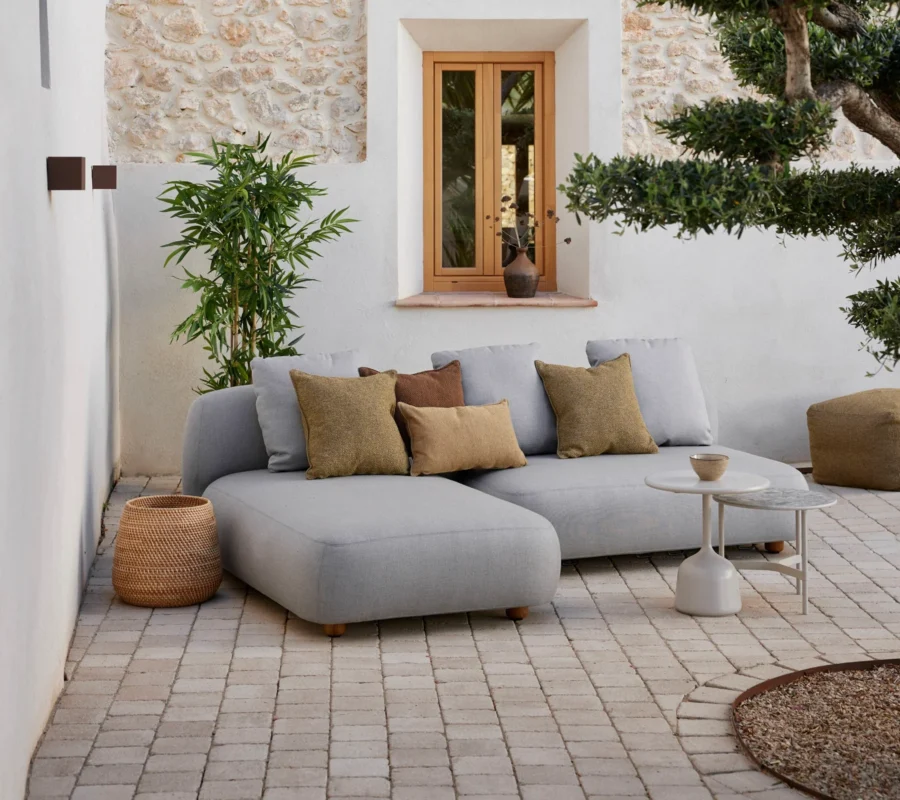
Demands robust internal framing and advanced outdoor upholstery technology. Performance fabrics, quick-dry foam, and concealed connectors are essential in maintaining longevity while preserving design purity.
In both cases, the quality threshold defines whether the product qualifies as true luxury outdoor furniture rather than commercial-grade furnishings.
Spatial Typologies: Matching Seating to Project Type
High-End Residential Villas
For private villas overlooking the Mediterranean or contemporary estates in coastal California, modular outdoor seating often forms the foundation of terrace design. Its architectural scale complements infinity pools and panoramic vistas.
Stackable outdoor chairs may serve as auxiliary dining or occasional seating.
Boutique Hotels and Resorts
A hybrid approach is frequently optimal. Lounge zones benefit from modular outdoor seating, while dining terraces rely on stackable outdoor chairs for operational flexibility.
Yachts and Superyachts
Space constraints introduce unique challenges. Here, lightweight stackable outdoor chairs offer practical storage advantages, though custom modular outdoor seating can be engineered for fixed deck lounges.
Urban Rooftop Developments
Wind exposure, storage limitations, and event programming often make stackable formats advantageous. Yet high-end penthouses typically prioritize modular compositions for private terraces.
Investment Perspective: Longevity and Value
From a real estate standpoint, outdoor environments significantly influence perceived property value. Well-designed outdoor seating solutions enhance lifestyle imagery in marketing materials and property viewings.
Modular outdoor seating communicates permanence and curated living. Stackable outdoor chairs signal adaptability and practicality. Both contribute to value—but in different narratives.
Developers should consider:
- Target demographic lifestyle expectations
- Maintenance budgets
- Seasonality of use
- Operational staffing levels
Sustainability and Responsible Design
In contemporary luxury, sustainability is inseparable from design excellence. High-quality modular outdoor seating often emphasizes longevity—reducing replacement cycles and waste. Replaceable cushion covers and modular components extend product life.
Similarly, stackable outdoor chairs manufactured with recyclable metals and durable finishes minimize environmental impact when responsibly sourced.
The true sustainability measure lies in durability and timeless aesthetics—ensuring that luxury outdoor furniture remains relevant for decades rather than seasons.
Answering the Core Question: What Works Better?
When to Choose Stackable Outdoor Chairs
- Event-driven hospitality environments
- Spaces requiring frequent layout changes
- Projects with limited storage capacity
- Architectural concepts prioritizing visual lightness
When to Choose Modular Outdoor Seating
- High-end residential terraces
- Luxury resort lounges
- Projects emphasizing experiential living
- Designs that blur indoor and outdoor boundaries
The Most Sophisticated Approach: Integration
In many luxury projects, the most intelligent solution is not binary. A layered strategy—combining modular outdoor seating for lounge zones and stackable outdoor chairs for dining or overflow—delivers both experiential richness and operational agility.
This integrated methodology reflects contemporary architectural thinking: flexibility without compromise.
The Takeaway
The debate between modular outdoor seating and stackable outdoor chairs is not about superiority but alignment. Each responds to distinct spatial, operational, and experiential objectives.
In luxury outdoor furniture design, success lies in intentional specification. Professionals who evaluate user behavior, architectural narrative, and long-term value will identify the appropriate configuration—or combination—to elevate their projects.
Ultimately, exceptional outdoor seating solutions are those that enhance atmosphere, support lifestyle fluidity, and endure beyond fleeting trends. In a world where outdoor spaces have become extensions of identity and culture, seating is no longer secondary—it is foundational.