

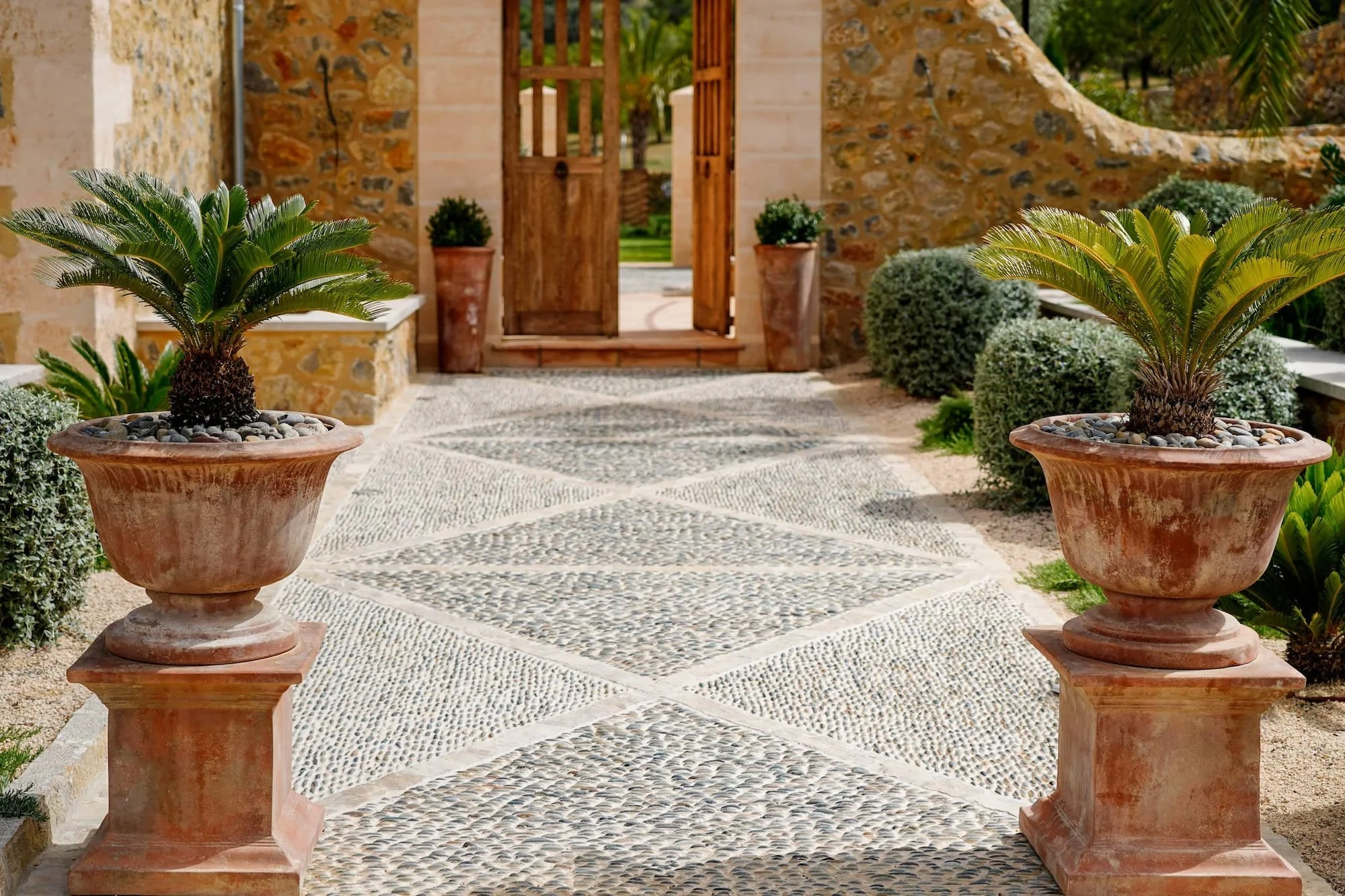
The Mediterranean basin has long been a crucible of artistic exchange, where clay, earth, and fire have shaped not only vessels, but entire cultural identities. Today, this heritage is experiencing a compelling renaissance. The Ceramic Revival is redefining how designers and homeowners approach ceramic outdoor decor, drawing deeply from centuries of artisanal knowledge and reinterpreting it for contemporary terraces, courtyards, and coastal villas.
From Andalusian patios to Greek island verandas and Italian masserie, Mediterranean design inspiration is influencing a new generation of outdoor environments that value tactility, craftsmanship, and authenticity. For architects, landscape designers, and collectors of refined living, handcrafted ceramics are no longer decorative afterthoughts—they are central design statements that anchor space, narrate history, and cultivate atmosphere.
The Mediterranean Legacy: Clay as Cultural Memory
Across Spain, Italy, Greece, Morocco, and southern France, ceramics have historically defined domestic and civic architecture. Terracotta amphorae once stored olive oil and wine; glazed tiles adorned palaces and riads; earthenware pots lined courtyards, cooling the air and framing lush greenery.
Institutions such as the Victoria and Albert Museum trace the evolution of ceramics as both functional craft and fine art, underscoring their enduring relevance in global design culture. What distinguishes the Mediterranean tradition is its integration into daily life—ceramics were never merely ornamental, but deeply practical, sustainable, and expressive of place.
Today’s resurgence of ceramic outdoor decor echoes this philosophy. Rather than replicating historic motifs, contemporary designers reinterpret traditional forms—oversized urns, textured planters, mosaic-tiled surfaces—through a modern lens of proportion, minimalism, and material innovation.
Why Ceramic Outdoor Décor Resonates Today
1. Material Authenticity in an Age of Artifice
In an era dominated by synthetics and composites, the return to clay represents a broader cultural shift toward authenticity. Handcrafted ceramics embody subtle irregularities, nuanced glazing, and the imprint of the maker’s hand—qualities increasingly prized in luxury environments.
For high-net-worth homeowners and design professionals, ceramic outdoor decor offers:
- Natural thermal properties suited to warm climates
- Longevity and resistance when properly fired
- Patina development that enhances character over time
- A direct connection to regional heritage
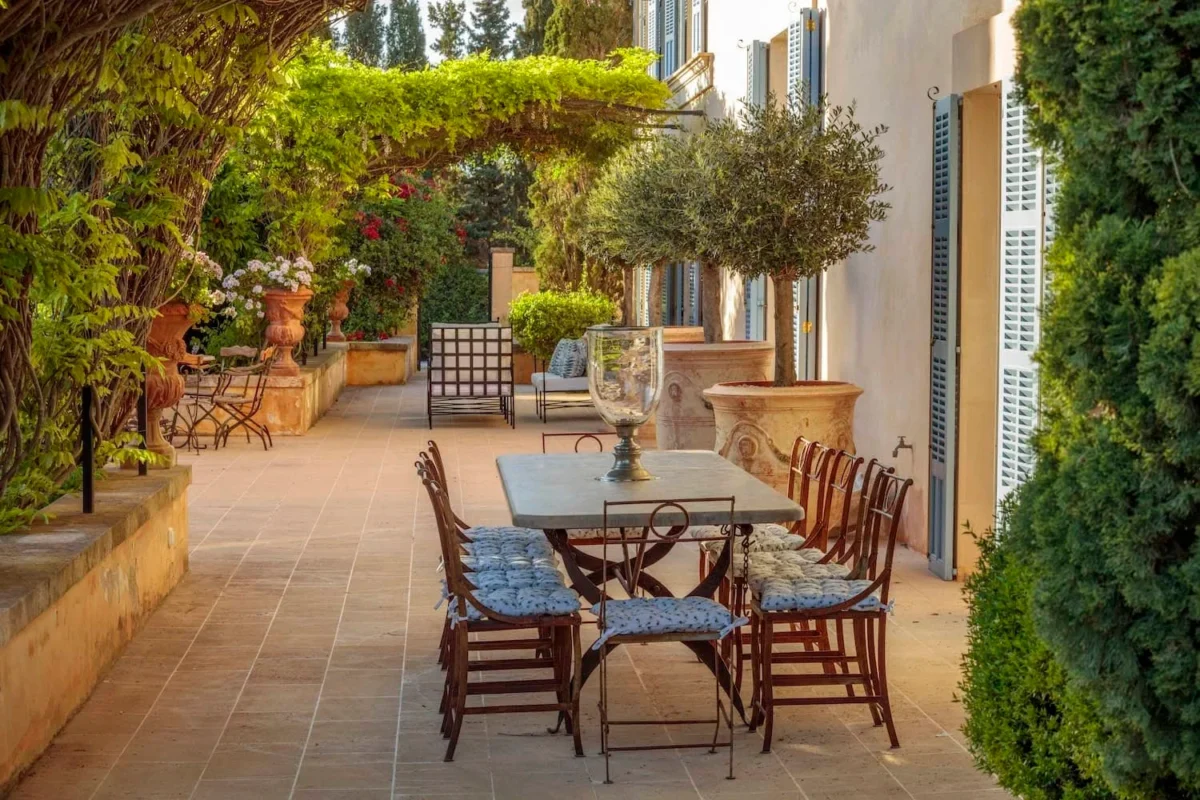
2. Mediterranean Design Inspiration for Contemporary Spaces
The Mediterranean aesthetic is not a trend—it is a timeless language of light, texture, and proportion. Mediterranean design inspiration translates seamlessly into modern outdoor settings, particularly in coastal and warm-weather properties where indoor-outdoor living is essential.
Contemporary applications include:
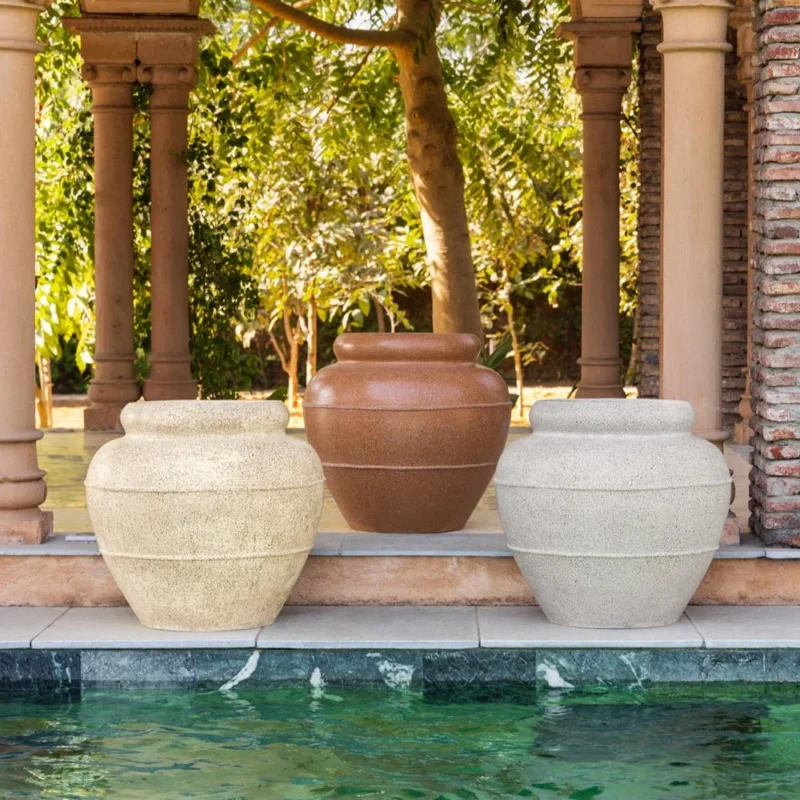
- Monumental ceramic planters framing infinity pools
- Hand-glazed tile tables paired with minimalist seating
- Sculptural vessels used as focal points in landscaped gardens
- Earth-toned ceramics complementing travertine and limestone terraces
The interplay between raw clay textures and sleek architectural lines creates a balanced dialogue between past and present.
The Craft Behind the Revival
Handcrafted Ceramics: Process and Precision
True handcrafted ceramics demand technical mastery. Clay selection, wheel throwing or hand-building, controlled drying, glazing, and kiln firing all require precision. Mediterranean artisans often use region-specific clays rich in iron, resulting in warm terracotta hues that resonate with the surrounding landscape.
High-temperature firing techniques now allow ceramic outdoor decor to meet the performance expectations of luxury developments—resisting frost, UV exposure, and salt-laden coastal air.
Artisanal Techniques Influencing Modern Design
- Engobes and textured slips for matte, mineral finishes
- Hand-painted motifs reinterpreted in monochrome palettes
- Raku and experimental glazing for expressive surface variation
- Large-format kiln firing enabling architectural-scale pieces
For designers specifying outdoor environments, understanding these processes enhances material selection and ensures that ceramic outdoor decor performs as beautifully as it appears.
Ceramics as Architectural Elements
Beyond Accessories: Structural and Spatial Impact
One of the defining aspects of the Ceramic Revival is the elevation of ceramics from accessory to architectural component. Inspired by Mediterranean design inspiration, designers are incorporating ceramics into built structures, including:
- Outdoor kitchen cladding
- Feature walls with artisanal tiles
- Custom ceramic water features
- Integrated seating elements with tiled surfaces
These interventions create continuity between landscape and architecture. Handcrafted ceramics provide tactile contrast against concrete, steel, and glass—softening modernist geometries with warmth and depth.
The Role of Color: Earth, Sea, and Sky
Mediterranean palettes draw directly from nature: sun-baked clay, olive groves, cobalt seas, and limestone cliffs. Ceramic outdoor decor inspired by this chromatic heritage introduces emotional resonance into exterior spaces.
Key Tones Defining the Revival
- Terracotta and burnt sienna for grounding warmth
- Chalky whites and creams reflecting intense sunlight
- Deep indigo and cobalt evoking coastal horizons
- Sage and olive greens blending with landscape planting
When thoughtfully curated, these tones create layered environments that feel both curated and organic. Mediterranean design inspiration thus becomes a framework for color strategy, not mere decoration.
Sustainability and Slow Luxury
Environmental awareness is reshaping the luxury market. The renewed interest in handcrafted ceramics aligns with principles of slow design and responsible sourcing.
Why Ceramics Support Sustainable Outdoor Design
- Natural, abundant raw materials
- Longevity reducing replacement cycles
- Local production supporting regional economies
- Recyclability and minimal chemical processing
For real estate developers and hospitality projects seeking ESG alignment, ceramic outdoor decor offers a compelling alternative to mass-produced, petroleum-based materials. Moreover, its durability ensures that aesthetic investment translates into long-term value.
Integrating Ceramic Outdoor Décor in Luxury Projects
Private Villas and Coastal Residences
In high-end residential architecture, Mediterranean design inspiration often informs courtyard layouts and poolside terraces. Large-scale ceramic outdoor decor—from amphora-style planters to sculptural fire bowls—serves as spatial punctuation, guiding movement and framing views.
Hospitality and Boutique Hotels
Luxury hospitality increasingly relies on narrative-driven design. Handcrafted ceramics communicate authenticity and cultural specificity, enhancing guest experience. Whether through custom tile installations or curated ceramic collections in open-air lounges, these elements reinforce a sense of place.
Urban Rooftops and Contemporary Penthouses
Even in metropolitan contexts, ceramic outdoor decor introduces Mediterranean warmth to minimalist rooftop gardens. The juxtaposition of clay vessels against skyline panoramas creates a dialogue between urban modernity and timeless craft.
Design Guidelines for Specifying Ceramic Outdoor Décor
1. Scale with Intention
Oversized pieces often deliver greater impact than multiple small objects. Consider sightlines, architectural rhythm, and landscape proportions when selecting handcrafted ceramics.
2. Embrace Imperfection
Subtle glaze variations and asymmetry are hallmarks of authenticity. These nuances reinforce the artisanal narrative central to Mediterranean design inspiration.
3. Layer Textures
Combine smooth glazed finishes with raw terracotta or stone to create visual depth. Effective ceramic outdoor decor is rarely monochromatic in texture.
4. Prioritize Quality and Provenance
Collaborate with reputable artisans and workshops. Documented firing methods and material sourcing ensure that handcrafted ceramics meet performance standards for outdoor exposure.
The Emotional Dimension of Clay
Beyond aesthetics and performance, ceramics possess an emotional resonance. Clay is elemental—formed from earth, transformed by fire, cooled by air, and often shaped near water. This elemental narrative mirrors the Mediterranean landscape itself.
When integrated thoughtfully, ceramic outdoor decor fosters sensory richness: the warmth of sun-heated terracotta, the cool touch of glazed tile at dusk, the sound of water flowing over ceramic surfaces. These experiential qualities elevate outdoor living from functional to poetic.
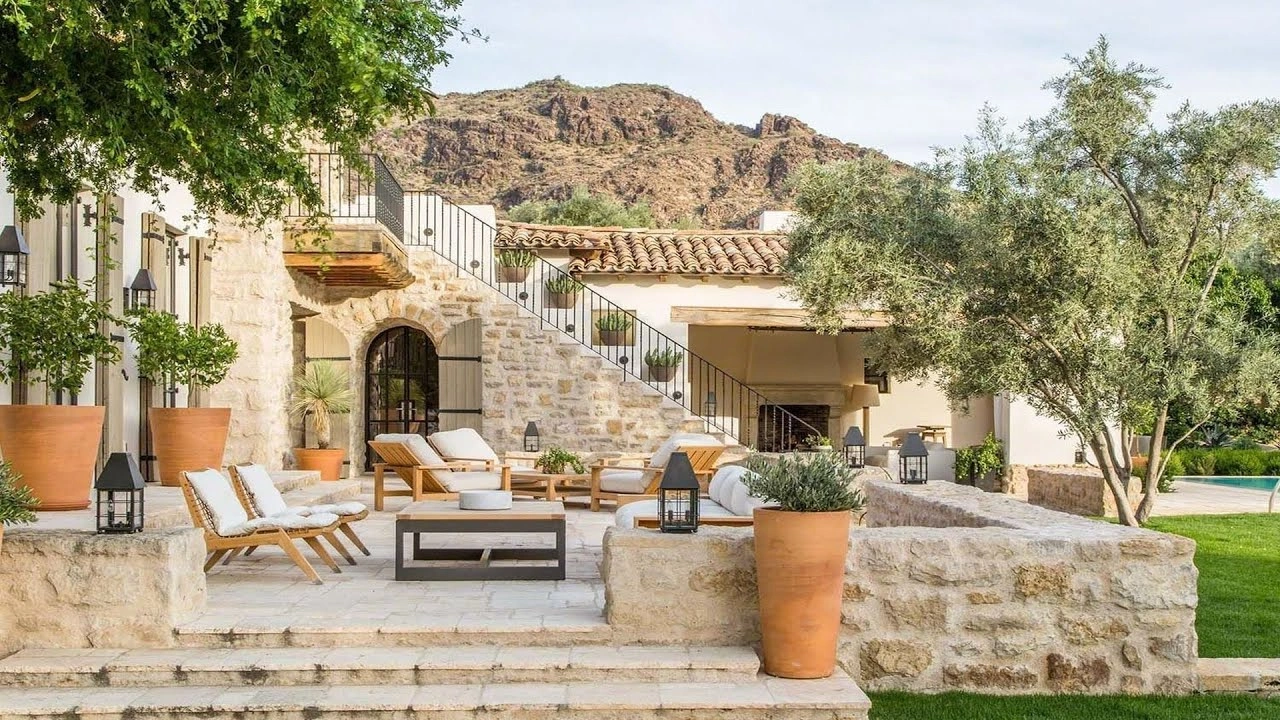
The Future of the Ceramic Revival
As global design continues to seek authenticity and sustainability, the influence of Mediterranean design inspiration will likely intensify. Technological advancements—such as improved kiln efficiency and innovative glazes—are expanding possibilities for handcrafted ceramics without compromising heritage techniques.
Architects and designers are increasingly commissioning bespoke ceramic installations tailored to specific climates and contexts. This bespoke approach positions ceramic outdoor decor as a medium of architectural expression rather than a decorative accessory.
A Timeless Dialogue Between Past and Present
The Ceramic Revival is not nostalgia—it is evolution. By embracing handcrafted ceramics and drawing upon authentic Mediterranean design inspiration, contemporary outdoor environments achieve depth, cultural resonance, and material integrity.
For international design professionals and discerning homeowners, ceramic outdoor decor offers more than aesthetic refinement. It represents continuity—between artisan and architect, heritage and innovation, earth and environment.
In a world increasingly defined by speed and uniformity, clay reminds us of the value of patience, locality, and permanence. The Mediterranean legacy endures not as a stylistic trend, but as a philosophy of living—rooted in craftsmanship, illuminated by sunlight, and shaped by the enduring beauty of the earth.