

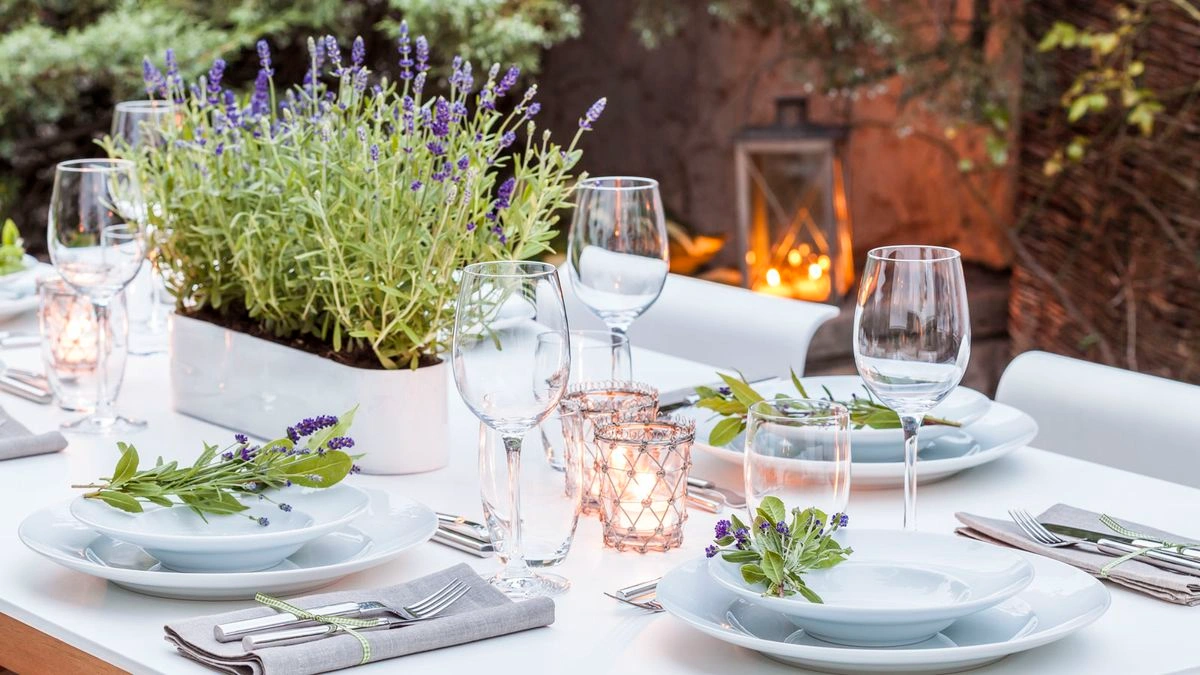
In an era defined by conscious living and experiential luxury, outdoor dining has evolved beyond aesthetics into a holistic narrative of place, provenance, and pleasure. For architects, designers, and discerning homeowners, the concept of Plant-to-Plate—cultivating ingredients steps away from the table—represents the convergence of garden design, gastronomy, and architectural intention. It is a return to authenticity, yet articulated through contemporary sophistication.
An outdoor dining area integrated with on-site gardens does more than enhance lifestyle appeal; it anchors the property in sustainability, craftsmanship, and cultural relevance. From Mediterranean villas overlooking the sea to urban penthouses with rooftop terraces, the synergy between cultivated landscape and curated table has become a defining signature of elevated living.
The Rise of Plant-to-Plate Living
The resurgence of kitchen gardens, edible landscapes, and productive terraces reflects a broader global shift toward sustainability and wellness. According to the Food and Agriculture Organization of the United Nations, urban agriculture and localized food systems are increasingly recognized for their environmental and social benefits. In the residential context, this philosophy translates into immersive outdoor dining experiences rooted in authenticity.
For design professionals, the Plant-to-Plate approach is not rustic nostalgia. It is a sophisticated strategy that blends:
- Architectural coherence between built and planted environments
- Climate-responsive garden design
- Seasonal culinary programming
- High-performance outdoor dining area layouts
The result is an atmosphere where landscape and lifestyle operate as one continuous narrative.
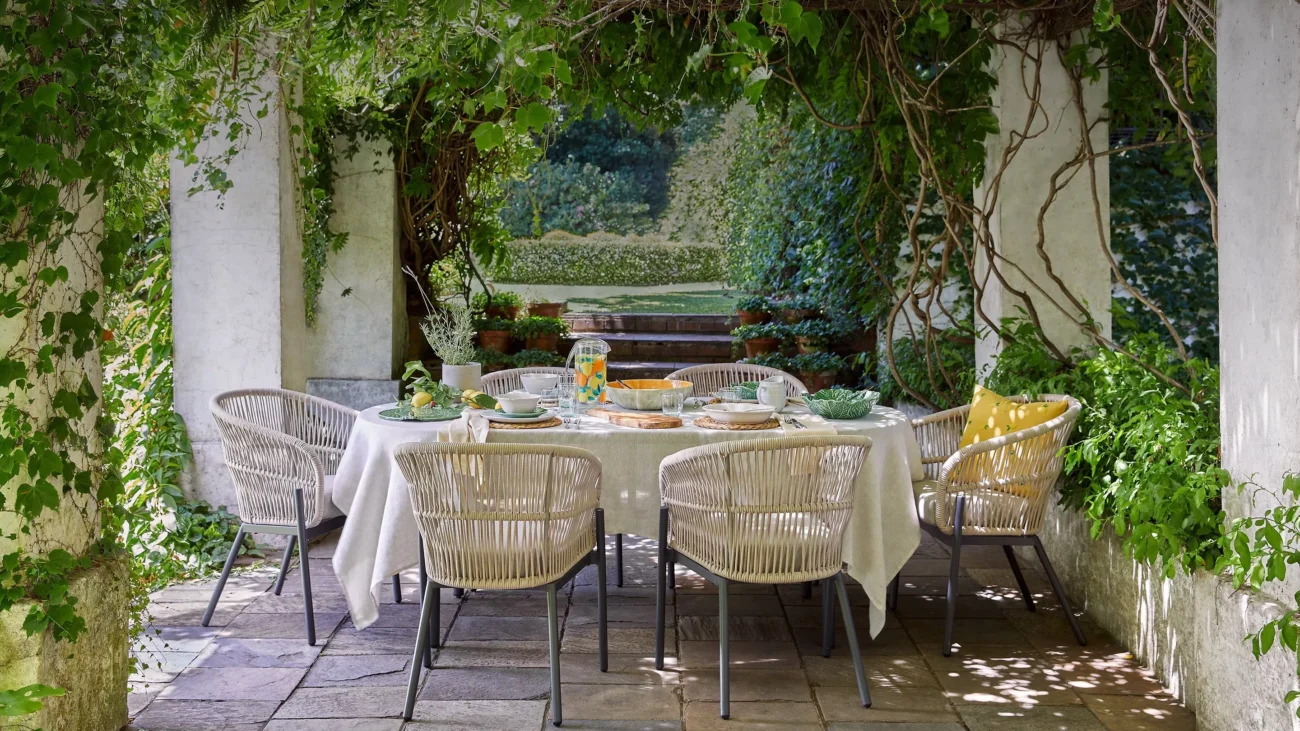
Designing the Edible Landscape: Garden as Architecture
From Decorative to Productive Garden Design
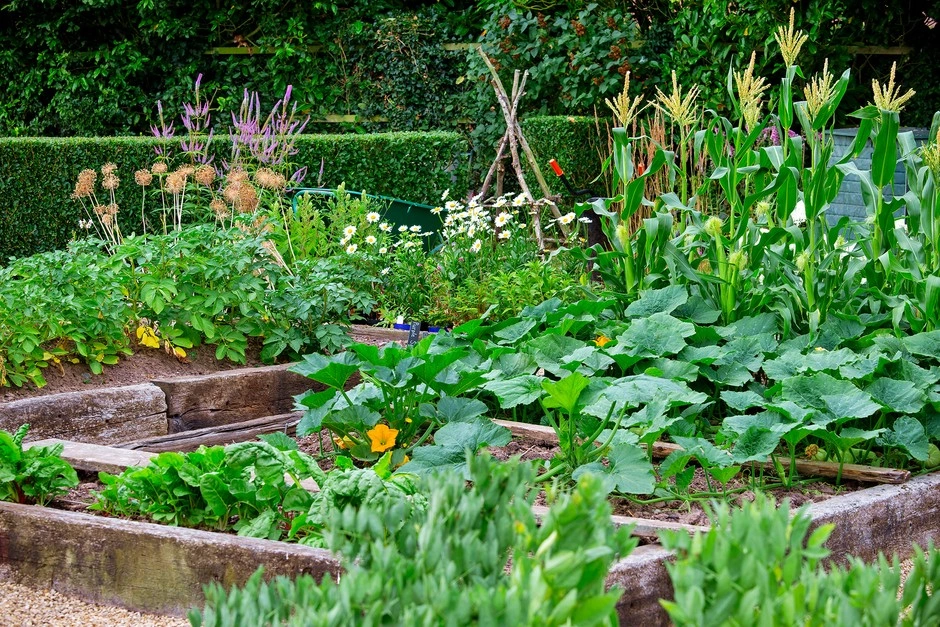
Traditional ornamental gardens are giving way to layered, productive landscapes that integrate herbs, fruit trees, and vegetables into formal compositions. Contemporary garden design treats edible planting not as an afterthought but as an architectural device.
Olive trees framing a limestone terrace, espaliered citrus against whitewashed walls, raised corten-steel beds aligned with the home’s geometry—these elements reinforce spatial order while supplying the adjacent outdoor dining area with fresh ingredients.
Key Principles for Edible Garden Design
- Zoning: Position high-use herbs and salad greens within immediate reach of the outdoor dining area.
- Seasonality: Design planting schemes that ensure year-round visual and culinary interest.
- Material harmony: Echo architectural finishes—stone, wood, metal—in raised beds and planters.
- Irrigation intelligence: Integrate concealed drip systems to maintain aesthetic clarity.
For luxury properties, this curated productivity elevates the entire outdoor dining ritual into an act of conscious design.
Architecting the Outdoor Dining Area
Spatial Planning and Flow
An exceptional outdoor dining area is defined by circulation, orientation, and sensory layering. The journey from garden to table should feel intuitive. Designers often establish a visual axis between planted beds and the dining table, reinforcing the narrative of origin and consumption.
Consider the following spatial strategies:
- Position the outdoor dining area within sight of key edible plantings.
- Create transitional thresholds—pergolas, colonnades, or sliding glass walls—that connect kitchen and garden.
- Integrate preparation zones, such as outdoor kitchens or herb stations, adjacent to the table.
In high-end residences, the outdoor dining area frequently becomes the social epicenter of the home during temperate months, blurring distinctions between interior refinement and exterior openness.
Microclimate and Comfort
Comfort is non-negotiable. The success of outdoor dining depends on climatic responsiveness:
- Adjustable shading systems (retractable awnings, pergolas with climbing vines)
- Integrated heating solutions for shoulder seasons
- Wind protection through hedging or architectural screens
- Thoughtful lighting that balances task and ambience
When these elements are resolved, the outdoor dining area transcends seasonal limitation, becoming a year-round extension of the home’s living space.
Materiality and Craft: The Table as Cultural Stage
Natural Materials in Dialogue with Garden Design
The material palette of the outdoor dining area should resonate with the surrounding landscape. Teak, powder-coated aluminum, natural stone, and high-performance fabrics complement the textures of soil, foliage, and fruit.
In Mediterranean contexts, travertine terraces paired with olive groves create a timeless backdrop for outdoor dining. In contemporary urban settings, sculptural planters and minimalist furniture frame rooftop vegetable gardens with metropolitan elegance.
Design Considerations for High-End Outdoor Dining
- Weather-resistant yet tactile surfaces
- Ergonomic seating that encourages lingering
- Proportional balance between table size and planted perimeter
- Durable finishes aligned with sustainability goals
For architects and developers, investing in a meticulously conceived outdoor dining area enhances property value while reinforcing lifestyle differentiation.
Culinary Rituals and Experiential Luxury
The Sensory Dimension of Outdoor Dining
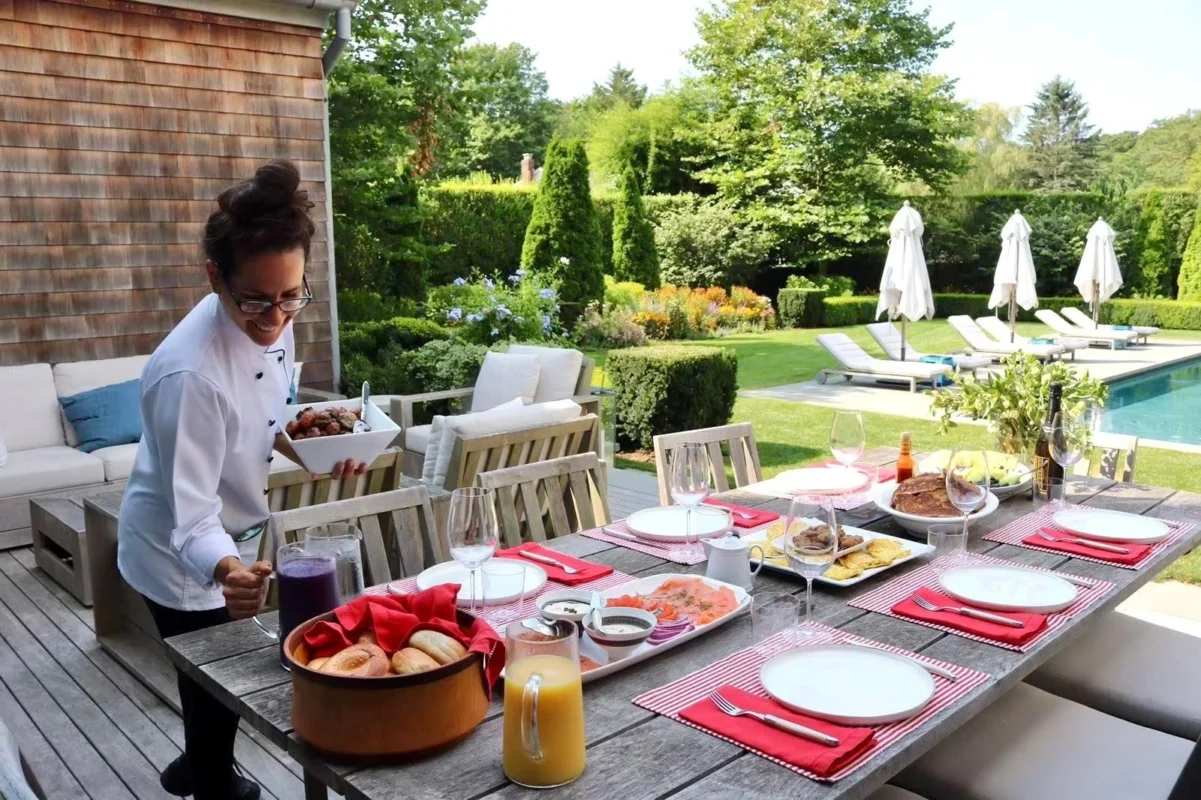
Plant-to-Plate outdoor dining is fundamentally multisensory. The scent of basil brushed between fingers, the subtle sweetness of sun-warmed tomatoes, the sound of leaves moving in the evening breeze—these experiences elevate the meal beyond consumption.
For high-net-worth homeowners, such rituals are markers of cultivated taste. The garden design becomes both aesthetic framework and culinary supplier. Guests are invited not only to dine, but to harvest.
Entertaining with Authenticity
In luxury real estate markets, experiential authenticity distinguishes exceptional properties. An outdoor dining area framed by productive gardens communicates stewardship, sustainability, and sophistication.
Hosting within this setting may include:
- Seasonal tasting menus inspired by on-site produce
- Wine pairings with estate-grown herbs and citrus accents
- Interactive harvesting moments before service
The narrative is compelling: ingredients travel mere meters from soil to plate, reinforcing transparency and intentionality.
Urban Interpretations: Rooftop and Terrace Gardens
Reimagining Outdoor Dining in Dense Cities
Plant-to-Plate principles are equally powerful in urban environments. Rooftop terraces and penthouse balconies can accommodate sophisticated garden design strategies that support intimate outdoor dining.
Modular planters, vertical herb walls, and dwarf fruit varieties enable productive landscapes in limited footprints. The outdoor dining area becomes a sanctuary above the city—private, cultivated, and deeply personal.
For developers, incorporating edible gardens into communal rooftop outdoor dining spaces enhances amenity value and aligns with ESG objectives.
Sustainability and Environmental Responsibility
Reducing Food Miles Through Design
Plant-to-Plate outdoor dining directly addresses environmental concerns. By sourcing herbs, fruits, and vegetables from on-site gardens, homeowners reduce transportation emissions and packaging waste.
Integrated composting systems, rainwater harvesting, and native planting further strengthen the ecological integrity of the garden design. This holistic approach reflects the priorities of a globally conscious clientele.
Environmental Benefits at a Glance
- Lower carbon footprint
- Improved biodiversity
- Enhanced soil health
- Increased thermal regulation around the outdoor dining area
Such measures are no longer optional embellishments; they are essential components of future-forward residential design.
Designing for Longevity and Legacy
Timelessness Over Trend
While outdoor dining trends may shift, the integration of garden design with culinary experience possesses enduring appeal. Fruit trees mature, vines thicken, and soil improves with time. The outdoor dining area evolves organically, gaining character and depth.
For estates intended as generational assets, this layered growth contributes to legacy. Children learn the rhythm of seasons; guests return to familiar scents and flavors. Architecture, landscape, and lifestyle become inseparable.
A New Standard for Outdoor Dining
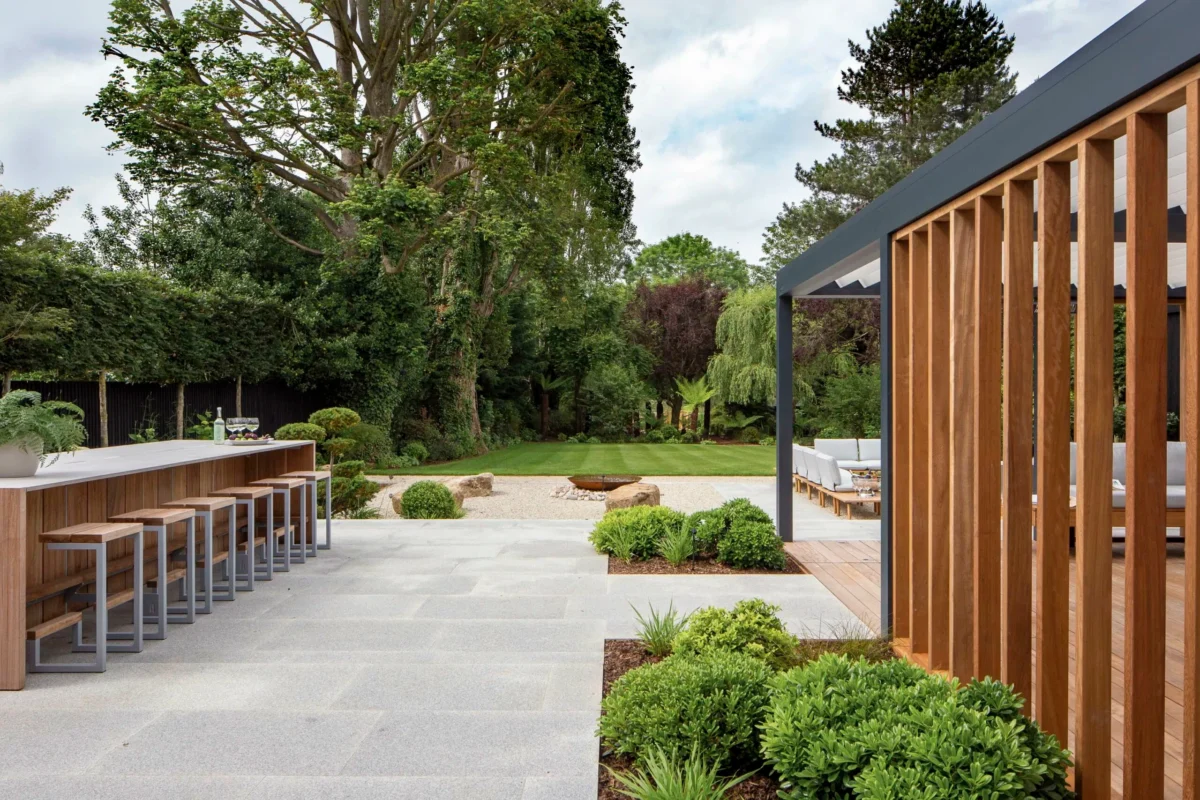
Plant-to-Plate outdoor dining represents a sophisticated recalibration of how we inhabit our exterior spaces. It invites architects, designers, and homeowners to conceive the outdoor dining area not merely as a furnished terrace, but as a living ecosystem.
Through intentional garden design, spatial choreography, and material excellence, outdoor dining becomes an expression of cultural awareness and environmental responsibility. It is a return to origin—elevated by contemporary craft.
In the most compelling properties worldwide, the journey from soil to table is measured in steps, not miles. And in that proximity lies a profound luxury: the ability to dine not only outdoors, but within the very landscape that sustains the meal.