

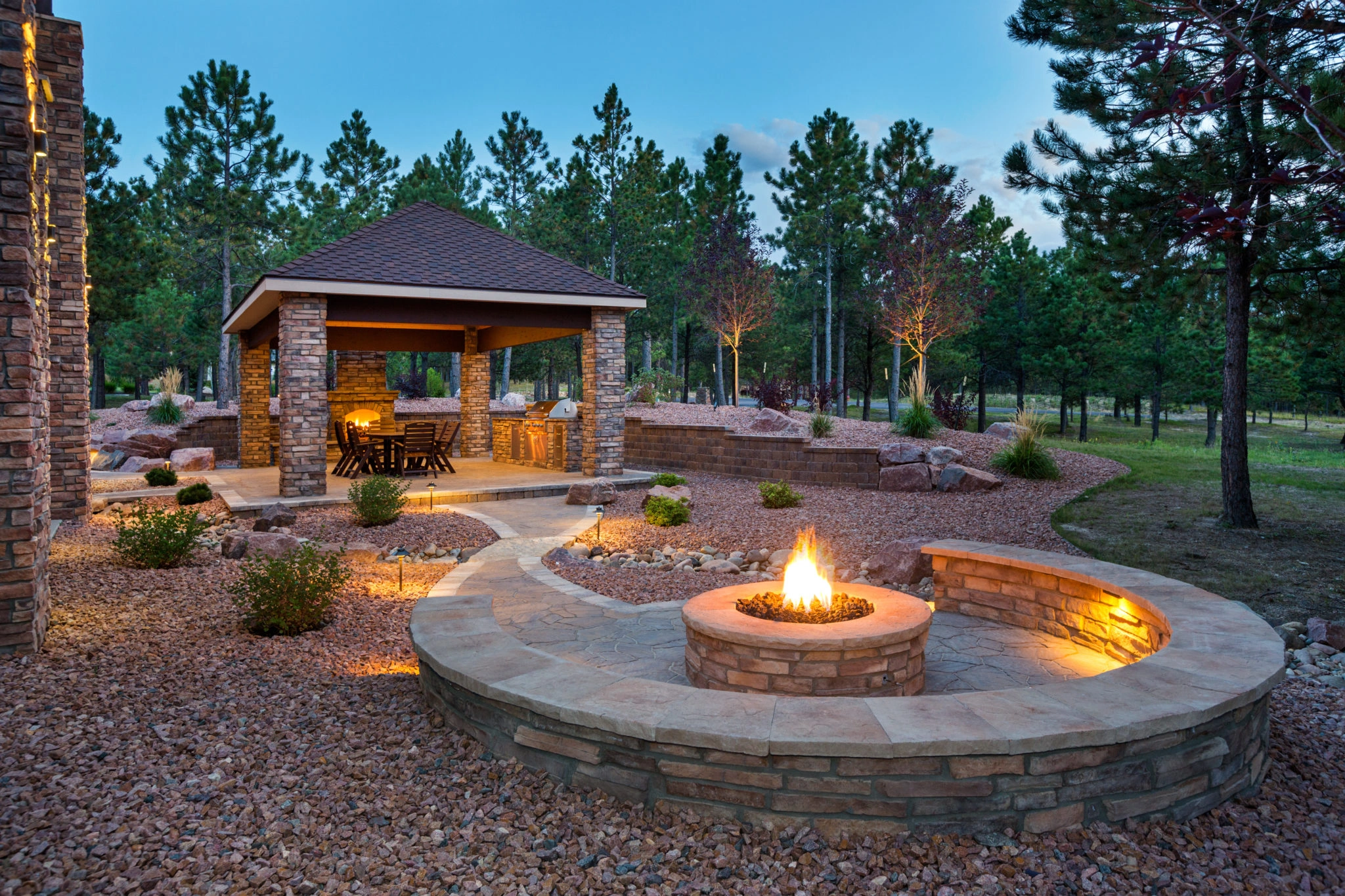
An outdoor space becomes memorable not because of its scale, but because of its proportion. Whether overlooking the Mediterranean, framing a Manhattan skyline, or nestled within a secluded garden, the most compelling terraces share one common quality: they invite conversation. Designing a refined outdoor conversation area is both an art and a science—one defined by subtle distances, thoughtful circulation, and an intuitive understanding of human interaction.
For architects, designers, and discerning homeowners, mastering the correct spacing between sofas, lounge chairs, and fire features transforms a pleasant terrace into an immersive social environment. A considered outdoor seating arrangement does more than organize furniture; it orchestrates dialogue, comfort, and atmosphere.
This guide explores the essential dimensions, spatial principles, and design strategies that elevate a patio furniture layout into an elegant and functional gathering space, with particular attention to the nuances of a refined fire pit seating layout.
The Psychology of Outdoor Conversation
Before discussing measurements, it is important to understand the behavioral principles behind successful layouts. Humans naturally gravitate toward arrangements that support eye contact, ease of movement, and a sense of enclosure without confinement.
According to environmental design research and proxemics theory introduced by anthropologist Edward T. Hall, social comfort typically occurs within distances of 4 to 12 feet (1.2 to 3.6 meters) for casual gatherings. When translated outdoors, these principles inform how we compose a high-performing outdoor conversation area.
Core Principles of an Effective Outdoor Seating Arrangement
1. Maintain Conversational Distance
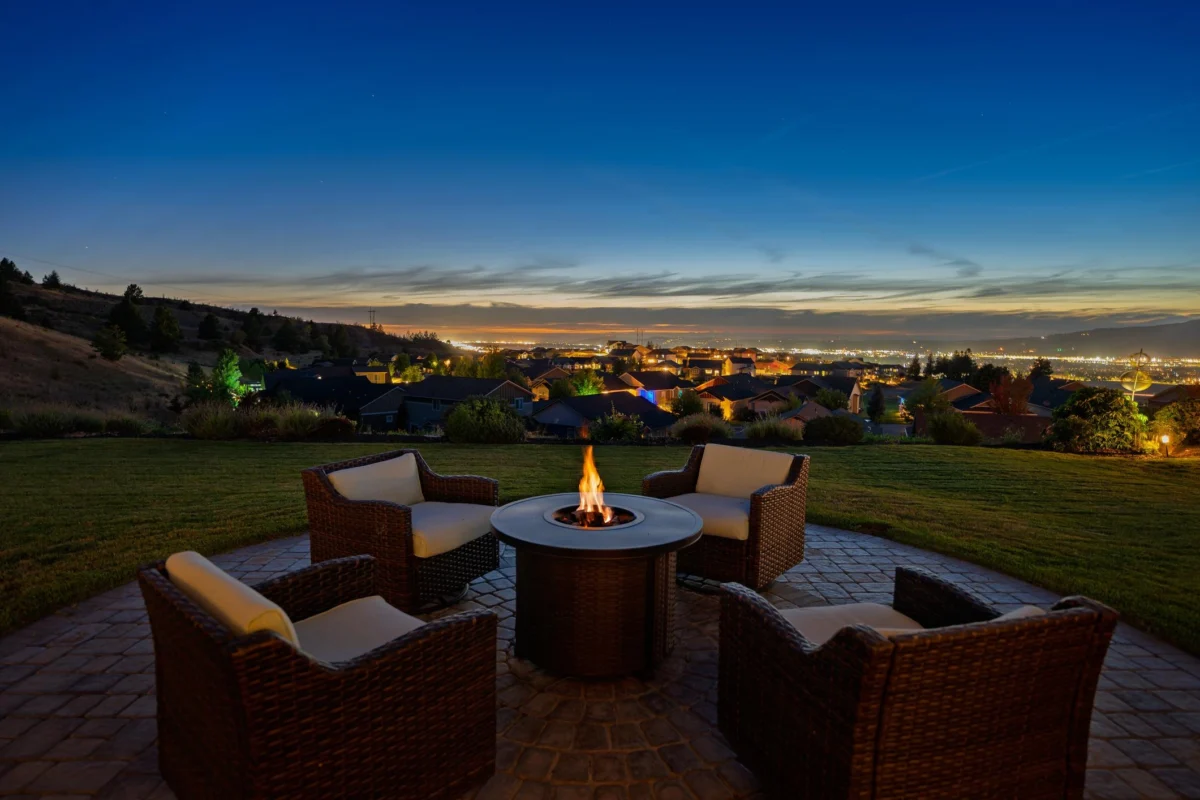
The ideal distance between facing seats in an outdoor seating arrangement should measure:
- 48 to 72 inches (120–180 cm) between opposing sofas or chairs.
- Closer to 48–60 inches for intimate settings.
- Up to 72 inches for larger group gatherings.
This range allows for comfortable dialogue without raised voices while maintaining personal space. When distances exceed 8 feet, conversation becomes fragmented; when less than 3 feet, guests may feel confined.
2. Respect Circulation Paths
A sophisticated patio furniture layout integrates movement seamlessly. Circulation zones should measure:
- 30–36 inches minimum for secondary pathways.
- 42–48 inches for primary circulation routes.
Clear walkways preserve both elegance and safety, particularly in projects where hospitality-scale entertaining is anticipated.
3. Anchor the Space
Every compelling outdoor conversation area benefits from a central anchor—often a coffee table, sculptural ottoman cluster, or fire feature. This focal point reduces perceived distances and visually unifies the arrangement.
Designing Around Fire: The Fire Pit Seating Layout
Few elements rival the emotional magnetism of a fire pit. Flames introduce warmth, rhythm, and an ancient sense of gathering. Yet improper spacing can compromise comfort or safety. A refined fire pit seating layout requires precision.
Ideal Distance from Fire Pit to Seating
Professional guidelines generally recommend:
- 36–48 inches from the fire pit edge to the front of seating.
- Up to 60 inches for larger or higher-heat installations.
This ensures warmth without excessive exposure to heat or smoke. In luxury residential projects, designers often test distances physically on-site before finalizing the patio furniture layout.
Diameter of a Fire Pit Conversation Zone
For a circular outdoor conversation area centered on a fire pit:
- A 36-inch fire pit typically requires a minimum overall diameter of 11 to 13 feet.
- A 48-inch fire pit may require 13 to 15 feet.
This accommodates seating depth, circulation clearance, and visual breathing room—an essential element of refined design.
Spacing Between Sofas and Lounge Chairs
Side-by-Side Seating
When placing chairs adjacent to a sofa in an outdoor seating arrangement:
- Allow 18–24 inches between pieces.
- Insert a side table where possible to provide functionality and rhythm.
This spacing supports both accessibility and visual clarity.
Across a Coffee Table
The distance between seating and a central table should measure:
- 16–18 inches from seat edge to table edge.
Closer positioning enhances usability without impeding legroom.
Scaling the Patio Furniture Layout to the Architecture
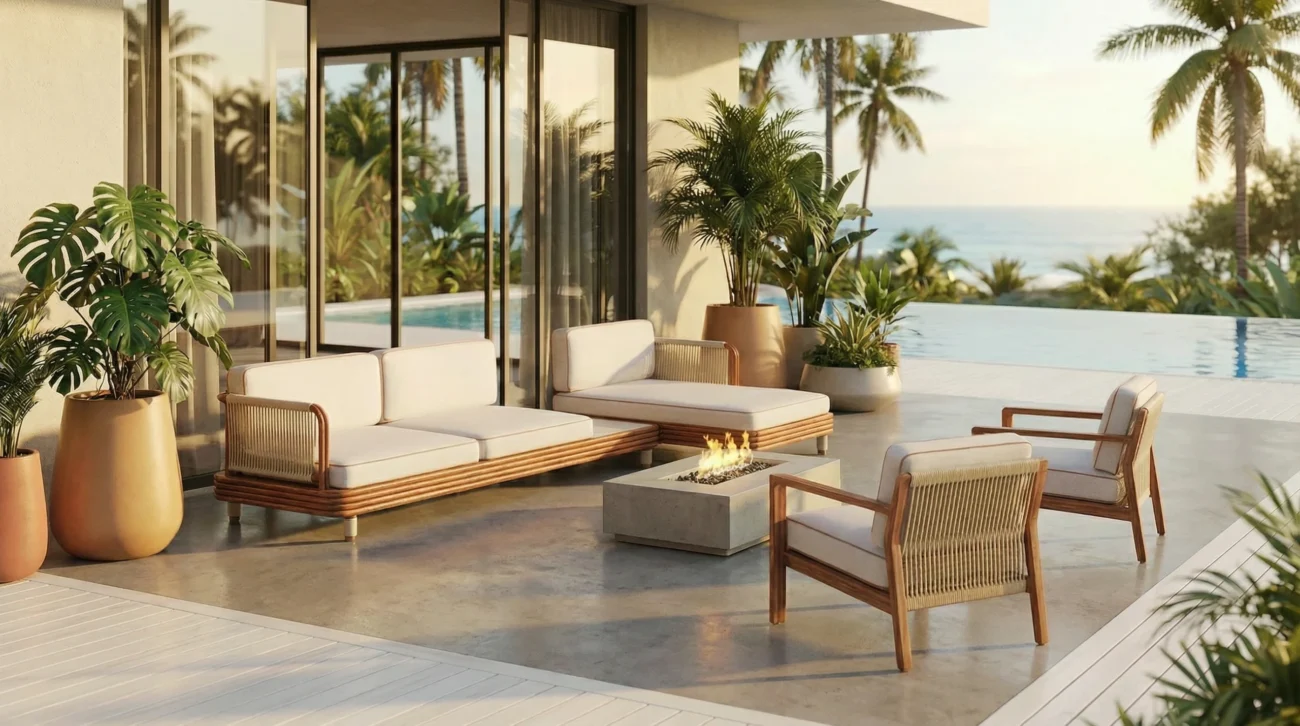
An exceptional patio furniture layout responds to the architectural envelope. Double-height façades, expansive glazing, or colonnaded terraces demand proportional adjustments.
Large Terraces
On expansive properties:
- Create multiple defined outdoor conversation area zones rather than one oversized grouping.
- Use rugs or paving changes to visually anchor each seating cluster.
- Maintain at least 8–10 feet between separate conversation zones.
Compact Urban Balconies
In metropolitan contexts, intimacy becomes an advantage. Here:
- Reduce facing distances to 42–48 inches.
- Opt for slimmer-profile furniture to preserve circulation.
- Consider corner arrangements to maximize footprint efficiency.
Wind, Climate, and Environmental Considerations
A refined fire pit seating layout also accounts for prevailing winds, solar exposure, and seasonal usage.
Wind Direction
Position seating perpendicular to prevailing wind patterns to reduce smoke discomfort. Architectural screens, hedges, or glass panels can subtly enhance comfort without compromising aesthetics.
Sun Orientation
Morning terraces may benefit from east-facing arrangements, while sunset-facing lounges require glare mitigation through pergolas or umbrellas. Climate-responsive positioning elevates any outdoor seating arrangement from decorative to experiential.
Symmetry vs. Organic Layouts
Formal Symmetry
Classical villas and structured estates often favor axial symmetry. Two sofas facing each other across a fire pit create an orderly outdoor conversation area that communicates elegance and balance.
Organic Configurations
Contemporary landscapes frequently embrace asymmetry. Angled lounge chairs, modular sofas, and layered ottomans foster a more relaxed patio furniture layout. In these compositions, ensure that conversational sightlines remain unobstructed and that no seat feels peripheral.
Materiality and Spatial Perception
The perceived distance within an outdoor seating arrangement is influenced by material and color choices. Darker finishes visually contract space; lighter tones expand it. Low-profile frames increase visual openness, making smaller terraces feel generous.
Similarly, a sculptural fire feature in natural stone grounds the fire pit seating layout, reinforcing its centrality without overwhelming surrounding furniture.
Design Checklist for Professionals
When finalizing a high-end outdoor conversation area, consider the following checklist:
- Are facing seats positioned within 48–72 inches?
- Is there a minimum 36-inch clearance for major pathways?
- Does the fire pit seating layout maintain 36–48 inches from flame to seat edge?
- Is the coffee table within 16–18 inches of surrounding seating?
- Are sightlines unobstructed across the entire patio furniture layout?
- Does the composition feel proportionate to the architectural scale?
Elevating the Experience Through Layering
True luxury resides in detail. Once foundational spacing is resolved, layering enhances the experience:
- Outdoor rugs to define the outdoor seating arrangement.
- Integrated lighting to articulate pathways.
- Textural cushions and throws for seasonal adaptability.
- Low tables or drink ledges integrated into the fire pit seating layout.
These finishing elements reinforce comfort without disrupting spatial harmony.
Common Mistakes to Avoid
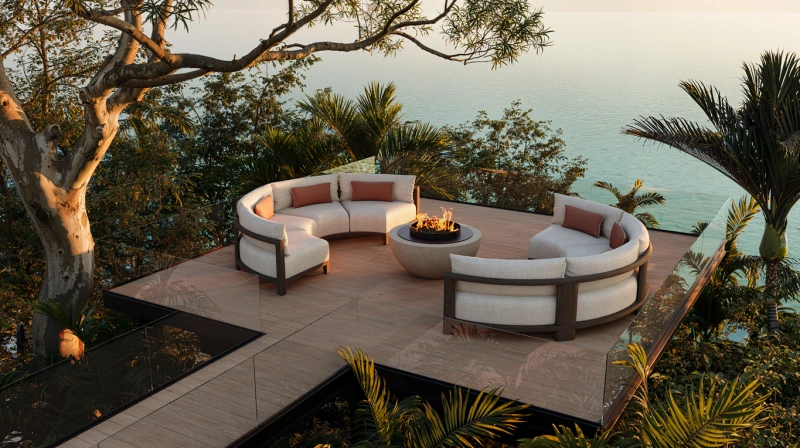
- Placing seating too far apart, fragmenting conversation.
- Neglecting circulation clearance, resulting in awkward navigation.
- Oversizing furniture relative to terrace dimensions.
- Positioning chairs too close to a fire source, compromising safety.
- Designing without accounting for environmental factors.
A thoughtful patio furniture layout balances aesthetics with ergonomics—never sacrificing one for the other.
Designing for Connection
In an era where outdoor living has become an extension of architectural identity, the precision of spacing defines the quality of experience. The most compelling outdoor conversation area is not merely beautiful—it is intuitively comfortable. Correct distances between sofas, lounge chairs, and fire features create a choreography of proximity that invites dialogue and lingering.
For architects and design professionals, mastery of the outdoor seating arrangement lies in respecting human scale while celebrating spatial generosity. For homeowners, it is the difference between a terrace that looks curated and one that truly lives.
Ultimately, a well-executed fire pit seating layout or refined patio furniture layout transforms open air into an intimate salon under the sky—where conversation flows as naturally as the evening light.