

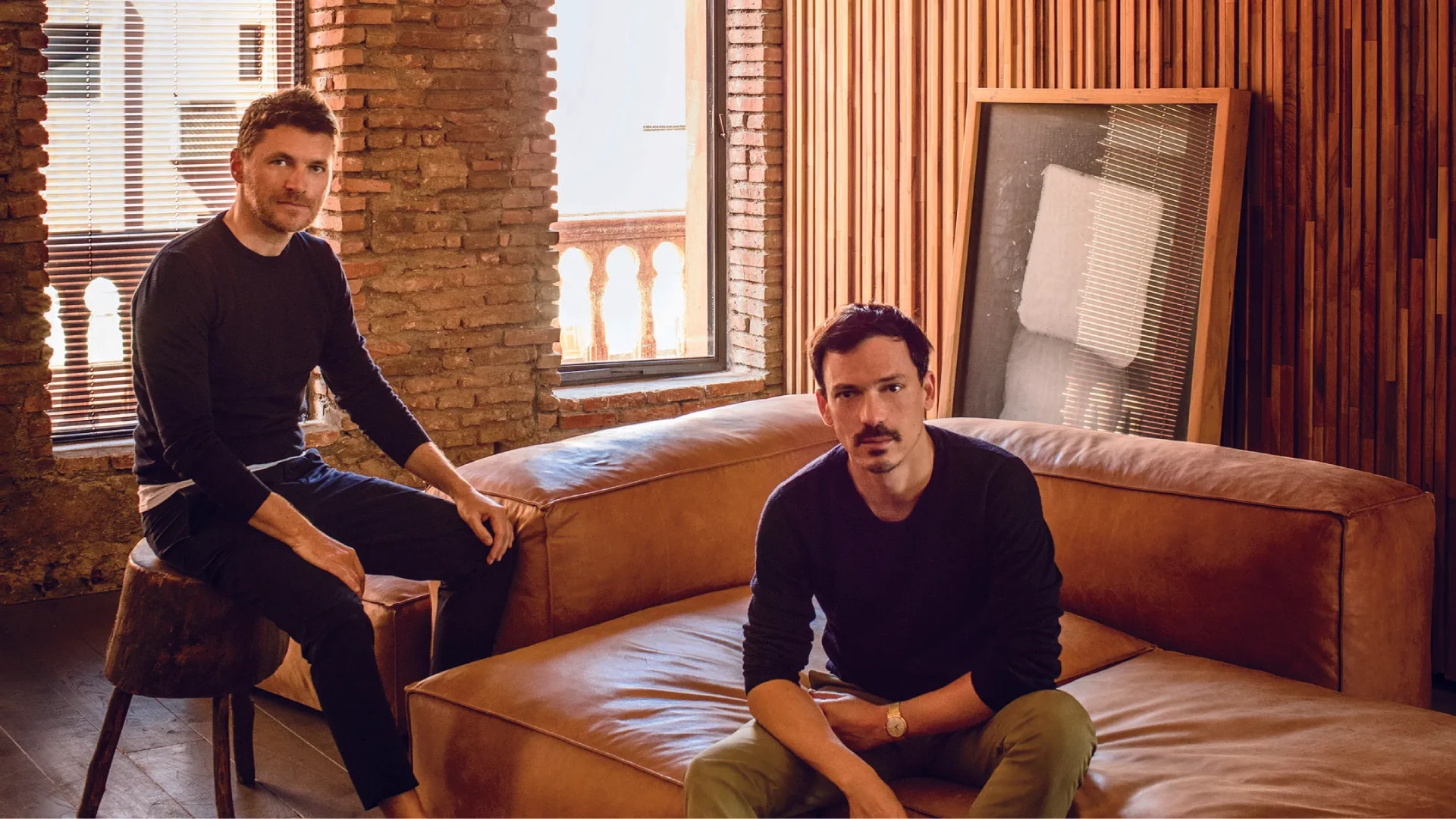
In regions where summer temperatures reshape daily life and light itself becomes an architectural material, exterior space is never secondary. It is fundamental. Studio KO architecture has emerged as one of the most compelling forces redefining how contemporary dwellings respond to heat, shadow, and silence. Through a refined approach to climate-responsive architecture, the Paris- and Marrakech-based practice transforms terraces, courtyards, and gardens into immersive environments that feel both elemental and meticulously composed.
For architects, developers, and high-net-worth homeowners seeking enduring value in modern outdoor design, Studio KO’s work offers more than aesthetic inspiration. It provides a strategic blueprint for creating shaded outdoor spaces that are thermally intelligent, acoustically serene, and architecturally timeless.
The Philosophy Behind Studio KO Architecture
Founded by Studio KO, the practice has built an international reputation for projects that draw deeply from vernacular traditions while maintaining a contemporary rigor. Their residential works in Morocco and beyond demonstrate how climate-responsive architecture can be both poetic and pragmatic.
At the core of Studio KO architecture is a commitment to subtraction. Walls are thickened. Openings are carved with precision. Materials are left honest and tactile. In exterior environments, this philosophy results in modern outdoor design that feels grounded, protective, and quietly monumental.
Heat as a Design Parameter
Rather than resisting climate, Studio KO designs with it. Heat becomes a defining constraint that shapes massing, orientation, and material selection. Their projects illustrate how climate-responsive architecture transforms environmental challenges into spatial identity.
- Thermal mass: Stone, rammed earth, and pigmented concrete absorb heat slowly, releasing it gradually after sunset.
- Reduced glazing: Exterior openings are strategically proportioned to minimize solar gain while framing curated views.
- Courtyard typologies: Internal patios create microclimates that cool surrounding rooms and terraces.
In this approach, modern outdoor design is not an afterthought appended to an interior scheme. It is structurally integrated into the architectural DNA.
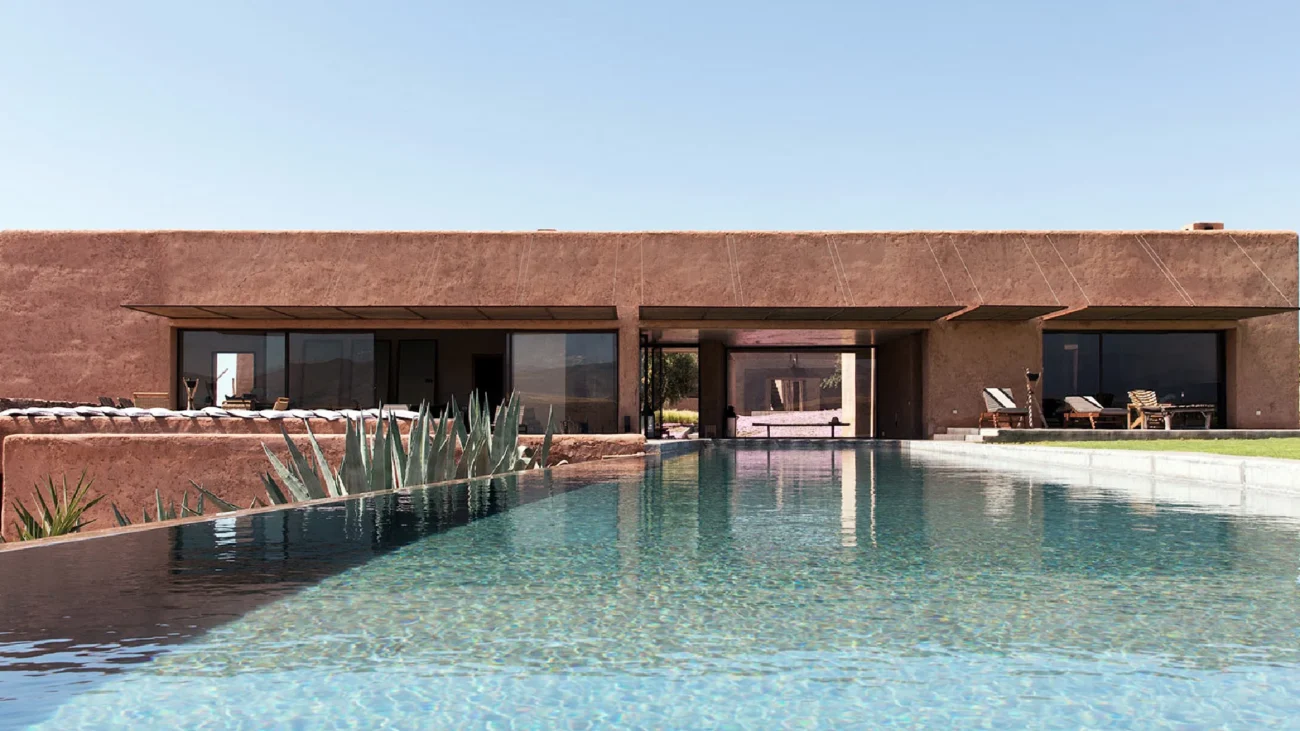
Designing for Shadow: The Architecture of Shaded Outdoor Spaces
In hot climates, shadow is not decorative. It is existential. The sophistication of Studio KO architecture lies in its nuanced orchestration of light and darkness, where shadow becomes a sculptural instrument.
Layered Thresholds
One defining characteristic of climate-responsive architecture is the creation of transitional zones between inside and outside. Studio KO excels at designing layered thresholds that temper sunlight before it reaches living areas.
- Deep loggias that extend the interior floor plate.
- Pergolas with dense timber slats casting rhythmic shadows.
- Recessed terraces protected by overhanging volumes.
These strategies result in shaded outdoor spaces that remain usable throughout the day, even during peak heat. For luxury real estate, this dramatically increases functional square footage without increasing enclosed area.
Shadow as Spatial Identity
In modern outdoor design, shadow can define circulation, intimacy, and hierarchy. Studio KO frequently employs thick perimeter walls that act as solar shields while creating contemplative enclosures. The resulting courtyards feel monastic yet inviting—places where silence and coolness coexist.
Through carefully calibrated apertures, light enters in controlled beams. The contrast between glare and shade heightens sensory awareness, turning terraces into experiential landscapes rather than decorative patios.
Silence as a Luxury: Acoustic Intelligence in Exterior Design
In high-end residential architecture, silence is increasingly perceived as a form of wealth. Studio KO architecture addresses acoustics not only indoors but across exterior domains.
Enclosure and Mass
Heavy masonry walls serve multiple roles in climate-responsive architecture: thermal buffer, visual frame, and acoustic barrier. In dense urban contexts or exposed desert sites, these elements reduce ambient noise and wind turbulence.
- Perimeter walls positioned to block prevailing winds.
- Sunken courtyards that shield from street noise.
- Vegetation layers that absorb and diffuse sound.
When combined with shaded outdoor spaces, these acoustic strategies produce environments that feel insulated from external chaos. The result is an outdoor living room defined by calm rather than spectacle.
Water and Controlled Soundscapes
Subtle water features are often integrated into modern outdoor design to mask unwanted noise while enhancing evaporative cooling. Narrow channels, reflective pools, and minimalist fountains are positioned to create gentle ambient sound—never theatrical, always restrained.
This orchestration of silence reinforces the ethos of Studio KO architecture: architecture as atmosphere.
Materiality: Tactile Resilience in Modern Outdoor Design
Material choice is central to the longevity and performance of climate-responsive architecture. Studio KO favors locally sourced materials that age gracefully under intense sun.
Earth, Stone, and Pigmented Concrete
Natural materials serve both aesthetic and environmental objectives:
- Rammed earth: High thermal mass and subtle color variation.
- Local stone: Durability with minimal maintenance.
- Pigmented concrete: Reduced glare compared to bright white finishes.
In modern outdoor design, glare management is critical. By selecting muted tones—ochres, sandy neutrals, mineral grays—Studio KO ensures that shaded outdoor spaces remain visually comfortable.
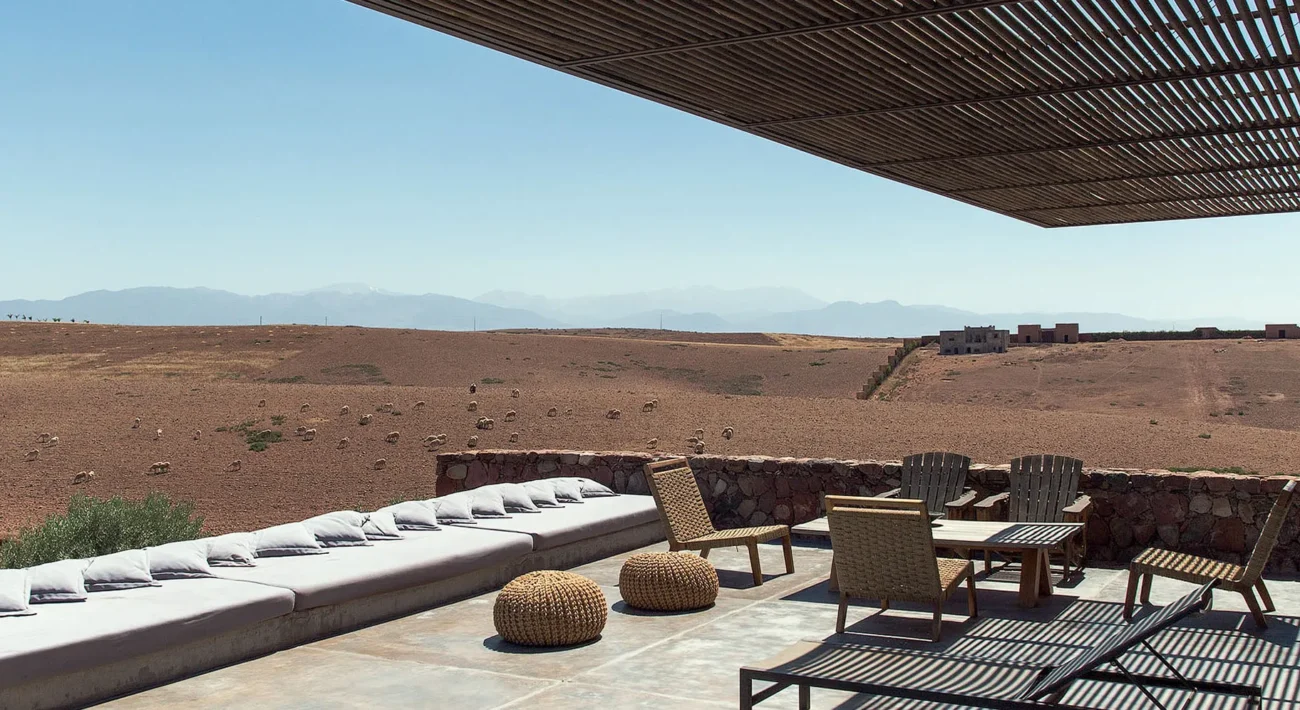
Patina as Value
Unlike trend-driven surfaces that demand replacement, the materials used in Studio KO architecture are designed to weather elegantly. Over time, subtle cracks, tonal shifts, and surface textures enrich the composition. For investors and developers, this translates into sustained property value and reduced lifecycle costs—key principles of forward-thinking climate-responsive architecture.
Landscape as Climate Moderator
Vegetation is never ornamental alone. In Studio KO’s work, planting strategies are integrated into modern outdoor design to enhance cooling and privacy.
Microclimates Through Green Design
Strategic planting contributes to shaded outdoor spaces and thermal comfort:
- Tall trees positioned to block western sun.
- Courtyard gardens that cool air before it enters interiors.
- Drought-resistant species reducing water consumption.
Such interventions exemplify climate-responsive architecture at a landscape scale. The garden becomes an active environmental system rather than a decorative accessory.
Spatial Sequencing: The Journey Through Exterior Space
One of the defining strengths of Studio KO architecture is spatial choreography. Movement through exterior zones is deliberate and gradual, reinforcing the psychological transition from public to private.
Compression and Release
Narrow passages open into expansive courtyards. Low ceilings give way to sky-framed voids. This sequencing intensifies the experience of shaded outdoor spaces, making each terrace feel discovered rather than exposed.
In modern outdoor design, this sense of progression is critical. It transforms exterior circulation into an architectural narrative, aligning emotional resonance with environmental performance.
What Professionals Can Learn from Studio KO
For architects and developers working in hot climates, Studio KO architecture offers actionable lessons grounded in climate-responsive architecture principles:
Key Takeaways
- Design with mass, not against it: Thermal inertia reduces reliance on mechanical cooling.
- Prioritize shadow early: Shaded outdoor spaces must be embedded in the initial massing strategy.
- Integrate acoustics: Silence is a design asset in luxury contexts.
- Choose materials for aging: Patina enhances authenticity and long-term value.
- Sequence exterior rooms: Treat gardens and terraces as architectural volumes.
By applying these principles, modern outdoor design becomes a high-performance system rather than a stylistic layer.
The Broader Context: Climate-Responsive Architecture as a Global Imperative
As climate change intensifies heat waves across Europe, the Middle East, and the Americas, climate-responsive architecture is no longer regionally specific—it is globally essential. According to the Intergovernmental Panel on Climate Change (IPCC), rising temperatures demand adaptive building strategies that reduce energy consumption and enhance passive cooling.
Studio KO architecture exemplifies how heritage-informed strategies can inform future-forward modern outdoor design. Thick walls, courtyards, and deep shadows—once vernacular necessities—are reinterpreted as luxury features aligned with sustainability goals.
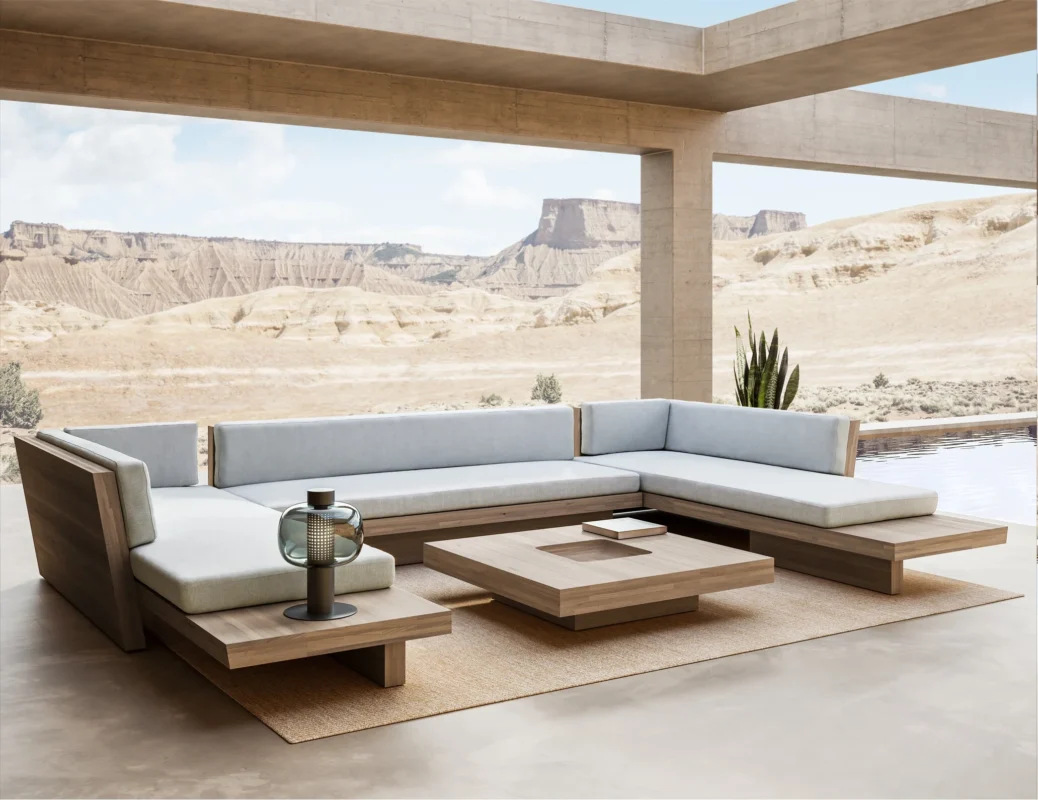
Designing Exterior Space as Sanctuary
In the hands of Studio KO, exterior space becomes sanctuary. Heat is moderated through mass and orientation. Shadow is sculpted with architectural precision. Silence is cultivated through enclosure and landscape. The result is modern outdoor design that transcends trend and resists obsolescence.
For discerning homeowners and industry leaders alike, the lessons of Studio KO architecture are clear: enduring luxury lies in environmental intelligence. Shaded outdoor spaces are not mere amenities—they are essential responses to climate. And climate-responsive architecture is not a stylistic choice, but the defining framework for sophisticated design in a warming world.
In an era where comfort, sustainability, and cultural authenticity intersect, Studio KO demonstrates that the future of architecture may well be written in shadow.