

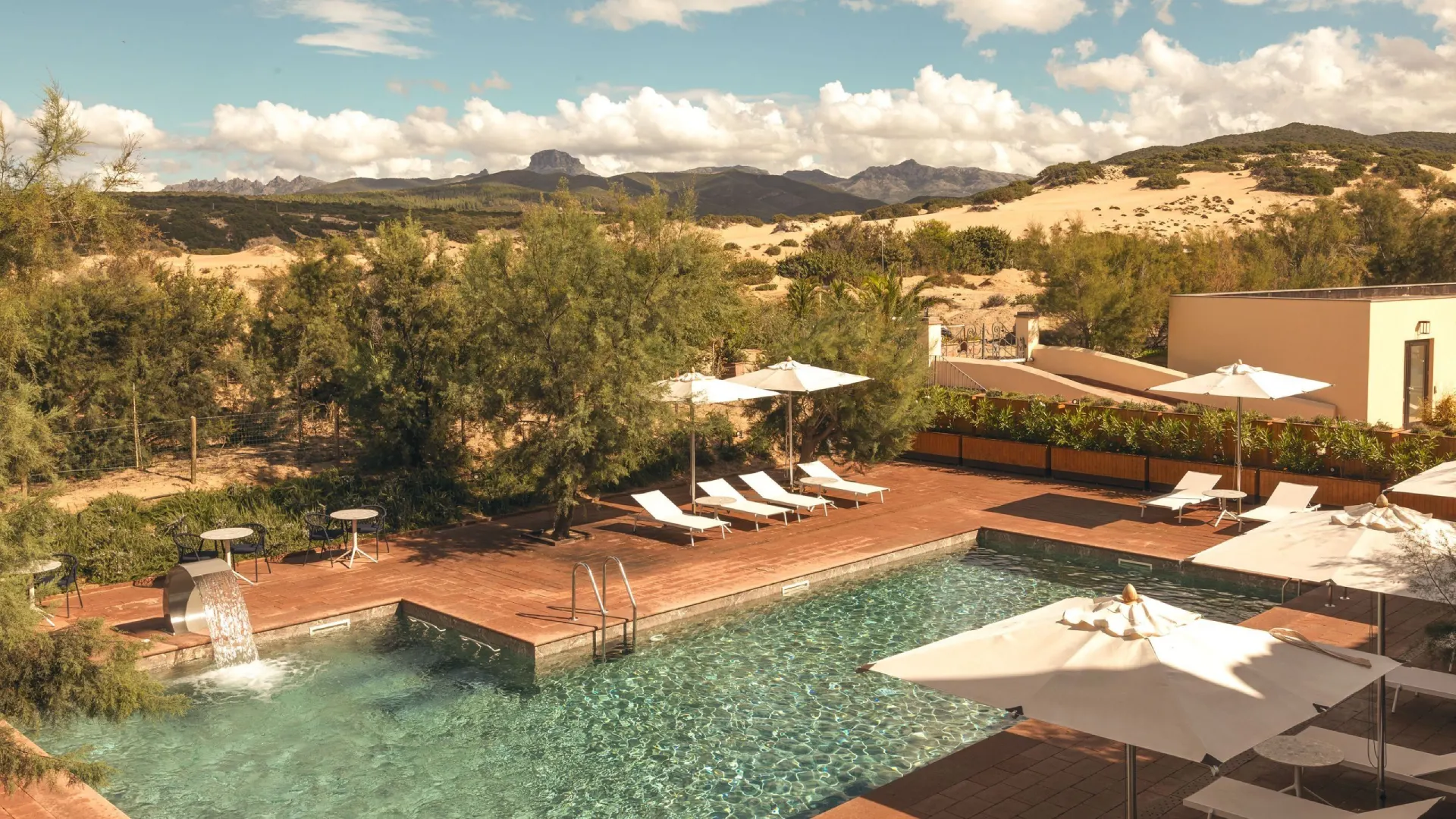
Sardinia has long occupied a singular place in the Mediterranean imagination. From the crystalline waters of the Costa Smeralda to the wind-shaped dunes of Chia, Sardinia coastal homes are conceived not merely as residences, but as sanctuaries suspended between granite cliffs and turquoise sea. Yet behind their serene facades lies a practical challenge that architects and designers know well: salt-laden air, relentless sun, and pervasive sand test every material and surface.
In a Mediterranean summer house, furniture is not a decorative afterthought—it is a strategic decision. The wrong choice fades, corrodes, and fractures within seasons. The right choice matures gracefully, harmonizing with the elemental drama of wind and water. For international design professionals and discerning homeowners alike, selecting beach house furniture for Sardinia requires a nuanced understanding of climate, craftsmanship, and context.
The Environmental Realities of Sardinia Coastal Homes
The beauty of Sardinia is inseparable from its intensity. Summer temperatures regularly exceed 30°C, UV exposure is high, and coastal breezes carry microscopic salt crystals that settle on every surface. In exposed sites, especially along the Costa Smeralda and southern shores, furniture faces:
- Salt corrosion affecting metals and fasteners
- UV degradation of textiles, polymers, and finishes
- Wind abrasion from airborne sand
- Humidity fluctuations that stress natural materials
According to guidance from the U.S. Environmental Protection Agency on corrosion, saline environments significantly accelerate material deterioration. In Sardinia, this is not theoretical—it is daily reality.
For architects designing Sardinia coastal homes, this means specifying materials with marine-grade resilience while maintaining aesthetic coherence with the island’s raw elegance.
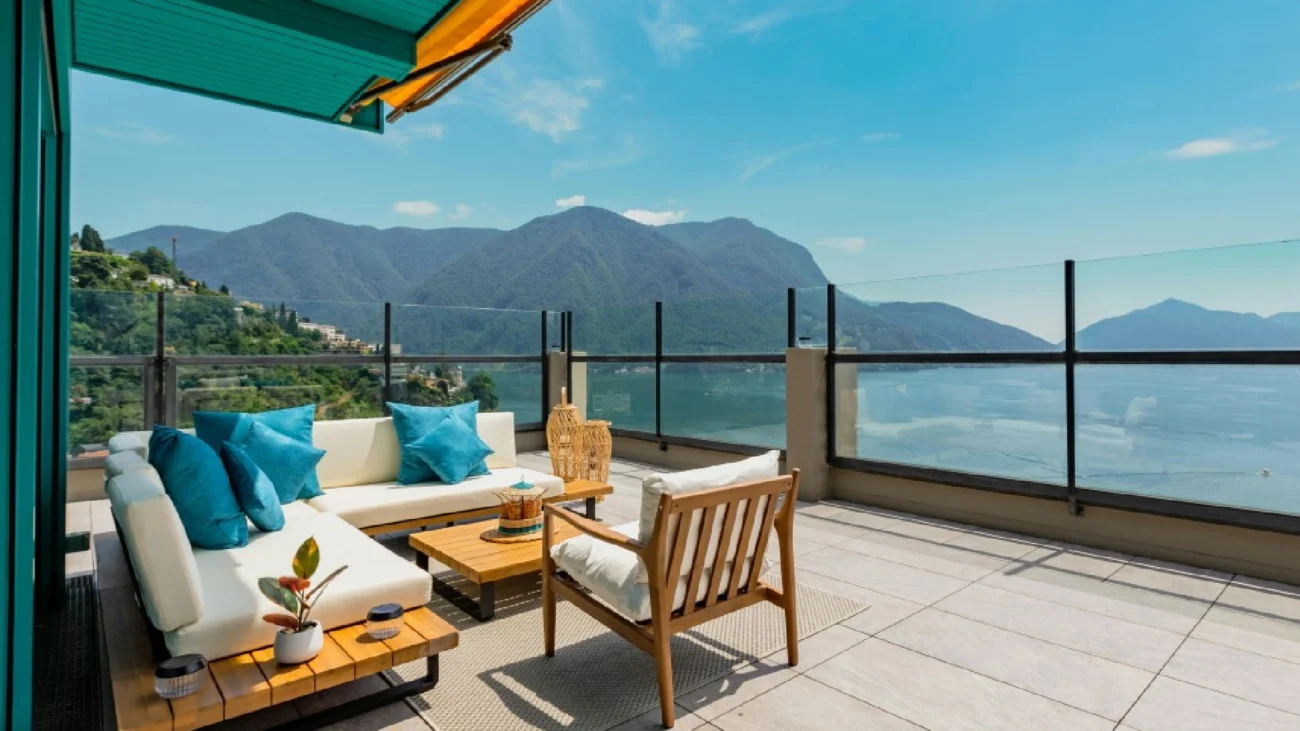
Material Intelligence: What Truly Endures by the Sea
Marine-Grade Aluminum and Stainless Steel
When properly treated, powder-coated marine-grade aluminum remains one of the most reliable foundations for beach house furniture. Lightweight yet structurally robust, it resists rust and is easy to maintain. Similarly, 316 stainless steel—often referred to as “marine grade”—offers superior resistance to salt corrosion compared to standard alloys.
For a Mediterranean summer house perched above the sea, concealed stainless fasteners and sealed joints are essential details that protect structural integrity without compromising design purity.
Teak and Dense Hardwoods
Teak remains a classic choice in Sardinia coastal homes for good reason. Its natural oil content and tight grain structure provide inherent resistance to moisture and insects. Over time, untreated teak develops a silvery patina that echoes Sardinia’s sun-bleached rocks.
However, sustainability and sourcing transparency are now as important as performance. FSC-certified teak and responsibly managed hardwood alternatives ensure that a Mediterranean summer house aligns with contemporary environmental values.
High-Performance Outdoor Textiles
Textiles are often the first casualties of coastal exposure. Premium solution-dyed acrylics and technical outdoor fabrics engineered for UV stability, mold resistance, and colorfastness are indispensable for refined beach house furniture.
In Sardinia coastal homes, neutral palettes—sand, limestone, soft terracotta—mask salt traces and harmonize with the surrounding landscape, while removable covers simplify seasonal maintenance.
Design Language: Rooted in Landscape, Not Trend
The most compelling Mediterranean summer house interiors and exteriors do not imitate nautical clichés. Instead, they draw from Sardinia’s geological palette: granite, cork oak, wild myrtle, and bleached driftwood.
Furniture for Sardinia coastal homes should embody:
- Low, horizontal silhouettes that resist wind uplift
- Substantial weight balanced with visual lightness
- Organic textures that soften architectural lines
- Modular flexibility for seasonal reconfiguration
This approach transforms beach house furniture into a quiet extension of the island’s terrain rather than an imported stylistic statement.
Sand Management: The Invisible Design Strategy
Sand is both inevitable and invasive. In a Mediterranean summer house, especially one steps from the shoreline, grains accumulate in joints, upholstery seams, and decking gaps.
Design strategies for Sardinia coastal homes increasingly include:
- Open-weave structures that allow sand to fall through rather than collect
- Elevated frames that facilitate airflow and cleaning
- Quick-dry foam cores preventing moisture retention
- Removable, washable covers for high-traffic zones
By anticipating sand movement, architects preserve the integrity and longevity of beach house furniture without compromising comfort.
Spatial Planning in the Mediterranean Summer House
Transitional Outdoor Rooms
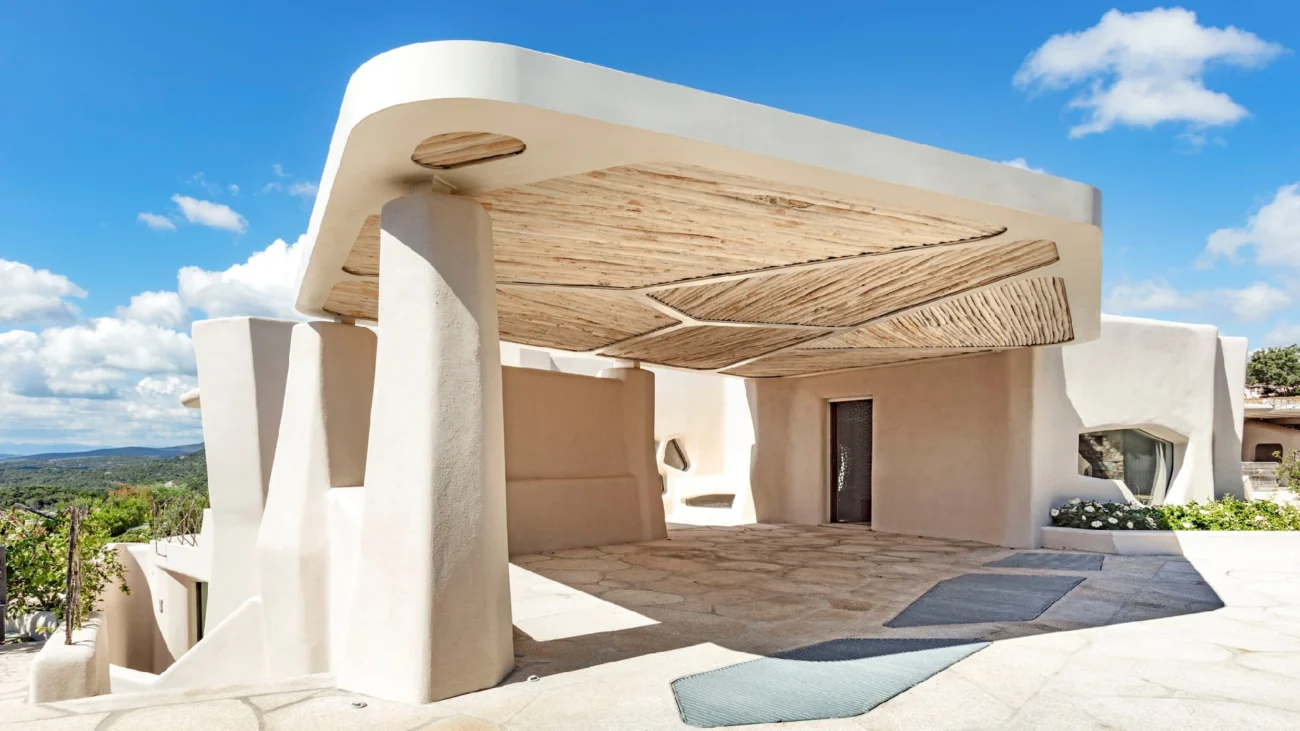
Verandas, pergolas, and shaded loggias are defining features of Sardinia coastal homes. These intermediate zones buffer direct exposure while extending living spaces outward. Selecting beach house furniture suited to both covered and semi-exposed conditions ensures visual continuity.
A Mediterranean summer house benefits from layered seating—deep sofas for evening gatherings, sculptural loungers oriented toward the sea, and robust dining tables designed for long, communal meals.
Rooftop Terraces and Cliffside Decks
Wind intensity increases with elevation. On rooftop terraces overlooking the Tyrrhenian Sea, specifying weighted bases, secure anchoring systems, and aerodynamic profiles is not optional. In high-end Sardinia coastal homes, custom solutions often integrate furniture into architectural platforms to minimize displacement.
Maintenance as Part of the Design Ethos
The perception of effortless Mediterranean living belies a disciplined maintenance culture. For owners of a Mediterranean summer house, seasonal care is integral to preserving value.
- Rinsing metal frames regularly to remove salt deposits
- Applying protective oils to teak if a golden tone is preferred
- Storing or covering cushions during winter months
- Inspecting hardware annually for early signs of corrosion
Professionally managed Sardinia coastal homes often include maintenance schedules embedded into property management contracts, ensuring that beach house furniture ages gracefully rather than prematurely.
Investment Value and Long-Term Performance
For high-net-worth investors, a Mediterranean summer house in Sardinia is both emotional and financial capital. Outdoor environments are increasingly central to valuation, especially in premium coastal developments.
Well-specified beach house furniture enhances:
- Rental desirability in luxury markets
- Photographic appeal for listings
- Perceived architectural coherence
- Durability, reducing replacement cycles
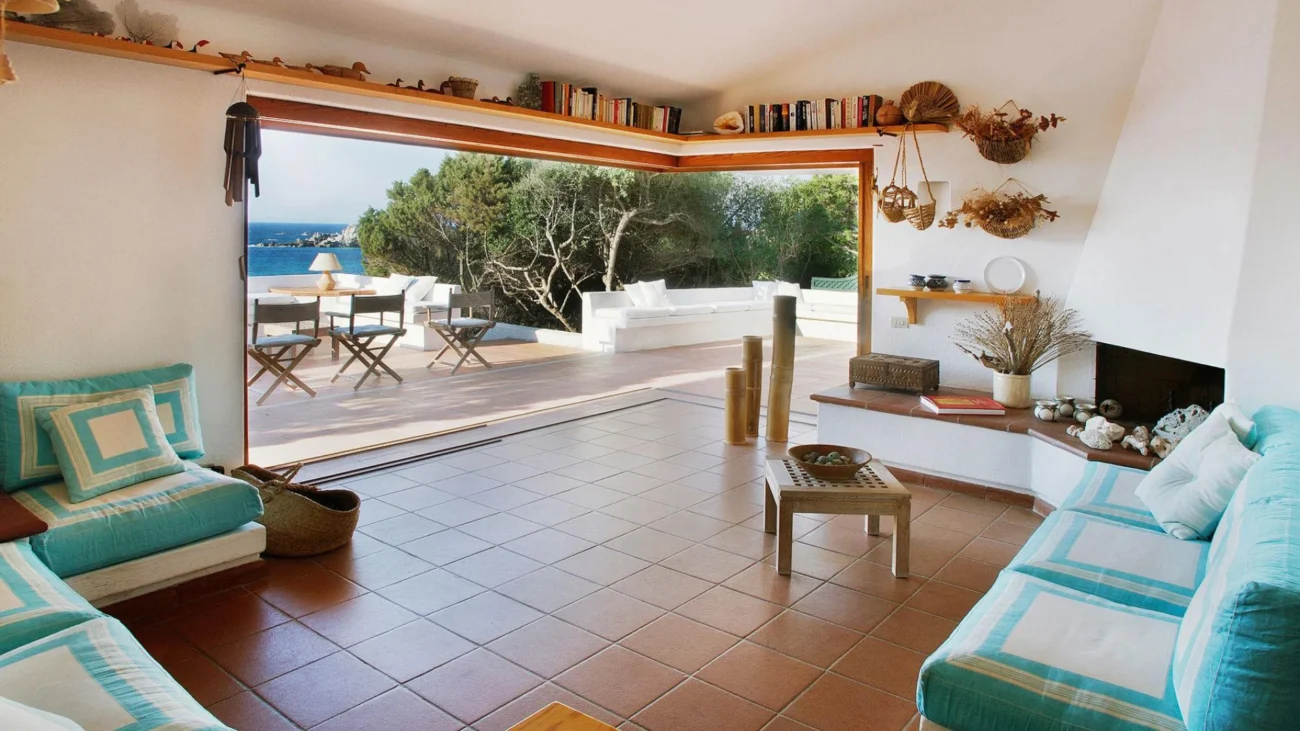
In elite Sardinia coastal homes, outdoor settings are styled as curated extensions of interior design narratives, reinforcing brand identity and lifestyle positioning.
Cultural Context: Sardinia’s Architectural DNA
Traditional Sardinian architecture—thick stone walls, shaded courtyards, and restrained ornamentation—offers valuable lessons. The archetypal Mediterranean summer house respects wind direction, maximizes cross-ventilation, and privileges communal outdoor life.
Furniture within Sardinia coastal homes should echo this pragmatism. Oversized, ostentatious pieces feel incongruent against vernacular simplicity. Instead, refined craftsmanship, tactile materials, and proportionally balanced forms elevate beach house furniture into timeless companions rather than seasonal décor.
Emerging Innovations in Coastal Furniture Design
Contemporary research in material science is reshaping expectations for beach house furniture. Innovations include:
- Advanced powder coatings with enhanced UV inhibitors
- Recycled marine plastics engineered for structural strength
- Textiles incorporating nanotechnology for stain resistance
- Hybrid composites combining natural fibers with weatherproof resins
For architects designing next-generation Sardinia coastal homes, these developments enable the creation of a Mediterranean summer house that is both ecologically responsible and technically resilient.
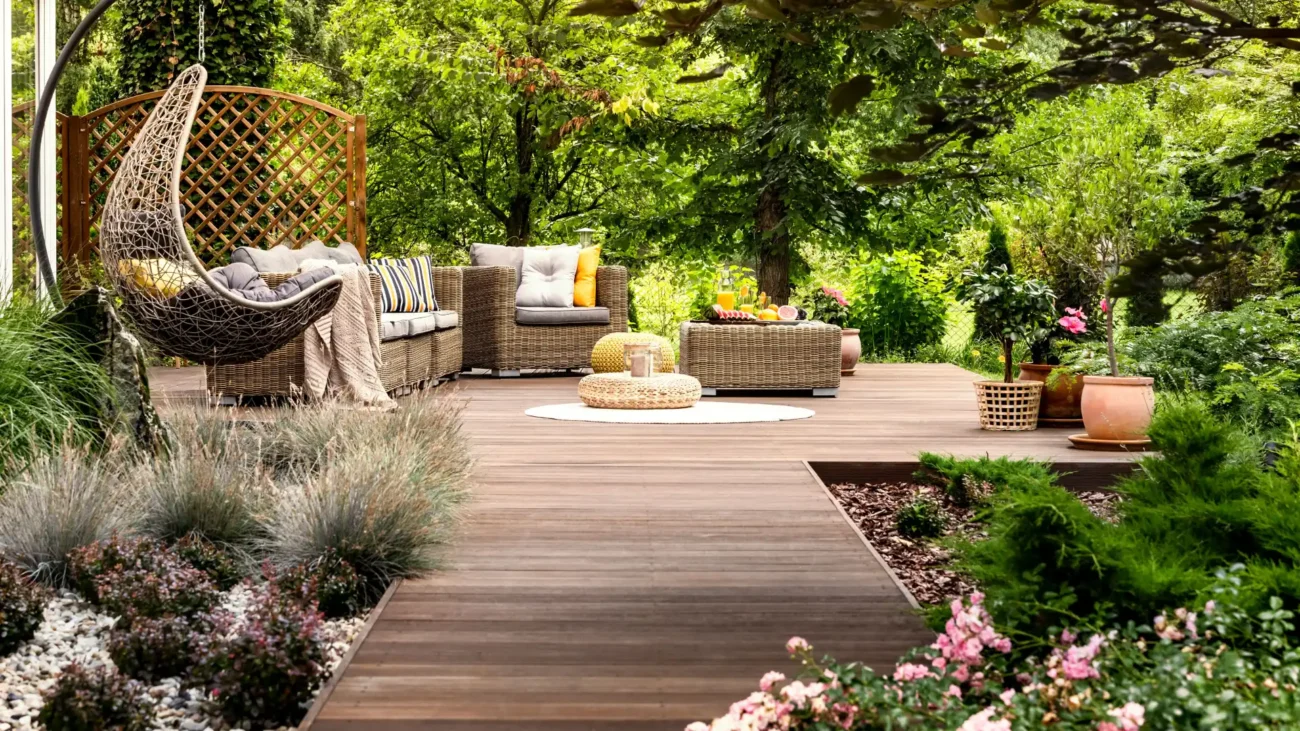
The Mediterrazza Perspective: Designing for Elemental Beauty
At Mediterrazza, we view beach house furniture not as an accessory, but as architectural infrastructure. In Sardinia coastal homes, each piece must converse with sea spray, limestone terraces, and shifting light.
A truly enduring Mediterranean summer house balances poetry and precision: materials selected with marine intelligence, forms inspired by landscape, and craftsmanship calibrated to withstand decades of coastal exposure.
Sardinia teaches restraint. It rewards authenticity. And in its luminous, salt-scented air, furniture that is thoughtfully designed does more than survive—it becomes part of the island’s narrative.
The Takeaway
Designing for Sardinia demands more than aesthetic sensitivity. It requires material literacy, environmental awareness, and a deep respect for context. For professionals shaping Sardinia coastal homes and for owners curating their Mediterranean summer house, the selection of beach house furniture is a decisive act.
When durability, sustainability, and design integrity converge, outdoor living transcends functionality. It becomes an expression of permanence in a landscape defined by wind, salt, and sun—a refined response to one of the Mediterranean’s most captivating environments.