

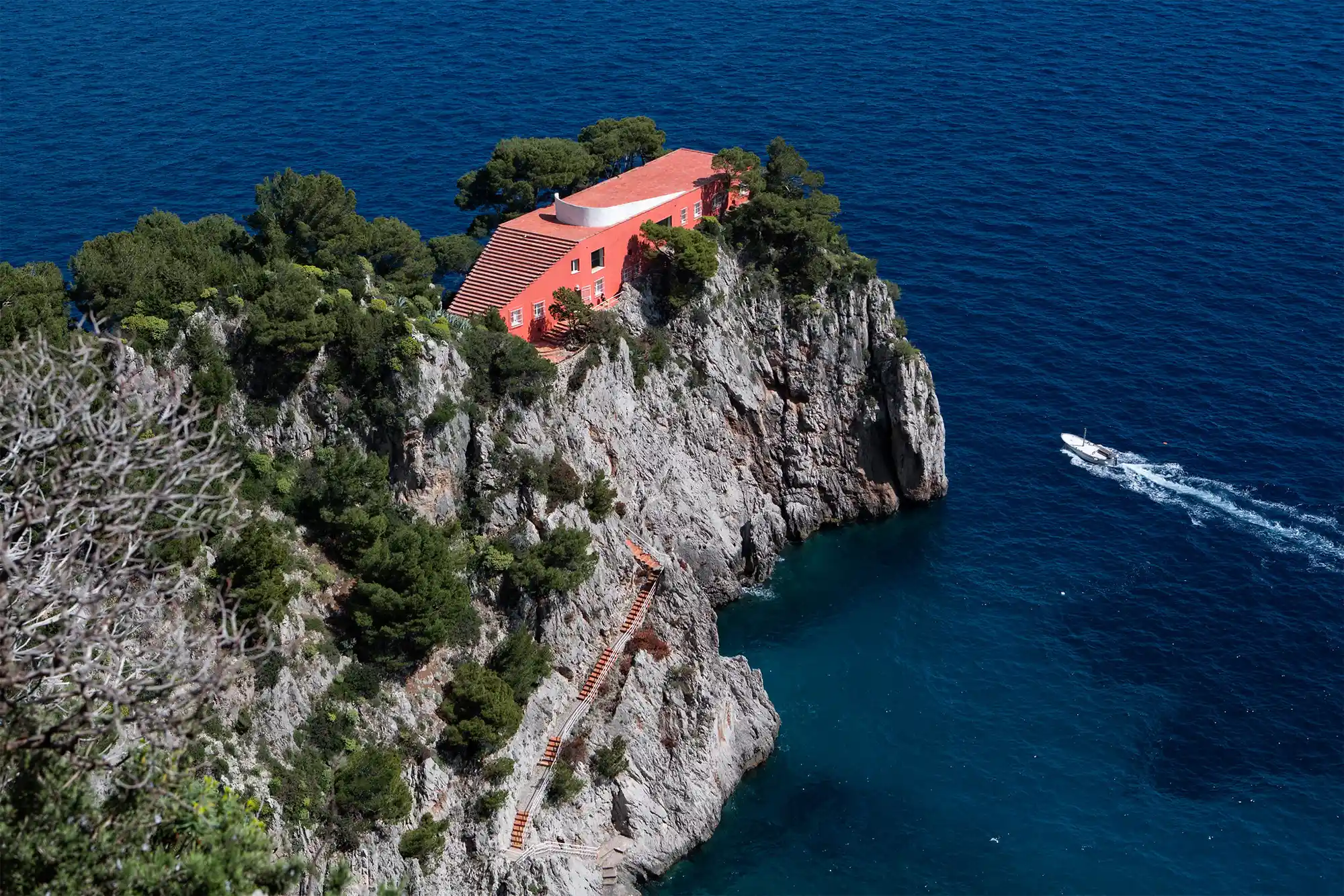
Few buildings express the power of landscape and architecture as dramatically as Casa Malaparte. Perched on a rugged promontory above the sea, this iconic house features one of the most extraordinary rooftop terraces ever created in Mediterranean Architecture.
Designed in collaboration between architect Adalberto Libera and writer Curzio Malaparte, the villa was built between 1938 and 1942 on the cliffs of Capri. Its bold geometry and panoramic rooftop transform the building into a sculptural extension of the landscape.
For outdoor designers, furniture brands, and luxury architecture studios, Casa Malaparte remains a masterclass in how a rooftop terrace can become an architectural stage—where landscape, structure, and outdoor living merge into a singular experience.
A Cliffside Monument in Mediterranean Architecture
Casa Malaparte stands on Punta Massullo, a narrow limestone promontory rising about 32 meters above the sea, overlooking the Gulf of Salerno.
Its location is deliberately extreme. The villa is isolated from the town of Capri and can be reached only by boat followed by a climb up a staircase carved into the cliff or by a long hike across the island.
This isolation is fundamental to the architectural concept. Rather than imposing itself on the landscape, the house appears carved from the rock itself. The structure’s simple red masonry volume contrasts with the surrounding Mediterranean blues and greens while reinforcing the building’s geometric purity.
Within the broader context of Mediterranean Architecture, Casa Malaparte represents a rare hybrid: modernist in its minimal geometry, yet deeply rooted in the region’s dramatic topography and craftsmanship.
The Staircase That Defines the Architecture
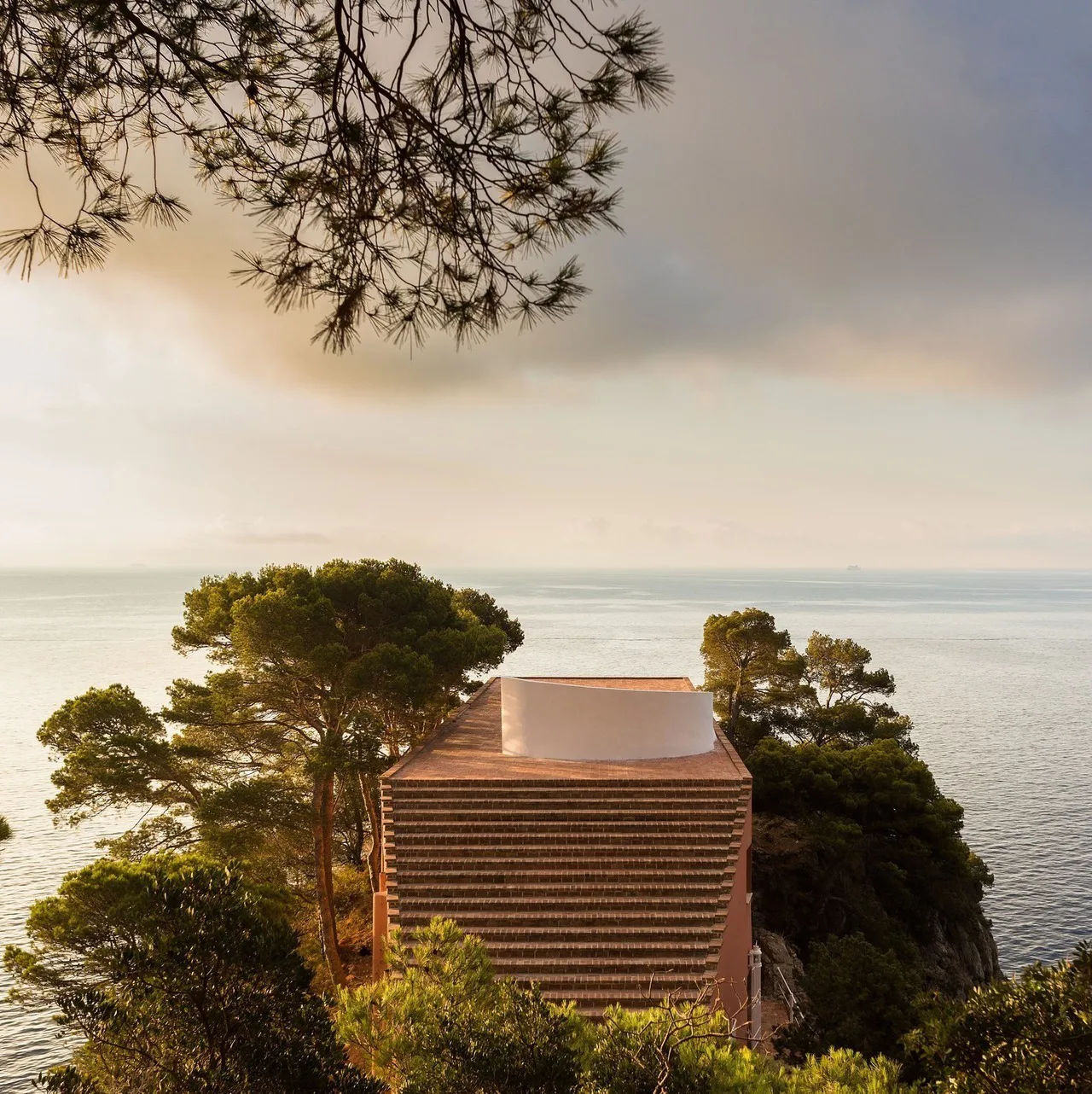
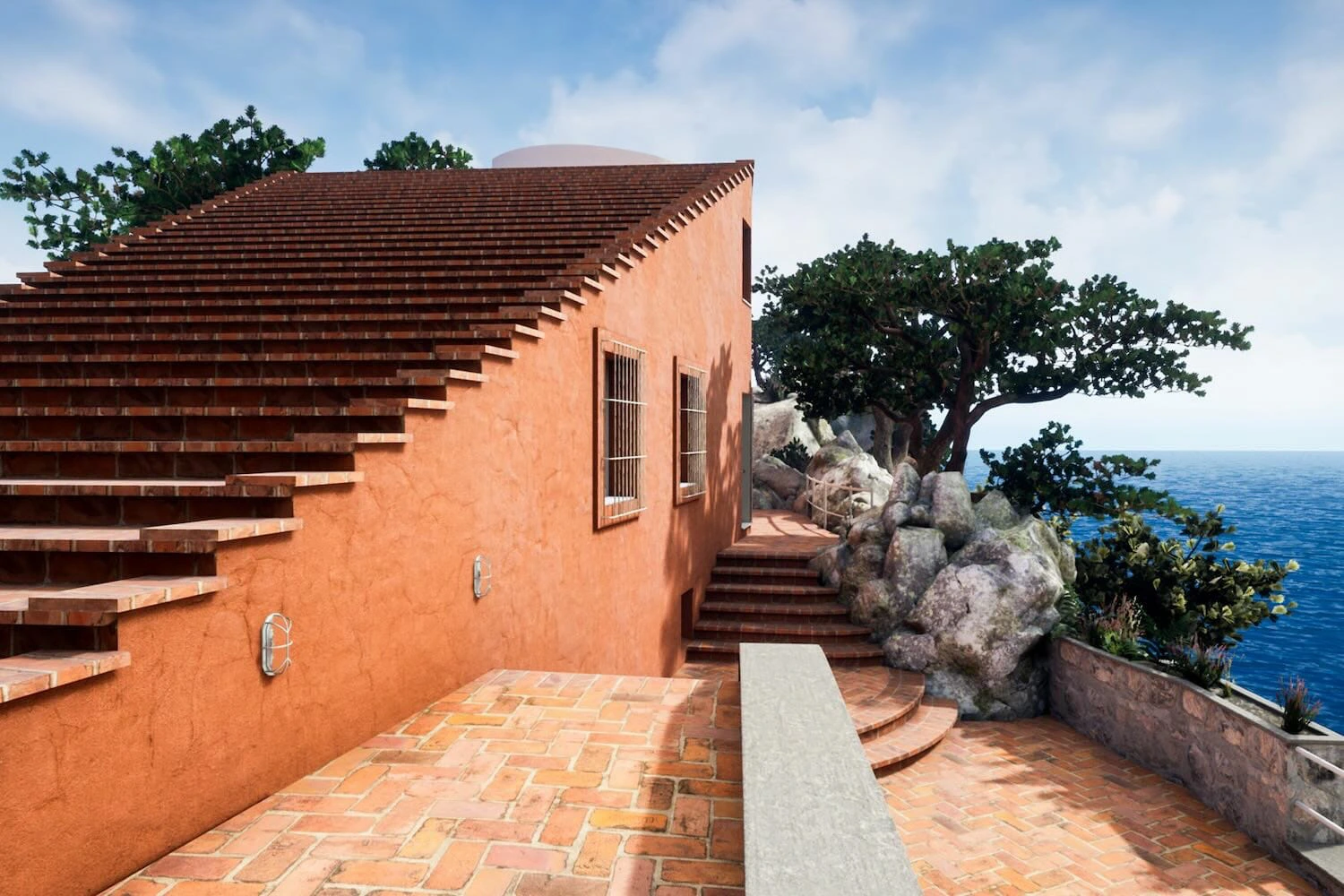
The most recognizable feature of the house—and the defining gesture of its outdoor design—is the monumental trapezoidal staircase leading to the roof terrace.
This staircase spans nearly the entire width of the building and rises gradually to the top, creating the impression of a ceremonial procession rather than a conventional architectural circulation element.
Unlike most houses, the staircase does not lead to an entrance door. Instead, it leads directly to the roof terrace, transforming the roof itself into the primary outdoor living space.
The result is a striking architectural narrative:
- The cliff becomes the foundation
- The red structure becomes the platform
- The staircase becomes the pathway
- The rooftop becomes the destination
For outdoor designers, this approach demonstrates how circulation can become a dramatic spatial experience rather than merely a functional necessity.
The Rooftop Terrace as an Outdoor Stage
At the top of the staircase lies one of the most iconic rooftop terraces in architectural history.
The roof is a flat solarium-like platform designed as a monumental outdoor room suspended between sea and sky.
Unlike traditional Mediterranean terraces filled with furniture or pergolas, the space is intentionally minimal. The terrace is largely empty, allowing the surrounding landscape to dominate the experience.
Its defining elements include:
- A vast open surface overlooking the Mediterranean
- A sculptural curved white wall acting as a wind shield and architectural accent
- Uninterrupted views of the sea and surrounding cliffs
- A seamless transition between architecture and horizon
This curving white element also conceals the chimney and provides privacy from the staircase below while reinforcing the sculptural character of the terrace.
The simplicity of the design makes the terrace feel almost abstract—an architectural platform designed purely for contemplation, sunbathing, and observing the sea.
Outdoor Living Without Ornament
One of the most striking aspects of Casa Malaparte’s rooftop terrace is the absence of decorative elements.
The terrace demonstrates a key principle of Mediterranean Architecture: the landscape itself becomes the ornament.
Instead of traditional features such as pergolas, columns, or balustrades, the terrace relies on:
- Horizon lines
- Natural light
- Wind and sea movement
- The geometry of the building
This approach anticipates many contemporary luxury outdoor design trends, particularly the idea of architectural minimalism in outdoor spaces.
For luxury design studios and outdoor furniture brands, the lesson is clear: when the context is powerful enough, restraint can create the most dramatic design.
Materials Rooted in Mediterranean Tradition
Although Casa Malaparte looks modernist, its materials reflect regional construction traditions.
The house uses terracotta bricks, stone, and cement, typical of Mediterranean masonry techniques.
The exterior is finished in a distinctive Pompeii red, a color historically associated with classical Roman architecture and Mediterranean settlements.
These materials give the building a timeless quality. Despite its modern geometry, the house feels deeply connected to the history of coastal Italian architecture.
For architects and designers, this combination of modern form and traditional materials is a key reason the project remains influential today.
A Cultural Icon of Outdoor Architecture
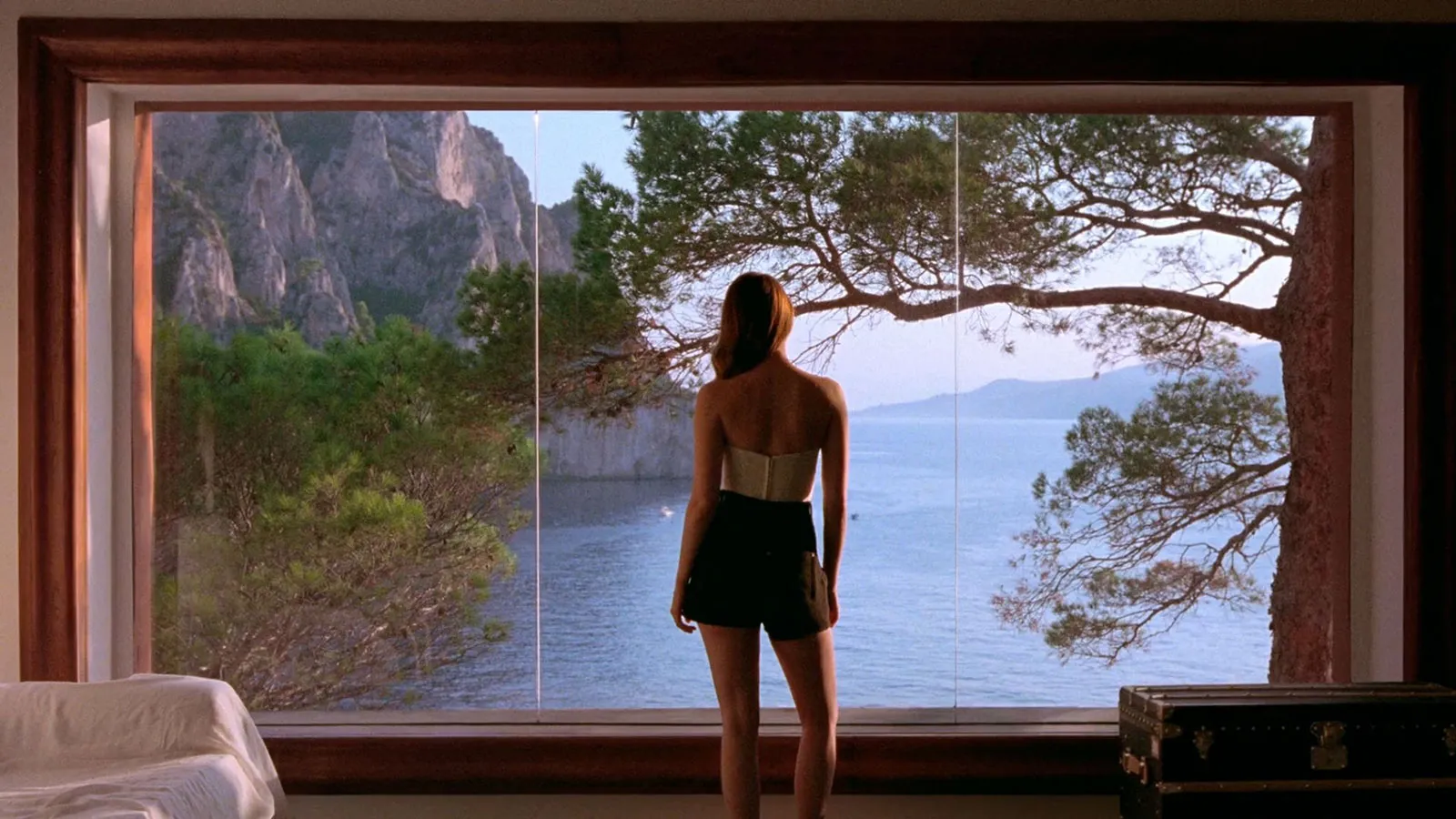
The rooftop terrace of Casa Malaparte gained international fame after appearing in the 1963 film Contempt, where the terrace became a dramatic cinematic setting overlooking the Mediterranean.
Since then, the space has become a powerful symbol in architecture, fashion, and visual culture. Luxury fashion houses and creative brands have used the terrace as a backdrop for campaigns and artistic projects, reinforcing its status as a cultural landmark.
Its iconic status comes from its simplicity: a single architectural gesture that transforms a roof into an unforgettable spatial experience.
Lessons for Outdoor Designers and Luxury Brands
For professionals working in outdoor design, architecture, and luxury environments, Casa Malaparte offers several timeless design principles.
1. Landscape Is the Primary Design Element
The terrace works because it frames the surrounding landscape rather than competing with it.
2. Geometry Creates Drama
The monumental staircase and rooftop platform demonstrate how pure geometry can produce powerful spatial experiences.
3. Minimalism Enhances Outdoor Luxury
By removing unnecessary elements, the terrace becomes more dramatic and emotionally impactful.
4. Architecture Can Become a Viewing Device
The terrace acts like a stage or observatory, directing attention toward the sea and horizon.
Why Casa Malaparte Still Defines Mediterranean Architecture
More than eighty years after its construction, Casa Malaparte remains one of the most powerful examples of Mediterranean Architecture.
Its rooftop terrace proves that outdoor design does not require elaborate landscaping or complex structures. Instead, architecture can create extraordinary outdoor spaces through placement, geometry, and respect for the natural environment.
For architects, outdoor designers, and luxury brands, the terrace is more than an architectural feature—it is a lesson in how minimal design can create maximum emotional impact.
Few terraces in the world demonstrate this idea as dramatically as the rooftop of Casa Malaparte, a timeless masterpiece suspended between rock, sky, and sea.