

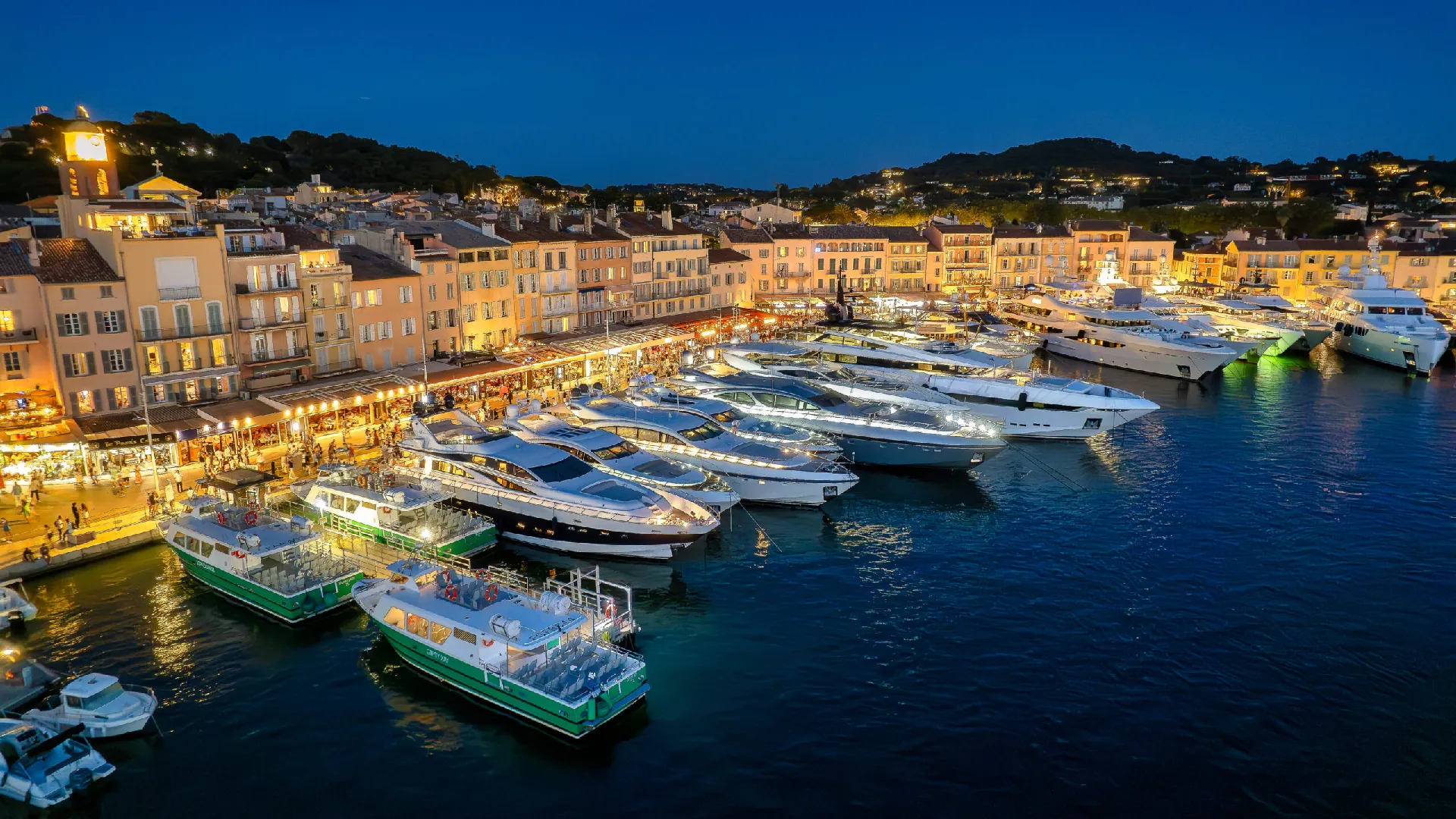
The legendary waterfront of Saint-Tropez is synonymous with Mediterranean glamour—sleek yachts, pastel facades, and terraces overlooking one of the most celebrated harbors in Europe. Yet behind the iconic postcard views, many Saint-Tropez harbor apartments feature surprisingly compact outdoor spaces. These terraces, often perched above the lively marina or tucked into historic buildings, demand thoughtful design strategies to achieve both comfort and elegance.
For architects, designers, and discerning homeowners, the challenge lies in transforming limited square meters into refined outdoor living rooms that reflect the relaxed sophistication of a Mediterranean home. With intelligent terrace furniture layout, high-quality materials, and a sensitivity to the harbor’s unique climate and architectural character, even the smallest terrace can become a captivating extension of the interior.
This editorial guide explores how to furnish compact terraces in Saint-Tropez harbor apartments, blending spatial efficiency with the effortless allure that defines the Côte d’Azur lifestyle.
The Architectural Context of Saint-Tropez Harbor Apartments
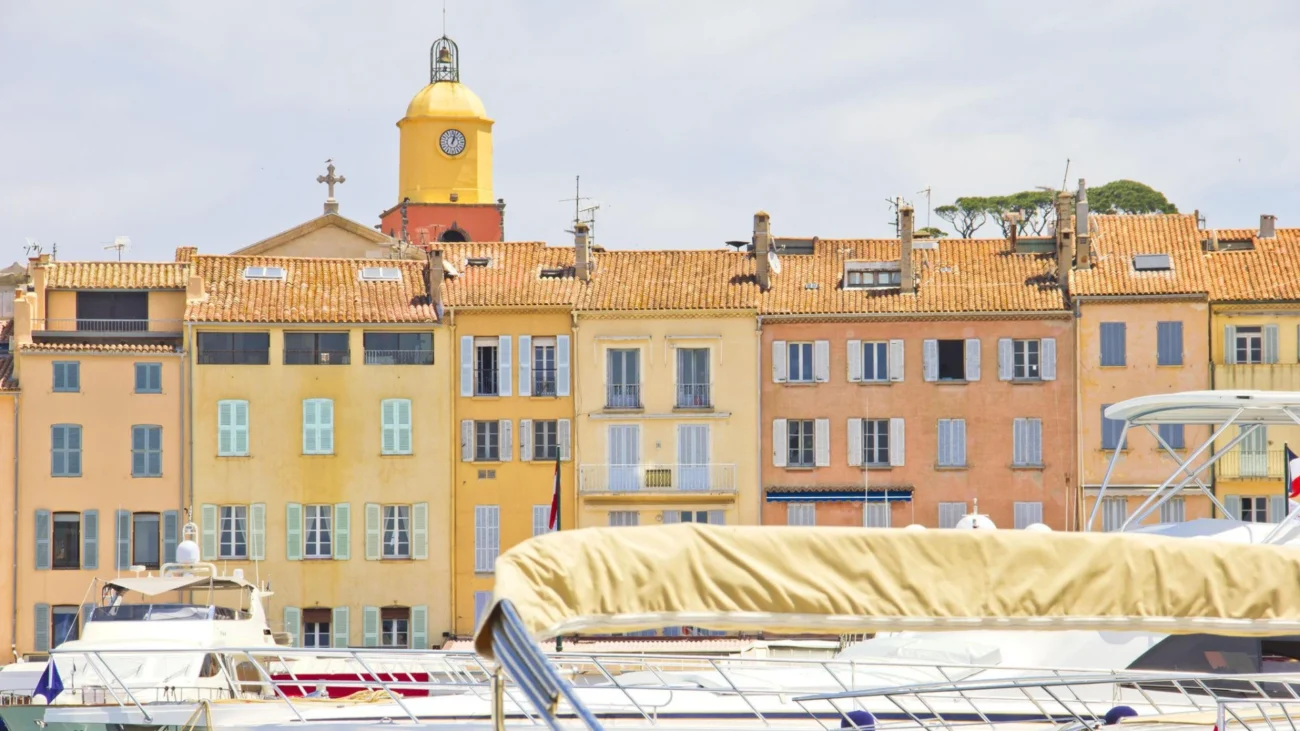
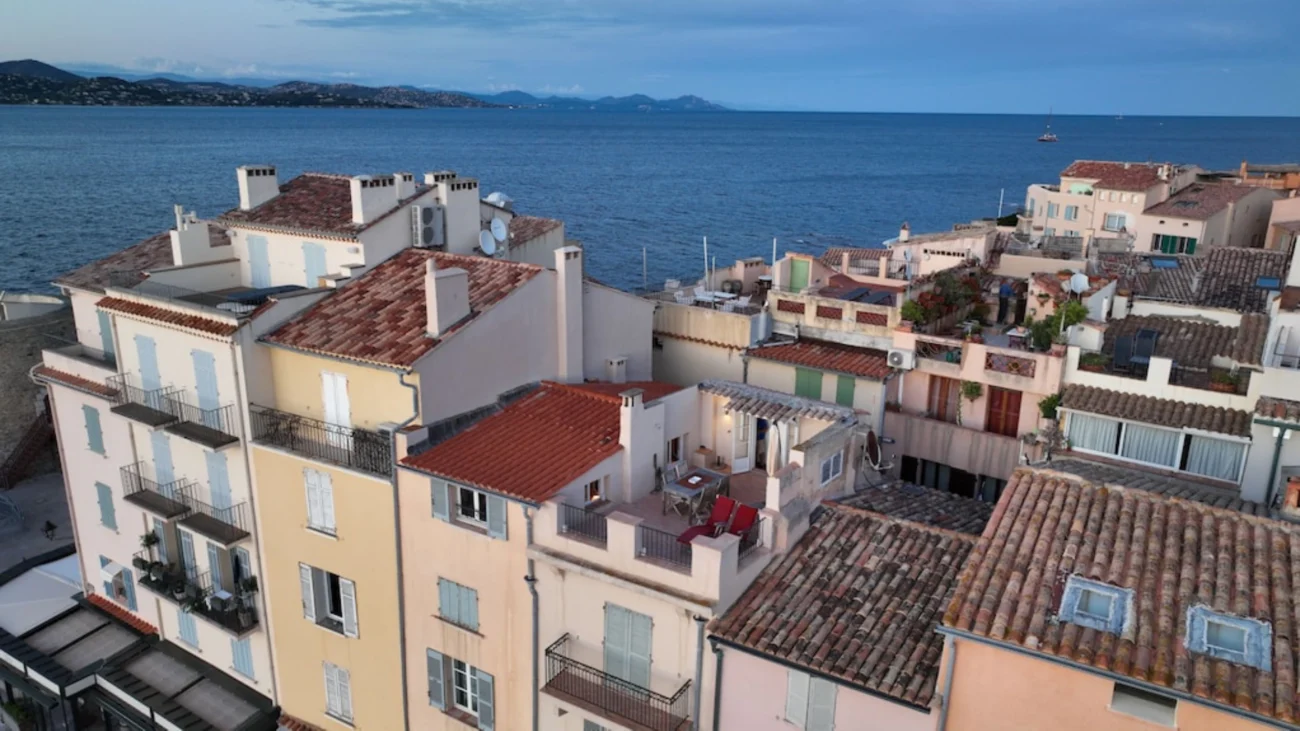
Many Saint-Tropez harbor apartments occupy historic buildings that date back to the fishing village era. Their terraces often appear as narrow balconies, roof extensions, or corner loggias overlooking the marina. These outdoor spaces are rarely expansive, yet they offer something far more valuable: proximity to one of the Mediterranean’s most vibrant landscapes.
Designing these terraces requires understanding both architectural heritage and environmental context. The harbor environment introduces intense sunlight, sea breeze, and salt exposure—conditions that influence every aspect of outdoor furnishing.
The spatial reality typically includes:
- Terraces ranging from 4 to 12 square meters
- Irregular layouts shaped by historic facades
- Direct views of the marina or surrounding hills
- Limited storage and circulation space
In this context, a refined terrace furniture layout becomes essential. Rather than filling the terrace with objects, the objective is to curate a carefully balanced composition that prioritizes movement, views, and atmosphere.
Design Principles for Compact Mediterranean Terraces
The best terraces in Saint-Tropez harbor apartments operate according to a few fundamental principles rooted in Mediterranean living: simplicity, openness, and connection to the landscape.
Prioritize the View
The harbor panorama is the defining luxury of these apartments. Any terrace furniture layout should orient seating toward the water, allowing residents and guests to experience the rhythm of arriving yachts, shimmering reflections, and the vibrant life of the quay.
Designers often create a single focal seating area facing outward rather than multiple fragmented zones.
Embrace Airiness
Compact terraces benefit from visual lightness. Furniture with slim frames, open weaves, or sculptural silhouettes preserves a sense of space while still providing comfort.
This approach reflects the aesthetic heritage of the Mediterranean home, where breezes, sunlight, and outdoor living merge seamlessly.
Design with Movement in Mind
Circulation should remain fluid even in small terraces. A well-considered terrace furniture layout maintains clear pathways from the apartment door to the railing, preventing the terrace from feeling crowded.
Strategic Terrace Furniture Layouts
While each terrace presents unique dimensions, several spatial configurations consistently work well in Saint-Tropez harbor apartments.
The Linear Harbor Lounge
This layout places seating parallel to the railing, maximizing views while maintaining open circulation behind the furniture.
- Slim outdoor sofa or built-in bench
- Compact coffee table
- Two lightweight lounge chairs
The linear composition emphasizes the terrace’s horizontal dimension and visually extends the space toward the sea.
The Bistro Corner
Inspired by the café culture of the Riviera, this arrangement suits narrow terraces commonly found in historic Saint-Tropez harbor apartments.
- Round pedestal table
- Two folding or stackable chairs
- Wall-mounted planter or lantern
The result is an intimate breakfast or aperitif setting that embodies the spirit of a relaxed Mediterranean home.
The Compact Conversation Zone
For terraces slightly larger than average, designers can create a small lounge environment.
- Two low armchairs positioned diagonally
- A round coffee table
- A narrow console or plant stand against the wall
This configuration supports conversation while maintaining openness toward the harbor.
Material Selection for Coastal Durability
Furniture on terraces in Saint-Tropez harbor apartments must withstand marine conditions without compromising aesthetic refinement.
Salt air, intense sunlight, and seasonal humidity demand materials that combine durability with timeless elegance.
Marine-Grade Metals
Powder-coated aluminum or stainless steel structures resist corrosion and maintain structural integrity in coastal environments. Their lightweight nature also benefits compact terrace furniture layout strategies.
Teak and Natural Woods
Teak remains one of the most trusted materials for outdoor furnishings in the Mediterranean climate. Its natural oils provide resilience against moisture and salt while aging gracefully into a silver patina.
Outdoor Textiles
Performance fabrics designed for exterior use ensure comfort without sacrificing durability. These materials resist UV fading and mold growth, essential qualities for terraces exposed to the sun and sea breeze.
Organizations such as the Architectural Digest outdoor furniture guide emphasize selecting materials specifically engineered for coastal climates, reinforcing the importance of durability alongside design.
Color Palettes Inspired by the Mediterranean
The visual identity of Saint-Tropez harbor apartments is shaped by the colors of the Riviera: soft pastels, sun-washed stone, and the deep blues of the Mediterranean Sea.
An effective terrace palette typically reflects this environment while maintaining sophistication.
Neutral Foundations
Soft whites, sand tones, and pale taupes provide an elegant base that complements historic facades and allows harbor views to remain dominant.
Marine Accents
Subtle touches of navy, azure, or seafoam green evoke the maritime character of the port without overwhelming the space.
Terracotta and Natural Textures
Clay planters, woven rugs, and linen cushions reinforce the warmth and authenticity associated with the Mediterranean home.
Vertical Design: Expanding Space Without Expanding Footprint
When terraces are limited in size, vertical design becomes an essential strategy. Designers working with Saint-Tropez harbor apartments frequently incorporate elements that draw the eye upward while preserving floor space.
Wall-Mounted Planters
Vertical greenery introduces life and texture without interfering with the terrace furniture layout.
Compact Lighting Solutions
Slim wall sconces or discreet pendant lights create evening ambiance while freeing valuable table surfaces.
Climbing Plants
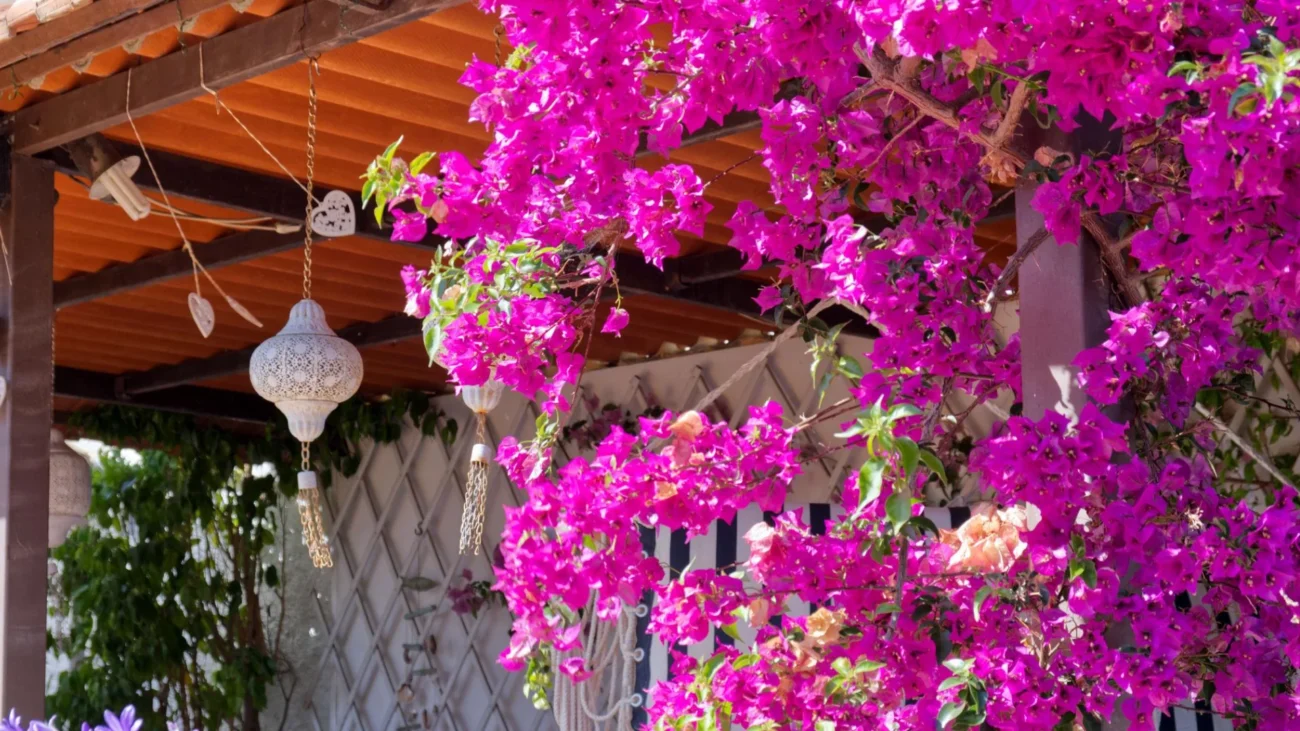
Mediterranean vines such as jasmine or bougainvillea bring fragrance and color to terraces while echoing the region’s architectural charm.
Creating Atmosphere: The Essence of Harbor Living
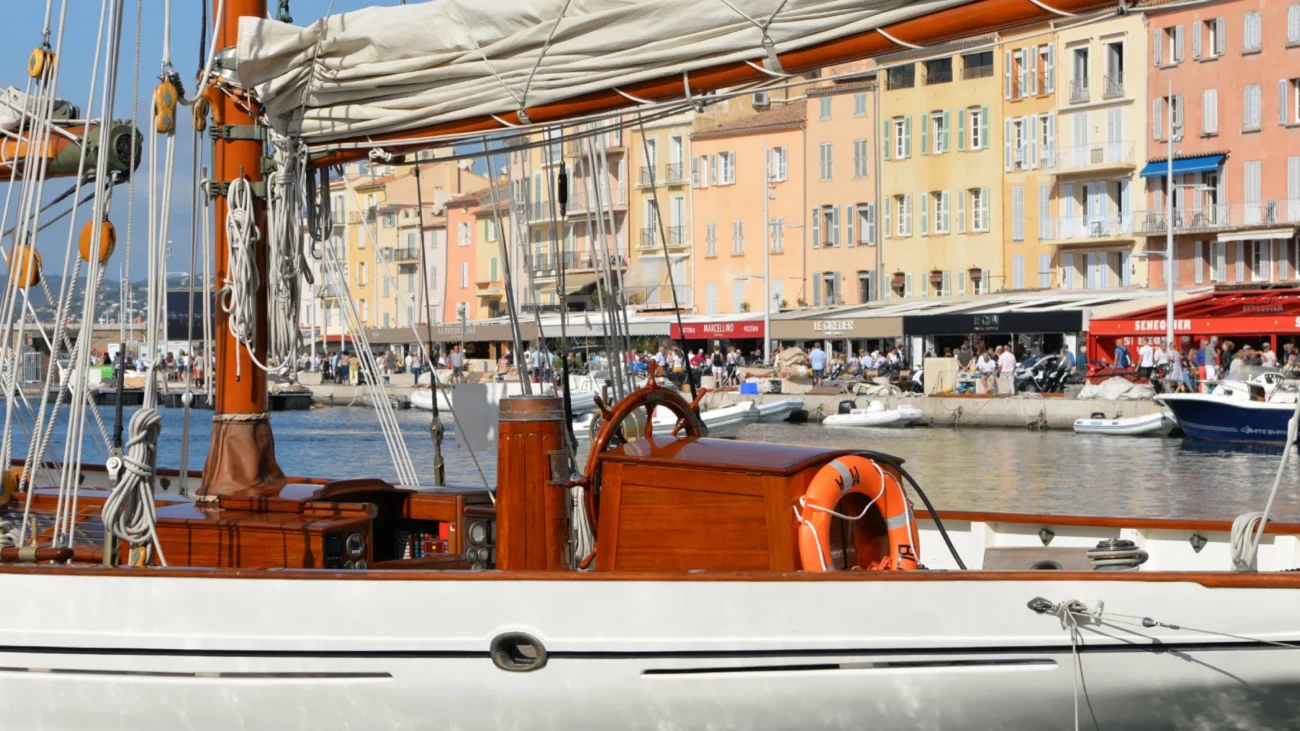
Ultimately, terraces in Saint-Tropez harbor apartments are not defined by size but by atmosphere. The sound of halyards against masts, the glow of sunset over the marina, and the gentle rhythm of harbor life all contribute to an experience that transcends square footage.
A carefully curated terrace furniture layout supports these sensory elements by encouraging relaxation, conversation, and contemplation.
Key atmospheric components include:
- Warm ambient lighting for evening gatherings
- Soft outdoor textiles for comfort
- Fragrant Mediterranean plants such as lavender or rosemary
- Minimal yet elegant decorative objects
These elements transform the terrace into a true extension of the Mediterranean home, where indoor refinement meets outdoor freedom.
Lessons for Designers and Homeowners
The terraces of Saint-Tropez harbor apartments offer valuable lessons for design professionals and homeowners worldwide. Limited space encourages creativity, precision, and a deeper understanding of how outdoor environments function.
Successful terraces typically follow a few guiding principles:
- Prioritize quality over quantity in furniture selection
- Maintain a coherent and intentional terrace furniture layout
- Choose durable materials suited to coastal conditions
- Reflect the colors and textures of the Mediterranean home
- Celebrate views and natural light
The Takeaway
In the refined world of Saint-Tropez harbor apartments, terraces represent a rare and coveted luxury. Even when modest in size, these outdoor spaces possess extraordinary potential. With thoughtful spatial planning, durable materials, and a design language rooted in Mediterranean culture, compact terraces can evolve into elegant harbor retreats.
A well-considered terrace furniture layout does more than organize furniture—it shapes the experience of the space itself. It frames views of the marina, invites moments of relaxation, and expresses the timeless lifestyle associated with the Mediterranean home.
For designers and homeowners alike, the lesson is clear: in Saint-Tropez, true luxury is not measured in square meters but in the quality of outdoor living crafted within them.