

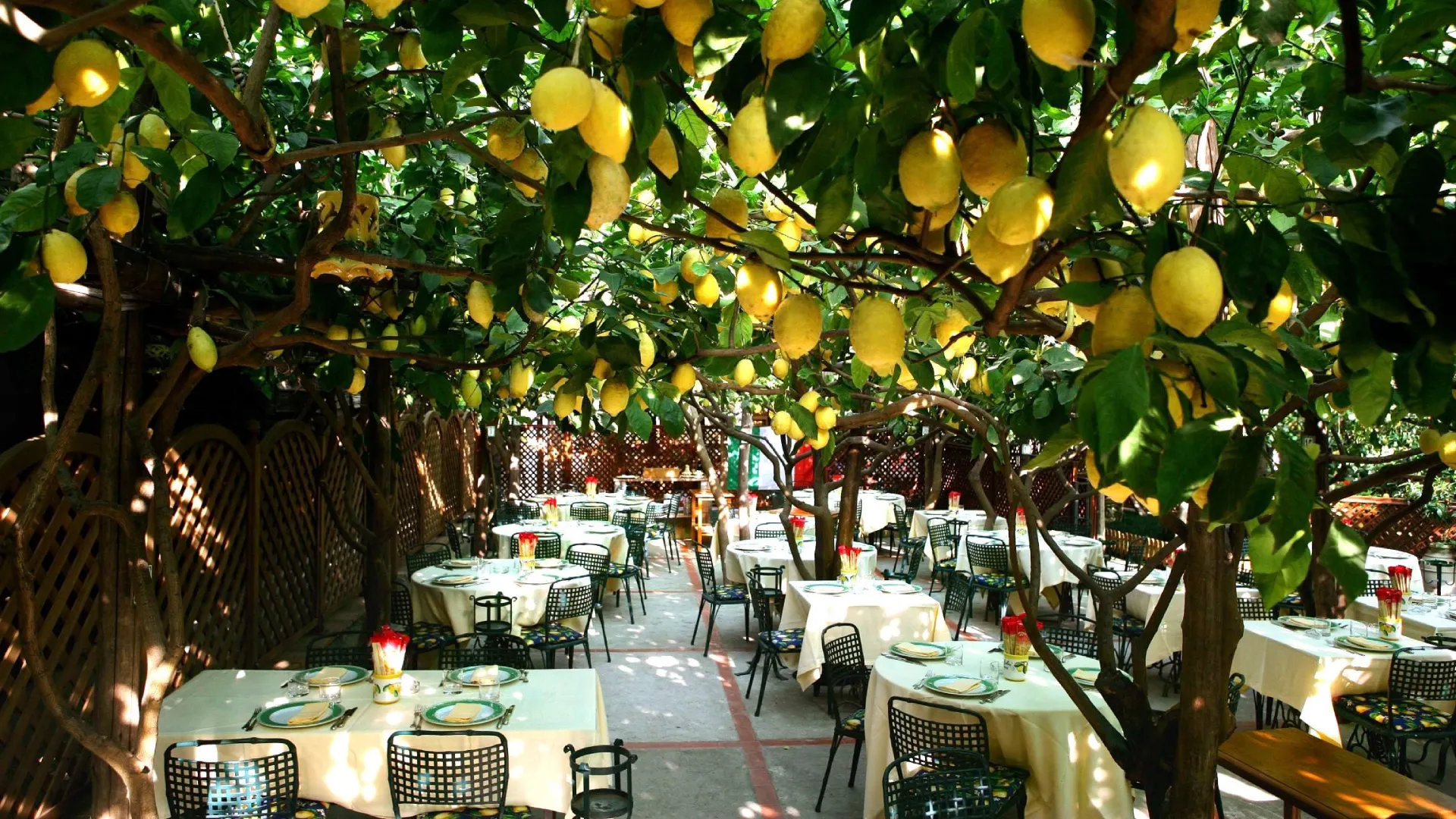
Few places capture the poetry of Mediterranean living as vividly as the Sicilian villas scattered across the island’s sunlit landscapes. Between volcanic hills, olive groves, and fragrant citrus orchards, these residences embody the essence of a Mediterranean garden villa: architecture shaped by climate, culture, and centuries of outdoor life. In Sicily, terraces and gardens are not merely extensions of the home, they are its soul.
From the aristocratic estates surrounding Palermo to secluded coastal retreats facing the Ionian Sea, Sicilian villas have long celebrated the art of outdoor living. Their courtyards glow with terracotta hues, pergolas filter golden sunlight through vines, and shaded terraces host long lunches that stretch into evening. The enduring charm of the Sicilian outdoor lifestyle lies in this seamless dialogue between architecture and nature.
For architects, landscape designers, and discerning homeowners, these villas offer a compelling case study in climate-responsive design and cultural continuity. Their gardens—framed by citrus trees and aromatic herbs—reveal a philosophy where leisure, landscape, and architecture merge effortlessly.
The Cultural Legacy of Sicilian Garden Living
Sicily’s outdoor culture reflects a remarkable convergence of civilizations. Greek, Arab, Norman, and Spanish influences have shaped the island’s architecture and landscape traditions over centuries. The result is a distinctive model of the Mediterranean garden villa, where ornamental gardens meet agricultural abundance.
Many historic Sicilian villas originated as rural estates or noble retreats known as “bagli” or “masserie.” These residences integrated orchards, courtyards, and shaded walkways designed to mitigate the Mediterranean climate. Thick stone walls preserved cool interiors while gardens offered natural ventilation and restorative shade.
Today, these traditions continue to inspire contemporary architects who reinterpret the Sicilian outdoor lifestyle through minimalist pergolas, expansive terraces, and refined outdoor lounges that maintain the island’s enduring relationship with nature.
The Symbolism of Citrus Gardens
Perhaps the most evocative feature of a Mediterranean garden villa in Sicily is the citrus garden. Orange, lemon, and bergamot trees have defined the island’s landscape since Arab agricultural innovations transformed the region in the Middle Ages.
Beyond their fragrance and beauty, citrus groves provide a microclimate that enhances outdoor comfort. Their dense foliage softens sunlight, while their blossoms perfume terraces and courtyards throughout the spring.
- Visual harmony: bright fruit contrasts against pale limestone architecture.
- Seasonal rhythm: blooming cycles reinforce the connection between home and landscape.
- Sensory richness: scent, texture, and shade enhance the outdoor experience.
Within many Sicilian villas, citrus trees are planted in geometric patterns reminiscent of historic Islamic gardens, reinforcing the island’s multicultural heritage.
Architecture Designed for the Sicilian Outdoor Lifestyle
At the heart of the Sicilian outdoor lifestyle lies a thoughtful architectural language designed to blur the boundaries between interior and exterior spaces. In a Mediterranean garden villa, rooms flow naturally toward terraces, loggias, and courtyards.
This spatial continuity reflects an understanding of climate and social rituals that have shaped Sicilian culture for centuries.
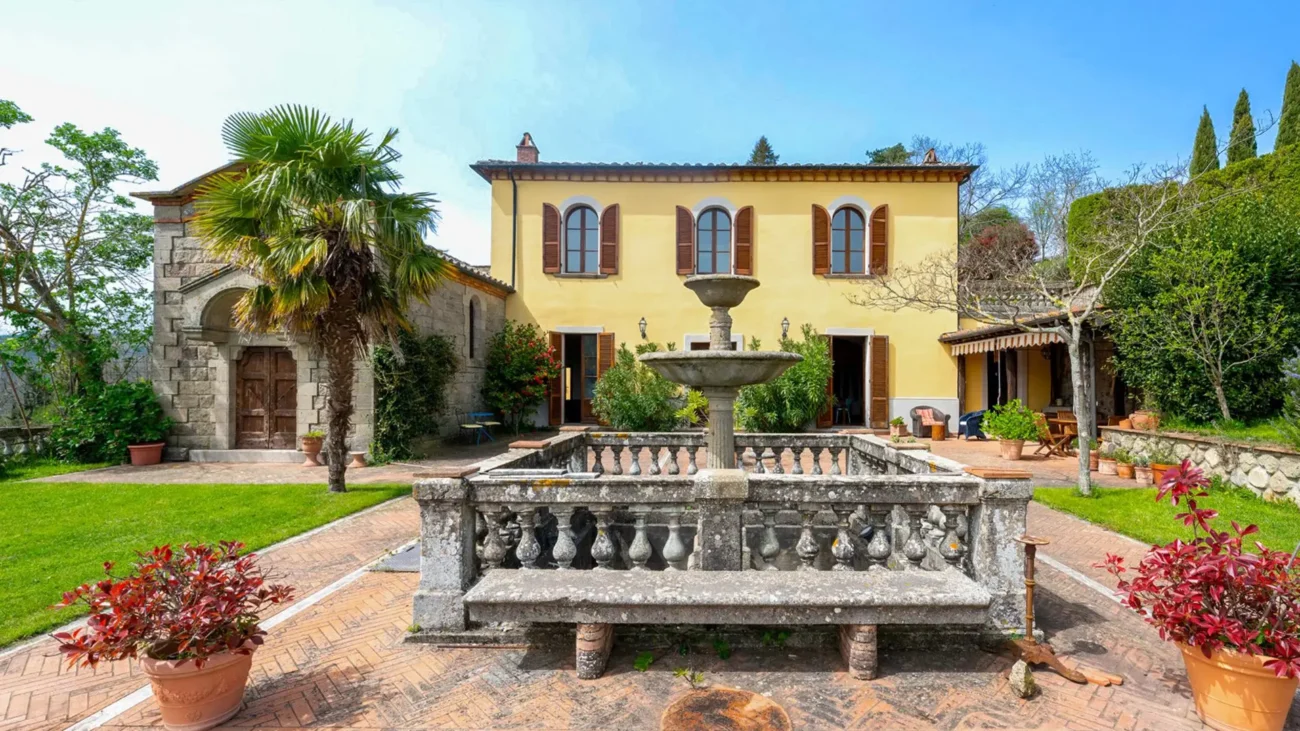
Key Architectural Elements of Sicilian Villas
- Shaded loggias: transitional spaces that protect against midday heat.
- Pergola-covered terraces: often draped in vines or bougainvillea.
- Stone courtyards: central gathering areas surrounded by the villa’s main rooms.
- Panoramic terraces: oriented toward vineyards, sea views, or citrus groves.
- Water features: fountains and basins that cool the surrounding microclimate.
These features transform outdoor areas into living rooms beneath the sky—spaces where conversation, dining, and reflection unfold naturally.
The Landscape Design of Mediterranean Garden Villas
Landscape design plays an equally important role in shaping the identity of Sicilian villas. The gardens are rarely ornamental alone; they embody a philosophy of productive beauty, where agricultural traditions coexist with refined aesthetics.
A typical Mediterranean garden villa integrates diverse plantings that thrive in Sicily’s dry summers and mild winters.
Signature Plants in Sicilian Villa Gardens
- Lemon and orange trees
- Olive groves
- Lavender and rosemary hedges
- Bougainvillea climbing pergolas
- Fig and almond trees
- Cypress-lined pathways
Together, these elements create a layered garden environment that embodies the spirit of the Sicilian outdoor lifestyle. Pathways lead from shaded courtyards to sunlit terraces, inviting residents to move gradually through the landscape.
Outdoor Living as a Daily Ritual
The defining quality of Sicilian villas is not simply their architecture—it is the rituals they foster. Life unfolds outdoors for much of the year, shaping a culture centered around hospitality, shared meals, and relaxed conversation beneath open skies.
Within a Mediterranean garden villa, the terrace becomes a social stage where everyday moments gain ceremonial beauty.
Typical Outdoor Moments in Sicilian Villa Life
- Morning espresso beneath a citrus pergola.
- Midday lunches shaded by linen canopies.
- Afternoon reading in quiet garden corners.
- Evening aperitivo overlooking vineyards or sea.
- Long communal dinners under lantern-lit terraces.
This rhythm defines the essence of the Sicilian outdoor lifestyle, where architecture supports a slower, more sensory engagement with time and place.
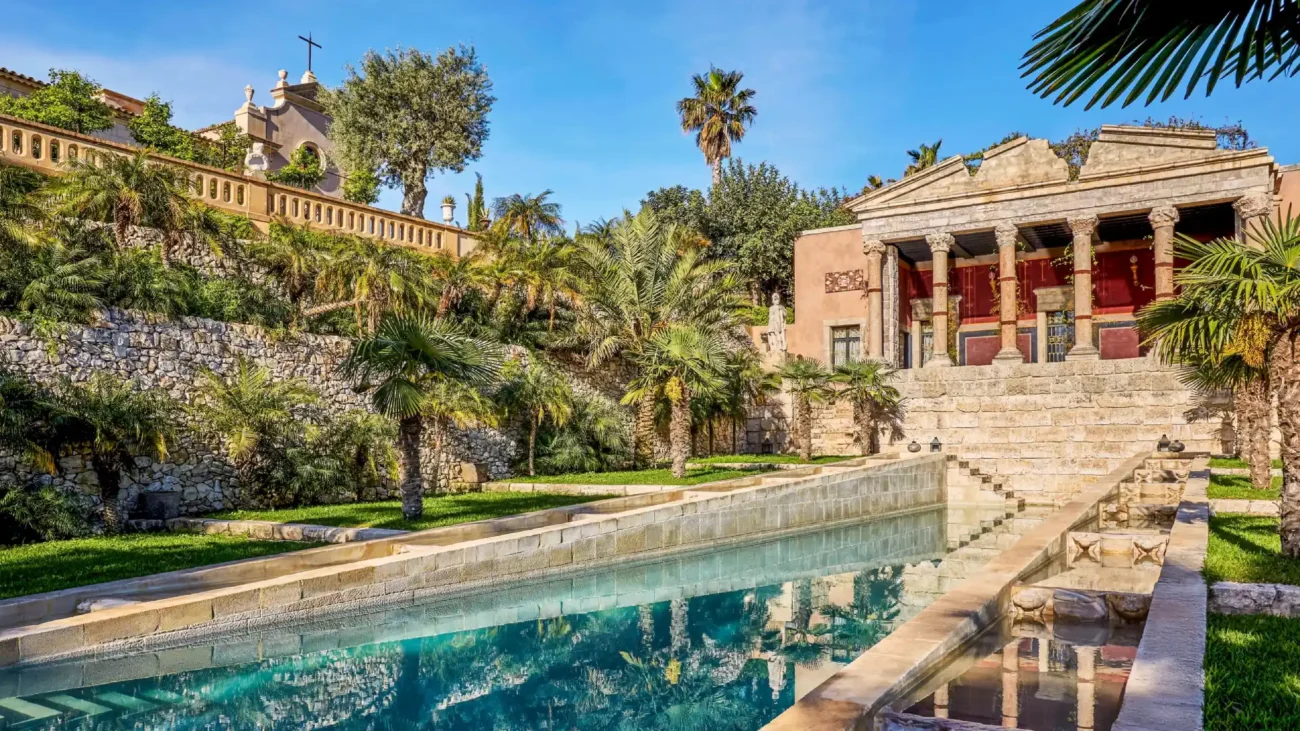
Modern Interpretations of Sicilian Villas
In recent decades, architects and designers have revisited the language of Sicilian villas to reinterpret the Mediterranean garden villa for contemporary living. While materials and forms evolve, the underlying philosophy remains deeply rooted in the island’s traditions.
Contemporary projects often introduce minimalist volumes, expansive glazing, and sculptural outdoor furniture while maintaining the core principles of the Sicilian outdoor lifestyle.
- Open-air lounges integrated with infinity pools.
- Stone terraces that extend seamlessly from interior floors.
- Pergola systems designed for flexible shading.
- Outdoor kitchens designed for extended gatherings.
These modern interpretations demonstrate that the cultural wisdom embedded in Sicilian villas continues to guide the future of Mediterranean architecture.
The Global Appeal of Sicilian Garden Villas
For international buyers and design professionals, the allure of the Mediterranean garden villa lies in its authenticity. Unlike more stylized interpretations of Mediterranean living, Sicily offers a landscape where tradition remains vividly alive.
Properties ranging from restored aristocratic estates to newly designed retreats attract a global audience seeking the elegance and intimacy of the Sicilian outdoor lifestyle.
Many architects studying Sicilian villas also explore how their spatial principles—courtyards, shaded terraces, and garden integration—can inform contemporary residential design in similar climates worldwide.
Scholars of Mediterranean architecture frequently highlight Sicily’s gardens as exemplary models of climate-responsive design, as discussed by resources such as
UNESCO, which recognizes the region’s cultural landscapes and architectural heritage.
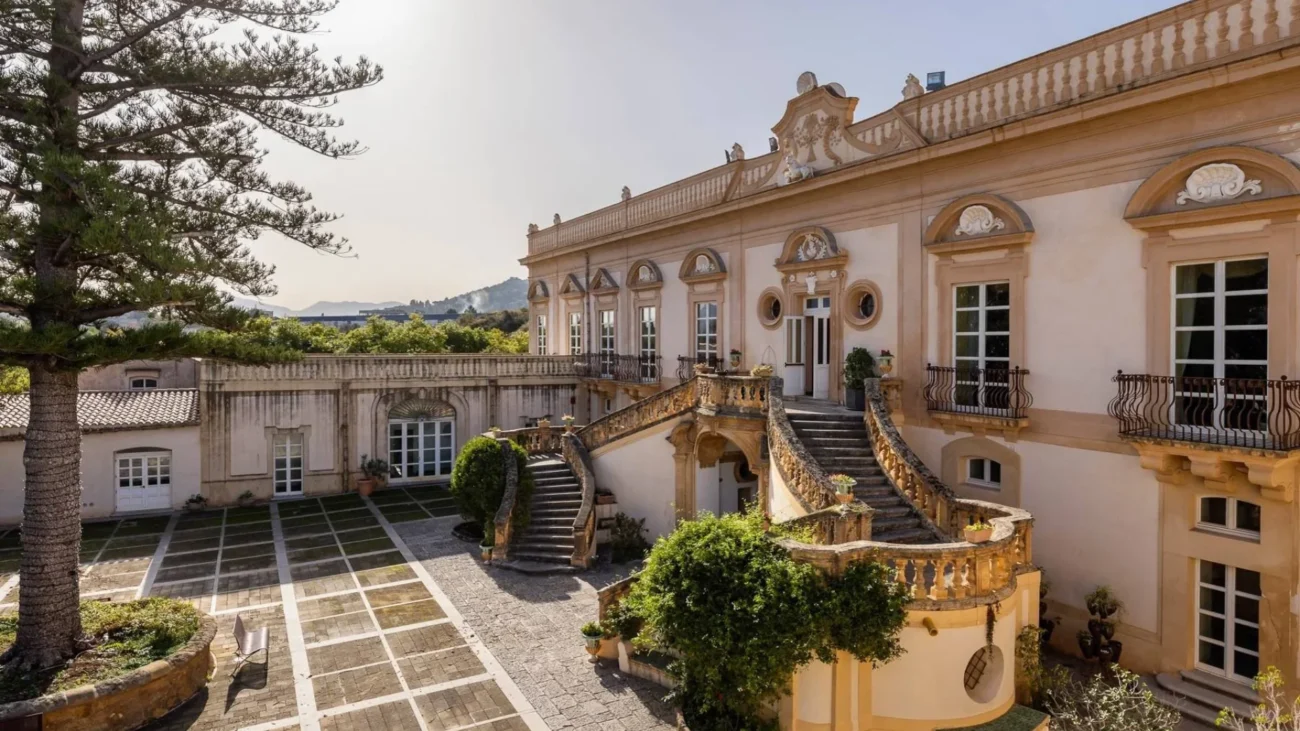
Design Lessons from Sicily for Contemporary Outdoor Spaces
The enduring relevance of Sicilian villas lies in their ability to inspire designers seeking authentic, climate-aware outdoor environments.
Several key principles from the Mediterranean garden villa remain especially valuable for contemporary projects.
Timeless Design Insights
- Integrate architecture with landscape rather than separating the two.
- Create transitional outdoor rooms such as loggias and pergolas.
- Use vegetation to moderate climate and enhance comfort.
- Design terraces as primary living spaces, not secondary patios.
- Embrace sensory richness through scent, shade, and natural textures.
These ideas reflect the deeply rooted intelligence of the Sicilian outdoor lifestyle, demonstrating how centuries-old traditions continue to shape modern outdoor design.
The Enduring Poetry of Sicilian Outdoor Living
In Sicily, architecture does not merely frame the landscape—it participates in it. The island’s Sicilian villas embody a philosophy where citrus groves, terraces, and shaded courtyards form an inseparable composition.
Each Mediterranean garden villa becomes a sanctuary of sunlight, fragrance, and conviviality, revealing the timeless elegance of the Sicilian outdoor lifestyle. Beneath citrus branches and pergola shadows, outdoor spaces become places of connection—between people, culture, and the Mediterranean landscape itself.
For architects, designers, and global travelers alike, these villas remain among the most compelling expressions of Mediterranean living: refined, deeply rooted, and eternally inviting.