

Introduction
Few destinations in Europe embody the effortless sophistication of outdoor dining quite like Marbella. Framed by the Mediterranean Sea and the dramatic Sierra Blanca mountains, the city has evolved into one of the most refined gastronomic destinations in southern Europe. Today, Marbella restaurants are not only celebrated for their cuisine but also for their exceptional terrace design — environments where architecture, landscape, climate, and hospitality converge into memorable experiences.
For architects, designers, hospitality investors, and luxury real estate professionals, Marbella offers a compelling laboratory of outdoor hospitality design. The best restaurants in Marbella showcase terraces that balance atmosphere, spatial planning, and Mediterranean lifestyle in ways that are both inspiring and commercially successful.
From beachfront dining platforms to historic courtyard patios and elevated rooftop lounges, these terraces demonstrate how thoughtful outdoor design enhances guest experience and brand identity. Below are ten remarkable terraces among the most influential Marbella restaurants, each offering lessons worth studying for hospitality and design professionals worldwide.
1. Nobu Marbella — Contemporary Japanese Elegance Outdoors
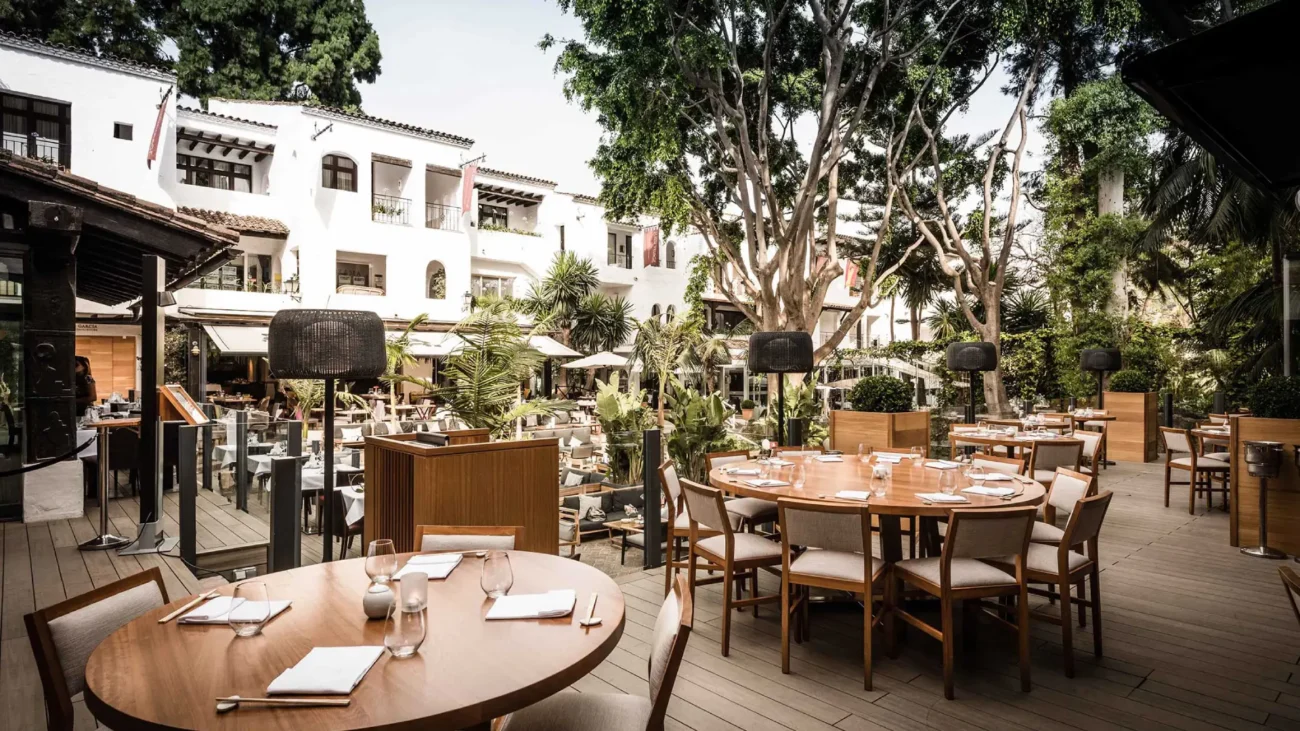
Located within the legendary Puente Romano resort, Nobu Marbella has become a benchmark among the best restaurants in Marbella thanks to its refined terrace environment. The outdoor space mirrors the brand’s global aesthetic while embracing Andalusian openness.
The terrace unfolds around lush tropical planting, subtle lighting, and contemporary wooden furnishings. Rather than creating separation from the surrounding plaza, the layout integrates seamlessly into the resort’s pedestrian square, allowing guests to feel part of Marbella’s evening rhythm.
- Minimalist Japanese-inspired material palette
- Soft architectural lighting that enhances evening ambiance
- Open yet intimate seating clusters
- Strong connection between interior and exterior dining zones
For hospitality designers studying Marbella restaurants, Nobu demonstrates how international restaurant brands can localize their design language without losing identity.
2. El Chiringuito Puente Romano — Beachfront Mediterranean Living
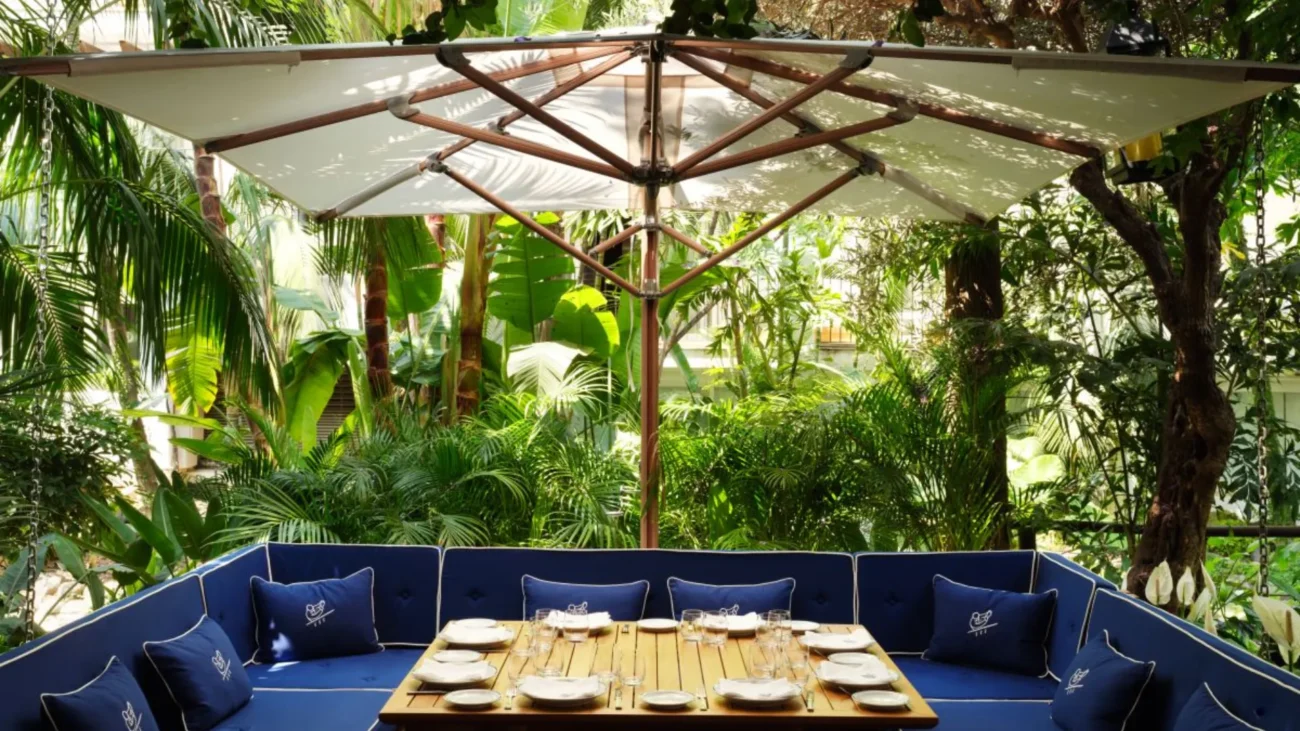
Few terraces capture the essence of coastal Marbella quite like El Chiringuito. Positioned directly on the sand, this open-air restaurant represents the relaxed yet polished beach lifestyle that defines many of the best restaurants in Marbella.
Whitewashed structures, natural timber pergolas, and linen textiles create an effortless atmosphere that feels both luxurious and informal. The design emphasizes shade and airflow — critical considerations in Mediterranean outdoor hospitality.
- Natural materials such as wood, rope, and stone
- Pergolas designed for soft shade rather than enclosure
- Seamless transition between beach club and restaurant terrace
- Low-profile furniture preserving ocean views
This terrace illustrates how Marbella restaurants can combine casual beach culture with sophisticated design execution.
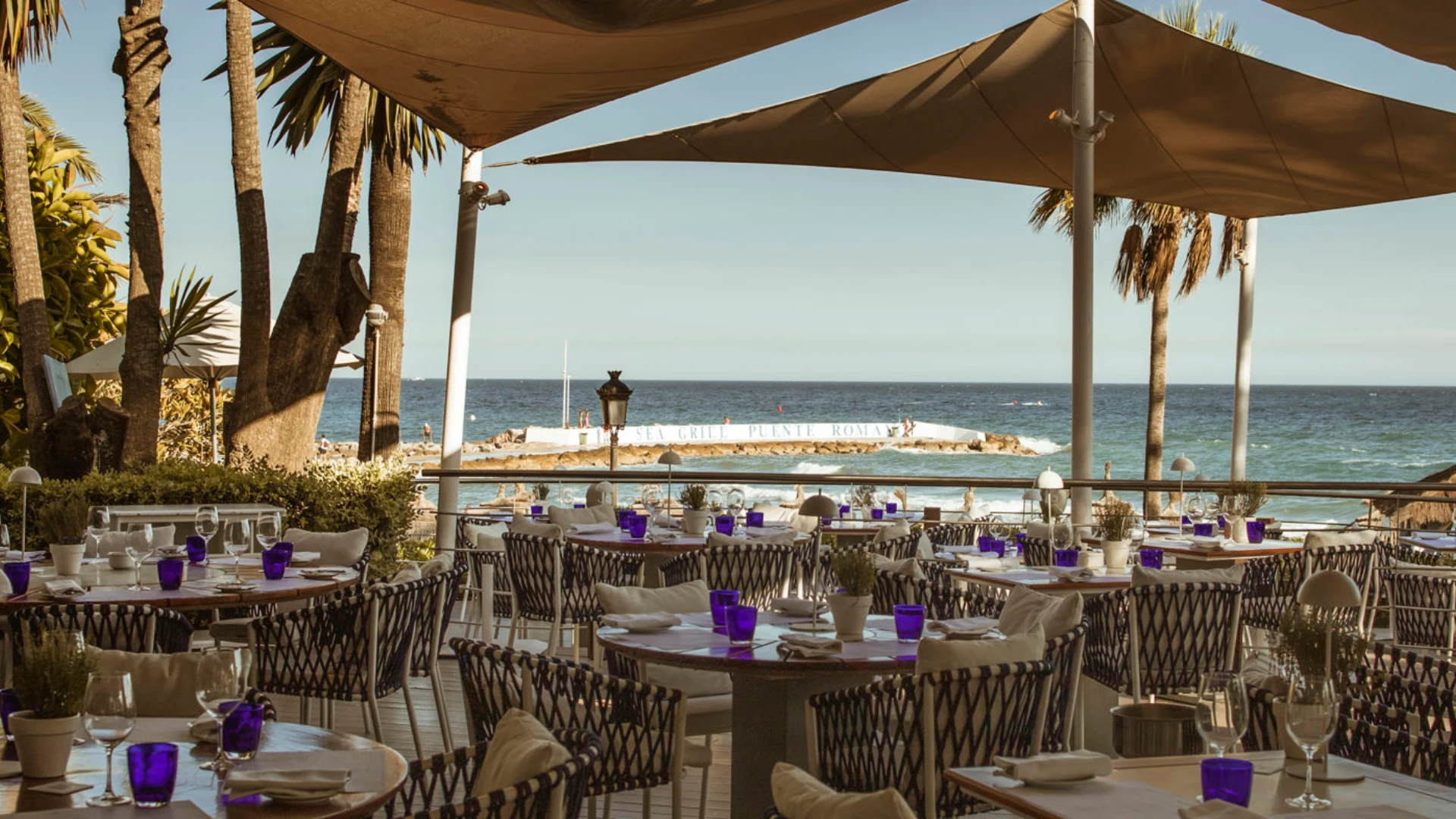
3. Sea Grill — Elevated Coastal Dining
Also located in Puente Romano, Sea Grill is widely regarded as one of the best restaurants in Marbella for seafood and coastal dining. Its terrace is a masterclass in unobstructed ocean views combined with architectural restraint.
The design prioritizes visual openness: glass railings, neutral-toned furniture, and clean-lined pergolas ensure that the Mediterranean horizon remains the focal point. The terrace functions as both a lunch destination and a romantic evening dining environment.
For designers exploring Marbella restaurants, Sea Grill demonstrates how subtle design decisions amplify the surrounding landscape rather than compete with it.
4. Skina — Intimate Gastronomy in Old Town
Hidden within the labyrinth of Marbella’s historic center, Skina offers a very different terrace experience. With only a handful of tables placed in a narrow Old Town street, the restaurant proves that spatial intimacy can become a powerful luxury.
Unlike the expansive terraces typical of coastal Marbella restaurants, Skina’s outdoor dining area relies on atmosphere, heritage architecture, and culinary excellence to create exclusivity.
- Traditional Andalusian architecture
- Warm stone textures and historic façades
- Candlelit evening atmosphere
- Extremely limited seating enhancing exclusivity
This small but remarkable terrace highlights how historic context can shape the identity of the best restaurants in Marbella.
5. La Sala by the Sea — Ibiza Energy Meets Marbella Style
La Sala by the Sea blends restaurant terrace, beach club, and lounge into one dynamic hospitality environment. Inspired by Southeast Asian beach resorts, the terrace design introduces bold color, oversized parasols, and statement daybeds.
Among Marbella restaurants, this venue stands out for its vibrant social atmosphere. The layout encourages movement between dining, lounging, and cocktail areas, creating a hybrid hospitality space that evolves throughout the day.
For hospitality investors studying the best restaurants in Marbella, La Sala illustrates how terrace programming can extend far beyond traditional dining.
6. Besaya Beach — Refined Mediterranean Minimalism
Besaya Beach represents understated luxury on Marbella’s Golden Mile. Its terrace overlooks the sea but remains sheltered by elegant white pergolas and contemporary furniture.
The design language is restrained: light stone flooring, neutral upholstery, and sculptural lighting elements allow the natural setting to dominate the visual experience. This minimal approach has made Besaya one of the best restaurants in Marbella for sophisticated outdoor dining.
- Clean Mediterranean color palette
- Architectural pergola structures
- Balanced spacing between tables for privacy
- Ocean-facing seating orientation
The terrace exemplifies how Marbella restaurants can combine simplicity with elegance to achieve timeless design.
7. Boho Club Restaurant — Garden Terrace Immersion
Boho Club offers one of the most visually distinctive terraces among Marbella restaurants. Set within lush gardens, the restaurant integrates landscaping as the central design element.
Large tropical plants, layered lighting, and eclectic furniture create a resort-like atmosphere reminiscent of contemporary boutique hotels. The terrace feels less like a restaurant and more like a private garden retreat.
This immersive environment demonstrates how landscape architecture can redefine outdoor hospitality in the best restaurants in Marbella.
8. El Lago — Dining Beside Water
El Lago is uniquely positioned beside a tranquil lake within Marbella’s Greenlife Golf community. The terrace overlooks calm water and surrounding greenery, offering a quieter alternative to the bustling coastal scene.
The architecture uses large openings and shaded terraces to frame the landscape. Natural reflections from the lake enhance the dining atmosphere, particularly at sunset.
This setting reinforces how diverse the environments of Marbella restaurants can be — from beachfront glamour to serene inland dining.
9. Tikitano by Besaya — Dramatic Mediterranean Views
Perched slightly east of Marbella, Tikitano offers one of the most dramatic terraces along the Costa del Sol. The restaurant sits elevated above the sea, creating panoramic coastal views.
Large arches and classical architectural references define the terrace structure. The scale of the space allows for grand events while still accommodating intimate dinners — a balance many Marbella restaurants strive to achieve.
- Expansive sea-facing terrace
- Classical Mediterranean architectural detailing
- Event-friendly spatial configuration
- Strategic sunset orientation
For hospitality designers, Tikitano demonstrates how topography can be leveraged to elevate the experience of the best restaurants in Marbella.
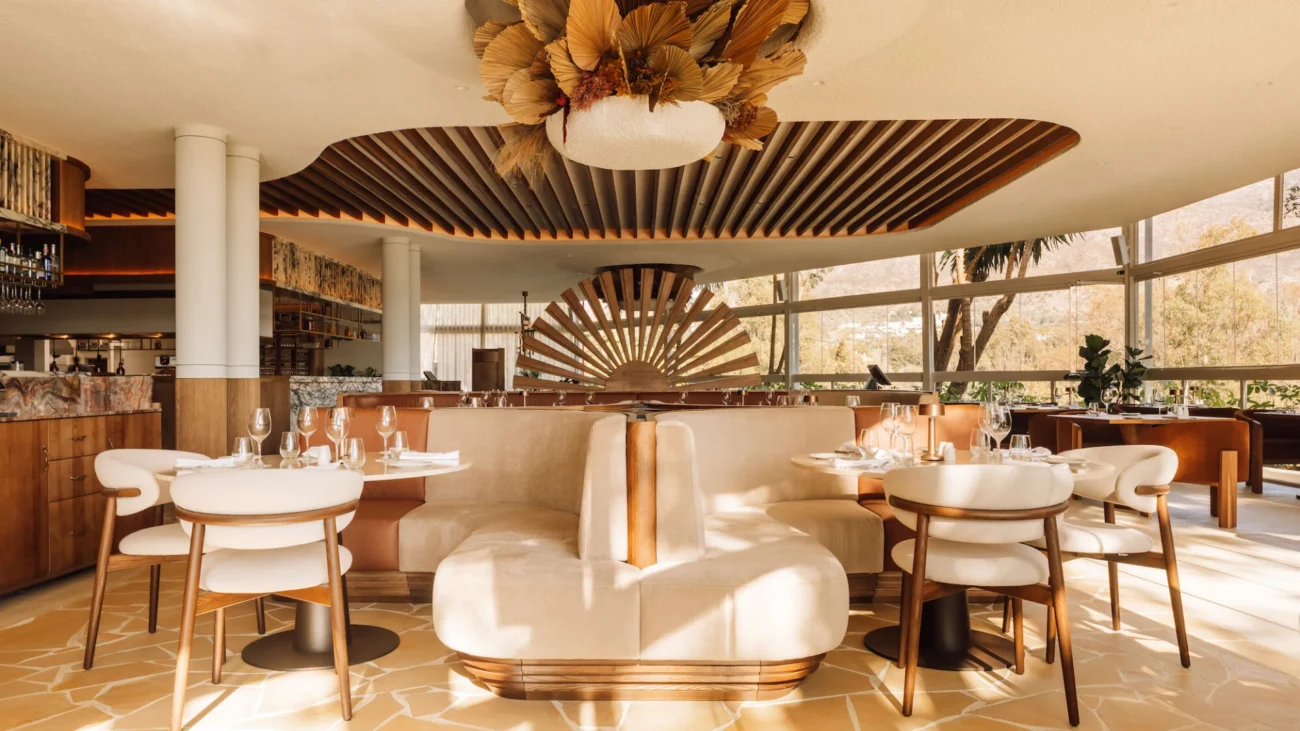
10. Nota Blu — Contemporary Rooftop Dining
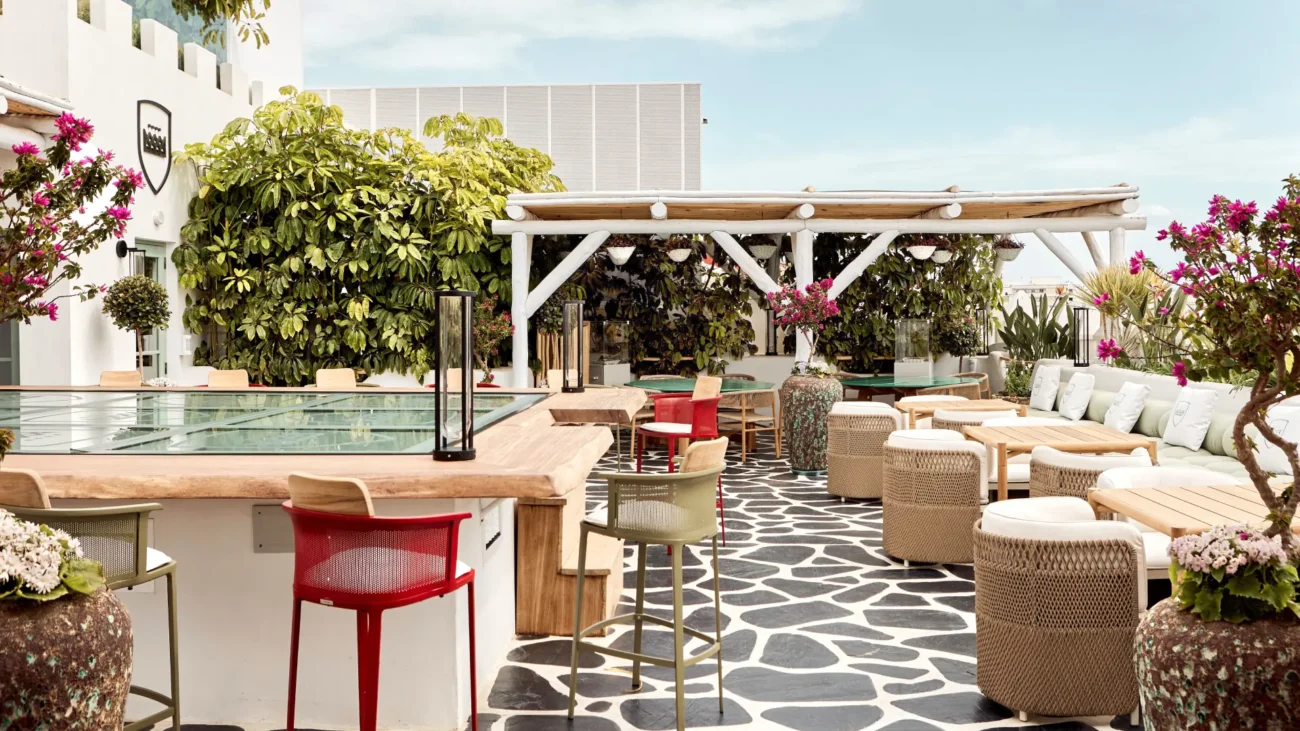
One of the newest culinary destinations in the city, Nota Blu introduces a more urban terrace concept to the landscape of Marbella restaurants. Its elevated terrace combines modern architecture with vibrant nightlife energy.
The design integrates sculptural lighting, contemporary seating, and layered dining zones that transition naturally from dinner service to late-night cocktails. The result is a sophisticated rooftop atmosphere rarely seen among the best restaurants in Marbella.
This terrace reflects Marbella’s ongoing evolution as a global luxury destination.
Why Terrace Design Defines Marbella’s Hospitality Culture
Outdoor dining is more than a seasonal feature on the Costa del Sol — it is central to the region’s lifestyle. The climate allows terraces to function nearly year-round, which explains why Marbella restaurants invest heavily in outdoor architecture, shading systems, and landscape integration.
Successful terrace design in the best restaurants in Marbella typically prioritizes several elements:
- Climate responsiveness through pergolas, parasols, and airflow planning
- Connection to landscape such as sea views, gardens, or historic streets
- Flexible seating layouts supporting both social dining and intimate experiences
- Atmospheric lighting extending terrace usability into the evening
These principles align closely with global hospitality design trends discussed by leading industry platforms such as
ArchDaily, where outdoor spatial design is increasingly recognized as a defining element of modern restaurant architecture.
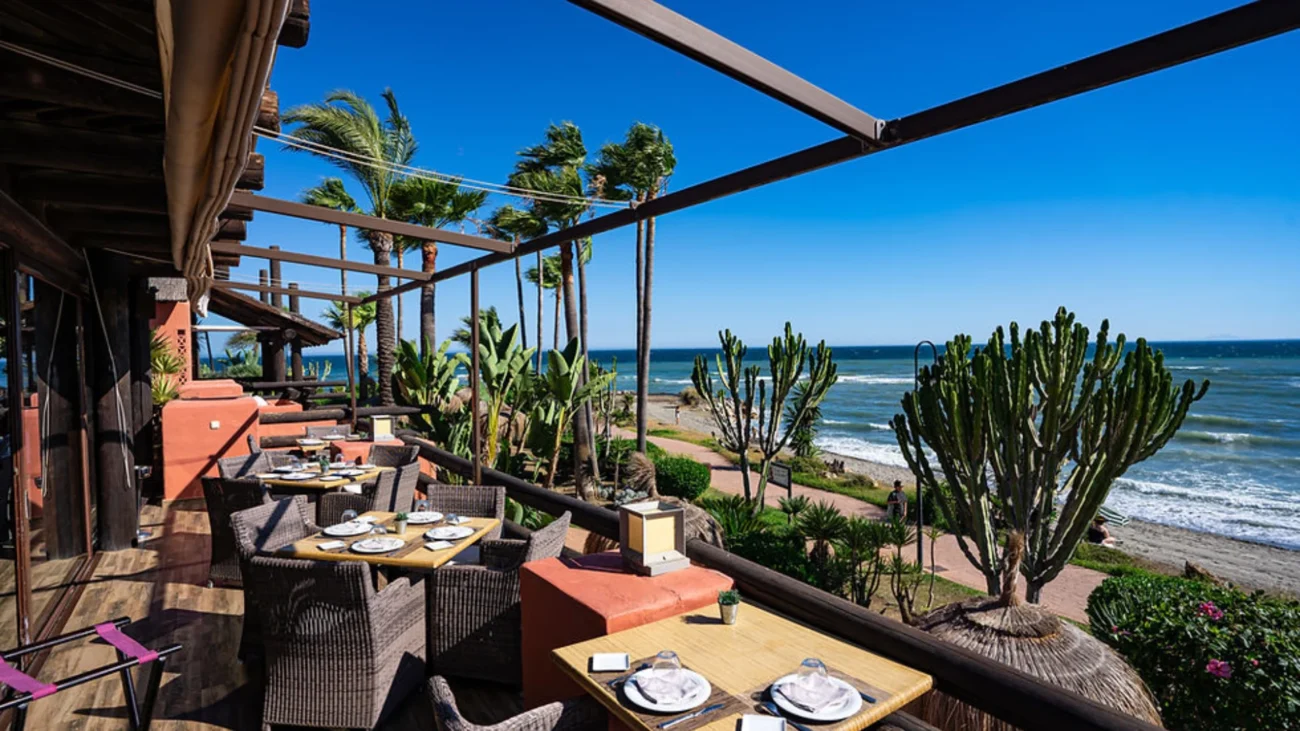
The Takeaway
Marbella has long been known for its glamour, but its true distinction lies in how architecture, climate, and hospitality intersect through outdoor dining. The terraces of the best restaurants in Marbella reveal a sophisticated understanding of Mediterranean living — spaces where design amplifies both cuisine and atmosphere.
For architects, hospitality developers, and luxury lifestyle enthusiasts, these remarkable Marbella restaurants offer more than memorable meals. They provide valuable case studies in how terrace design can elevate a destination, shape guest experience, and define the identity of contemporary coastal hospitality.