

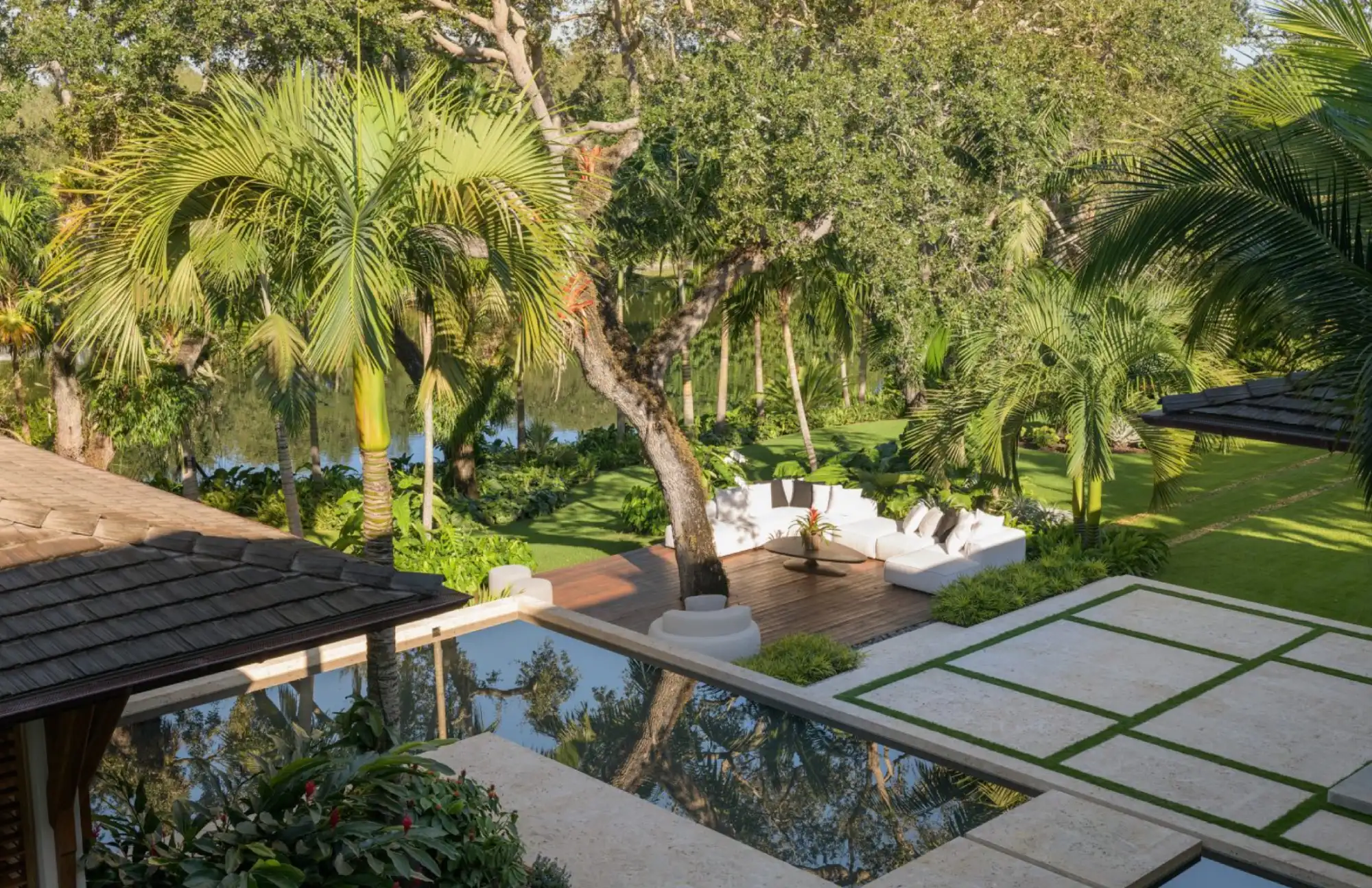
The work of Raymond Jungles represents a defining chapter in contemporary landscape architecture. His gardens merge modernist principles with ecological sensitivity, creating environments that feel both intentional and timeless.
For outdoor designers and architects, his projects demonstrate how landscape can become an extension of architecture while remaining rooted in nature. Rather than imposing rigid geometries, Jungles creates compositions that respond to climate, native vegetation, and human experience—an approach that positions his work at the forefront of luxury outdoor design.
Key Principles Behind Raymond Jungles’ Landscape Philosophy
At the core of Raymond Jungles’ design approach are a set of guiding principles that shape every project:
- A commitment to ecological stewardship and habitat restoration
- Emphasis on native and regionally appropriate plant species
- Use of simple, well-detailed hardscape elements as structural foundations
- Creation of immersive, sensory outdoor experiences
- Integration of architecture, landscape, and human interaction
These principles ensure that each project is both environmentally responsible and visually compelling, aligning with contemporary expectations for sustainable luxury design.
A Brief Biography of Raymond Jungles
Raymond Jungles is the founding principal of Raymond Jungles, Inc., a Miami-based landscape architecture firm established in 1982. After graduating with honors from the University of Florida, he built an internationally recognized practice focused on residential, hospitality, and public landscapes.
His career has been shaped by a strong commitment to ecological design and by the influence of Brazilian modernist Roberto Burle Marx, whom Jungles considers a mentor. His work has earned numerous awards, including the ASLA Design Medal, and has been widely published in leading architecture and design media.

Influences That Shaped Jungles’ Modernist Vision
The evolution of Jungles’ signature style is closely tied to key artistic and architectural influences:
- The modernist landscapes of Roberto Burle Marx
- The integration of art, color, and plant form in tropical design
- Architectural collaborations with global firms
- Exposure to ecosystems across the Caribbean and Latin America
- A deep understanding of botany and ecological systems
These influences helped Jungles develop a design language that blends modernist clarity with organic expression.
Modernism Reinterpreted Through Nature
Unlike traditional modernist landscapes that often prioritize geometry over ecology, Raymond Jungles reinterprets modernism through a natural lens. His gardens are structured yet fluid, defined by clean architectural lines paired with expressive planting.
Hardscape elements act as a framework, while vegetation introduces movement, texture, and seasonal variation. This balance creates outdoor environments that feel both designed and organic. Jungles’ philosophy emphasizes timelessness, ensuring that his landscapes mature gracefully and remain relevant over decades.
Signature Design Elements in Raymond Jungles’ Projects
Across his portfolio, several recurring design elements define Jungles’ landscapes:
- Layered planting compositions with varied heights and textures
- Bold use of tropical and subtropical vegetation
- Minimalist hardscape frameworks guiding spatial flow
- Integration of water features enhancing sensory experience
- Strategic use of light and shadow shaping atmosphere
These elements create immersive environments where nature becomes the primary design medium, reinforcing the emotional and experiential quality of outdoor spaces.
Notable Projects and Global Impact
The work of Raymond Jungles spans private residences, botanical gardens, and large-scale urban developments. Notable projects include the Brazilian Garden at the Naples Botanical Garden, the Leon Levy Native Plant Preserve, and the iconic 1111 Lincoln Road.
Each project reflects his commitment to ecological design and regional identity. Jungles adapts his approach to local conditions, ensuring that every landscape responds authentically to its environment while maintaining a strong architectural presence.
Core Project Characteristics Across Jungles’ Portfolio
Despite the diversity of his work, several characteristics unify Jungles’ projects:
- Strong emphasis on native ecosystems and biodiversity
- Landscapes designed to evolve and mature over time
- Spaces encouraging movement and exploration
- Seamless integration with architectural structures
- A focus on timeless design rather than trends
These qualities make his work especially relevant for luxury design studios seeking long-lasting and meaningful outdoor environments.
The Role of Ecology in Modernist Landscape Design
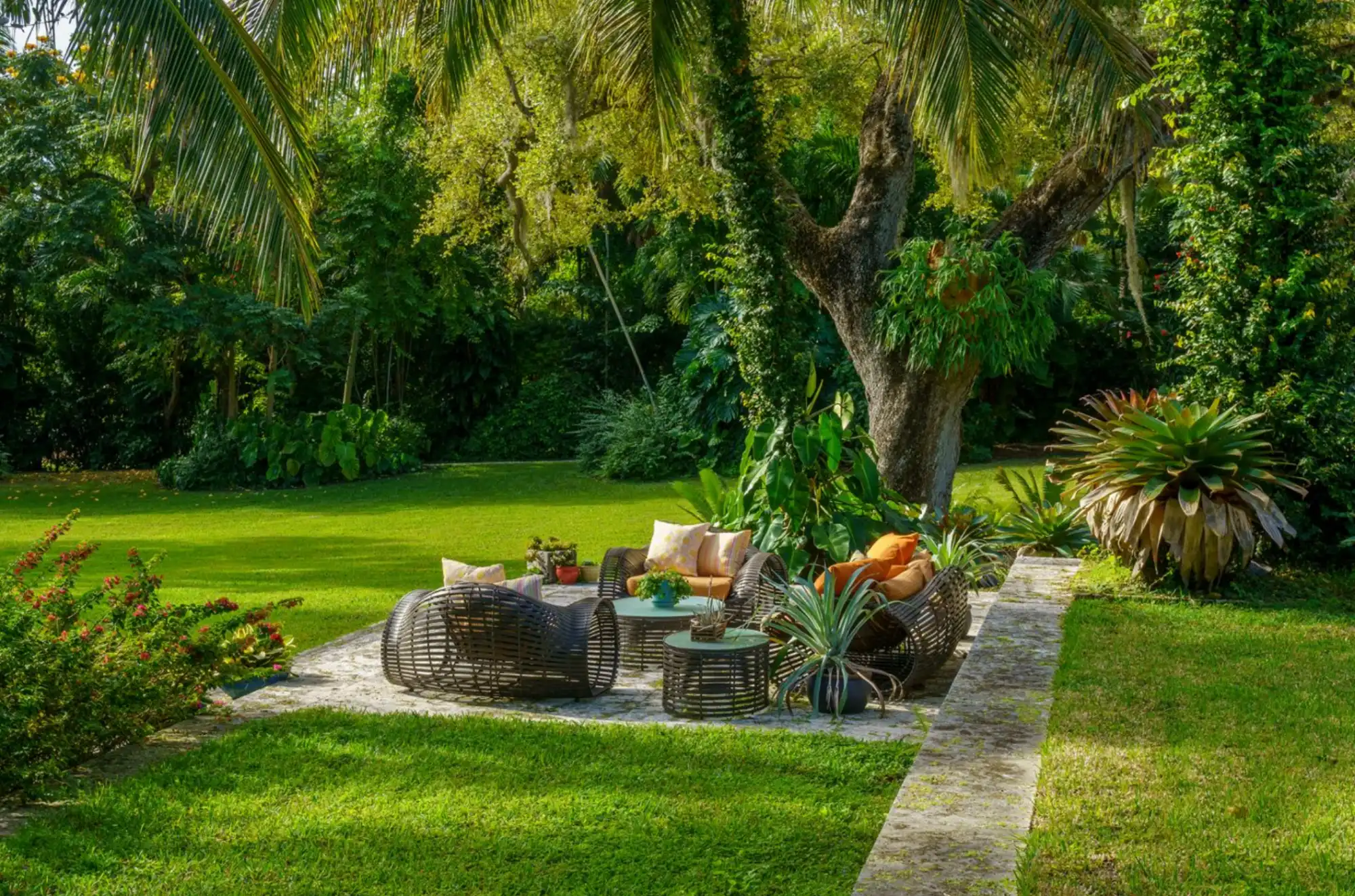
Ecology is central to Jungles’ design philosophy. His landscapes are not simply aesthetic compositions but living systems that support biodiversity and environmental resilience.
By prioritizing native plants and sustainable practices, he creates outdoor environments that require less maintenance while contributing to ecological balance. This approach aligns with contemporary architectural priorities, where sustainability is no longer optional but essential. For designers, Jungles’ work demonstrates how ecological responsibility can coexist with luxury and visual sophistication.
Plant Selection and Botanical Expression
Planting design is one of the most distinctive aspects of Raymond Jungles’ landscapes:
- Use of native and climate-adapted plant species
- Emphasis on texture, color, and seasonal change
- Strategic placement of palms, grasses, and flowering plants
- Creation of layered plant communities
- Inclusion of rare or regionally significant species
This botanical richness transforms outdoor spaces into dynamic environments that evolve over time, enhancing both ecological value and aesthetic impact.
Collaboration with Architecture and Urban Design
Raymond Jungles frequently collaborates with leading architects to create integrated design solutions. His work enhances architectural projects by introducing landscape elements that complement structure and form.
At projects like 1111 Lincoln Road, landscape design plays a crucial role in shaping user experience. Circulation, spatial hierarchy, and planting all contribute to how people interact with the space. This collaborative approach ensures that landscape and architecture function as a cohesive system rather than separate disciplines.
The Emotional Experience of Jungles’ Gardens
Beyond technical expertise, Jungles’ landscapes are designed to evoke emotional responses. His gardens invite exploration, reflection, and a deeper connection with nature.
Through the careful orchestration of spatial sequences, light, and vegetation, he creates environments that engage the senses. Visitors experience shifting perspectives, filtered light, and changing textures as they move through the space. This emphasis on sensory experience is particularly important in luxury outdoor design, where atmosphere and well-being are key considerations.
Lessons for Contemporary Outdoor Designers
Design professionals can draw valuable insights from Jungles’ approach:
- Prioritize ecological context and sustainability
- Use simple structural elements to organize complex landscapes
- Design spaces that evolve naturally over time
- Embrace regional identity through plant selection
- Focus on creating immersive, human-centered environments
These principles are increasingly relevant as outdoor design becomes a central component of high-end residential and hospitality projects.
The Enduring Influence of Raymond Jungles
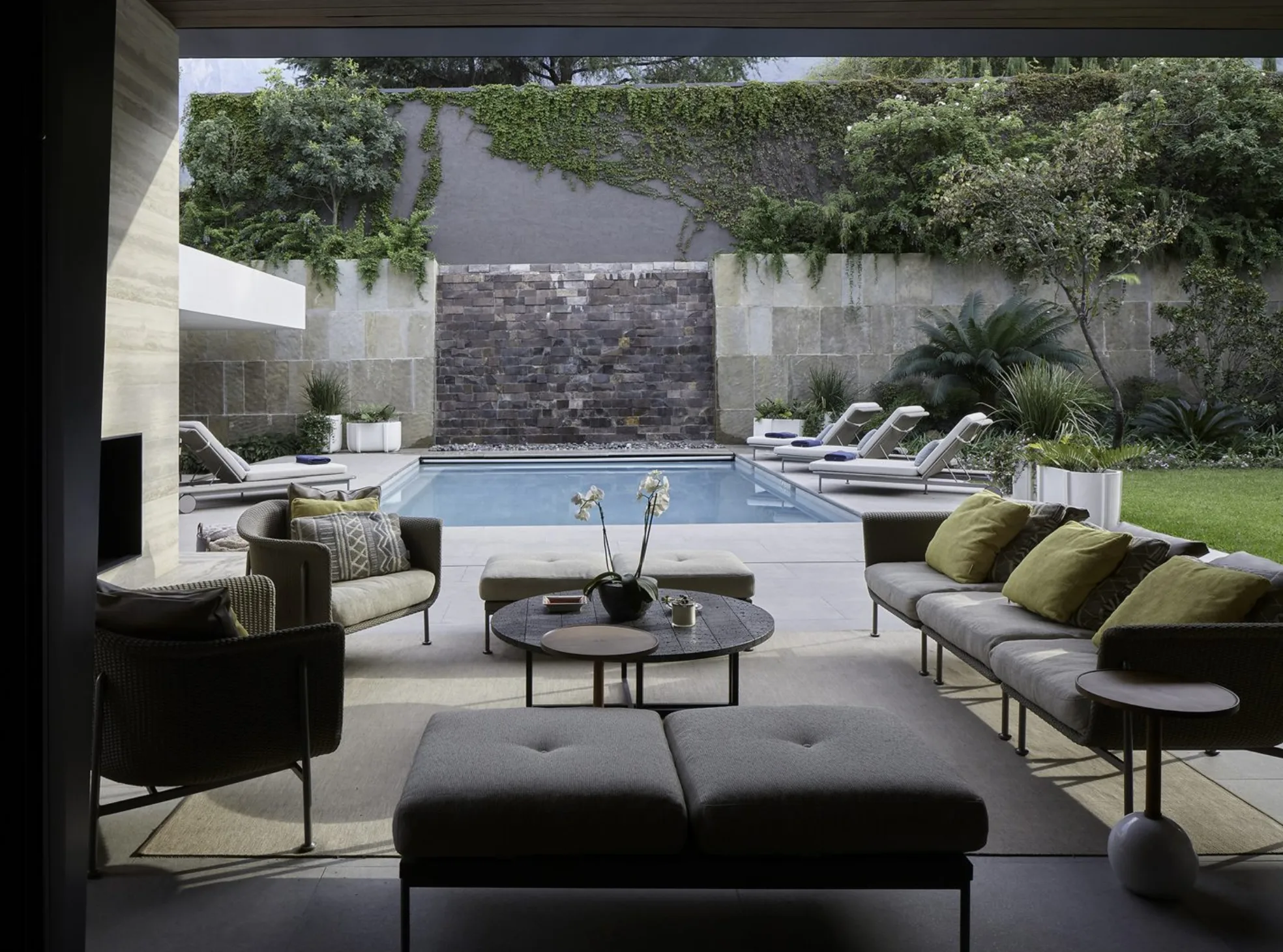
The legacy of Raymond Jungles lies in his ability to redefine modernist landscape architecture through an ecological lens. His work demonstrates that contemporary gardens can be both highly designed and deeply connected to nature.
For architects, landscape designers, and luxury studios, his projects serve as a benchmark for excellence. As the demand for sustainable and experiential outdoor environments continues to grow, Jungles’ approach offers a clear and compelling model—one where architecture, ecology, and human experience are seamlessly integrated into a unified design vision.