


Luxury outdoor architecture reaches its highest expression when landscape, water, and built form merge into a cohesive experience. Few properties capture this harmony better than the celebrated Lake Como residence owned by George Clooney. This renowned Lakefront Estate has become a benchmark for outdoor design, blending historic architecture with refined contemporary interventions.
For outdoor designers, architects, and luxury furniture brands, the estate offers a compelling study in spatial composition, material selection, and the seamless integration of indoor and outdoor living.
A Historic Foundation with Contemporary Relevance
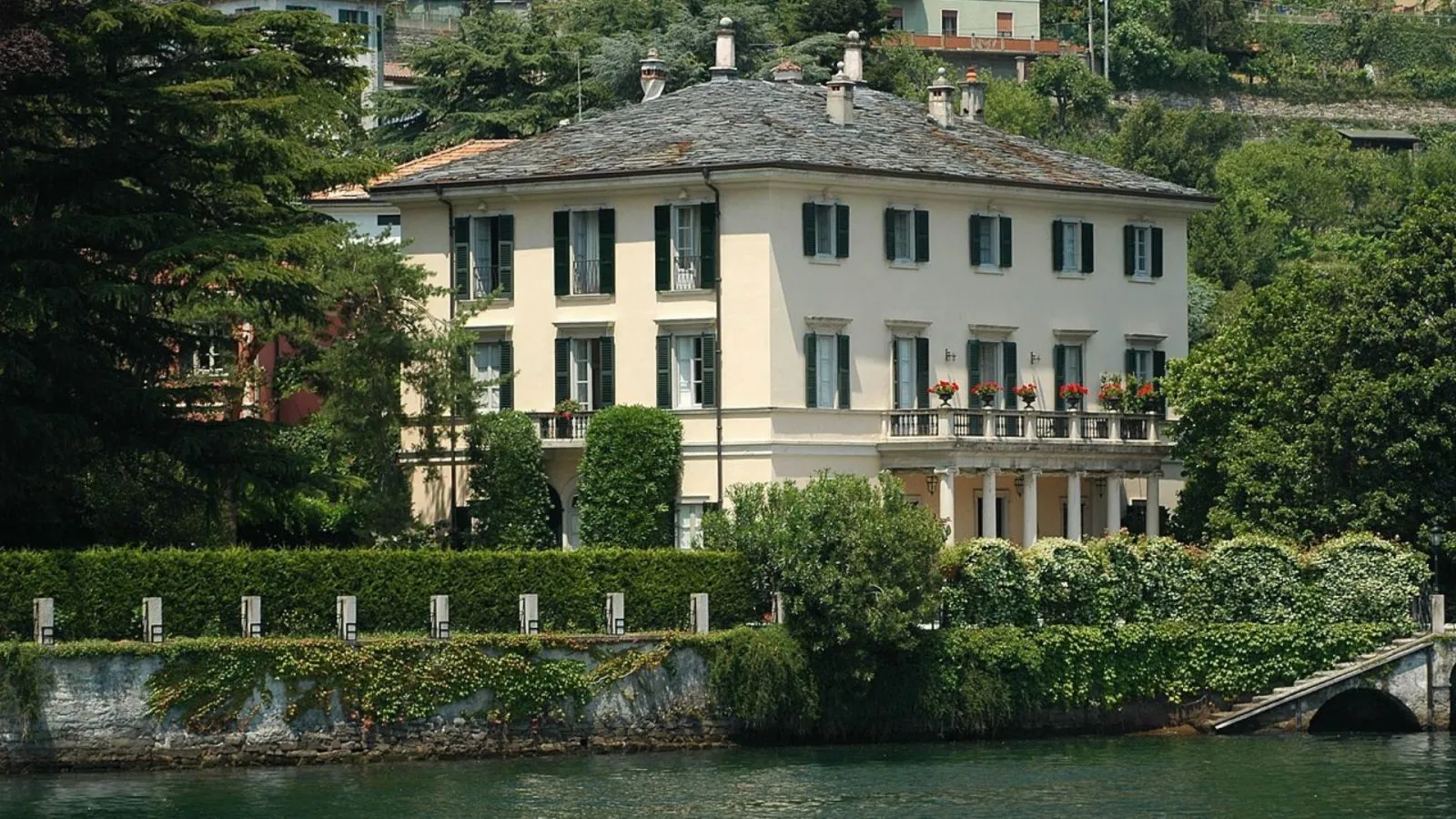
Clooney’s residence, widely known as Villa Oleandra, dates back to the 18th century. The villa’s classical Italian architecture establishes a strong foundation, defined by symmetry, proportion, and enduring materials such as stone and stucco.
What makes this Lakefront Estate particularly relevant today lies in how its outdoor architecture has evolved. Rather than disrupting the historic character, the design enhances it through subtle upgrades and carefully curated outdoor environments.
Terraces, gardens, and waterfront access points have been refined to support modern luxury living while preserving the villa’s timeless identity. This balance resonates strongly with contemporary design studios working on heritage properties or context-driven projects.
Terraced Landscapes and Spatial Layering
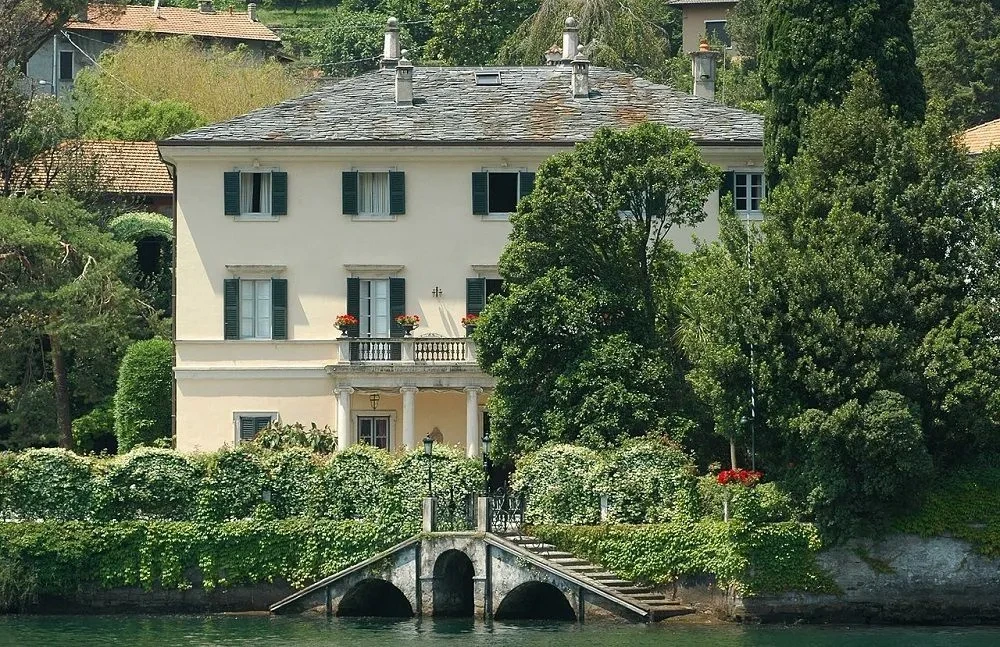
One of the defining features of the estate is its terraced landscape. The property descends gradually toward the lake, creating a series of outdoor “rooms” that offer distinct experiences.
Each level serves a purpose:
- Upper terraces provide panoramic views and formal entertaining areas
- Mid-level gardens introduce greenery and shaded relaxation zones
- Lower levels connect directly to the water, emphasizing proximity and immersion
This layered approach allows designers to control movement, perspective, and privacy. It also maximizes the visual impact of the lake, ensuring that water remains the central focal point from nearly every vantage point.
For architects, this strategy highlights the importance of topography in shaping outdoor architecture. Rather than flattening the landscape, the design works with natural contours to create depth and variation.
Seamless Indoor-Outdoor Transitions
A hallmark of this Lakefront Estate lies in its fluid connection between interior and exterior spaces. Large openings, French doors, and strategically aligned pathways encourage continuous movement between inside and outside.
Outdoor terraces often mirror interior layouts, effectively extending living and dining areas into the open air. This design approach enhances usability while maintaining a cohesive aesthetic.
Materials play a crucial role in this transition. Stone flooring, neutral palettes, and consistent finishes blur the boundaries between indoor and outdoor environments. The result feels intentional and immersive, rather than segmented.
For luxury residential projects, this level of integration has become essential. Clients increasingly expect outdoor spaces to function as true extensions of the home, not secondary add-ons.
Waterfront Design and Private Access
Direct access to the lake defines the identity of the estate. The waterfront area includes private docks, boat landings, and lounging spaces that emphasize exclusivity and connection to the water.
These elements demonstrate how outdoor architecture can elevate a natural feature into a fully realized design asset. Instead of treating the shoreline as a boundary, the design transforms it into an active, experiential zone.
Stone steps lead directly into the water, while seating areas provide spaces for relaxation and social interaction. The proximity to the lake creates a sensory experience—reflections, movement, and changing light conditions become part of the architectural composition.
For designers working on waterfront properties, this approach underscores the importance of accessibility, safety, and visual continuity when integrating water-based features.
Outdoor Living and Entertaining Spaces
The estate places strong emphasis on outdoor living, with multiple areas designed for dining, lounging, and entertaining. Pergolas, shaded terraces, and open-air seating zones create a variety of atmospheres, from intimate to social.
Furniture selection reflects a commitment to both comfort and durability. High-end outdoor pieces often feature weather-resistant materials such as treated wood, metal, and performance fabrics, ensuring longevity without compromising style.
Layout plays a key role in defining these spaces. Rather than clustering all functions in one area, the design distributes them across the property. This creates a sense of discovery and encourages movement throughout the landscape.
For furniture brands, this highlights the importance of versatility and adaptability in outdoor collections. Pieces must perform across different settings while maintaining a cohesive design language.
Landscape Design as Architectural Extension
The landscaping at this Lakefront Estate goes beyond decoration—it acts as an extension of the architecture. Carefully selected plant species frame views, provide shade, and enhance privacy without obstructing sightlines.
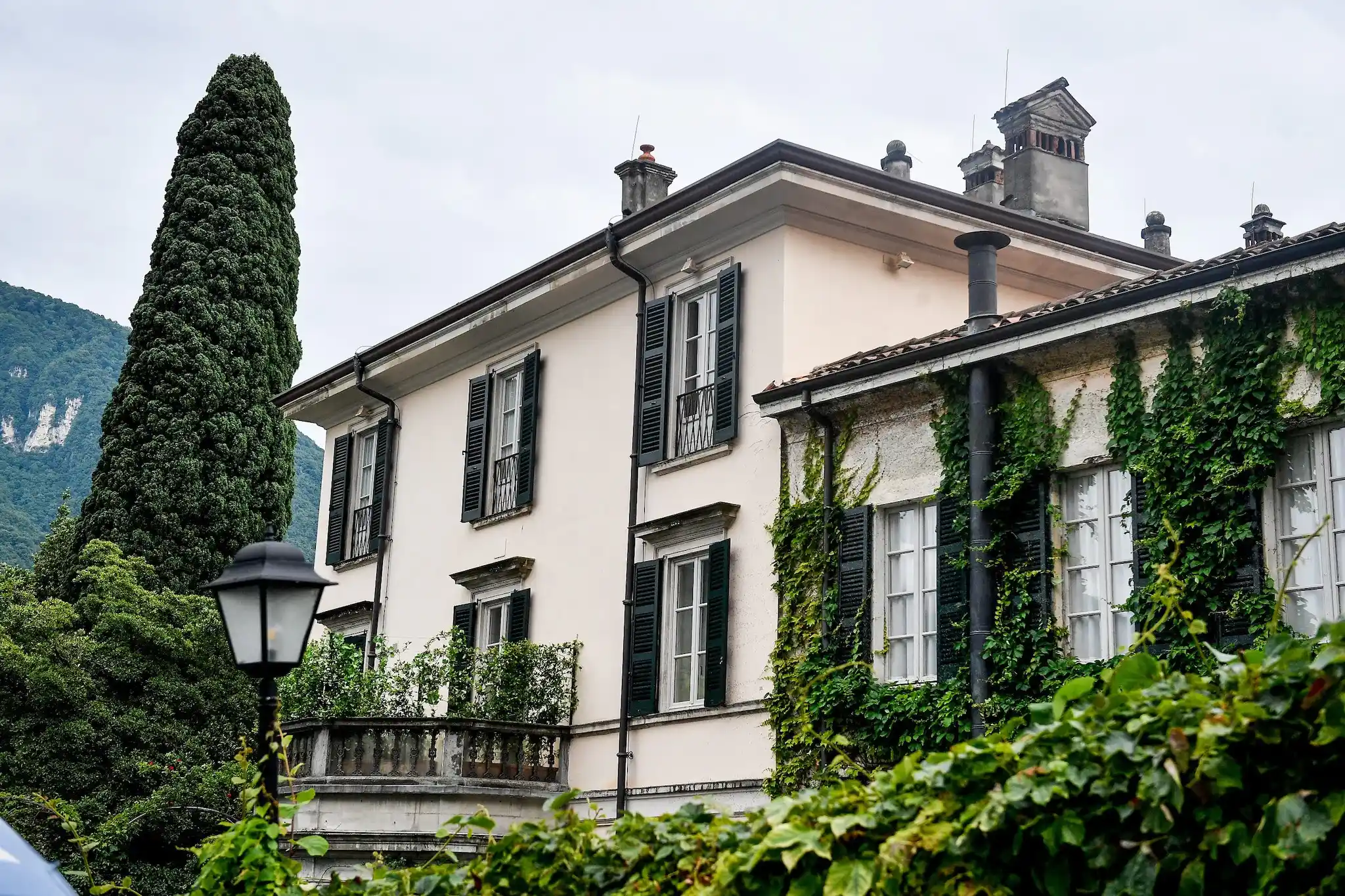
Cypress trees, manicured hedges, and Mediterranean plantings reinforce the villa’s regional identity. At the same time, their placement reflects a strategic approach to spatial definition.
Greenery softens the built environment, creating a balance between structure and nature. Seasonal changes introduce subtle variations, ensuring that the outdoor experience evolves throughout the year.
For landscape architects, this demonstrates the value of restraint and precision. Every element contributes to the overall composition, avoiding excess while maximizing impact.
Material Palette and Longevity
Material selection plays a central role in the estate’s outdoor architecture. Natural stone, aged wood, and metal accents create a palette that feels both durable and refined.
These materials withstand environmental conditions while developing character over time. Patina, texture, and weathering become part of the design narrative, reinforcing authenticity.
Consistency across surfaces enhances visual harmony. Pathways, terraces, and architectural details share similar tones and finishes, creating a unified aesthetic.
For luxury projects, this approach aligns with a growing preference for materials that age gracefully rather than requiring constant replacement or maintenance.
Lighting and Atmosphere
Outdoor lighting transforms the estate after sunset, highlighting architectural features and enhancing usability. Soft, warm lighting emphasizes textures, outlines pathways, and creates inviting atmospheres across terraces and gardens.
Strategic placement ensures that lighting feels integrated rather than intrusive. Fixtures often remain discreet, allowing the effect to take precedence over the source.
For designers, this reinforces the importance of lighting as a core component of outdoor architecture. It extends the functionality of spaces while shaping mood and perception.
A Benchmark for Modern Lakefront Estate Design
George Clooney’s Lake Como residence stands as a reference point for contemporary outdoor architecture. Its success lies in its ability to merge history, landscape, and modern living into a cohesive whole.
For outdoor designers, architects, and luxury brands, the estate offers valuable insight into how to approach lakefront properties with sophistication and clarity. It demonstrates that great design does not rely on excess, but on thoughtful composition, material integrity, and a deep understanding of context.
As demand for high-end outdoor living continues to grow, this iconic Lakefront Estate remains a powerful example of how architecture can elevate natural surroundings into an extraordinary living experience.