

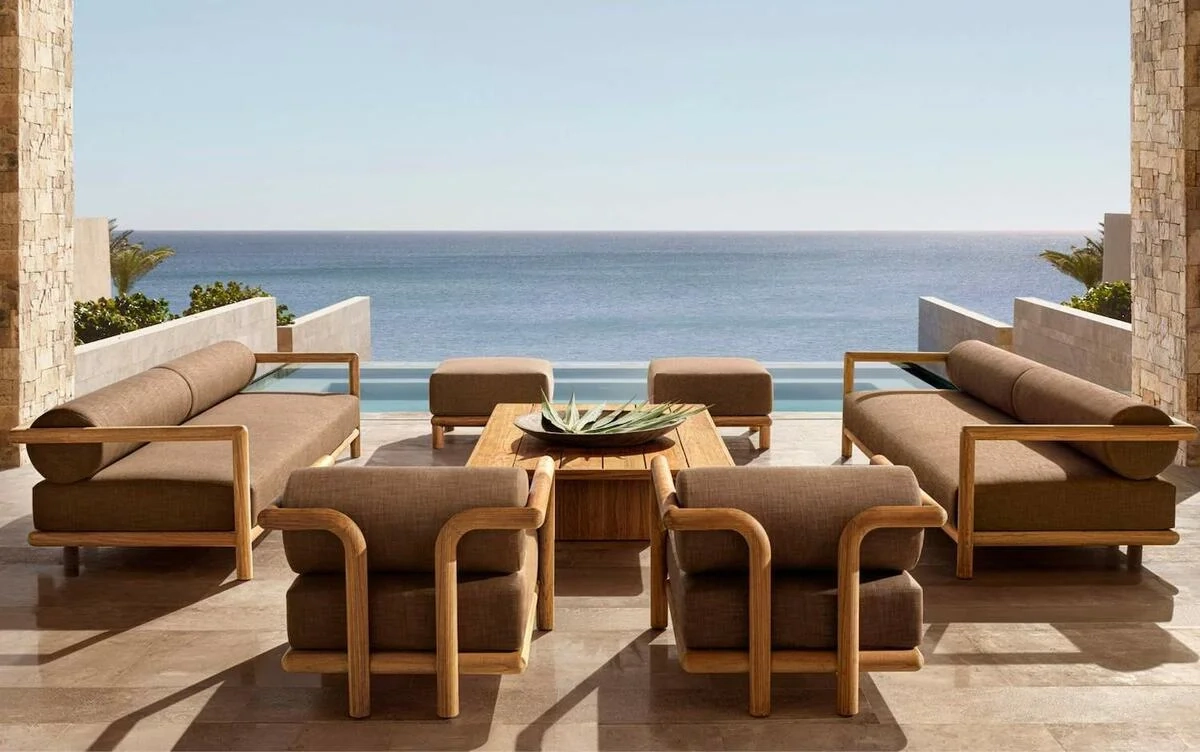
In the world of high-end exterior spaces, few materials carry the same prestige and enduring appeal as Teak Furniture. From private villas to boutique hospitality projects, teak continues to define what luxury outdoor design looks and feels like. Its presence signals not only refined taste but also a deep understanding of durability, craftsmanship, and material integrity.
For outdoor designers, architects, and luxury furniture brands, teak represents more than a traditional choice—it serves as a strategic material that bridges aesthetics, performance, and long-term value.
A Material Rooted in Performance and Beauty
Teak stands apart due to its exceptional natural properties. Sourced primarily from tropical regions, this hardwood contains high levels of natural oils and dense grain structures. These characteristics make teak inherently resistant to moisture, insects, and temperature fluctuations.
Unlike many other woods, teak does not require heavy chemical treatments to withstand outdoor conditions. It performs naturally, which allows designers to maintain material authenticity while achieving long-term durability.
Over time, teak develops a distinctive silver-gray patina when left untreated. This aging process does not weaken the material; instead, it enhances its visual depth. For many architects and designers, this transformation becomes part of the design narrative, adding character and a sense of time to outdoor environments.
Teak Furniture as a Marker of Luxury
Luxury in outdoor design often hinges on subtle signals—material choice, craftsmanship, and longevity. Teak furniture communicates all three.
High-end projects frequently feature teak in:
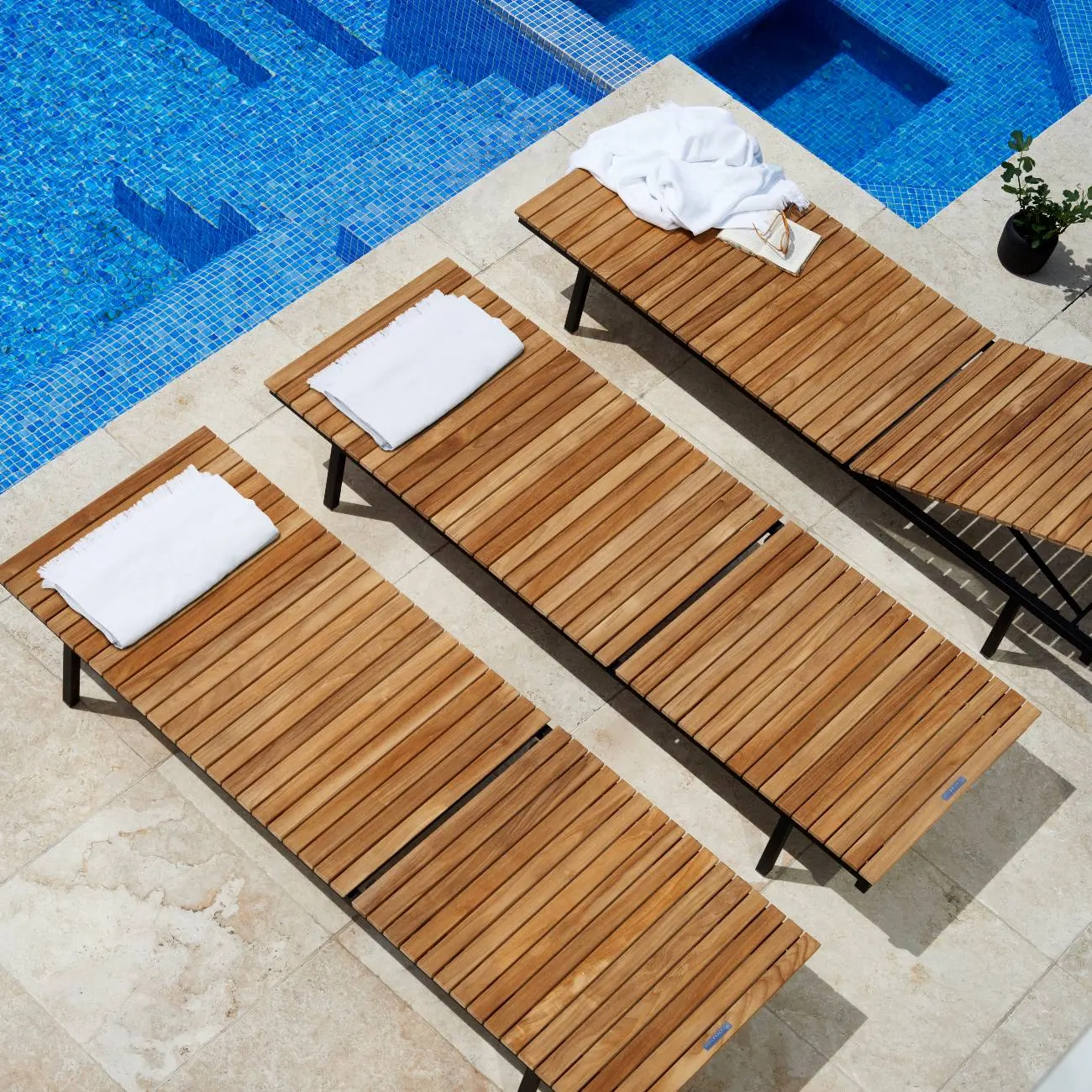
- Poolside lounges and sunbeds
- Outdoor dining collections
- Architectural decking and integrated seating
- Yacht and marine environments
Its association with maritime applications, in particular, reinforces its premium status. Teak has long been used in shipbuilding due to its resistance to saltwater and harsh weather. This heritage continues to influence its perception in contemporary outdoor design.
For furniture brands, incorporating teak into collections elevates product positioning. It aligns the brand with quality, durability, and timeless design.
Craftsmanship and Material Integrity
Teak furniture often showcases a high level of craftsmanship. The density and stability of the wood allow for precise joinery and refined detailing, which are essential in luxury outdoor collections.
Artisans can shape teak into both classic and contemporary forms, from traditional slatted benches to sculptural lounge chairs. The material supports:
- Smooth, tactile finishes
- Seamless joinery without visible hardware
- Complex curves and ergonomic forms
This versatility enables designers to create pieces that balance comfort with visual impact. In many cases, teak furniture becomes the focal point of an outdoor space rather than a secondary element.
Versatility Across Design Styles
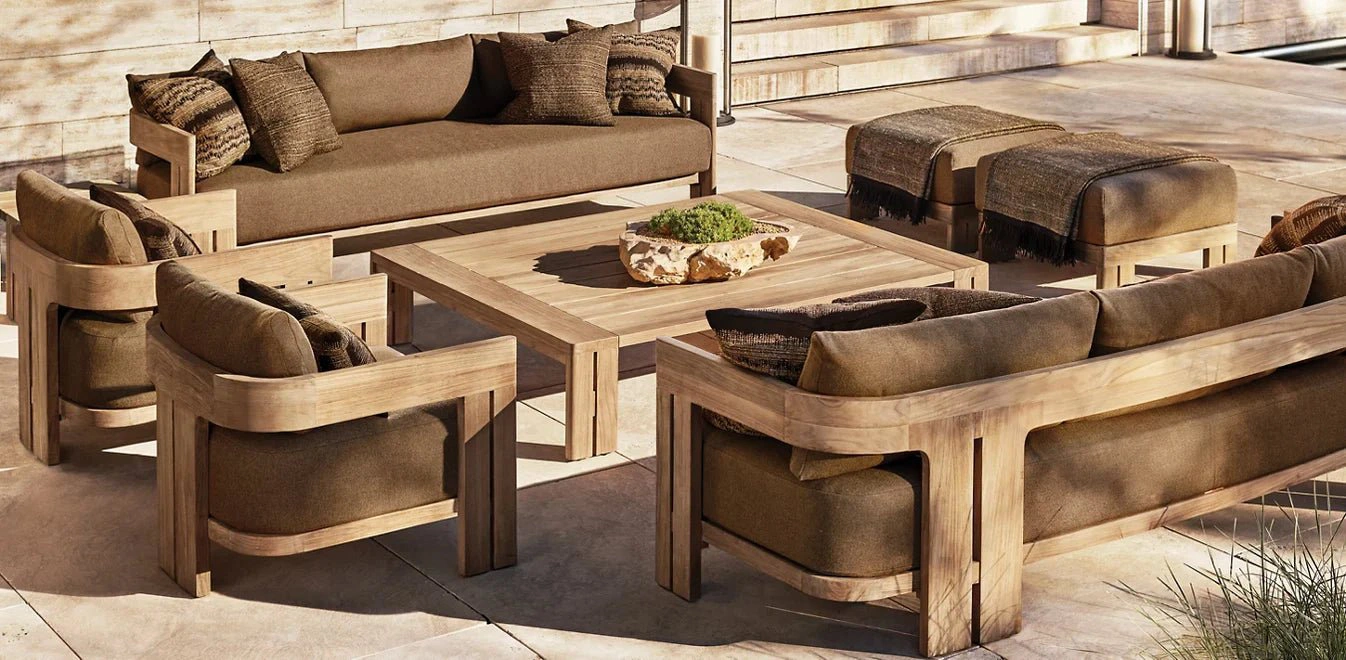
One reason teak furniture remains dominant in luxury outdoor design is its adaptability. It integrates seamlessly into a wide range of architectural and landscape contexts.
Contemporary Minimalism
In modern settings, teak’s warm tones soften clean lines and geometric compositions. Designers often pair it with materials like concrete, glass, and steel to create contrast.
Mediterranean and Coastal Design
Teak complements natural stone, whitewashed surfaces, and open-air layouts. Its weathered patina enhances the relaxed elegance typical of coastal environments.
Tropical and Resort-Style Spaces
In lush landscapes, teak blends effortlessly with greenery and water features. Its organic quality reinforces a connection to nature.
Urban Rooftop Environments
In city settings, teak introduces warmth and texture, counterbalancing hard architectural surfaces and creating inviting outdoor living areas.
For architects and outdoor designers, this versatility reduces the need for multiple material palettes while maintaining a cohesive design language.
Sustainability and Responsible Sourcing
Sustainability has become a critical factor in material selection, especially in luxury projects. Teak furniture aligns with this shift when sourced responsibly.
Plantation-grown teak offers a renewable alternative to old-growth timber. Many suppliers now provide certification that ensures ethical harvesting and environmental stewardship.
Additionally, teak’s longevity contributes to its sustainability profile. Unlike lower-quality materials that require frequent replacement, teak furniture can last for decades with minimal maintenance. This durability reduces waste and supports long-term design strategies.
For luxury design studios, specifying responsibly sourced teak enhances both environmental credibility and client confidence.
Low Maintenance, High Impact
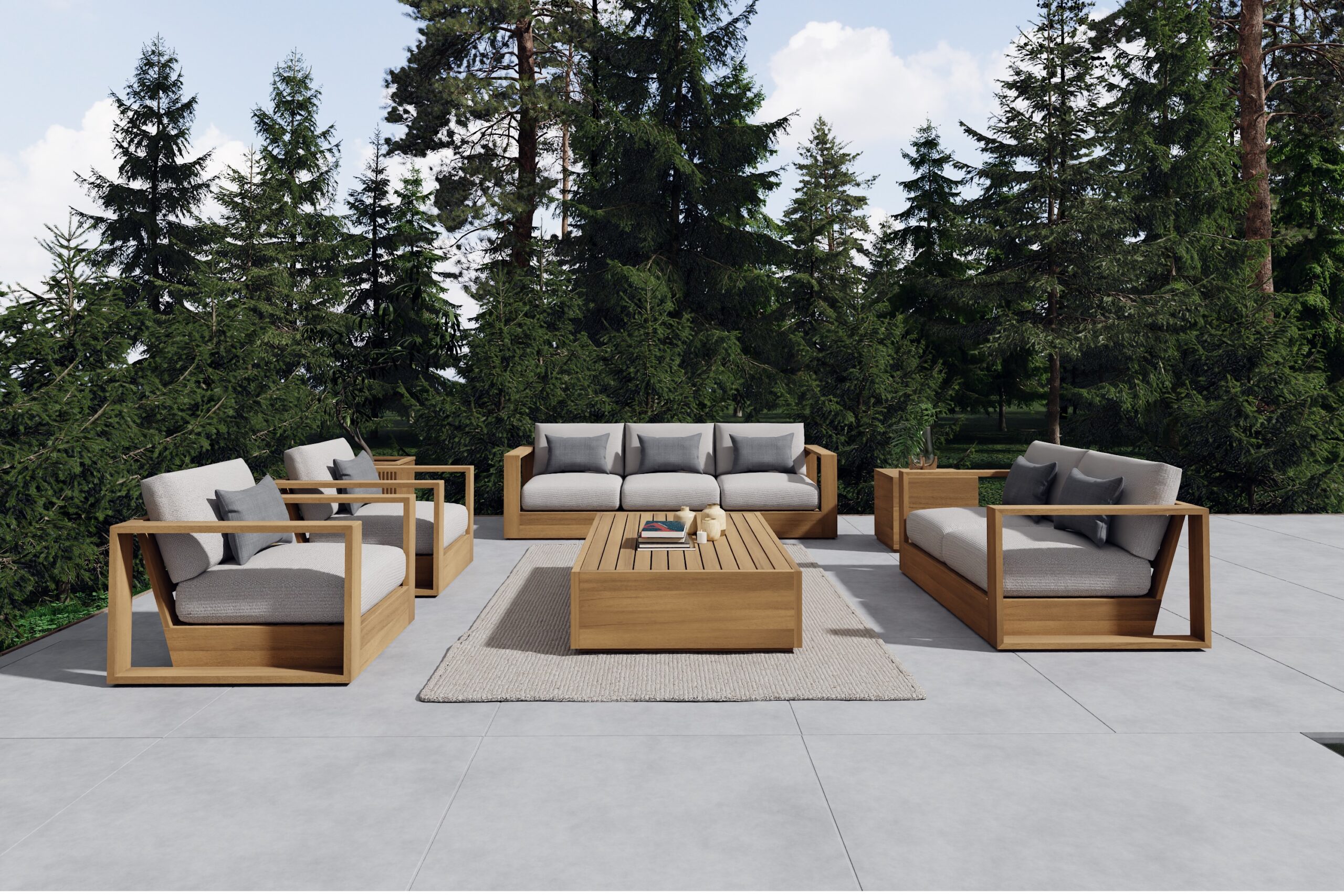
One of teak’s most compelling advantages lies in its low maintenance requirements. Designers and clients can choose between two primary approaches:
- Natural Aging: Allowing the wood to develop a silver-gray patina with minimal intervention
- Maintained Finish: Periodic cleaning and oiling to preserve its original golden tone
Both options maintain structural integrity, giving designers flexibility in how the material evolves over time.
This adaptability proves especially valuable in large-scale projects such as hotels, resorts, and residential developments, where maintenance efficiency directly impacts operational costs.
Integration with Contemporary Outdoor Living Trends
Outdoor spaces have evolved into fully functional living environments, often mirroring indoor comfort and sophistication. Teak furniture plays a central role in this transformation.
Designers frequently integrate teak into:
- Modular seating systems for flexible layouts
- Outdoor kitchens and dining areas
- Spa and wellness environments
- Hybrid indoor-outdoor transitions
The material’s tactile quality enhances user experience, while its durability ensures consistent performance across seasons.
For furniture brands, teak supports the development of cohesive collections that extend across multiple outdoor applications.
The Enduring Appeal of Teak in Luxury Design
Despite the emergence of new materials and technologies, teak furniture continues to dominate the luxury outdoor market. Its enduring appeal stems from a unique combination of attributes:
- Proven durability in demanding environments
- Timeless aesthetic that evolves with age
- Compatibility with diverse design styles
- Strong association with craftsmanship and quality
These qualities position teak not just as a material choice, but as a design statement.
Looking Ahead: Teak in Future Outdoor Design
As outdoor design continues to evolve, teak furniture will likely remain a cornerstone of high-end projects. However, its role may expand in new directions:
- Integration with advanced materials such as powder-coated metals and performance textiles
- Increased use in modular and customizable systems
- Greater emphasis on certified sustainable sourcing
- Innovative finishes that enhance durability without compromising natural aesthetics
For architects, outdoor designers, and luxury brands, teak offers a reliable foundation for innovation. It allows for experimentation while maintaining a connection to tradition.
Teak furniture remains a symbol of luxury outdoor design because it delivers on every level—performance, beauty, and longevity. In a market where quality and authenticity define success, teak continues to set the standard, shaping outdoor spaces that feel both timeless and forward-thinking.