

In contemporary urban design, luxury rooftop escapes have become essential architectural features that redefine how cities are experienced. No longer limited to functional terraces, rooftops are now curated environments where design, landscape, and panoramic views converge.
For outdoor designers and architects, rooftops present unique opportunities to transform underutilized spaces into immersive environments. These elevated settings offer a new perspective on luxury, where skyline views, material sophistication, and spatial innovation come together to create unforgettable outdoor experiences.
Defining Characteristics of Luxury Rooftop Escapes
Successful rooftop environments share several defining characteristics:
- Panoramic views that anchor the design concept
- Seamless indoor–outdoor transitions
- High-performance materials suited for exposure
- Integrated greenery and landscaping
- Flexible layouts supporting multiple functions
These elements ensure rooftops are not only visually compelling but also functional, adaptable, and aligned with luxury design standards.
Aman Tokyo: Minimalism Above the Skyline
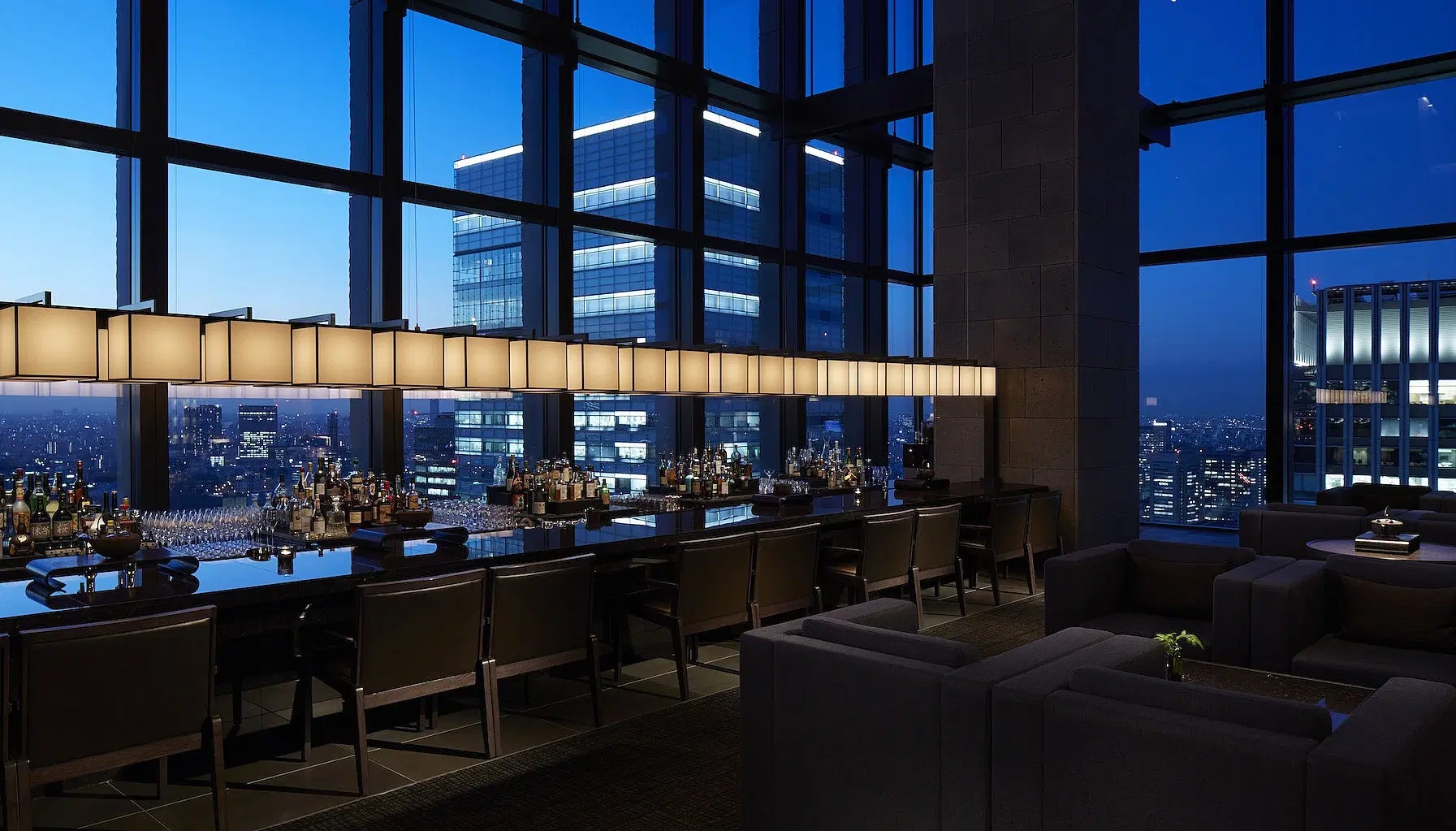
Aman Tokyo exemplifies how restraint and precision can define a rooftop experience. Its elevated spaces reflect a minimalist philosophy, where natural materials and open views of the Tokyo skyline create a serene atmosphere above the urban intensity.
The rooftop terrace integrates water features, stone surfaces, and subtle planting to establish balance and calm. For designers, Aman Tokyo demonstrates how luxury rooftop escapes can prioritize tranquility and spatial clarity while maintaining a strong connection to the surrounding cityscape.
Key Design Features of Aman Tokyo
The rooftop design incorporates:
- Minimalist material palettes emphasizing stone and wood
- Reflective water elements enhancing spatial depth
- Open layouts framing uninterrupted skyline views
- Subtle landscaping for visual softness
- Calm, neutral tones reinforcing serenity
These features create a refined rooftop environment rooted in simplicity and balance.
The Roof at Public Hotel: Urban Energy in New York
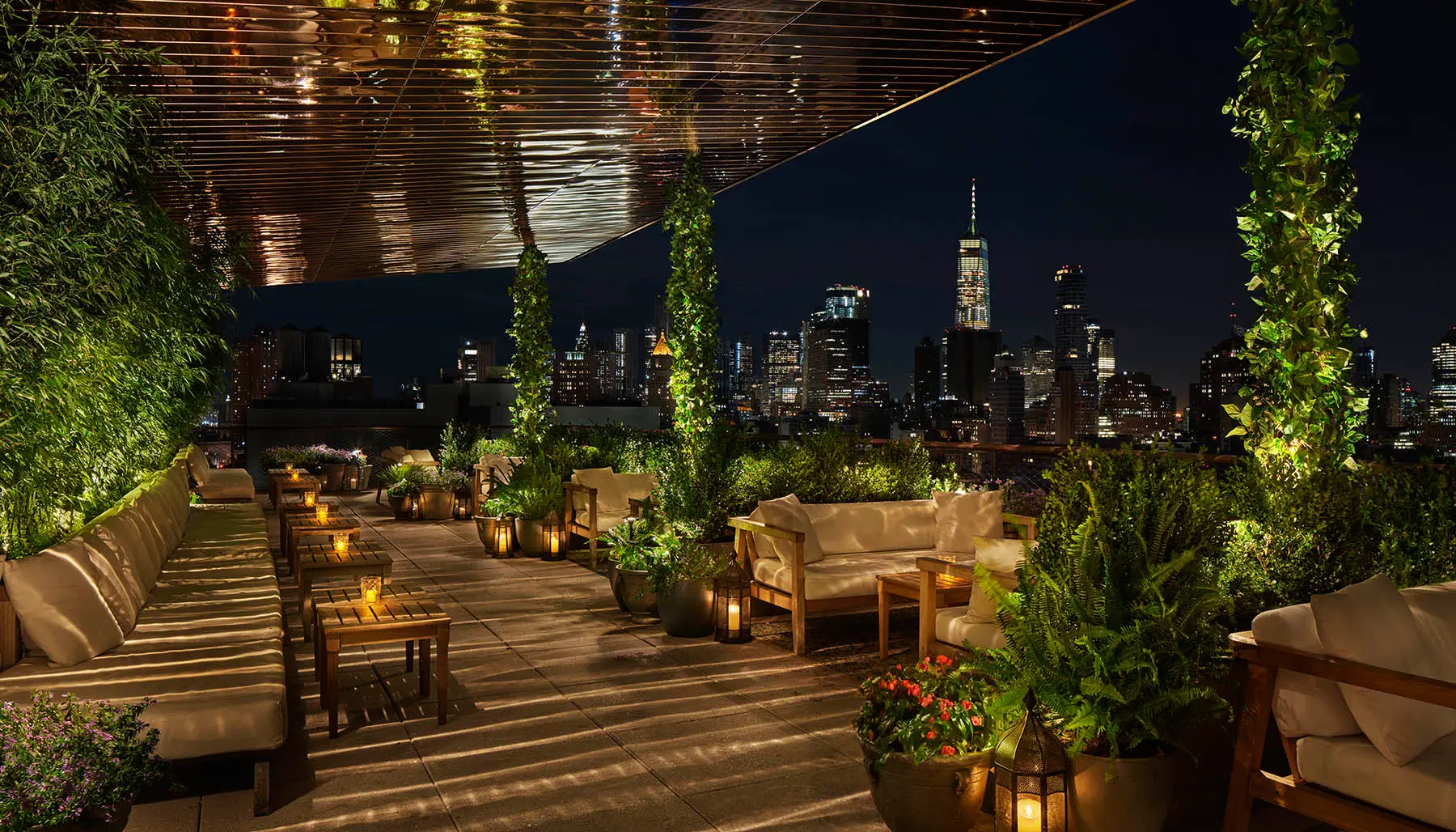
The Roof at Public Hotel offers a dynamic interpretation of luxury rooftop escapes. Located in Manhattan, this rooftop blends contemporary design with vibrant social energy, overlooking the city’s iconic skyline.
The space combines lounge areas, greenery, and sculptural furniture to create a layered environment that supports both relaxation and entertainment. Designers can observe how this rooftop balances aesthetic refinement with high-energy functionality, making it a benchmark for urban rooftop design.
Design Elements Behind Its Appeal
Key features include:
- Layered seating zones for diverse experiences
- Strategic lighting design enhancing nighttime ambiance
- Integration of greenery softening urban surroundings
- Panoramic city views as focal points
- Flexible layouts supporting events and gatherings
These elements contribute to a vibrant and adaptable rooftop environment.
1-Altitude: Elevated Luxury in Singapore
1-Altitude stands as one of the highest rooftop venues in the world, offering 360-degree views of Singapore’s skyline. Its design emphasizes openness, allowing guests to experience the city from a unique vantage point.
The rooftop incorporates sleek materials, ambient lighting, and carefully arranged seating to create a sophisticated environment. For architects, 1-Altitude demonstrates how verticality can be leveraged to enhance spatial experience, transforming height into a defining design feature.
Key Design Features of 1-Altitude
The rooftop’s success is driven by:
- 360-degree panoramic views
- Open-air design maximizing exposure
- Contemporary furniture enhancing comfort
- Dynamic lighting systems creating atmosphere
- Efficient circulation paths supporting movement
These features highlight the importance of spatial planning in elevated environments.
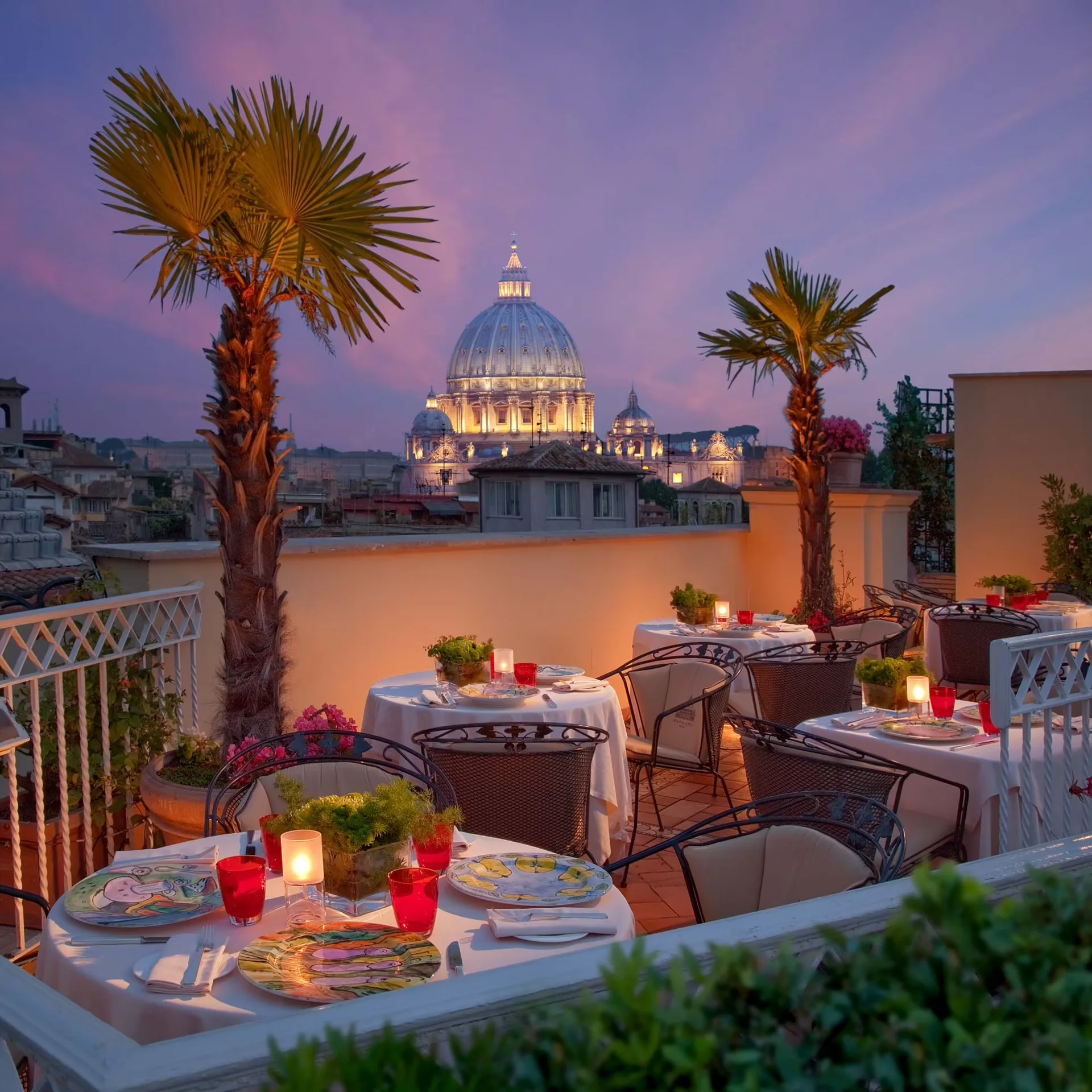
Hôtel Raphael Rooftop: Parisian Elegance
Hôtel Raphael offers a classic European interpretation of luxury rooftop escapes. Its terrace provides sweeping views of Paris landmarks, including the Eiffel Tower, framed by elegant design elements.
The rooftop combines traditional materials, refined furniture, and lush greenery to create an intimate yet sophisticated setting. For designers, this space illustrates how historical context and contemporary comfort can coexist, resulting in a rooftop that feels both timeless and luxurious.
Design Characteristics of Hôtel Raphael’s Terrace
Notable features include:
- Classic European styling with refined detailing
- Strategic greenery placement enhancing privacy
- Comfortable seating arrangements
- Iconic city views as focal points
- Balanced proportions creating intimacy
These elements contribute to a rooftop experience rooted in elegance.
Marina Bay Sands SkyPark: Iconic Architectural Integration
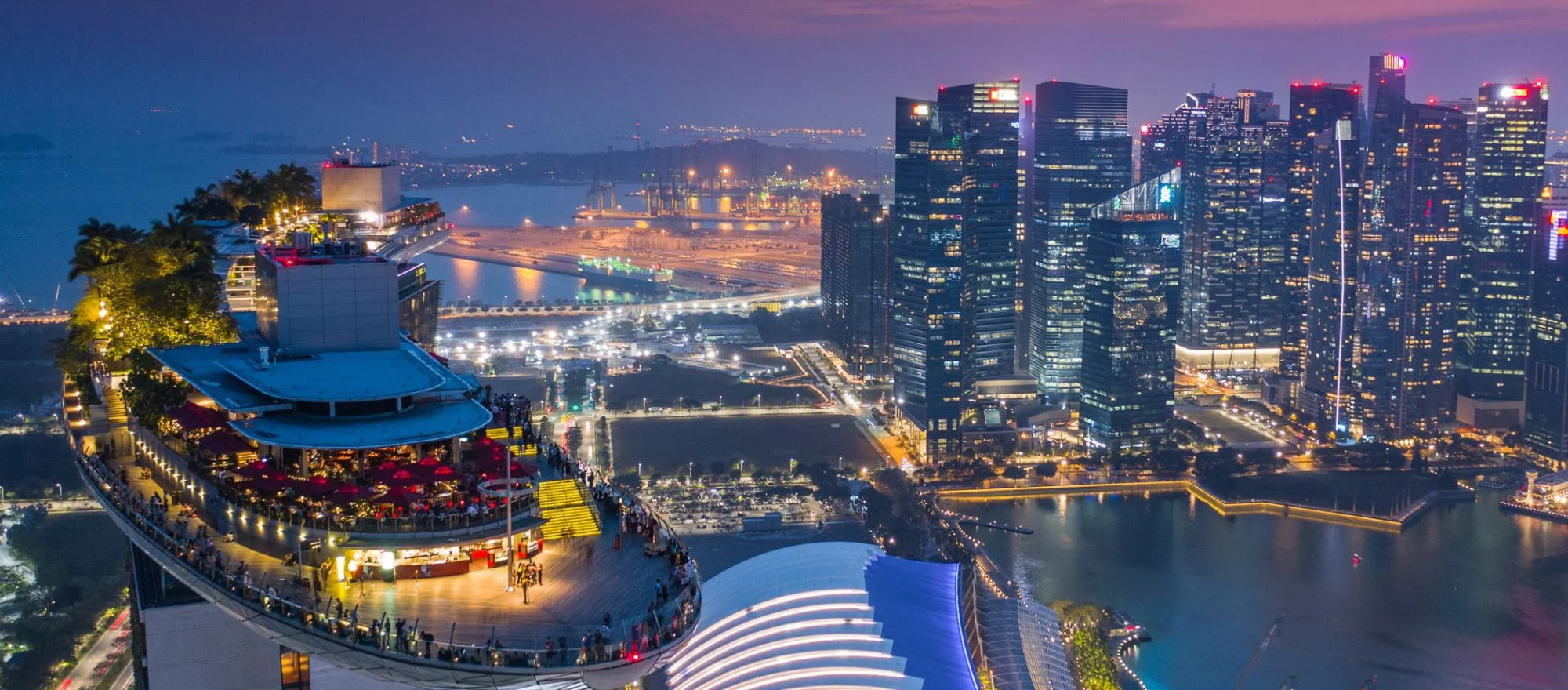
Marina Bay Sands SkyPark is one of the most recognizable examples of luxury rooftop escapes. Its expansive rooftop integrates architecture, landscape, and leisure into a single elevated platform.
The SkyPark features an infinity pool, gardens, and observation decks, all designed to maximize views of the Singapore skyline. For outdoor designers, it represents the potential of large-scale rooftop environments to become architectural landmarks, combining functionality with iconic visual impact.
Key Elements of Marina Bay Sands SkyPark
The design includes:
- Infinity-edge pool blending with the skyline
- Extensive landscaping creating green spaces
- Large-scale spatial planning supporting high capacity
- Observation decks enhancing user experience
- Integrated amenities for leisure and relaxation
These features demonstrate the complexity and ambition of large rooftop projects.
Materials and Durability in Rooftop Design
Material selection is critical in luxury rooftop escapes due to constant exposure to weather conditions. Designers must balance aesthetics with durability, ensuring long-term performance without compromising visual quality.
High-performance materials such as treated wood, stone, and advanced composites are commonly used. These materials must resist UV exposure, temperature fluctuations, and moisture while maintaining their appearance. For architects, choosing the right materials is essential to achieving both longevity and design coherence.
Common Materials Used in Rooftop Environments
Designers often select:
- Porcelain and natural stone for flooring
- Teak and hardwoods for furniture
- Metal alloys for structural elements
- Weather-resistant fabrics for upholstery
- Composite materials for durability
These materials ensure rooftops remain functional and visually appealing over time.
Landscape Integration at Elevated Levels
Incorporating greenery into rooftop design enhances both aesthetics and environmental performance. Plants soften architectural lines, improve air quality, and create a sense of connection to nature.
Designers must carefully select species that can withstand wind, sun exposure, and limited soil conditions. Planters, green walls, and rooftop gardens are commonly used to introduce vegetation. This integration transforms rooftops into living environments that support both ecological and human well-being.
Landscape Strategies for Rooftop Escapes
Effective approaches include:
- Use of drought-resistant plants
- Layered planting for visual depth
- Green walls and vertical gardens
- Integrated irrigation systems
- Wind-resistant plant selection
These strategies ensure sustainable and resilient rooftop landscapes.
Lighting and Atmosphere
Lighting plays a crucial role in defining the ambiance of luxury rooftop escapes. As these spaces transition from day to night, lighting design must support both functionality and mood.
Layered lighting systems, including ambient, task, and accent lighting, create depth and highlight key features. Warm tones are often used to enhance comfort, while dynamic lighting can be introduced for events or social gatherings. This approach ensures rooftops remain inviting and visually engaging at all hours.
Lighting Techniques for Rooftop Design
Designers frequently use:
- Integrated LED systems for efficiency
- Accent lighting highlighting architectural elements
- Pathway lighting ensuring safety
- Adjustable lighting controls for flexibility
- Subtle illumination maintaining elegance
These techniques enhance both usability and aesthetic appeal.
The Future of Luxury Rooftop Escapes
As cities continue to densify, luxury rooftop escapes will play an increasingly important role in urban design. Advances in materials, technology, and sustainability will expand the possibilities for creating elevated outdoor environments.
For outdoor designers and architects, the challenge lies in balancing innovation with timeless design principles. By focusing on spatial clarity, material quality, and user experience, professionals can create rooftops that are not only visually striking but also deeply functional.
Ultimately, luxury rooftop escapes represent the future of urban living—where design and views converge to redefine the experience of space.