

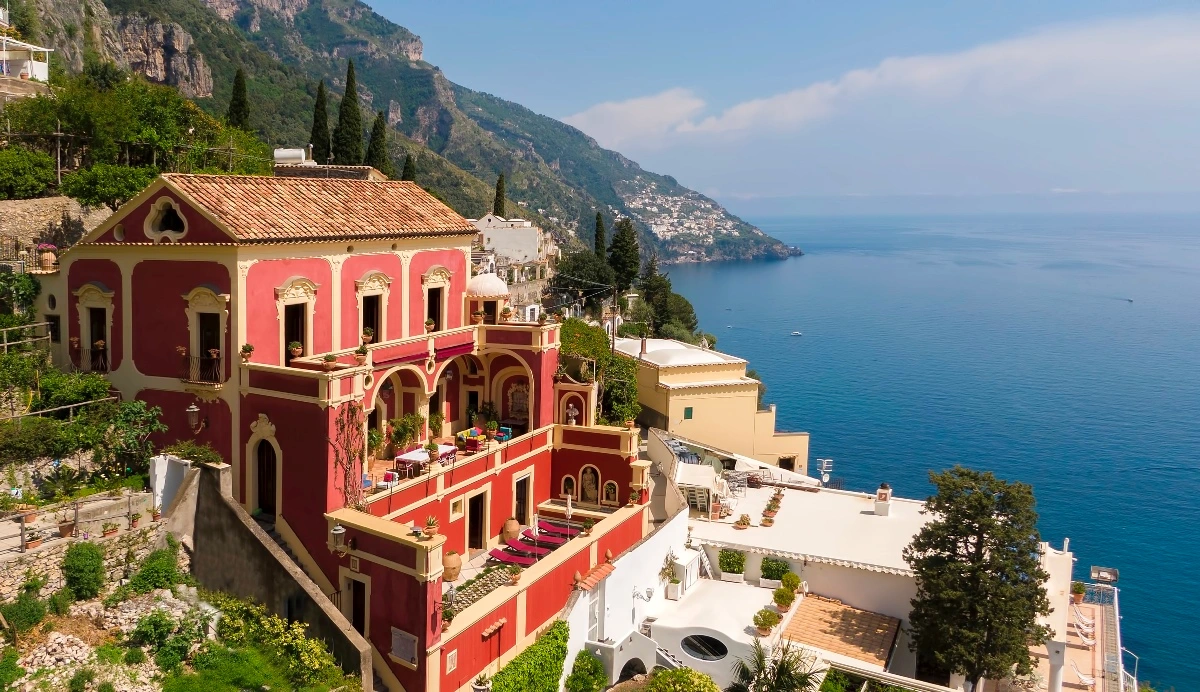
Across the cliffs of southern Amalfi Coast, Amalfi coast homes represent one of the most refined expressions of architecture integrated with landscape. Perched dramatically above the Mediterranean, these residences are not simply built on the land – they are carved into it. For outdoor designers and architects, they offer a masterclass in spatial adaptation, material sensitivity, and experiential design.
Unlike conventional coastal developments, Amalfi coast homes respond directly to steep topography, intense sunlight, and panoramic sea views. As a result, each project becomes a layered composition of terraces, gardens, and outdoor living spaces. These homes demonstrate how architecture can dissolve into the landscape while maintaining a distinct sense of luxury and permanence.
The Evolution of Terraced Living Along the Amalfi Coast
Historically, settlements along the Amalfi Coast developed out of necessity. Limited flat land forced builders to create stepped structures that followed the natural contours of the cliffs. Over time, this functional approach evolved into a defining architectural language.
Today, Amalfi coast homes reinterpret these traditional forms through a contemporary lens. Designers preserve the terraced logic while introducing modern materials, open-plan layouts, and expansive glazing. The result is a seamless dialogue between past and present – where heritage informs innovation.
For luxury design studios, this evolution highlights an important principle: constraints often generate the most compelling design solutions. In the case of the Amalfi Coast, topography becomes an asset rather than a limitation.
Spatial Layering and the Art of Outdoor Living
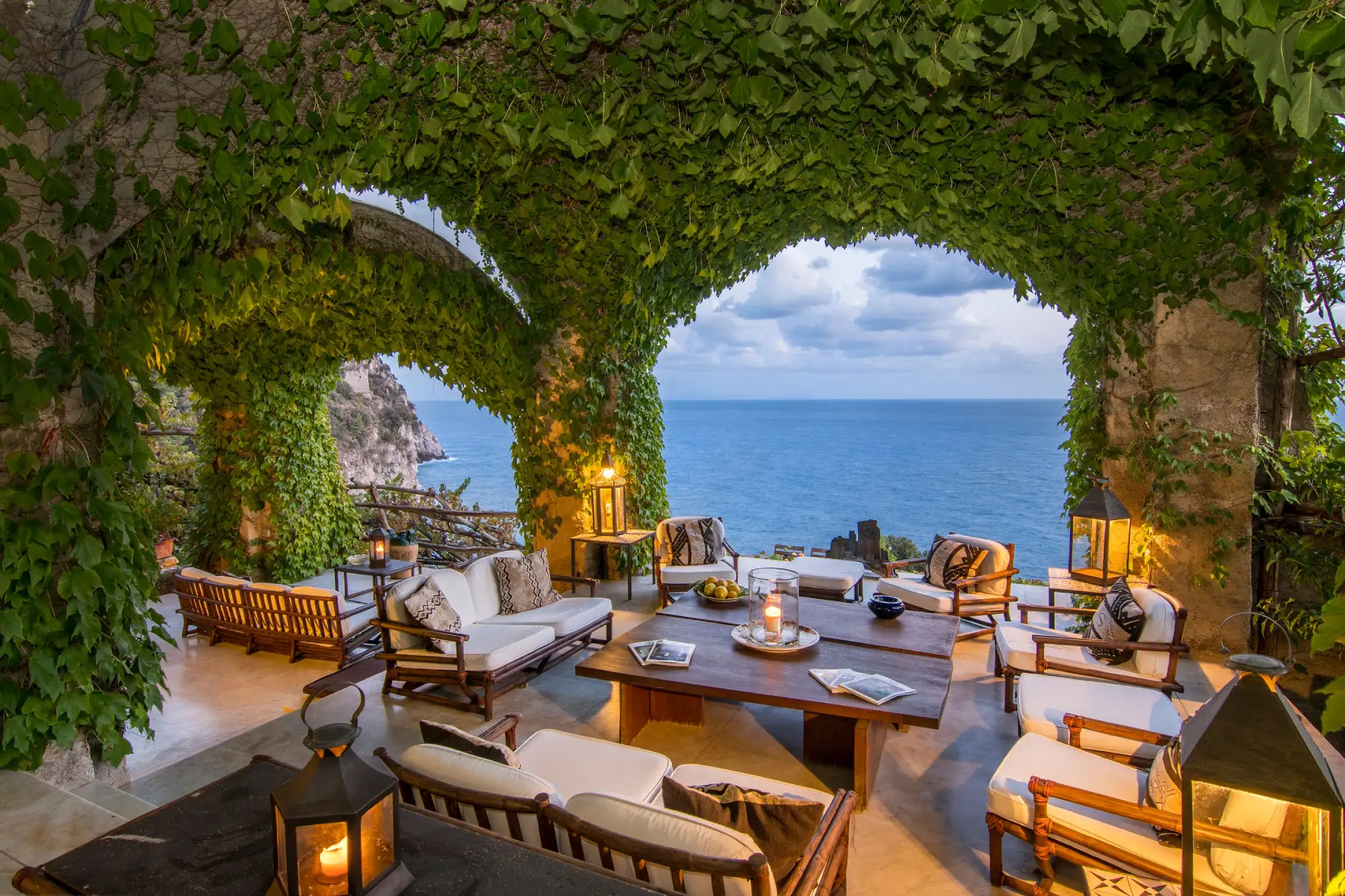
One of the most distinctive characteristics of Amalfi coast homes is their emphasis on spatial layering. Outdoor areas are not confined to a single plane but unfold across multiple levels, each offering a unique perspective of the Mediterranean horizon.
These layered environments typically include:
- Upper terraces designed for panoramic viewing and sunset experiences
- Mid-level outdoor lounges that connect directly to interior living spaces
- Garden terraces with citrus trees, herbs, and native planting
- Pool decks positioned to maximize visual continuity with the sea
- Shaded pergolas that provide relief from intense coastal sunlight
Together, these elements create a dynamic sequence of spaces that encourage movement, exploration, and varied sensory experiences throughout the day.
Materiality Rooted in Place
Material selection plays a crucial role in defining the character of Amalfi coast homes. The palette is deeply rooted in local tradition, yet refined for contemporary luxury applications. Natural stone, lime plaster, terracotta, and ceramic tiles are commonly used to create surfaces that feel both tactile and timeless.
These materials are not chosen solely for their aesthetic value. They also perform exceptionally well in the coastal climate, resisting heat, humidity, and salt exposure. Moreover, their weathering process enhances the overall composition, allowing buildings to age gracefully within their environment.
For outdoor designers, this approach reinforces the importance of authenticity. Materials should not only look appropriate—they should belong to the landscape in both performance and appearance.
Designing for Light, Shade, and Microclimate
The Mediterranean climate presents both opportunities and challenges. Intense sunlight, high temperatures, and reflective surfaces require careful environmental consideration. Amalfi coast homes address these factors through strategic spatial planning and architectural detailing.
Key climate-responsive strategies include:
- Deep overhangs and pergolas that create consistent shaded zones
- Orientation of terraces to capture breezes while minimizing heat gain
- Use of light-colored finishes to reflect solar radiation
- Integration of vegetation for natural cooling and shading
- Placement of water features to enhance microclimatic comfort
These design decisions ensure that outdoor spaces remain usable throughout the day, even during peak summer conditions.
The Role of Landscape in Architectural Identity
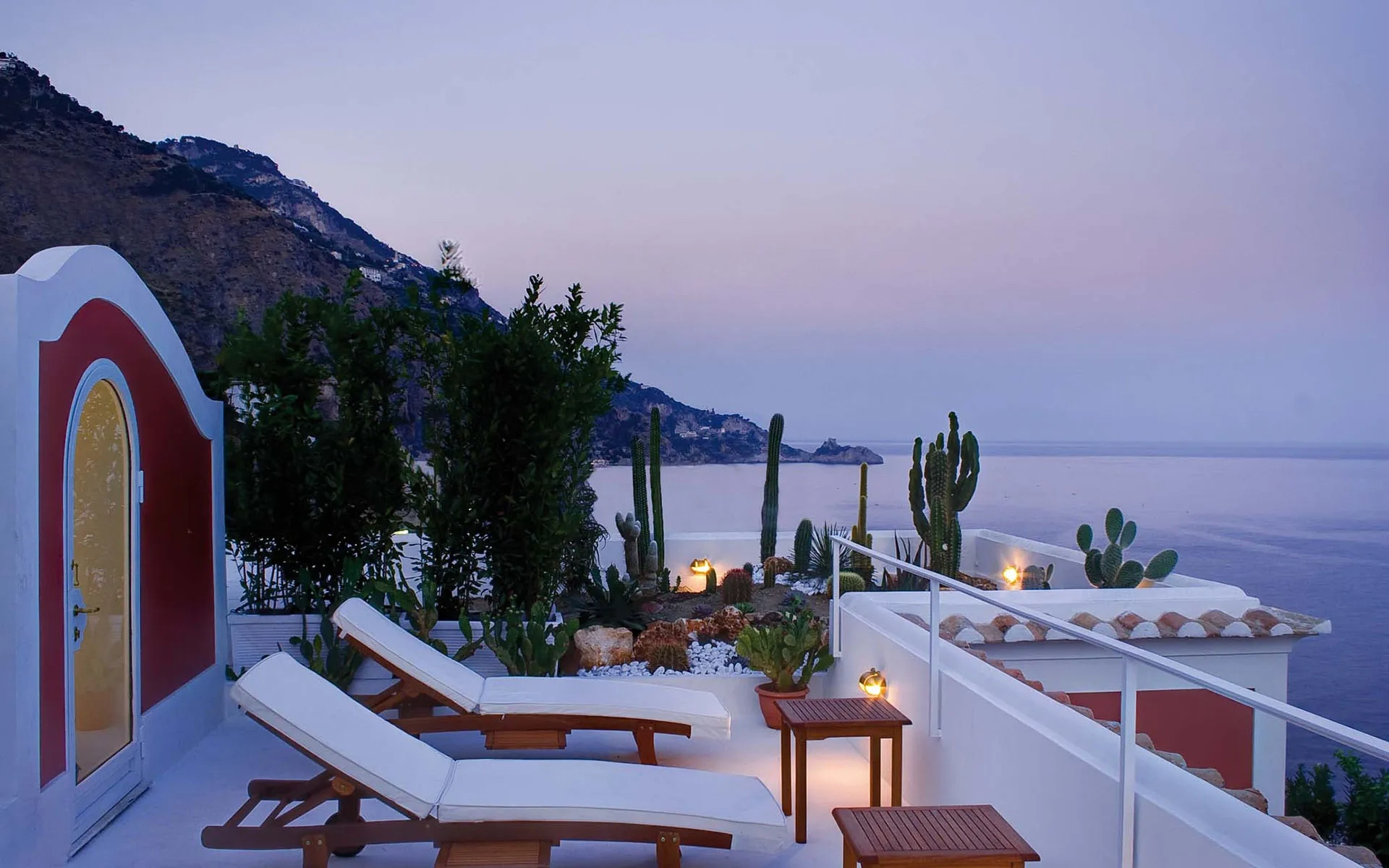
In Amalfi coast homes, landscape design is inseparable from architecture. Gardens are not decorative additions—they are structural components that define the spatial experience. Terraced planting systems stabilize slopes while introducing layers of texture, color, and scent.
Citrus groves, olive trees, and Mediterranean shrubs create a strong sense of place. At the same time, these plantings contribute to ecological balance and low-maintenance performance. Designers often use repetition and rhythm to guide movement through the landscape, reinforcing the overall composition.
This integration highlights a key lesson for luxury projects: landscape architecture should be considered from the earliest stages of design, shaping both form and function.
Outdoor Furniture in Terraced Environments
Furnishing Amalfi coast homes requires a nuanced approach that responds to both spatial constraints and environmental exposure. Furniture must complement the architecture while maintaining durability in coastal conditions.
Design considerations typically include:
- Low-profile seating to preserve uninterrupted views
- Modular configurations that adapt to irregular terrace layouts
- Materials such as teak, stone, and powder-coated metals
- Neutral color palettes that harmonize with natural surroundings
- Lightweight pieces that can be easily repositioned
By aligning furniture design with architectural intent, outdoor spaces achieve a cohesive and elevated aesthetic that enhances the overall user experience.
Crafting Experiential Luxury Through Views
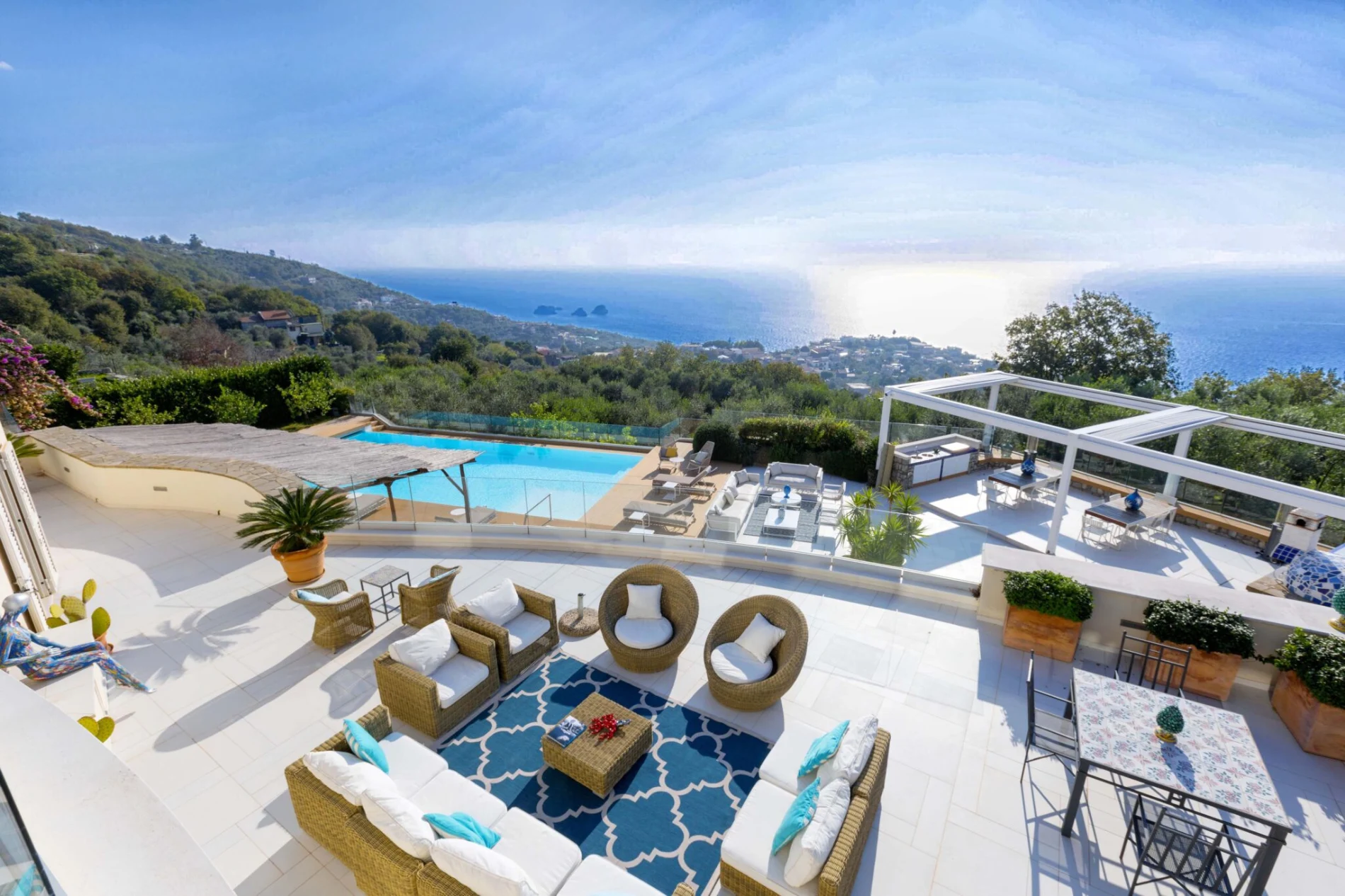
Perhaps the most defining feature of Amalfi coast homes is their relationship with the horizon. Every design decision – whether architectural, landscape, or material – is oriented toward maximizing visual connection with the sea.
This focus on views transforms outdoor spaces into immersive environments. Terraces become stages for observing changing light conditions, shifting weather patterns, and expansive vistas. The experience is both dynamic and deeply calming, reinforcing the emotional value of the space.
For architects and designers, this underscores the importance of perspective. Luxury is not only defined by materials or scale, but by the quality of experience a space provides.
Contemporary Interpretations in High-End Projects
Modern Amalfi coast homes continue to evolve, incorporating new technologies and design approaches while respecting traditional principles. Glass balustrades replace solid walls to enhance transparency. Infinity pools extend visual lines toward the horizon. Integrated lighting systems highlight architectural and landscape features after sunset.
Emerging trends in these projects include:
- Minimalist architectural forms that contrast with rugged landscapes
- Seamless indoor-outdoor transitions through retractable glazing
- Smart systems for lighting, shading, and climate control
- Sustainable material sourcing and construction techniques
- Custom outdoor kitchens and entertainment areas
These innovations ensure that Amalfi coast homes remain at the forefront of luxury design while adapting to contemporary lifestyles.
The Future of Amalfi Coast Homes
As global demand for experiential luxury continues to grow, Amalfi coast homes will remain a benchmark for integrated design. Their success lies in the balance between architecture, landscape, and environment – a balance that feels both effortless and intentional.
Looking ahead, designers will continue to refine this relationship, exploring new ways to enhance sustainability, comfort, and spatial fluidity. However, the core principles will remain unchanged: respect for the land, sensitivity to climate, and a commitment to creating meaningful outdoor experiences.
For outdoor designers, architects, and luxury studios, the Amalfi Coast offers more than inspiration – it provides a blueprint for how to design with the landscape rather than against it. By embracing these lessons, future projects can achieve the same level of harmony, elegance, and enduring appeal.