

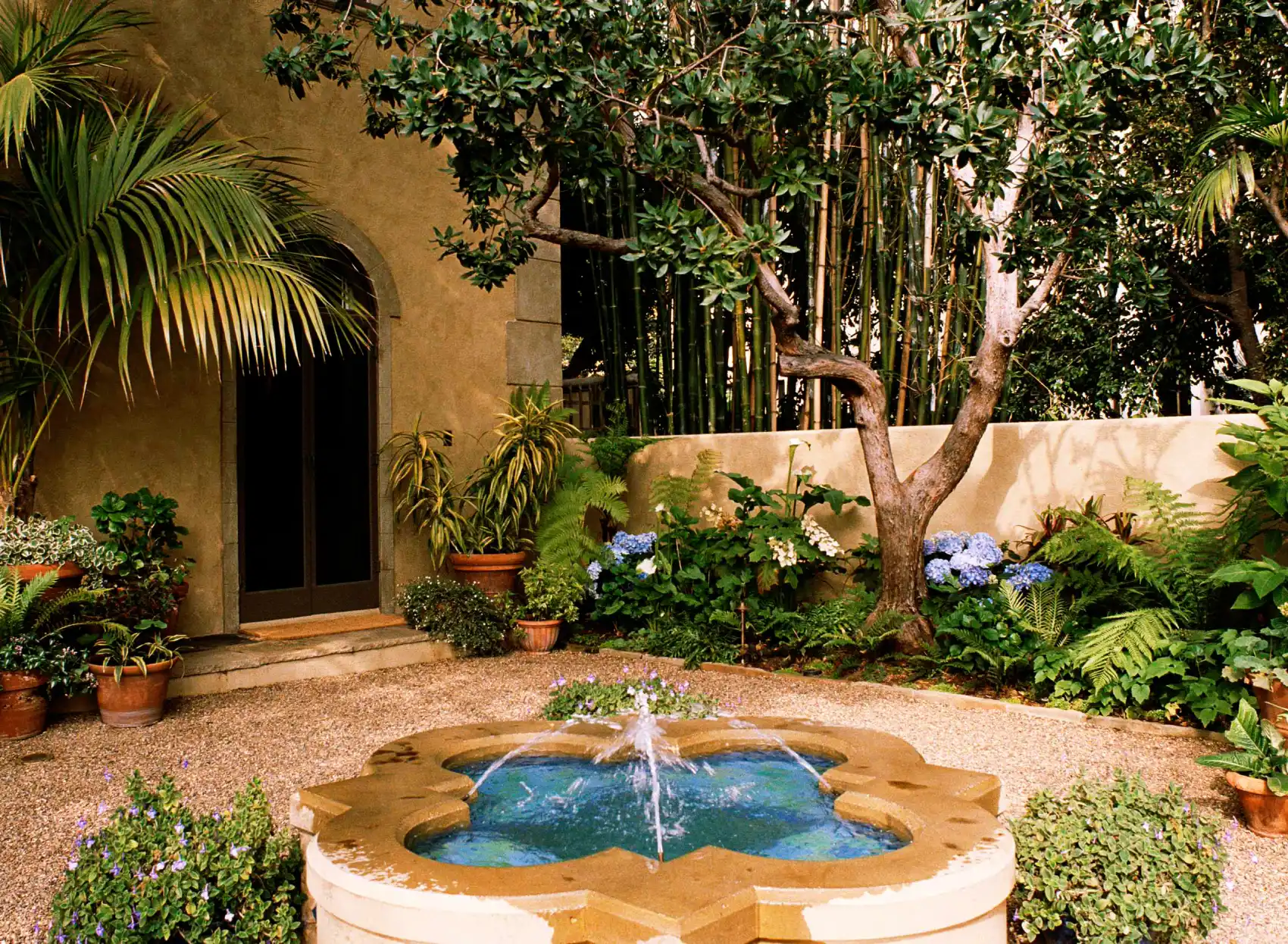
Across coastal regions from southern Europe to North Africa, mediterranean outdoor life reflects a timeless approach to living, one rooted in simplicity, climate responsiveness, and sensory richness. For outdoor designers, architects, and luxury design studios, this design philosophy offers a compelling framework for creating spaces that feel both effortless and deeply refined.
Rather than relying on excess or complexity, mediterranean outdoor life emphasizes restraint. It prioritizes proportion, natural materials, and a seamless relationship between architecture and landscape. As a result, outdoor environments become places of calm, where light, texture, and atmosphere define the experience. This aesthetic continues to influence contemporary luxury design, particularly in coastal and warm-climate projects.
The Origins of Mediterranean Simplicity
The foundations of mediterranean outdoor life are deeply tied to geography and climate. Traditional homes were designed to respond to intense sunlight, limited water resources, and the need for natural cooling. These environmental constraints shaped a design language that values efficiency and clarity.
Whitewashed walls reflect sunlight, reducing heat absorption. Thick masonry provides thermal mass, maintaining comfortable interior and exterior temperatures. Outdoor courtyards serve as transitional spaces, offering shade and ventilation.
Over time, these practical solutions evolved into a distinct aesthetic. What began as necessity became a defining characteristic of Mediterranean design-where simplicity is not minimalism, but rather a refined response to place and climate.
Spatial Clarity and Open-Air Living
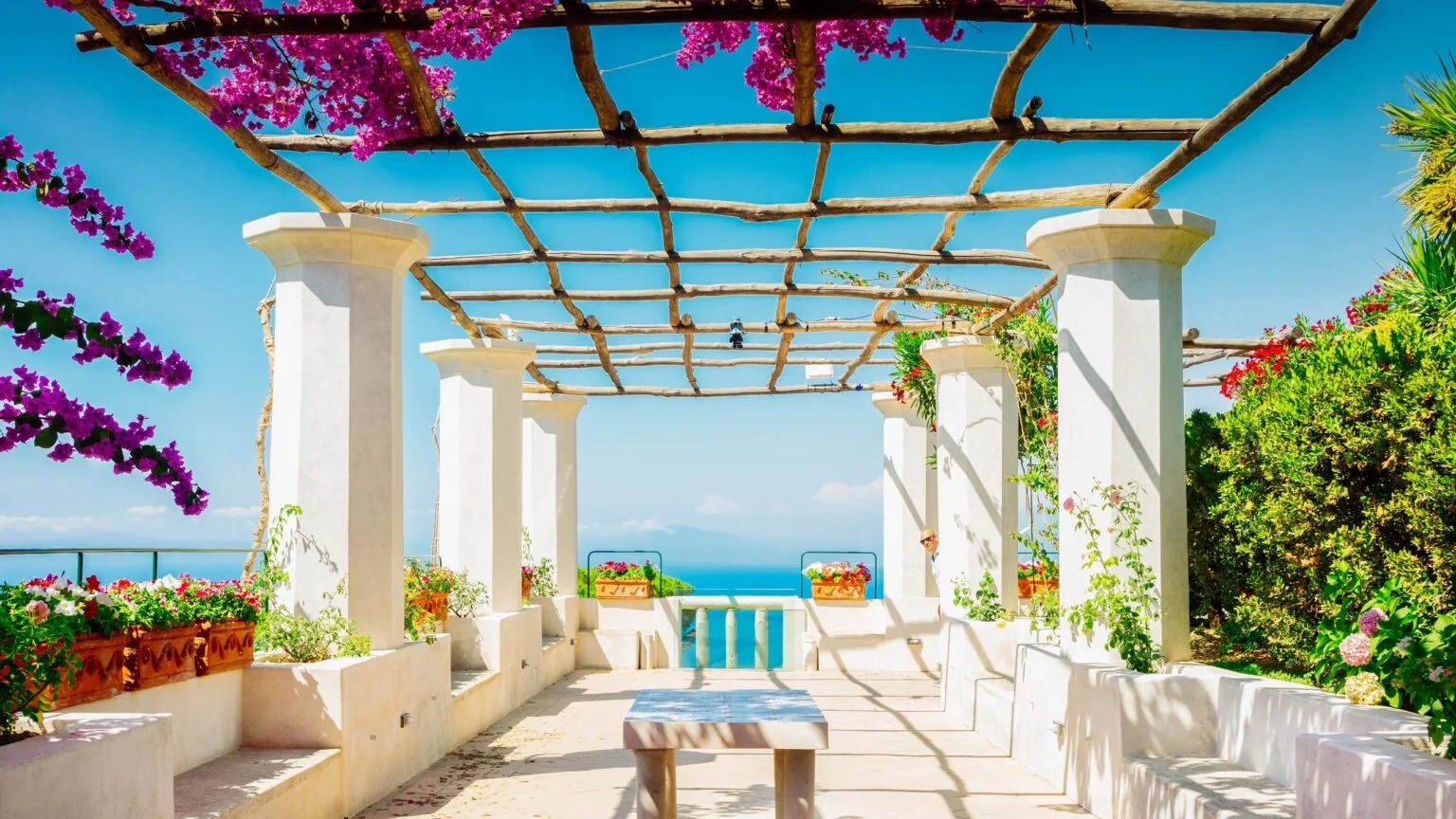
A key aspect of mediterranean outdoor life is the clarity of spatial organization. Outdoor areas are designed with intention, often arranged around courtyards, terraces, or garden rooms that extend the living space beyond the interior.
Typical spatial strategies include:
- Central courtyards that act as the heart of the home
- Terraces oriented to capture views and natural breezes
- Pergolas that create shaded outdoor living zones
- Seamless transitions between interior and exterior spaces
- Defined yet fluid zones for dining, lounging, and relaxation
These elements create a sense of order while allowing for flexibility, supporting both daily living and social interaction.
Material Authenticity and Natural Expression
Materiality plays a central role in shaping the aesthetics of mediterranean outdoor life. The palette is intentionally restrained, focusing on materials that are locally sourced and inherently expressive.
Stone, terracotta, wood, and lime plaster dominate the landscape. These materials are chosen not only for their durability but also for their ability to age gracefully. Surfaces develop patina over time, adding depth and character to the environment.
This emphasis on authenticity aligns closely with contemporary luxury design principles. Rather than concealing imperfections, Mediterranean design celebrates them, allowing materials to tell a story through texture and weathering.
Light, Shadow, and Atmospheric Design
In mediterranean outdoor life, light is one of the most powerful design elements. The interplay between sunlight and shadow defines the spatial experience, creating dynamic environments that evolve throughout the day.
Design techniques often include:
- Deep overhangs and arcades to filter harsh sunlight
- Pergolas with slatted structures that cast patterned shadows
- Light-colored surfaces that enhance brightness and reflectivity
- Strategic planting to create dappled shade
- Water features that amplify light through reflection
These strategies transform outdoor spaces into atmospheric settings, where light becomes a material in its own right.
The Role of Landscape in Mediterranean Living
Landscape design in mediterranean outdoor life is both functional and poetic. Planting schemes are carefully curated to thrive in dry climates while contributing to the overall sensory experience.
Olive trees, cypress, lavender, and aromatic herbs are commonly used. These plants require minimal water while offering texture, color, and fragrance. Gravel and stone pathways replace traditional lawns, reinforcing the connection to the natural environment.
Importantly, landscape elements are integrated into the architecture. Gardens are not separate entities but extensions of the built form, enhancing spatial continuity and environmental performance.
Outdoor Furniture and the Language of Simplicity
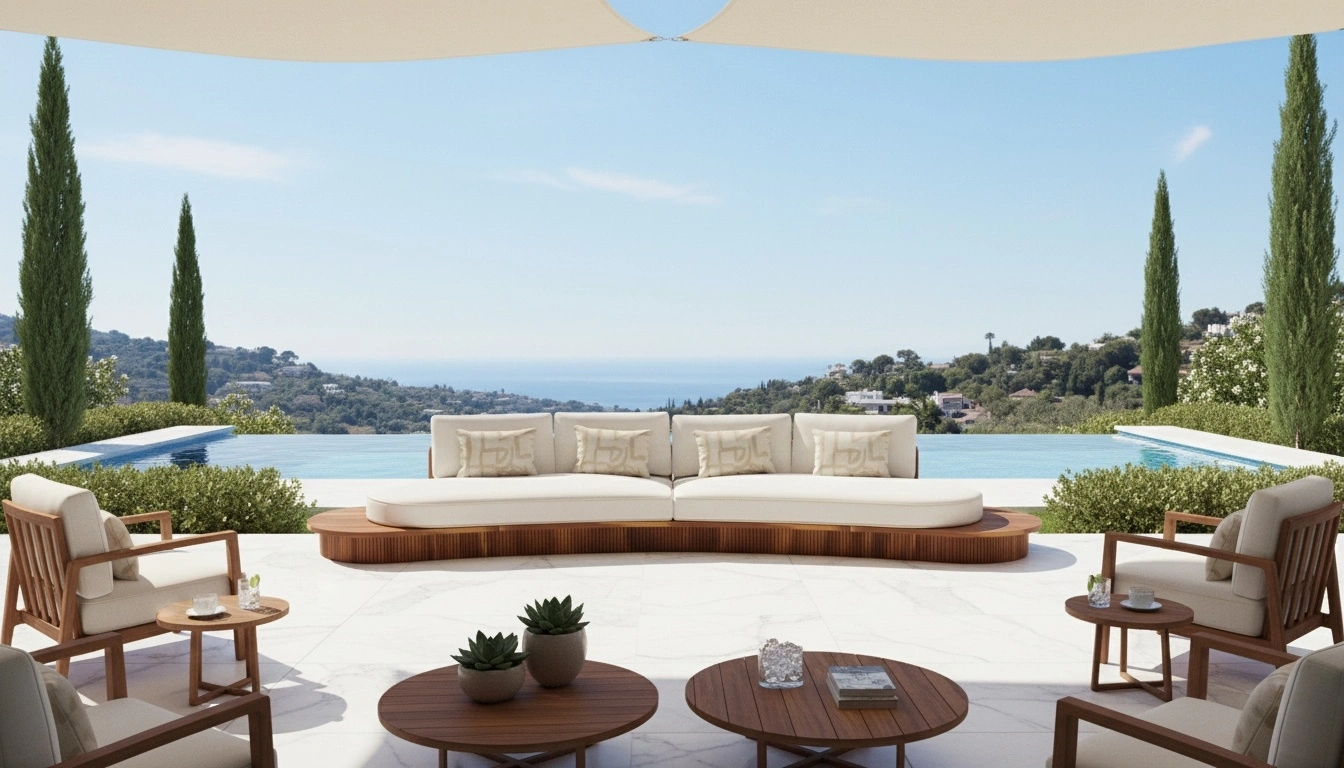
Furniture in mediterranean outdoor life reflects the same principles of restraint and authenticity. Pieces are selected for their functionality, durability, and ability to complement the surrounding architecture.
Key considerations include:
- Simple, clean-lined forms that avoid visual clutter
- Natural materials such as wood, wicker, and metal
- Neutral color palettes that harmonize with the environment
- Comfortable yet understated upholstery
- Flexible arrangements that adapt to different uses
By maintaining a cohesive design language, furniture enhances the overall simplicity of the space without drawing unnecessary attention.
Sensory Experience and Human Connection
One of the most compelling aspects of mediterranean outdoor life is its focus on sensory experience. Design is not only visual but also tactile, auditory, and olfactory.
The texture of stone underfoot, the scent of herbs in the air, and the sound of water or wind through trees all contribute to a holistic environment. These elements create a strong emotional connection between the user and the space.
For luxury projects, this emphasis on sensory richness is particularly valuable. It elevates outdoor environments from functional spaces to immersive experiences that support well-being and relaxation.
Contemporary Interpretations in Luxury Design
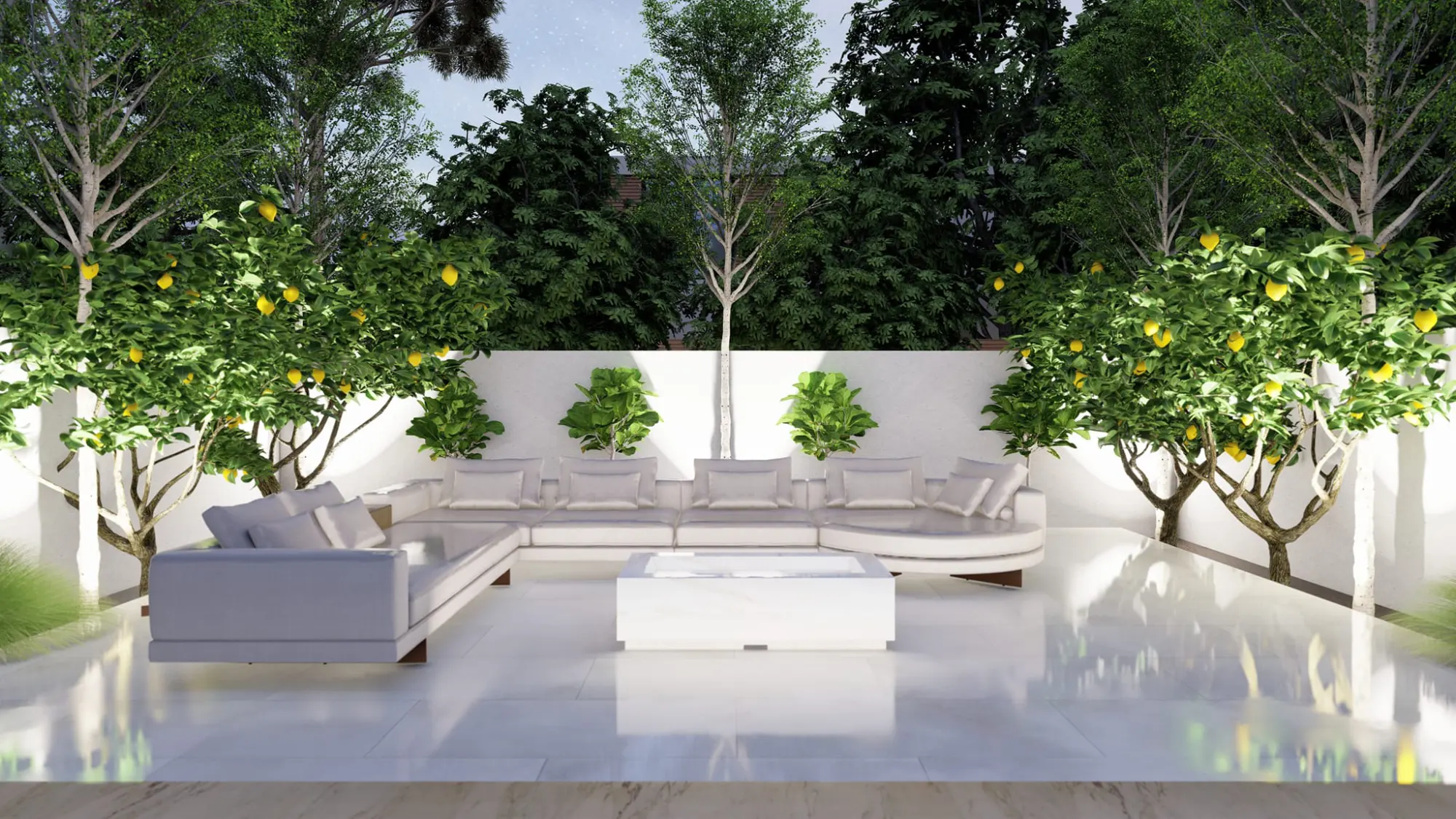
Modern interpretations of mediterranean outdoor life continue to evolve while preserving core principles. Architects and designers are reimagining traditional forms through contemporary materials and technologies.
Emerging approaches include:
- Minimalist reinterpretations of courtyards and terraces
- Integration of glass and steel with traditional materials
- Advanced shading systems that enhance climate control
- Sustainable water management strategies
- Custom outdoor kitchens and wellness-focused spaces
These innovations allow designers to adapt Mediterranean aesthetics to modern lifestyles while maintaining authenticity and simplicity.
Achieving Balance Through Simplicity
Simplicity in mediterranean outdoor life is not about absence-it is about balance. Every element, from architecture to landscape to furniture, is carefully considered to create a cohesive whole.
Achieving this balance requires restraint. Designers must resist the temptation to overcomplicate, instead focusing on proportion, materiality, and spatial clarity. When executed successfully, the result is an environment that feels effortless yet deeply intentional.
This approach aligns with the expectations of luxury clients, who increasingly value authenticity and experiential quality over excess.
The Future of Mediterranean Outdoor Living
As global design trends shift toward sustainability and well-being, mediterranean outdoor life offers a timeless model. Its emphasis on climate responsiveness, material authenticity, and human connection positions it as highly relevant for future projects.
Designers are likely to continue drawing inspiration from this tradition, adapting its principles to new contexts and technologies. However, the essence will remain unchanged: creating outdoor spaces that are simple, functional, and deeply connected to their environment.
For outdoor designers, architects, and luxury studios, mediterranean outdoor life provides both inspiration and a practical framework. It demonstrates that true luxury lies in clarity, restraint, and the thoughtful integration of design elements.
Conclusion
The aesthetics of simplicity in mediterranean outdoor life reveal a powerful design philosophy—one that values harmony over excess and experience over ornamentation. Through careful attention to materials, light, and spatial composition, these environments achieve a timeless sense of elegance.
For professionals shaping the future of outdoor design, embracing this approach offers a path toward creating spaces that are both sophisticated and enduring. As the demand for meaningful outdoor living continues to grow, the principles of mediterranean outdoor life will remain a guiding force in luxury design.