

Mediterranean terraces have long defined the essence of outdoor luxury. They frame the sea, capture natural light, and extend interior living into open-air environments. As we move beyond 2026, a new wave of Outdoor Living Trends is reshaping how architects, outdoor designers, and luxury furniture brands approach terrace design across coastal regions.
This evolution goes beyond aesthetics. It reflects changing lifestyles, climate considerations, and a growing demand for highly personalized, multi-functional outdoor spaces. The Mediterranean, with its unique climate and cultural heritage, continues to lead this transformation.
Seamless Indoor-Outdoor Integration
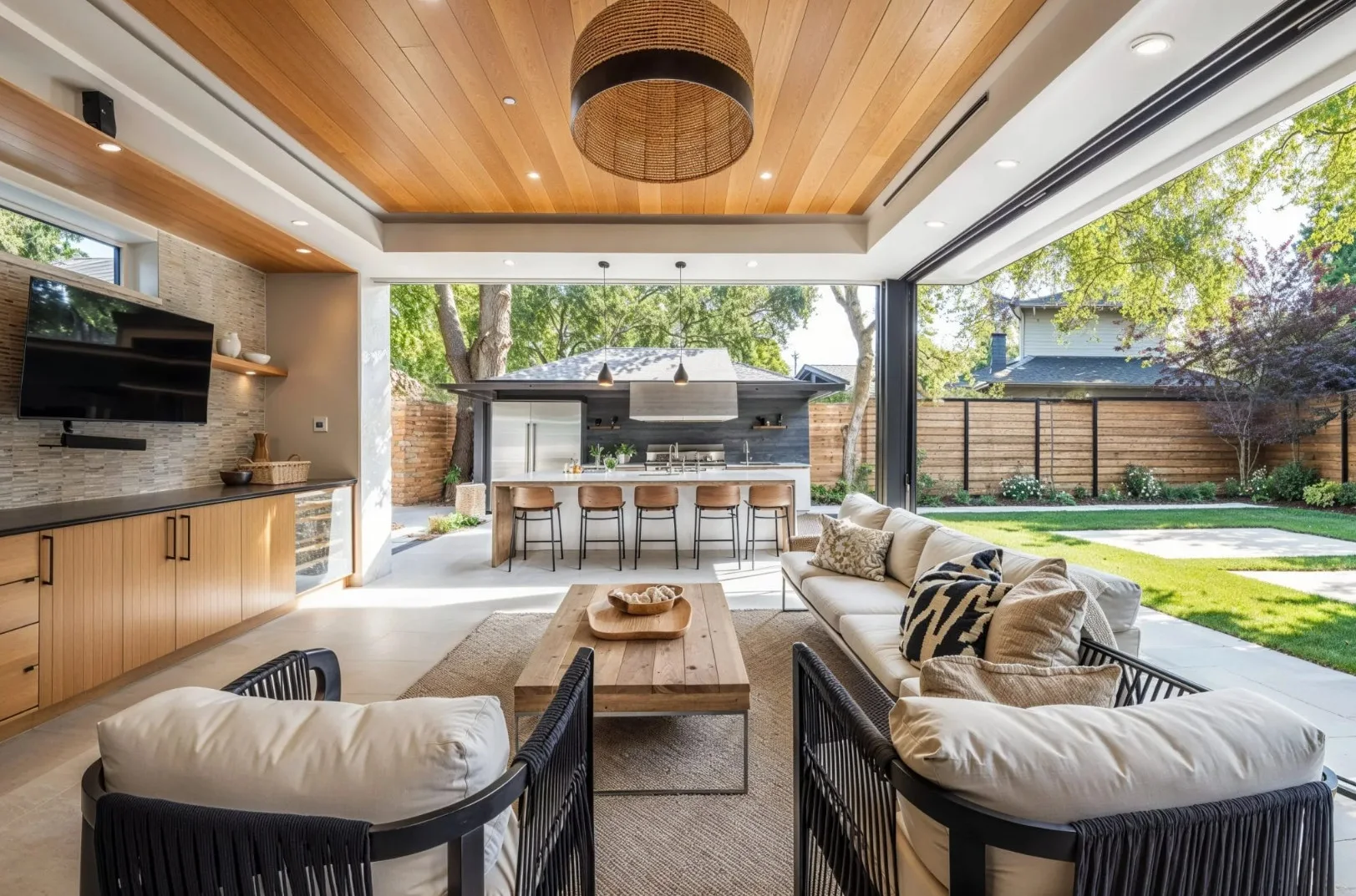
The boundary between interior and exterior spaces continues to dissolve. Designers now treat terraces as fully integrated extensions of the home rather than secondary areas.
Large sliding glass systems, flush flooring transitions, and consistent material palettes create visual continuity. Natural stone flooring often flows from interior living rooms directly onto terraces, while ceiling treatments extend outward to unify the space.
Furniture selection plays a central role. Modular seating systems, low-profile loungers, and adaptable dining setups allow terraces to function like interior living rooms. This approach aligns with one of the most dominant Outdoor Living Trends—spaces that feel as curated and intentional as interiors.
Climate-Responsive Design Takes Priority
Mediterranean climates bring intense sun, seasonal winds, and rising temperatures. Future terrace design responds directly to these conditions.
Architects and designers are incorporating:
- Adjustable shading systems, including pergolas with retractable louvers
- High-performance outdoor fabrics that resist UV damage
- Natural ventilation strategies that reduce heat buildup
Bioclimatic pergolas are becoming a defining feature. These structures adapt to weather conditions in real time, offering shade, airflow, and rain protection. They enhance usability throughout the year without compromising aesthetics.
Water elements also play a growing role. Reflective pools, misting systems, and integrated fountains help regulate temperature while adding a sensory layer to the environment.
Elevated Material Palettes
Material selection continues to evolve as one of the most influential Outdoor Living Trends. Designers are moving toward refined, tactile finishes that balance durability with luxury.
Key materials shaping Mediterranean terraces after 2026 include:
- Sintered stone for countertops and flooring
- Thermally modified wood for decking and furniture
- Powder-coated aluminum with matte finishes
- Handcrafted ceramics and textured plaster surfaces
These materials withstand harsh outdoor conditions while maintaining a sophisticated appearance. Neutral palettes still dominate, but designers increasingly introduce contrast through darker tones, such as charcoal, deep bronze, and oxidized metals.
Sustainability also drives material innovation. Recycled composites and responsibly sourced natural materials are gaining traction, especially in high-end residential projects.
Outdoor Kitchens as Architectural Anchors
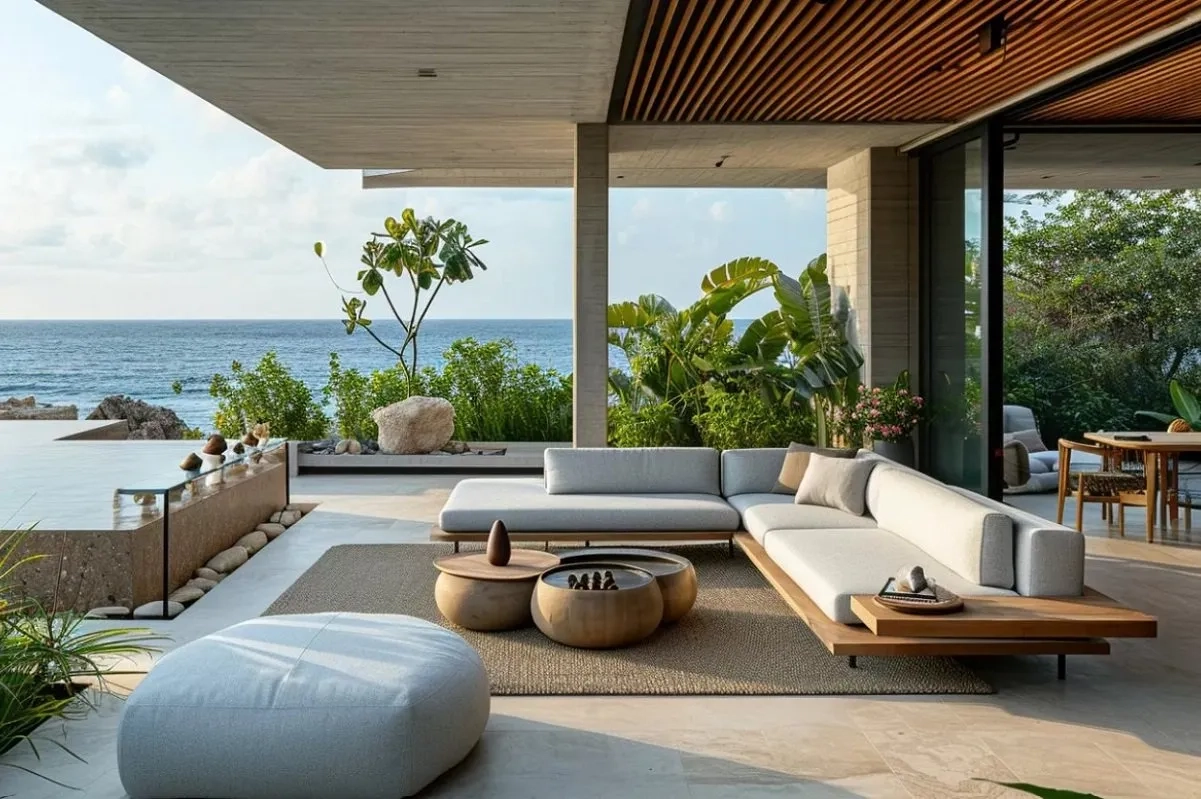
Outdoor kitchens are no longer optional features—they serve as central design elements. In many Mediterranean homes, the terrace revolves around cooking, dining, and social interaction.
Designers are elevating these spaces with:
- Fully integrated appliances
- Custom cabinetry designed for outdoor conditions
- Statement countertops in stone or composite materials
Layouts now mirror indoor kitchens, with defined zones for preparation, cooking, and serving. Built-in bars and wine storage further enhance functionality.
For luxury design studios, outdoor kitchens present opportunities to create highly customized environments that reflect both lifestyle and architectural identity.
Wellness-Focused Outdoor Environments
Wellness continues to influence residential design, and terraces are becoming key spaces for relaxation and rejuvenation.
Future-forward terraces often include:
- Spa features such as hot tubs and cold plunge pools
- Meditation areas with minimalistic layouts
- Outdoor fitness zones with discreet equipment integration
Natural elements remain central. Designers incorporate greenery, water, and organic materials to create calming atmospheres. This aligns with broader Outdoor Living Trends that prioritize mental and physical well-being.
Lighting design also supports this shift. Soft, layered lighting enhances ambiance while minimizing visual noise. Integrated LED systems, concealed fixtures, and warm color temperatures contribute to a more immersive experience.
Flexible and Multi-Functional Layouts
Modern terraces must adapt to different uses throughout the day. Flexibility has become a defining characteristic of luxury outdoor spaces.
Designers are using:
- Modular furniture that can be reconfigured easily
- Sliding partitions and screens for privacy
- Multi-purpose zones that transition from lounging to dining to entertaining
This adaptability ensures that terraces remain relevant as lifestyle needs evolve. It also allows homeowners to maximize the value of their outdoor space without increasing its footprint.
Technology Integration Without Visual Clutter
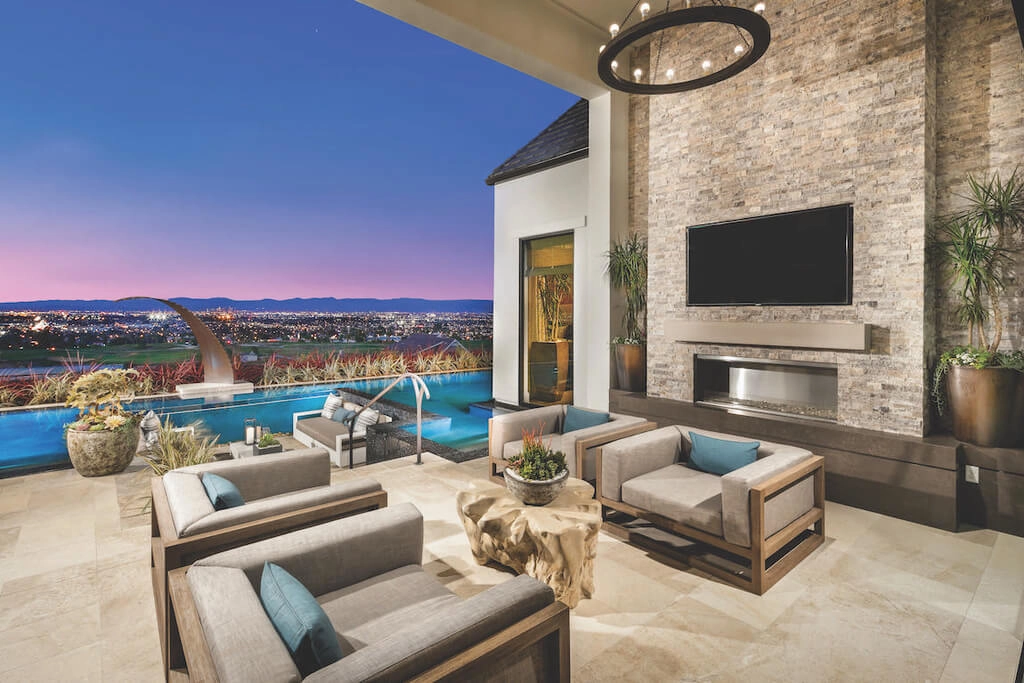
Technology continues to shape outdoor environments, but the focus has shifted toward subtle integration. High-end clients expect advanced functionality without compromising design integrity.
Key innovations include:
- Hidden audio systems with distributed sound
- Smart lighting controlled through mobile devices
- Automated shading and climate systems
Designers are embedding these technologies within architectural elements, ensuring they remain invisible. This approach preserves the clean, minimalist aesthetic that defines many Mediterranean terraces.
Landscape Design as a Core Element
Terrace design increasingly overlaps with landscape architecture. Greenery is no longer decorative—it plays a structural role in defining space and enhancing privacy.
Design strategies include:
- Vertical gardens that soften architectural lines
- Native plant species that require minimal water
- Sculptural trees that act as focal points
Planters are becoming more integrated into the architecture itself, often built into walls or seating elements. This creates a cohesive environment where landscape and structure work together.
The Rise of Bespoke Outdoor Furniture
Mass-produced outdoor furniture is losing ground in the luxury market. Clients are seeking unique, tailored pieces that reflect their personal style and complement the architecture.
Furniture brands are responding with:
- Customizable collections
- Limited-edition designs
- Collaborations with designers and architects
Materials and craftsmanship take center stage. Upholstery, joinery, and finishes receive the same level of attention as indoor furniture, reinforcing the idea that terraces deserve equal design consideration.
Regional Identity with a Contemporary Edge
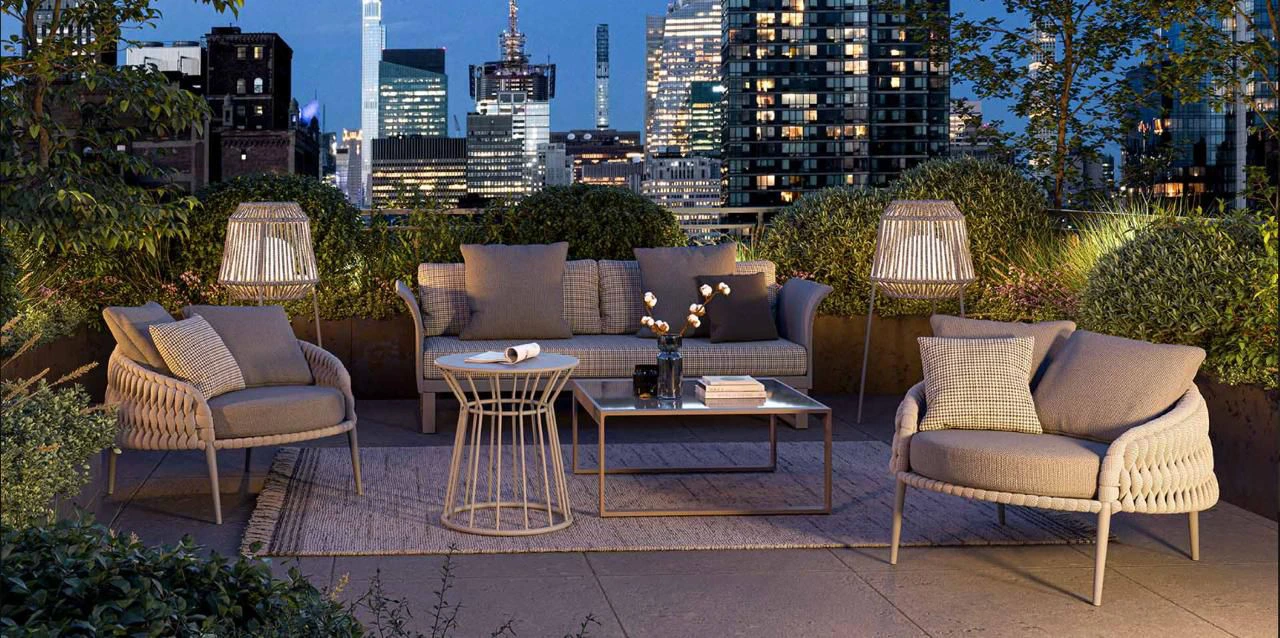
While global influences continue to shape design, Mediterranean terraces maintain a strong sense of place. Designers reinterpret traditional elements—such as terracotta, stone walls, and pergolas—through a contemporary lens.
This balance between heritage and innovation defines the future of the region’s outdoor spaces. It ensures that terraces remain authentic while adapting to modern expectations.
Conclusion
The next generation of Mediterranean terrace design reflects a shift toward integration, adaptability, and refined materiality. These Outdoor Living Trends are not isolated concepts—they work together to create outdoor environments that feel intentional, immersive, and highly functional.
For outdoor designers, architects, and luxury furniture brands, the Mediterranean remains a vital source of inspiration. Its terraces continue to evolve, setting new standards for how outdoor spaces can enhance both architecture and lifestyle in the years ahead.