

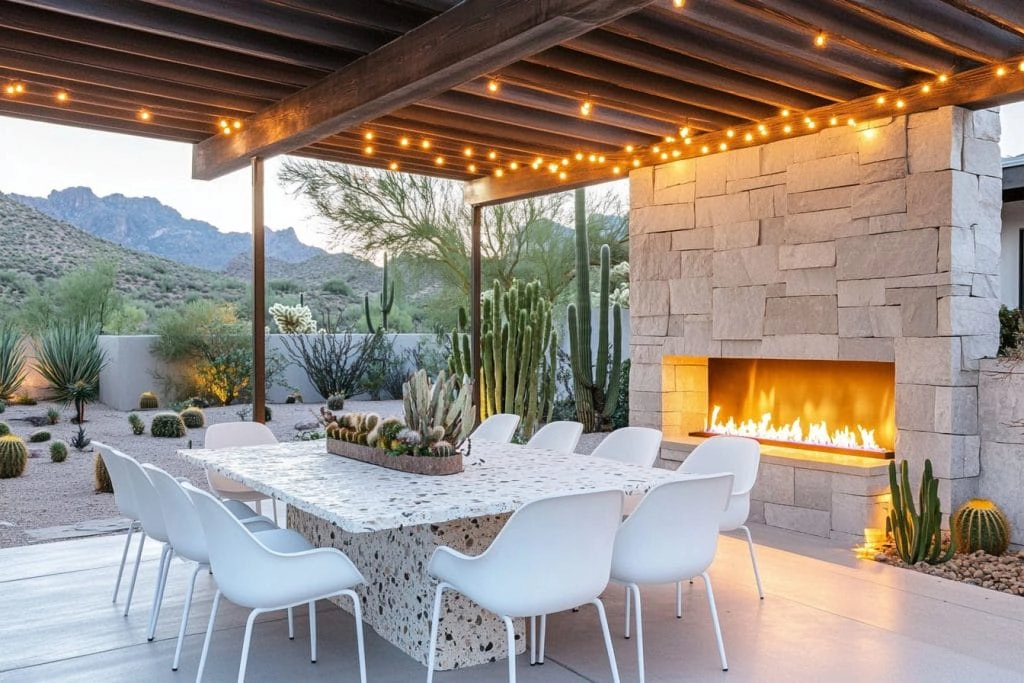
Across global design and hospitality, alfresco dining has evolved into a defining element of luxury outdoor culture. No longer limited to casual outdoor meals, it now represents a curated experience where architecture, landscape, and lifestyle converge. For outdoor designers, architects, and luxury design studios, alfresco dining offers a powerful opportunity to shape environments that are both functional and emotionally engaging.
Driven by a growing desire for open-air living, these spaces are designed to enhance connection-to nature, to light, and to social interaction. As a result, alfresco dining has become central to high-end residential projects and hospitality environments, transforming terraces, gardens, and rooftops into immersive destinations.
The Evolution of Alfresco Dining in Luxury Design
Historically, alfresco dining was associated with informal gatherings in mild climates. However, contemporary design has elevated it into a sophisticated architectural feature. Today’s projects integrate dining areas seamlessly into the overall spatial composition, ensuring continuity between indoor and outdoor living.
This evolution reflects broader lifestyle shifts. Clients increasingly prioritize wellness, flexibility, and experiential living. Consequently, outdoor dining spaces are no longer secondary-they are essential components of luxury environments.
For designers, this shift requires a more holistic approach. Alfresco dining must be considered from the earliest stages of design, influencing layout, material selection, and spatial flow.
Spatial Planning for Seamless Dining Experiences
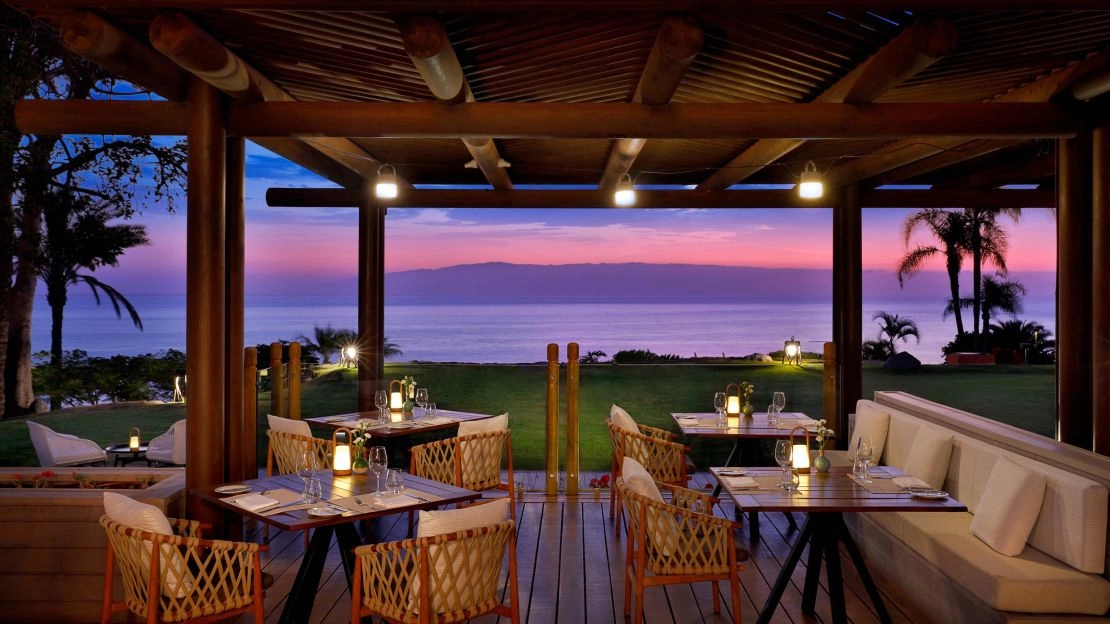
Successful alfresco dining environments rely on thoughtful spatial organization. These areas must balance openness with intimacy, ensuring comfort without compromising views or circulation.
Key planning strategies include:
- Positioning dining zones adjacent to indoor kitchens for functionality
- Orienting tables to capture views and natural light
- Creating defined zones through subtle level changes or material transitions
- Integrating pathways that maintain fluid movement around the space
- Using architectural elements to frame and anchor the dining area
These principles allow designers to create spaces that feel intentional and cohesive within the broader landscape.
Material Selection and Sensory Appeal
Materiality plays a critical role in shaping the experience of alfresco dining. Surfaces must be durable enough to withstand outdoor conditions while maintaining a refined aesthetic.
Natural materials such as stone, wood, and ceramic are commonly used, offering both texture and authenticity. These materials age gracefully, contributing to the overall character of the space. Additionally, tactile qualities enhance the sensory experience, making dining environments feel more immersive.
For luxury projects, the goal is to balance performance with elegance. Materials should not only endure environmental exposure but also elevate the visual and tactile quality of the space.
Climate Responsiveness and Comfort
Comfort is essential in alfresco dining, particularly in regions with intense sunlight or variable weather conditions. Climate-responsive design ensures that outdoor dining spaces remain usable throughout the year.
Common strategies include:
- Pergolas and shading systems to control sunlight
- Outdoor heating elements for cooler evenings
- Natural ventilation through strategic orientation
- Use of vegetation to provide shade and cooling
- Integration of retractable elements for flexibility
By addressing climate conditions proactively, designers can create environments that support extended use and enhance the overall dining experience.
Furniture as a Design Anchor
Furniture plays a central role in defining alfresco dining spaces. Beyond functionality, it establishes the visual identity and comfort level of the environment.
Design considerations typically include:
- Selecting tables that complement architectural proportions
- Using high-quality materials such as teak, metal, or stone
- Incorporating ergonomic seating for extended use
- Maintaining a cohesive color palette with surrounding elements
- Choosing durable finishes that withstand outdoor exposure
When thoughtfully integrated, furniture anchors the space and reinforces the overall design language.
Lighting and Evening Ambiance
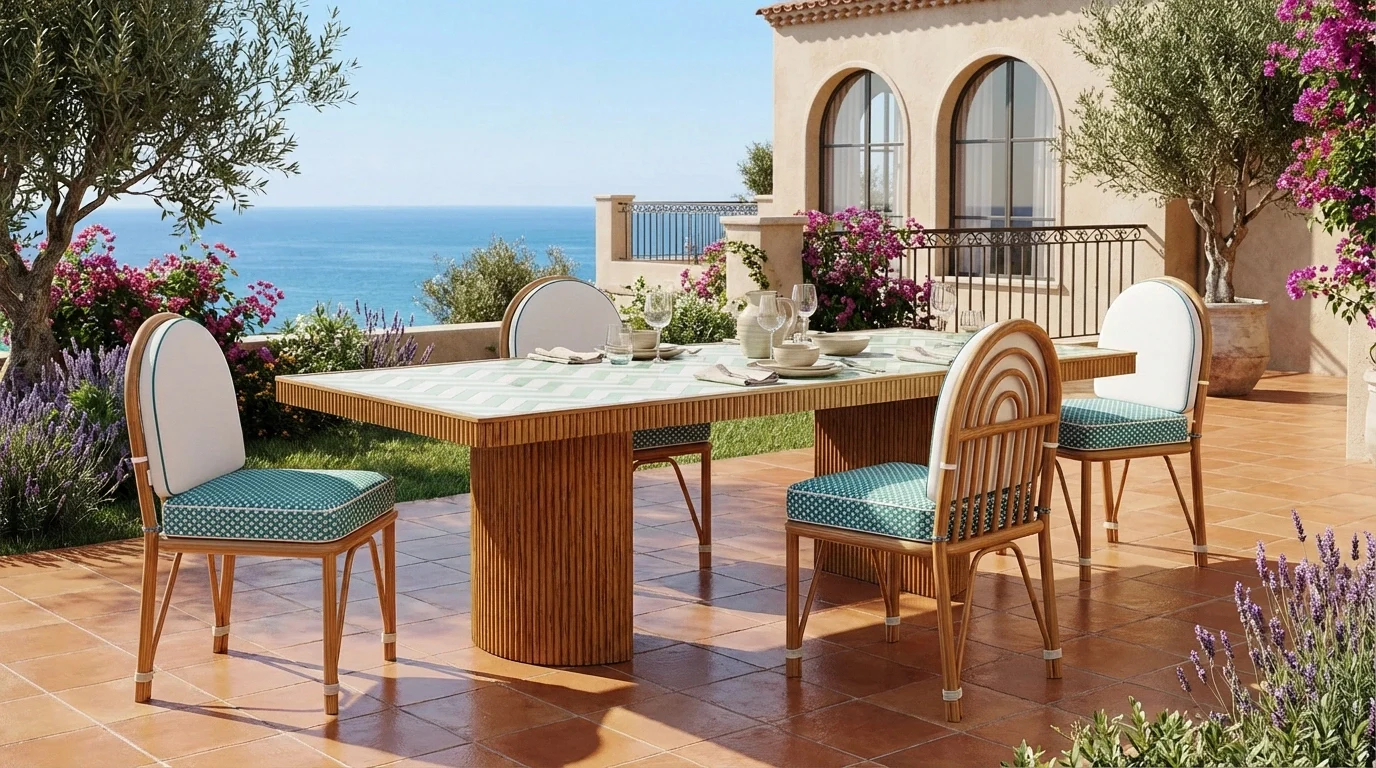
Lighting transforms alfresco dining environments, extending their usability into the evening while enhancing atmosphere. In luxury settings, lighting is carefully layered to create depth and intimacy.
Design approaches often include:
- Ambient lighting for overall illumination
- Task lighting focused on dining surfaces
- Accent lighting to highlight architectural and landscape features
- Warm color temperatures for a welcoming atmosphere
- Subtle integration to avoid visual clutter
These elements work together to create an inviting environment that evolves seamlessly from day to night.
Landscape Integration and Natural Connection
A defining feature of alfresco dining in luxury outdoor culture is its integration with the surrounding landscape. Dining areas are often positioned to engage with gardens, water features, or panoramic views.
Planting plays a key role in shaping the experience. Trees, shrubs, and flowering plants provide shade, privacy, and sensory richness. At the same time, they soften architectural lines and enhance the overall composition.
This integration reinforces the connection between people and nature, making dining experiences more immersive and memorable.
Hospitality Influence on Residential Design
Luxury hospitality projects have significantly influenced the evolution of alfresco dining in residential settings. High-end hotels and resorts have long recognized the value of outdoor dining as a key experiential component.
Design strategies from hospitality environments-such as layered seating, integrated lighting, and curated views-are increasingly applied to private residences. This cross-pollination elevates residential outdoor spaces, bringing a resort-like quality to everyday living.
For designers, this trend highlights the importance of experience-driven design in shaping modern luxury environments.
Flexibility and Multi-Functional Spaces
Modern alfresco dining areas are designed to accommodate a variety of uses beyond formal meals. Flexibility is essential in meeting the diverse needs of clients and guests.
Typical design solutions include:
- Extendable tables for different group sizes
- Modular seating arrangements
- Integration of lounge areas adjacent to dining zones
- Multi-purpose surfaces for dining, working, or entertaining
- Adaptable shading and lighting systems
This versatility ensures that outdoor spaces remain relevant and functional throughout the day and across different occasions.
The Future of Alfresco Dining in Luxury Culture
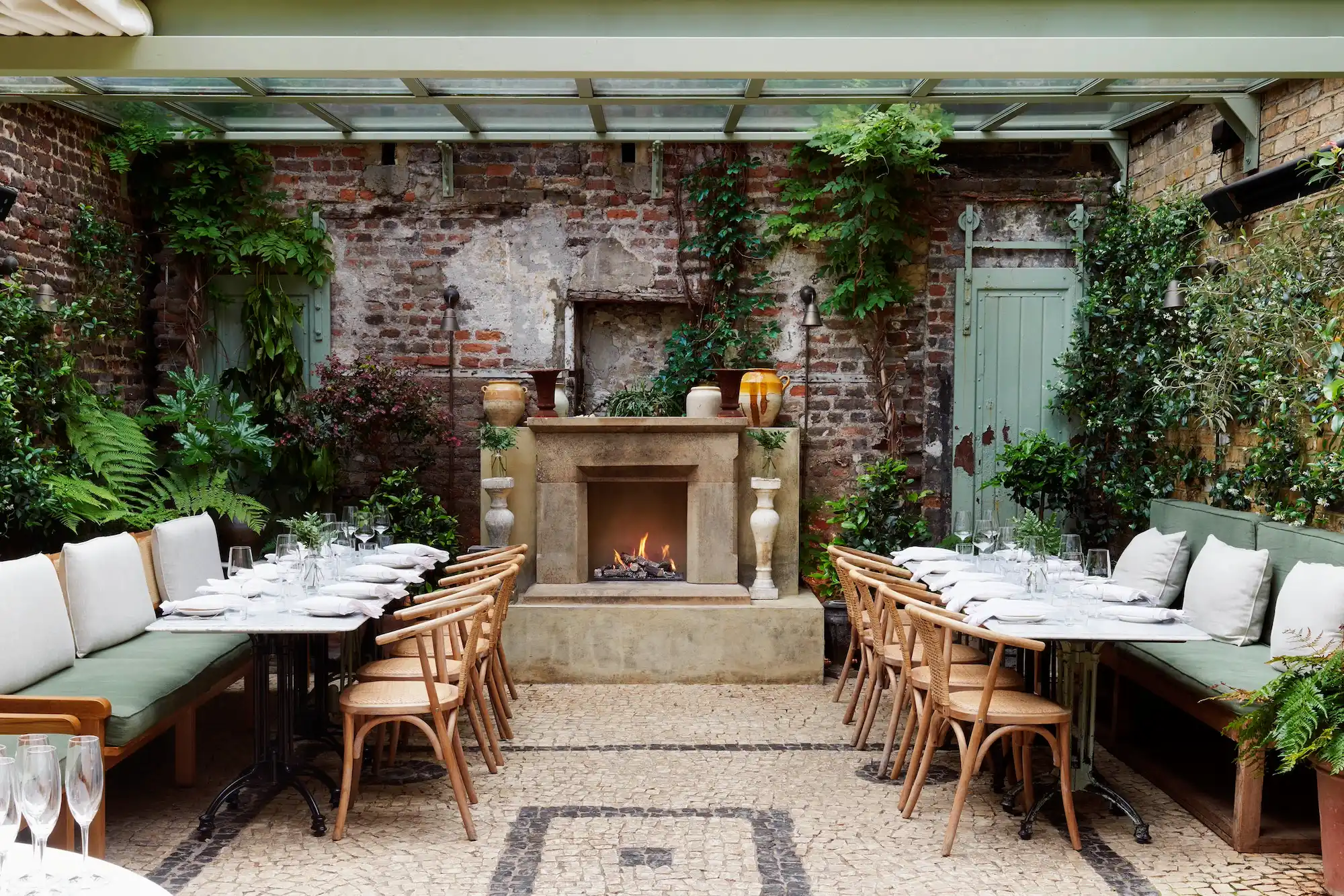
As outdoor living continues to evolve, alfresco dining will remain a central element of luxury design. Future developments are likely to focus on sustainability, advanced materials, and enhanced integration with technology.
At the same time, the core principles will remain unchanged. Successful alfresco dining environments will continue to prioritize comfort, connection, and sensory experience. Designers will refine these elements, creating spaces that feel both innovative and timeless.
For architects and outdoor designers, this presents an opportunity to push boundaries while maintaining a strong connection to the fundamentals of outdoor living.
Conclusion
The rise of alfresco dining reflects a broader transformation in luxury outdoor culture. What was once a simple concept has become a sophisticated design discipline, shaping how people interact with their environment.
For outdoor designers, architects, and luxury studios, alfresco dining offers a powerful framework for creating meaningful and engaging spaces. By combining thoughtful planning, material selection, and environmental responsiveness, these environments can elevate everyday experiences into something truly exceptional.