

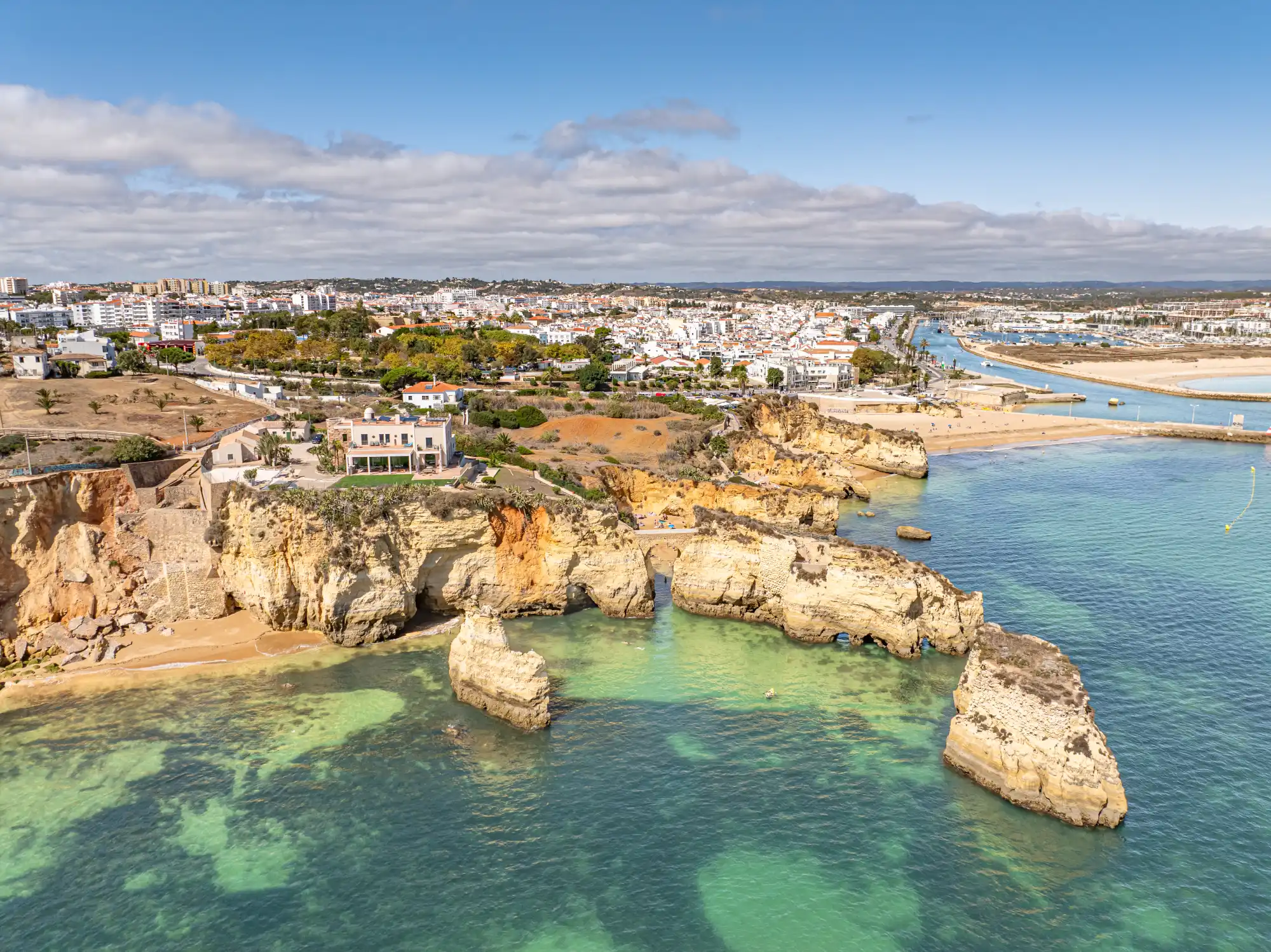
Set along the southern coastline of Algarve, Algarve luxury properties have quietly become a benchmark for sophisticated outdoor living. Known for dramatic cliffs, golden beaches, and a mild Mediterranean climate, the region offers an ideal setting for designing immersive exterior environments. For outdoor designers, architects, and luxury design studios, Algarve luxury properties provide a compelling model of how architecture, landscape, and lifestyle can seamlessly converge.
Unlike more saturated luxury destinations, the Algarve maintains a sense of understated exclusivity. Properties are defined not by excess, but by clarity, spatial openness, and a strong relationship with the natural environment. As a result, outdoor spaces become the focal point of design, shaping both daily living and the overall architectural identity.
The Evolution of Outdoor Living in the Algarve
Historically, Algarve architecture was rooted in practicality-thick whitewashed walls, small openings, and shaded courtyards designed to respond to intense sunlight. Today, Algarve luxury properties reinterpret these traditional elements through a contemporary lens.
Modern villas integrate expansive glazing, open-plan layouts, and fluid transitions between interior and exterior spaces. However, the emphasis on climate responsiveness remains. Outdoor terraces, pergolas, and courtyards continue to play a central role, ensuring comfort while maintaining a strong connection to the landscape.
This evolution reflects a broader shift in luxury design. Outdoor living is no longer an extension-it is the primary framework around which the home is organized.
Terraces and Panoramic Coastal Views
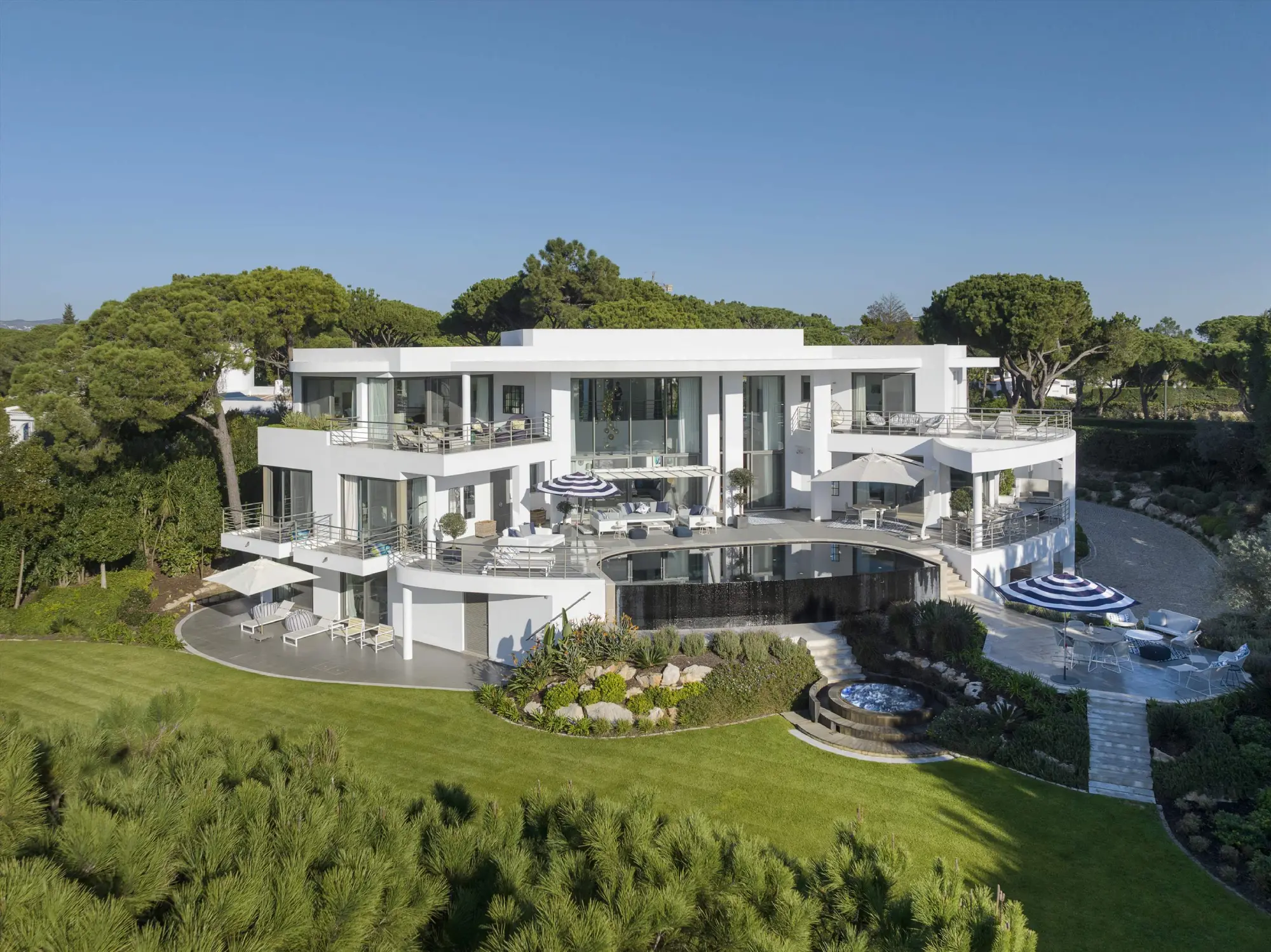
A defining feature of Algarve luxury properties is the strategic use of terraces. These elevated platforms are designed to capture uninterrupted views of the Atlantic Ocean while maximizing exposure to natural light.
Typical terrace configurations include:
- Infinity-edge pool decks aligned with the horizon
- Multi-level terraces that follow the natural topography
- Outdoor dining areas positioned for sunset views
- Lounge zones with integrated shading systems
- Rooftop terraces offering 360-degree panoramas
These layered outdoor spaces create a dynamic experience, allowing residents to engage with the environment throughout the day while maintaining privacy and comfort.
Materiality and Coastal Durability
Material selection in Algarve luxury properties reflects both aesthetic intention and environmental performance. The coastal climate-characterized by salt air, strong sunlight, and seasonal winds-demands materials that are both durable and visually refined.
Natural stone, limestone, and ceramic tiles are widely used for flooring and architectural surfaces. These materials provide thermal stability while contributing to a cohesive regional identity. Wood and metal elements are often treated or selected for resistance to weathering, ensuring longevity without compromising design quality.
For designers, this approach reinforces the importance of balancing beauty with resilience in outdoor environments.
Climate-Responsive Design Strategies
The Algarve’s climate offers significant advantages for outdoor living, but it also requires careful planning. Successful Algarve luxury properties incorporate design strategies that enhance comfort while maintaining openness.
Key approaches include:
- Pergolas and overhangs that provide consistent shade
- Orientation of outdoor spaces to capture cooling breezes
- Use of light-colored materials to reflect heat
- Integration of vegetation for natural cooling
- Flexible shading systems that adapt to seasonal changes
These strategies ensure that outdoor areas remain functional year-round, supporting a lifestyle centered around open-air living.
Landscape Design and Native Planting
Landscape architecture plays a crucial role in defining Algarve luxury properties. Rather than relying on ornamental excess, planting schemes are often inspired by native ecosystems, creating environments that feel authentic and sustainable.
Olive trees, cork oaks, lavender, and drought-tolerant shrubs are commonly used. These plants require minimal irrigation while providing texture, color, and seasonal variation. Gravel pathways and stone retaining walls further reinforce the connection to the natural landscape.
This approach not only enhances visual cohesion but also supports long-term environmental performance, aligning with contemporary luxury design values.
Case Study: Quinta do Lago Private Villas
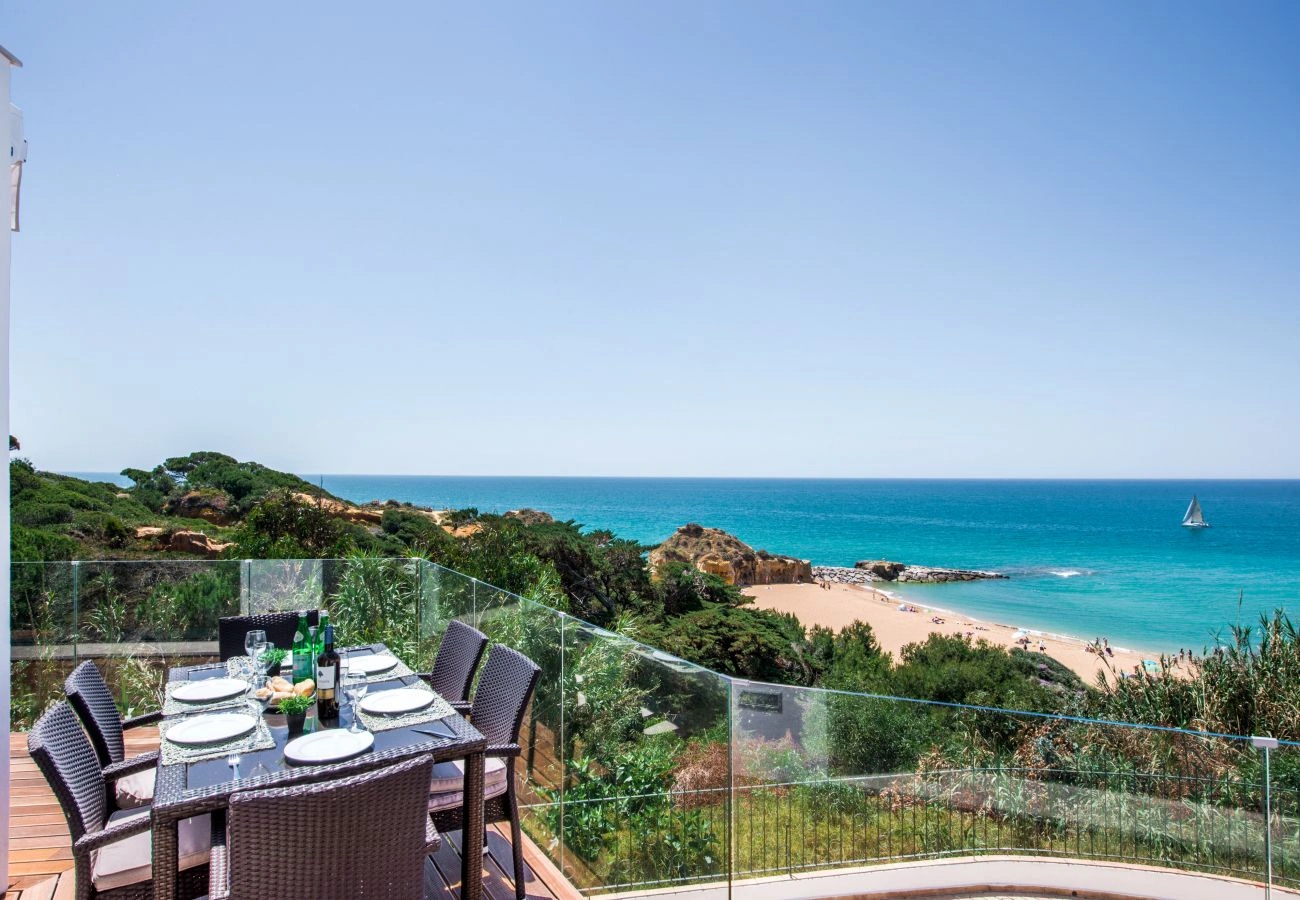
In Quinta do Lago, a collection of private villas exemplifies the principles of Algarve luxury properties. These residences are designed with expansive outdoor terraces that seamlessly connect to golf courses and coastal views.
Outdoor kitchens, shaded dining areas, and integrated pool environments create a lifestyle centered around alfresco living. Materials are carefully selected to reflect the surrounding landscape, while planting schemes enhance privacy and visual depth.
For designers, Quinta do Lago offers a clear example of how outdoor spaces can define both functionality and identity in luxury residential projects.
Case Study: Cliffside Villas in Lagos
In the coastal town of Lagos, cliffside villas demonstrate a more dramatic approach to outdoor design. Built directly into the terrain, these properties feature cantilevered terraces and infinity pools that extend toward the ocean.
Design strategies in these projects often include:
- Glass balustrades to preserve unobstructed views
- Minimalist material palettes that emphasize form
- Integrated lighting systems for nighttime ambiance
- Compact yet highly functional outdoor living zones
- Strong visual connections between interior and exterior spaces
These examples highlight how topography can be leveraged to create bold and immersive outdoor environments.
Outdoor Furniture and Lifestyle Integration
Furniture plays a key role in shaping the usability and aesthetic of Algarve luxury properties. Pieces are selected to complement architectural lines while withstanding coastal conditions.
Design considerations typically include:
- Low-profile seating to maintain visual continuity with the landscape
- Neutral color palettes that harmonize with natural materials
- Modular configurations for flexibility
- High-performance fabrics resistant to sun and moisture
- Integration with shading structures and spatial layouts
By aligning furniture with the overall design language, outdoor spaces achieve a cohesive and elevated character.
The Appeal of Algarve as a Design Destination
The growing interest in Algarve luxury properties is driven by a combination of factors. The region offers a unique blend of natural beauty, favorable climate, and relatively low density compared to other Mediterranean destinations.
For architects and designers, this presents an opportunity to create projects that feel both exclusive and contextually grounded. The Algarve’s diverse landscapes-from cliffs to inland valleys-provide a rich canvas for experimentation and innovation.
Moreover, the emphasis on outdoor living aligns with broader global trends, making the region increasingly relevant in the luxury design market.
The Future of Algarve Luxury Properties
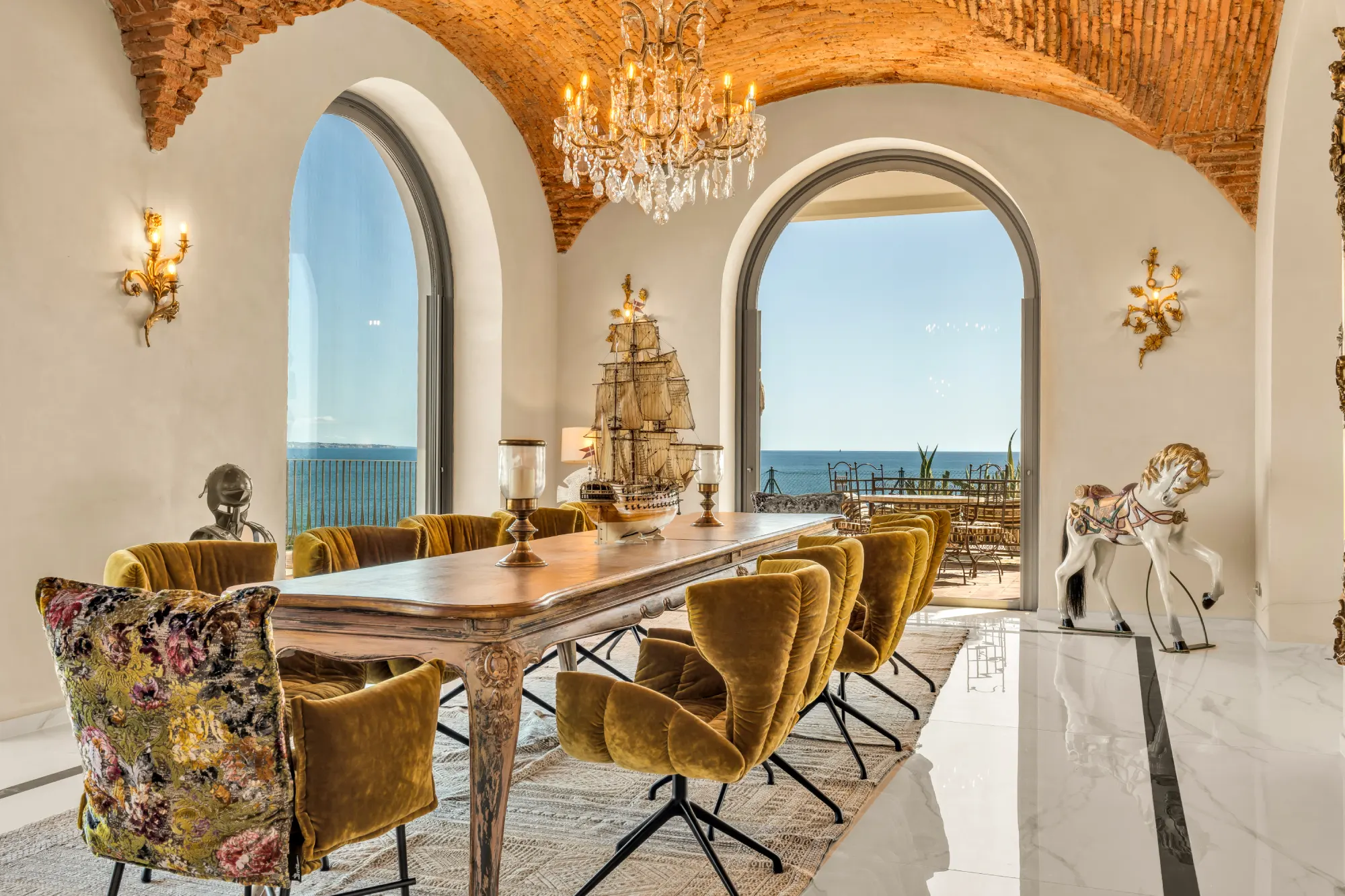
As demand for high-end outdoor living continues to grow, Algarve luxury properties are poised to play an increasingly important role in shaping the future of residential design. Emerging trends include greater integration of sustainability, advanced materials, and smart outdoor technologies.
However, the core principles will remain consistent. Successful projects will continue to prioritize connection to the landscape, climate responsiveness, and spatial clarity. These elements define the enduring appeal of the Algarve and ensure its relevance in the evolving luxury market.
Conclusion
Algarve luxury properties represent a refined approach to outdoor living, where architecture, landscape, and lifestyle are seamlessly integrated. Through thoughtful design, these homes transform terraces, gardens, and outdoor spaces into immersive environments that define everyday experience.
For outdoor designers, architects, and luxury studios, the Algarve offers both inspiration and practical insight. It demonstrates how context, climate, and materiality can come together to create spaces that are not only beautiful but also deeply connected to their surroundings.