

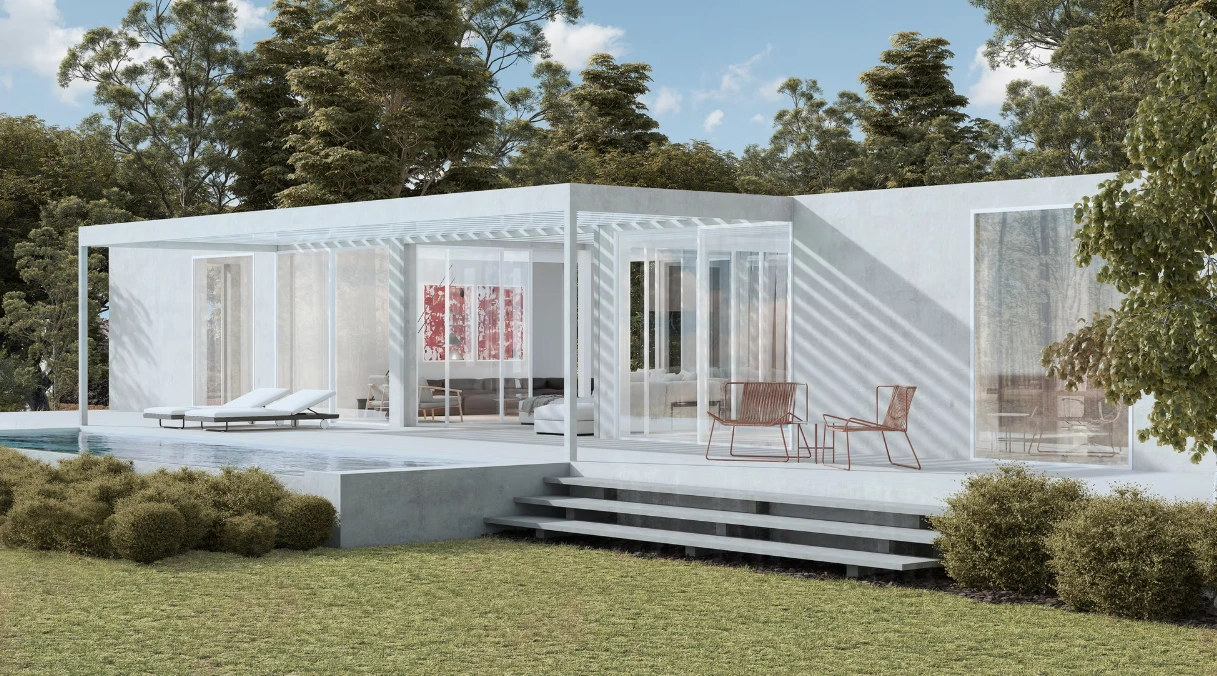
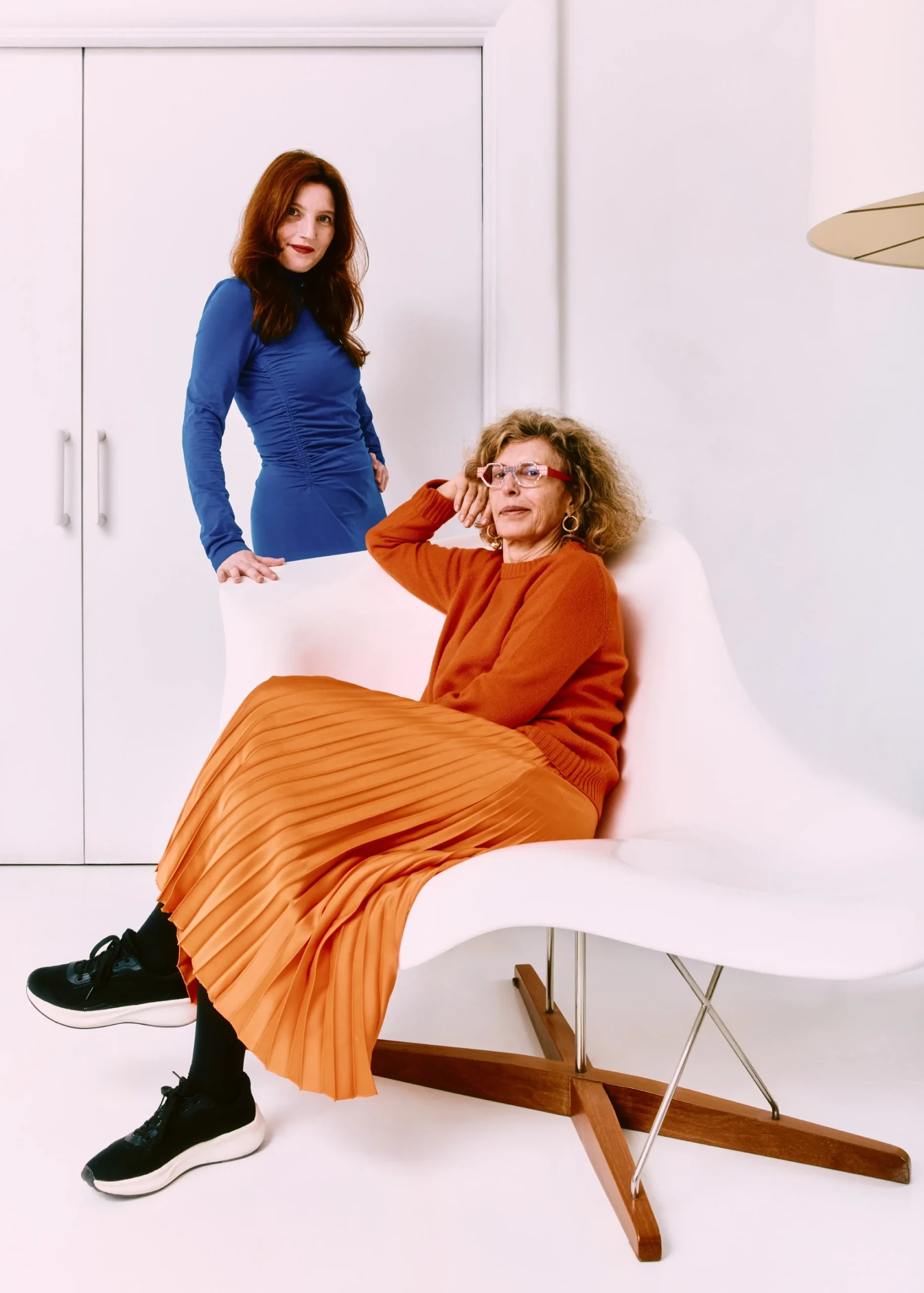
In contemporary architecture and design, Teresa Sapey has established a distinctive voice-one that redefines how outdoor environments are perceived and experienced. Known for her expressive use of color, texture, and narrative, Teresa Sapey brings a unique sensibility to coastal outdoor design, where emotion becomes as important as form.
For outdoor designers, architects, and luxury design studios, her work offers a compelling departure from traditional minimalism. Instead of restraint alone, Teresa Sapey explores vibrancy, storytelling, and sensory engagement. As a result, coastal outdoor spaces become immersive environments that connect people not only to the landscape, but also to feeling and memory.
A Design Philosophy Rooted in Emotion
At the core of Teresa Sapey’s work is a clear philosophy: design should evoke emotion. Her studio, Teresa Sapey + Partners, operates under the guiding principle of “designing spaces with feelings,” emphasizing experiential quality over purely visual composition.
Each project is conceived as a bespoke response to its context. Rather than applying a fixed style, the studio approaches design as a tailored process-combining colors, patterns, materials, and light like a crafted garment.
This philosophy translates seamlessly into coastal outdoor environments, where changing light, sea views, and atmospheric conditions naturally enhance emotional engagement. For designers, it highlights the importance of creating spaces that resonate beyond aesthetics.
Color as a Defining Element in Outdoor Spaces
One of the most recognizable aspects of Teresa Sapey’s work is her bold and intentional use of color. Unlike many coastal designs that rely on neutral palettes, she embraces vibrant tones to create identity and energy.
Key strategies include:
- Using saturated colors to define spatial zones
- Applying geometric patterns to animate surfaces
- Contrasting tones to enhance depth and movement
- Integrating color into furniture, textiles, and architectural elements
- Allowing color to respond to light and environmental conditions
This approach transforms outdoor spaces into dynamic compositions, where color becomes an active participant in the design rather than a secondary layer.
Coastal Projects as Open-Air Living Rooms
Teresa Sapey’s outdoor work often reimagines coastal environments as extensions of interior living. A notable example is her transformation of the terrace at Gran Caffè Quadri during the 2025 Venice Architecture Biennale.
In this project, the terrace was conceived as an “open-air living room,” using custom furniture, textiles, and parasols to create a refined yet accessible environment. The design blends historical context with contemporary expression, demonstrating how outdoor spaces can become social and cultural hubs.
This concept is particularly relevant for luxury coastal design. It reinforces the idea that terraces and waterfront spaces should be treated as fully integrated living areas rather than transitional zones.
Layering Textures and Materials
Beyond color, Teresa Sapey’s designs are characterized by a rich layering of textures and materials. Her studio carefully combines surfaces to create depth and tactile interest.
Typical material strategies include:
- Pairing smooth finishes with patterned surfaces
- Using textiles to soften architectural elements
- Integrating custom-designed furniture pieces
- Combining traditional materials with contemporary treatments
- Emphasizing detail at every scale, from large surfaces to small elements
This layered approach ensures that outdoor spaces remain engaging and visually complex, even within relatively simple spatial frameworks.
Tailor-Made Design for Unique Contexts
A defining principle of Teresa Sapey’s work is the rejection of standardization. Every project is developed as a unique response to its location, client, and cultural context.
The studio’s international portfolio spans residential, hospitality, and urban projects across Europe and beyond, each reflecting its specific environment. This adaptability is particularly important in coastal design, where geography and climate vary significantly.
For architects and designers, this approach underscores the value of site-specific thinking. Luxury outdoor environments must feel intrinsic to their setting, not imposed upon it.
The Role of Light in Coastal Design
Light is a central element in Teresa Sapey’s outdoor projects. Coastal environments, with their shifting daylight and reflections, provide an ideal canvas for exploring its effects.
Design techniques often include:
- Using reflective surfaces to amplify natural light
- Creating contrast between illuminated and shaded areas
- Enhancing color through strategic exposure to sunlight
- Incorporating lighting design to extend usability into the evening
- Allowing natural light to guide spatial composition
By treating light as a material, Sapey’s designs achieve a dynamic quality that evolves throughout the day, enriching the user experience.
Furniture and Custom Elements in Outdoor Spaces
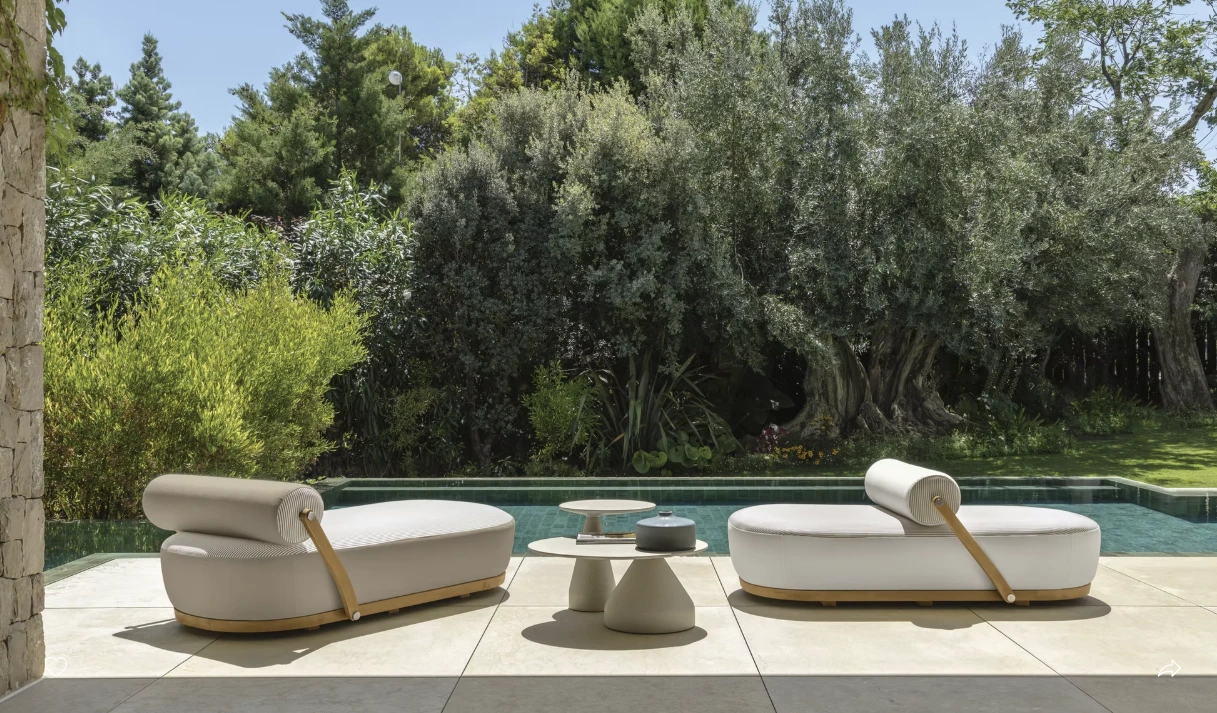
Furniture plays a crucial role in Teresa Sapey’s coastal outdoor designs. Rather than selecting standard pieces, the studio often develops custom elements that align with the overall concept.
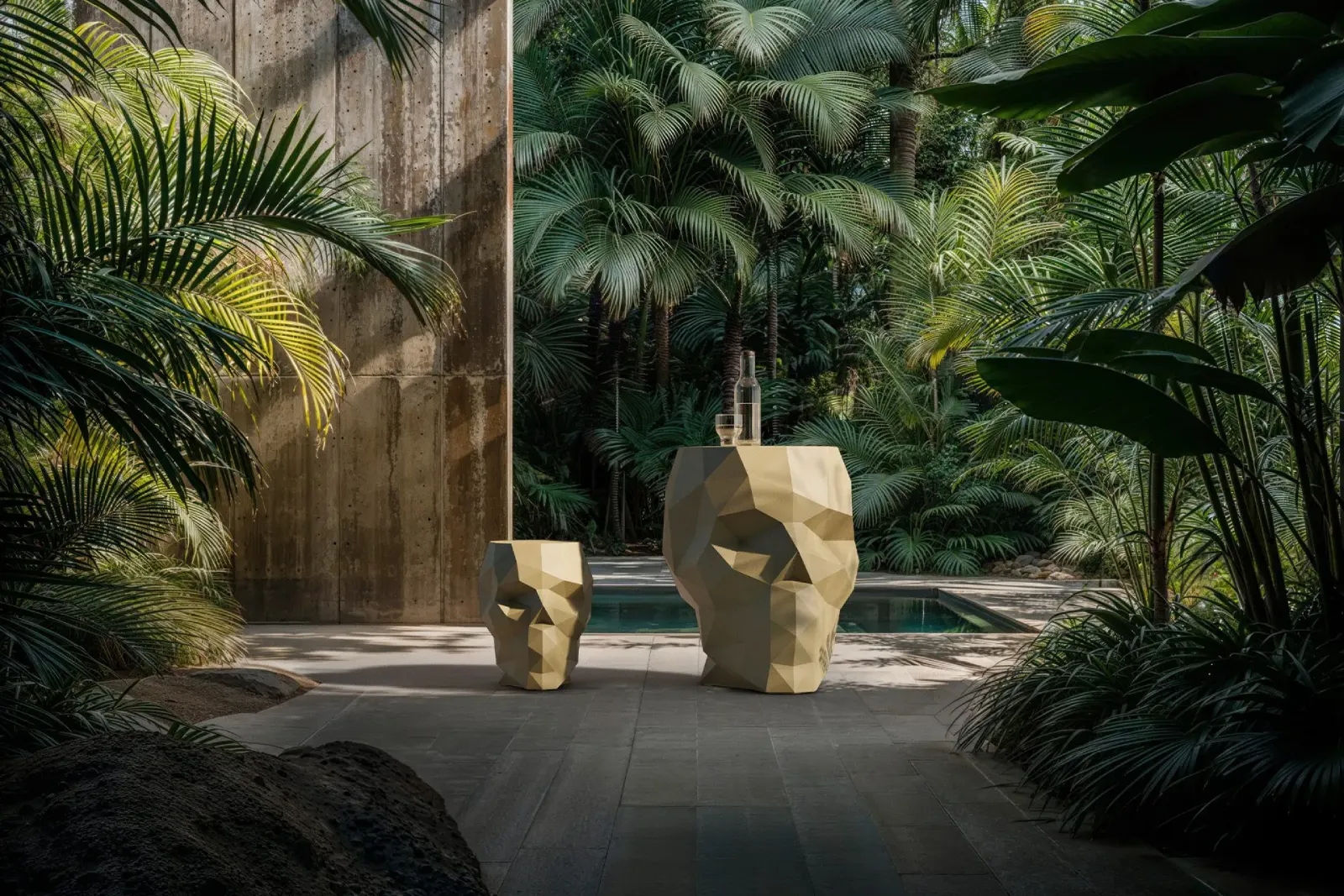
These pieces are not merely functional-they contribute to the narrative of the space. Sculptural forms, bold colors, and distinctive textures reinforce the design language while enhancing usability.
For luxury outdoor environments, this level of customization is essential. It ensures that every element, from seating to shading structures, contributes to a cohesive and memorable experience.
Blending Cultural Identity with Contemporary Design
Teresa Sapey’s projects frequently draw inspiration from cultural and historical references, reinterpreting them through a contemporary lens. This approach is particularly evident in coastal settings, where local identity plays a significant role.
In Venice, for example, her Biennale project referenced historic trade routes and coffee culture, integrating these themes into the design through color, textiles, and spatial composition.
This layering of meaning adds depth to outdoor spaces, transforming them into environments that tell a story while remaining relevant to modern lifestyles.
The Influence on Luxury Outdoor Design
The work of Teresa Sapey has had a notable impact on the evolution of luxury outdoor design. By prioritizing emotion, color, and narrative, she challenges conventional notions of minimalism and neutrality.
Her approach encourages designers to explore new possibilities:
- Embracing bold and expressive design elements
- Prioritizing user experience and emotional connection
- Integrating art and storytelling into outdoor spaces
- Experimenting with materials and textures
- Redefining the role of color in luxury environments
These principles are increasingly relevant as clients seek more personalized and immersive outdoor experiences.
The Future of Expressive Coastal Design
As outdoor living continues to gain importance, the influence of designers like Teresa Sapey will likely grow. Her work points toward a future where coastal outdoor spaces are not only functional and beautiful, but also emotionally resonant and culturally meaningful.
Advances in materials, fabrication, and sustainability will further expand the possibilities for expressive design. However, the core idea remains consistent: creating spaces that connect people to their surroundings in a meaningful way.
For outdoor designers and architects, this represents an opportunity to move beyond convention and embrace a more holistic, experience-driven approach.
Conclusion
Teresa Sapey’s coastal outdoor designs redefine what luxury environments can be. Through the use of color, texture, and narrative, she transforms terraces and open-air spaces into immersive, emotionally engaging settings.
For professionals in outdoor design and architecture, her work offers both inspiration and a challenge-to think beyond aesthetics and create spaces that truly resonate. As coastal living continues to evolve, the principles embodied in Teresa Sapey’s projects will remain a powerful reference for the future of luxury outdoor design.