

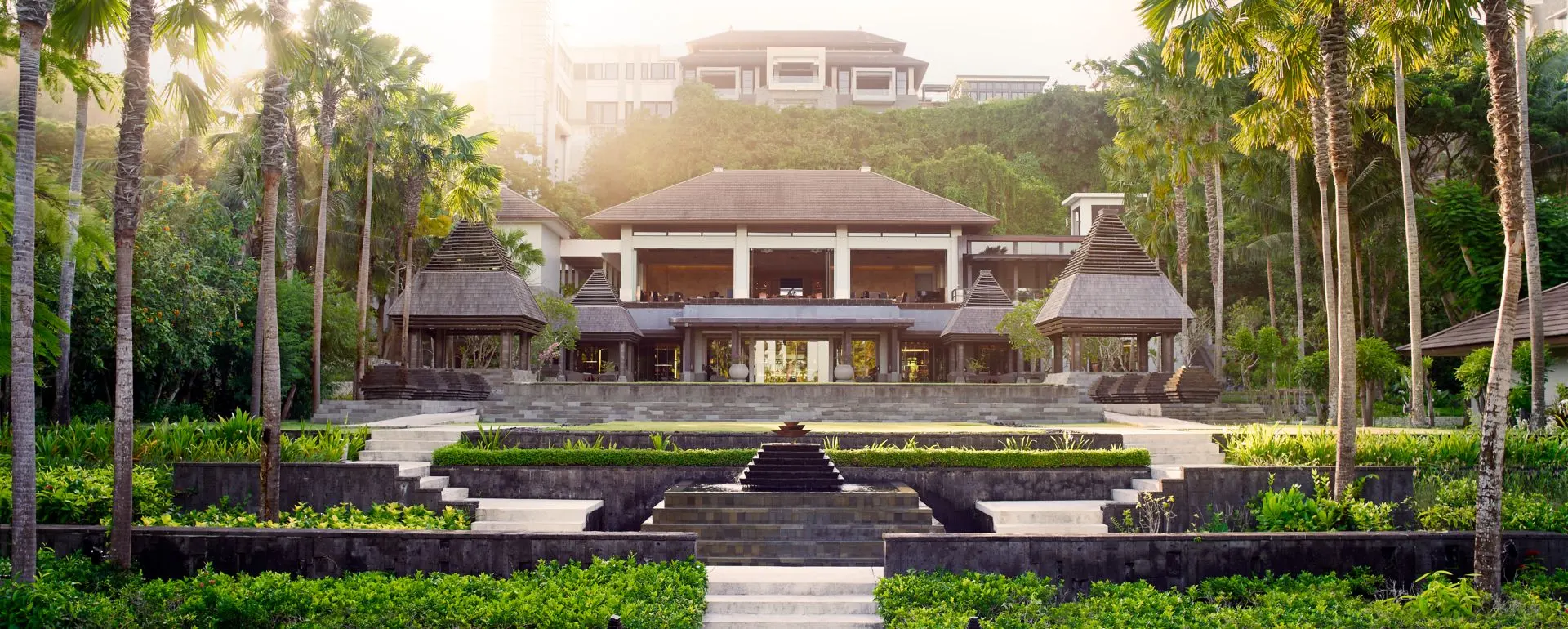
In today’s high-end hospitality landscape, the best luxury coastal stays are defined not just by interiors, but by how they frame the horizon. For outdoor designers, architects, and luxury design studios, these properties offer a powerful blueprint for integrating architecture with expansive sea views, climate-responsive design, and immersive outdoor environments.
Rather than isolating the guest from nature, these destinations embrace openness. Terraces, infinity pools, and layered landscapes become central to the experience, shaping how users interact with light, wind, and water. As a result, the best luxury coastal stays demonstrate how outdoor design can elevate hospitality into a spatial and sensory journey.
The Evolution of Coastal Hospitality Design
Coastal hotels have evolved from simple beachfront retreats into complex architectural compositions. Historically, proximity to the sea was the primary attraction. However, contemporary design places equal importance on how that proximity is experienced.
Today’s projects prioritize visual continuity. Large openings, terraced layouts, and carefully framed perspectives ensure uninterrupted views of the horizon. Outdoor spaces are no longer secondary-they define the identity of the property.
For designers, this shift highlights a critical principle: successful coastal design is not about location alone, but about orchestrating spatial experiences that connect guests to the surrounding environment.
Amankila
Terraced Architecture and Vertical Landscapes
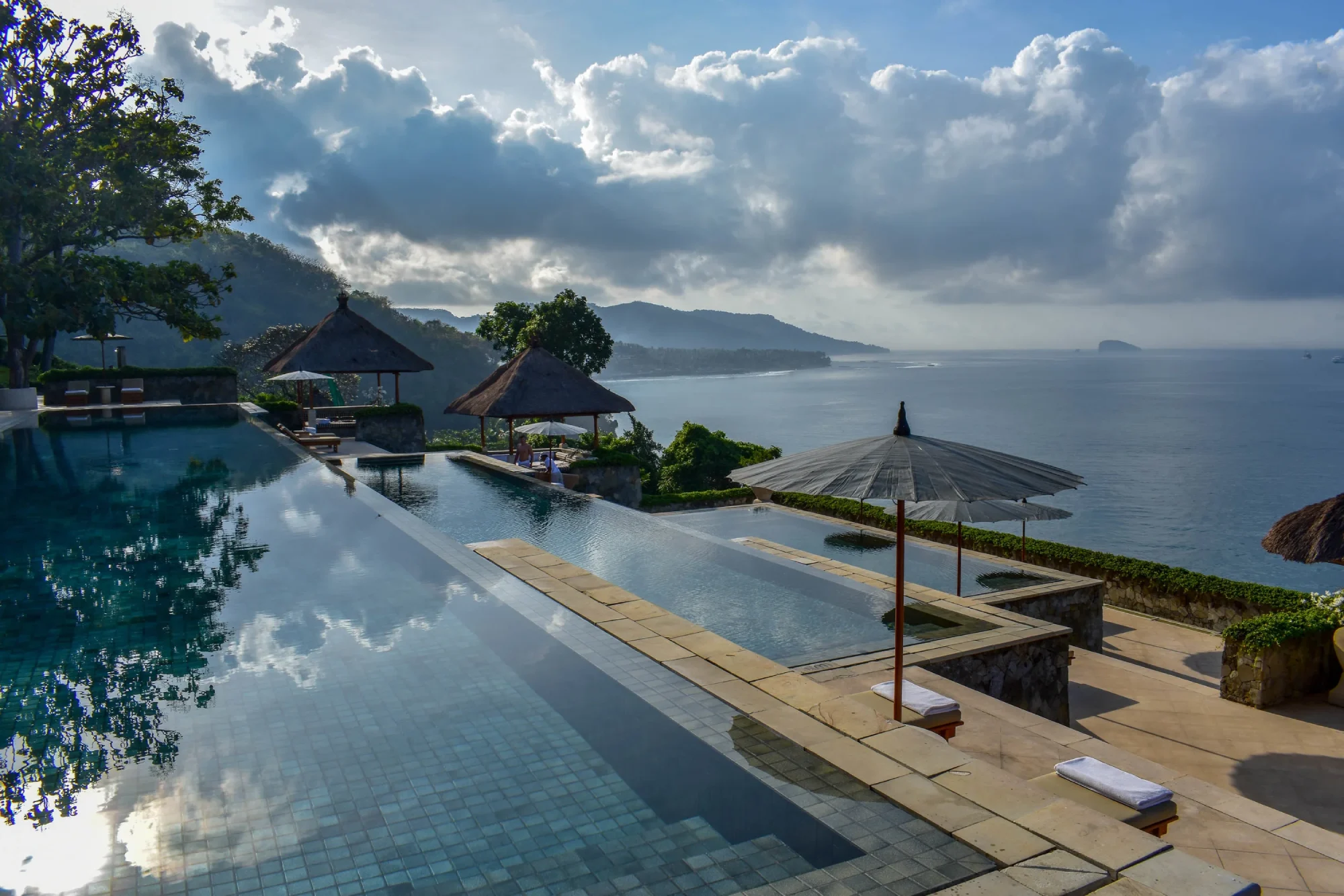
Perched on a hillside overlooking the sea, Amankila is a masterclass in terraced design. The resort cascades down toward the coastline, creating a sequence of platforms that guide the guest experience.
Key design strategies include:
- Multi-level infinity pools aligned with the horizon
- Elevated walkways that frame panoramic views
- Minimalist pavilions that emphasize openness
- Integration of local materials and craft traditions
- Layered vegetation that softens architectural edges
This composition creates a fluid transition between architecture and landscape, reinforcing the sense of immersion in the coastal environment.
The Ritz-Carlton Bali
Cliffside Luxury and Cultural Integration
Set atop dramatic cliffs, The Ritz-Carlton Bali combines expansive views with culturally informed design. The property integrates traditional Balinese elements with contemporary spatial planning.
Outdoor environments play a central role:
- Private villas with ocean-facing infinity pools
- Direct access to the beach below the cliffs
- Open-air dining terraces oriented toward sunset views
- Landscaped pathways that connect different levels
- Water features that enhance microclimate comfort
These features create a layered experience where architecture, culture, and landscape converge seamlessly.
Six Senses Kaplankaya
Wellness and Landscape Integration
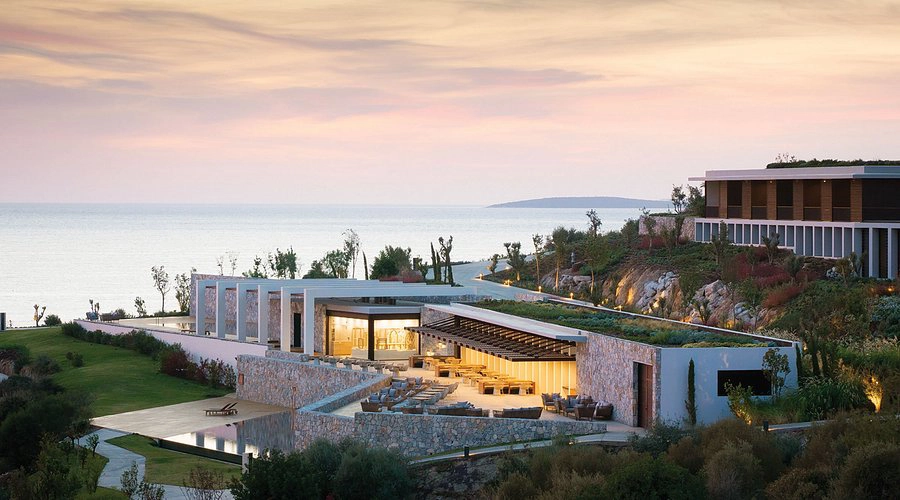
Located along the Aegean coast, Six Senses Kaplankaya exemplifies how wellness and landscape design intersect in luxury hospitality. The resort emphasizes ecological sensitivity while maintaining a high level of refinement.
Notable design elements include:
- Private beaches integrated into natural terrain
- Terraced structures that follow the coastline
- Outdoor wellness spaces immersed in nature
- Minimalist architecture that blends with the landscape
- Emphasis on sustainability and material authenticity
This approach demonstrates how coastal environments can support both relaxation and environmental responsibility.
Amanzoe
Elevated Minimalism Above the Sea
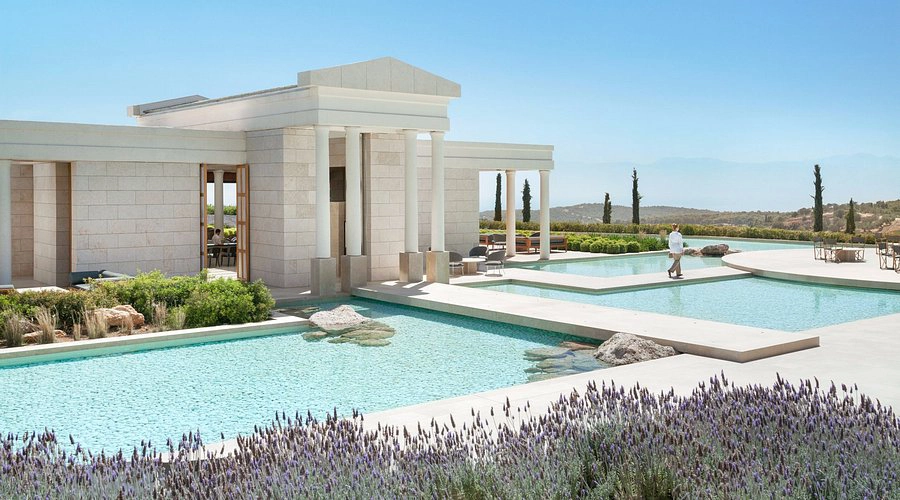
Amanzoe redefines coastal luxury through restraint and spatial clarity. Positioned on a hilltop overlooking the Aegean Sea, the resort uses minimalism to amplify its surroundings.
Design strategies focus on:
- Private pavilions with expansive terraces
- Axial layouts that frame long-distance views
- Neutral material palettes that reflect light
- Integration of water features to enhance calmness
- Strong emphasis on privacy and exclusivity
The result is an environment where architecture recedes, allowing the horizon to become the dominant visual element.
EPIC SANA Algarve Hotel
Coastal Modernism and Environmental Harmony
Situated above the cliffs of southern Portugal, EPIC SANA Algarve Hotel offers a contemporary interpretation of coastal design. The architecture emphasizes clean lines and transparency, creating a strong connection to the surrounding landscape.
Key features include:
- Ocean-facing terraces and balconies
- Integration of natural materials inspired by the region
- Multiple outdoor pools positioned within landscaped zones
- Seamless indoor-outdoor transitions
- A focus on wellness and relaxation
This project illustrates how modern design can enhance, rather than compete with, the natural environment.
Design Principles Behind the Best Luxury Coastal Stays
Across these five examples, several consistent design principles emerge. These strategies define the best luxury coastal stays and provide valuable insight for design professionals:
- Prioritizing uninterrupted views of the horizon
- Using terraces and levels to create spatial depth
- Integrating local materials and cultural references
- Designing for climate through shade, ventilation, and orientation
- Creating seamless transitions between interior and exterior spaces
These principles ensure that outdoor environments are not only visually compelling but also highly functional and comfortable.
Outdoor Furniture and Spatial Experience
Furniture plays a crucial role in shaping the usability of coastal spaces. In the best luxury coastal stays, furniture is carefully curated to complement architecture and preserve views.
Low-profile seating, modular arrangements, and durable materials such as teak and metal are commonly used. Textiles are selected for both comfort and resistance to sun and salt exposure.
Importantly, furniture is positioned to encourage interaction with the landscape. Seating arrangements often face outward, reinforcing the connection to the horizon and enhancing the overall guest experience.
The Role of Light and Atmosphere
Light is a defining element in coastal design. The interaction between sunlight, water, and materials creates dynamic environments that evolve throughout the day.
Morning light enhances clarity and openness, while sunset introduces warmth and depth. At night, carefully designed lighting systems extend usability while maintaining a sense of intimacy.
For designers, understanding how light interacts with materials and spatial layouts is essential in creating environments that feel both functional and atmospheric.
The Future of Coastal Luxury Design
As the demand for experiential travel grows, the best luxury coastal stays will continue to push the boundaries of design. Future projects are likely to emphasize sustainability, advanced materials, and deeper integration with natural systems.
However, the core objective will remain consistent: creating environments that celebrate the relationship between architecture and the horizon. This focus ensures that coastal design remains both timeless and innovative.
For outdoor designers and architects, these properties provide a valuable framework. They demonstrate how thoughtful design can transform coastal locations into immersive and unforgettable experiences.
Conclusion
The best luxury coastal stays highlighted in this article reveal a clear shift in hospitality design-one where outdoor environments define the experience. Through terraces, materiality, and spatial clarity, these properties create seamless connections between architecture and the sea.
For design professionals, they offer both inspiration and practical insight. As outdoor living continues to evolve, the ability to design for openness, light, and landscape will remain central to creating truly exceptional coastal environments.