

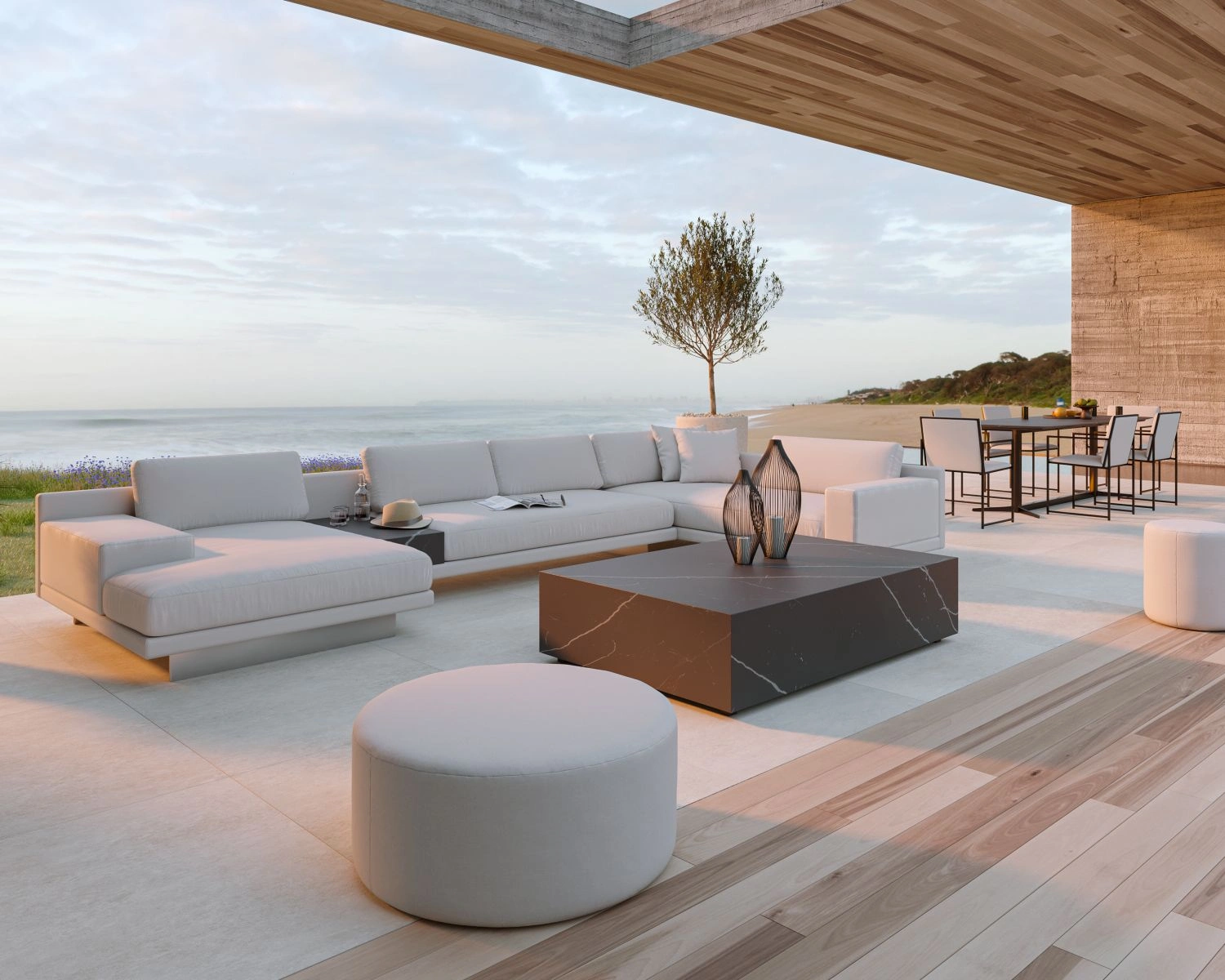
In contemporary minimalist outdoor furniture, design is defined not by what is added, but by what is intentionally left out. For outdoor designers, architects, and luxury design studios, this approach offers a refined framework for creating spaces that feel calm, structured, and enduring. Minimalism in outdoor environments goes beyond aesthetics-it reflects a deeper commitment to clarity, functionality, and material integrity.
As outdoor living becomes central to luxury residential and hospitality projects, minimalist outdoor furniture plays a critical role in shaping spatial experience. Clean lines, restrained palettes, and thoughtful proportions allow the surrounding architecture and landscape to take precedence, resulting in environments that feel both sophisticated and effortless.
The Philosophy Behind Minimalist Outdoor Furniture
Minimalist outdoor furniture is rooted in the principle of reduction. Every element is carefully considered, ensuring that form follows function without unnecessary embellishment. This philosophy aligns closely with contemporary architectural trends that emphasize openness and spatial clarity.
Rather than competing with the environment, minimalist pieces complement it. They provide structure while allowing natural elements-light, vegetation, and views-to define the atmosphere. This balance creates outdoor spaces that feel intentional and harmonious.
For designers, adopting this approach requires discipline. It involves selecting fewer pieces, refining proportions, and focusing on the quality of materials rather than quantity.
Key Characteristics of Timeless Minimalist Design
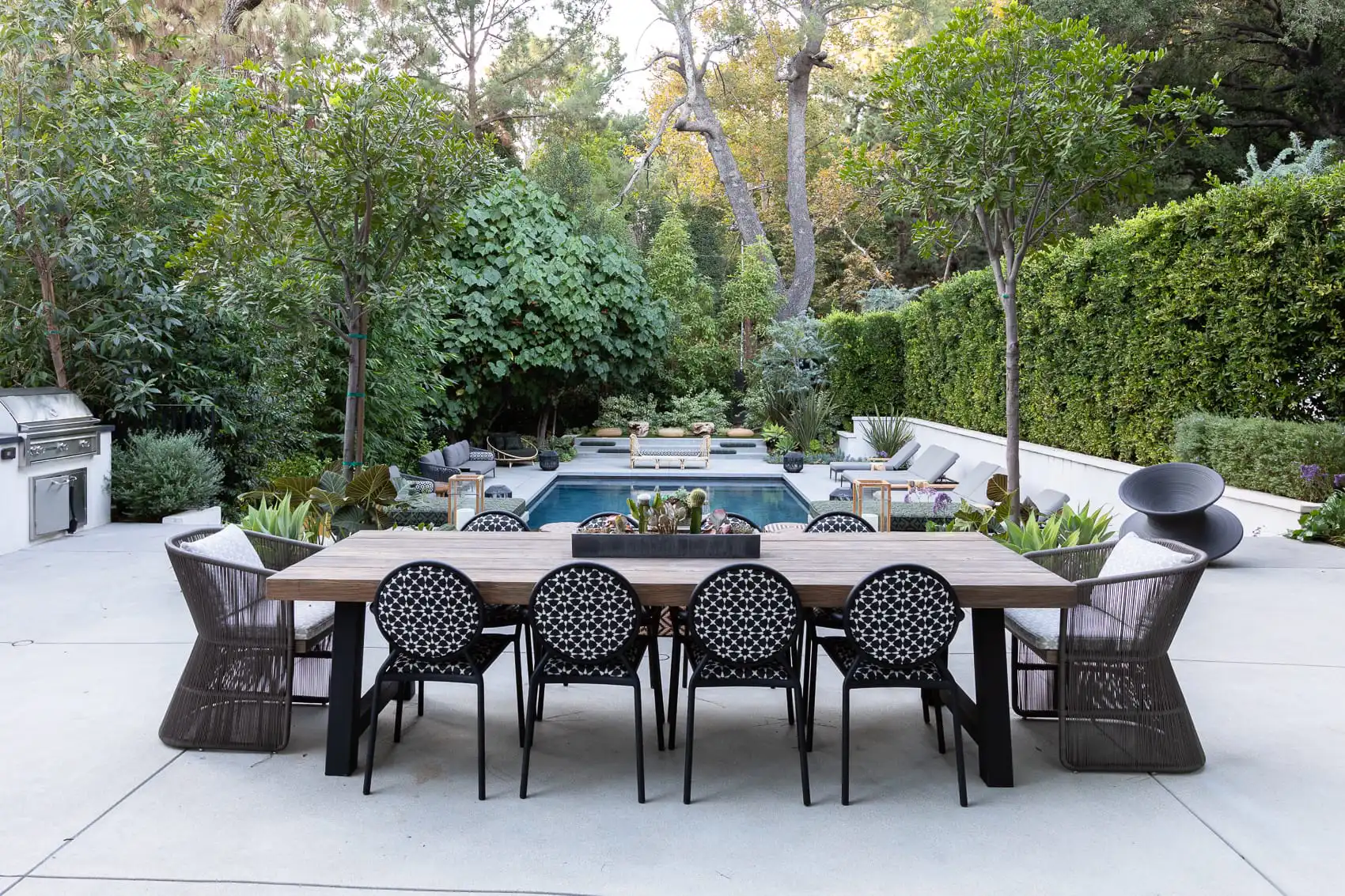
Minimalist outdoor furniture is defined by a set of core characteristics that ensure both visual coherence and long-term relevance.
Essential features include:
- Clean, geometric forms with precise lines
- Neutral color palettes that emphasize materiality
- Absence of decorative detailing or ornamentation
- Emphasis on proportion and balance
- High-quality craftsmanship and finishes
These attributes allow furniture to integrate seamlessly into a variety of architectural contexts, making it a versatile choice for luxury outdoor spaces.
Material Selection and Durability
Materiality is central to the success of minimalist outdoor furniture. In high-end environments, materials must deliver both aesthetic refinement and performance under outdoor conditions.
Common materials include powder-coated aluminum, stainless steel, teak, and advanced composites. These options provide durability while maintaining a clean and modern appearance. Natural materials, particularly wood, introduce warmth and texture, balancing the precision of minimalist forms.
Additionally, finishes are carefully selected to resist weathering while aging gracefully. This ensures that furniture maintains its integrity over time, aligning with the long-term vision of luxury outdoor design.
Designing for Comfort Without Excess
One of the challenges in minimalist outdoor furniture is achieving comfort without compromising simplicity. While forms remain streamlined, ergonomic considerations are essential.
Design strategies often include:
- Subtle contouring of seating surfaces
- Integration of high-performance cushions
- Use of breathable outdoor fabrics
- Balanced proportions between seat depth and height
- Modular configurations for flexibility
These elements ensure that furniture remains inviting and functional, supporting extended use without disrupting the minimalist aesthetic.
Integration with Architecture and Landscape
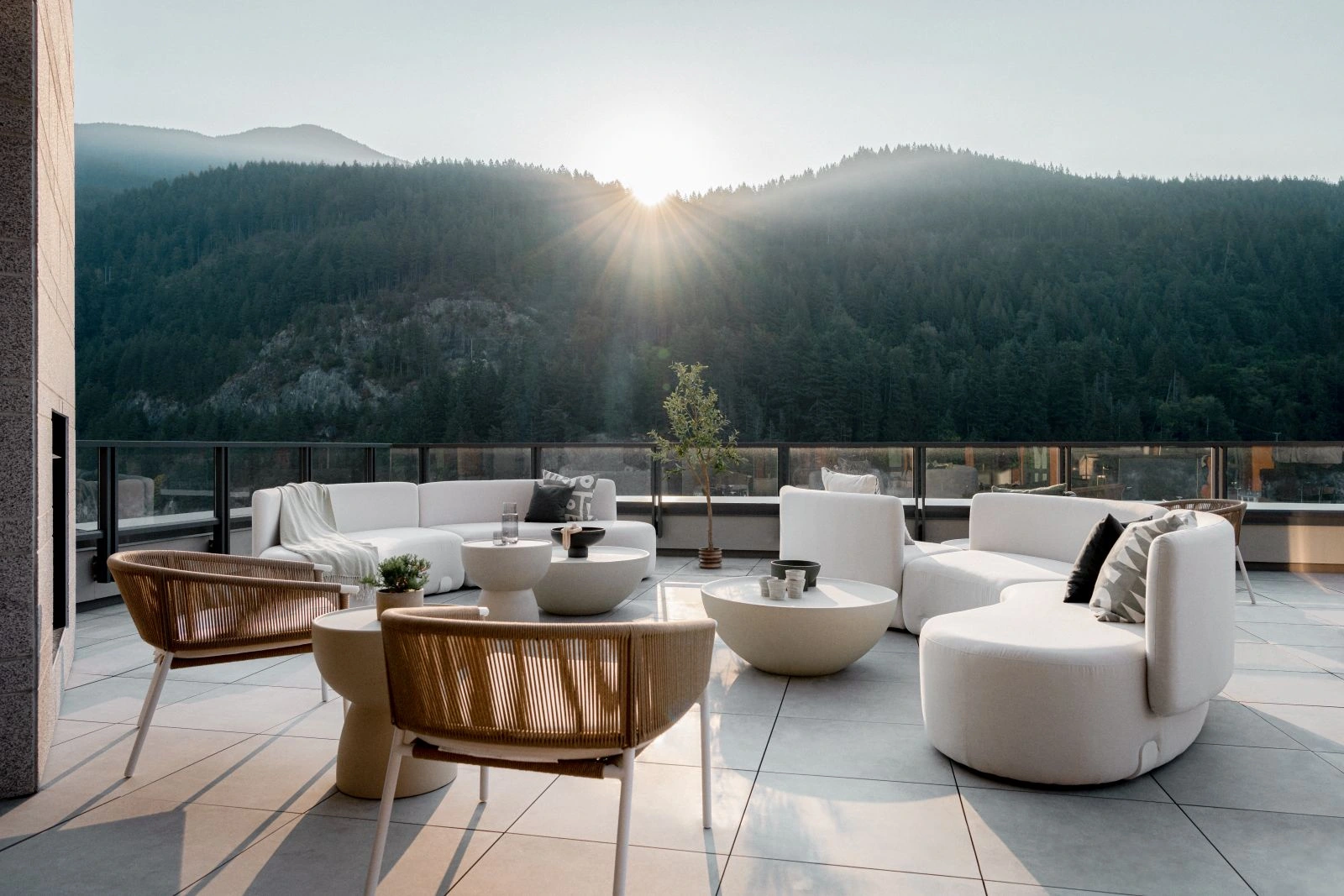
Minimalist outdoor furniture is most effective when it is integrated into the broader design context. Rather than acting as standalone elements, pieces should align with architectural lines and landscape composition.
This integration involves careful placement and orientation. Furniture is often positioned to frame views, define zones, and guide movement through the space. In doing so, it reinforces the overall spatial narrative.
For luxury projects, this approach creates a sense of cohesion. Every element, from structure to furniture, contributes to a unified design language.
Color Palettes and Visual Harmony
Color plays a subtle yet significant role in minimalist outdoor furniture. Neutral tones dominate, allowing materials and forms to take center stage. Shades of white, gray, black, and natural wood are commonly used to create a calm and balanced environment.
Design considerations include:
- Maintaining consistency across furniture and architecture
- Using tonal variation to add depth without contrast
- Avoiding overly bold or saturated colors
- Coordinating textiles with surrounding materials
- Allowing natural elements to introduce color variation
This restrained approach ensures that outdoor spaces remain timeless and visually coherent.
Flexibility and Modular Design
Flexibility is a key advantage of minimalist outdoor furniture. Modular systems allow designers to adapt layouts based on changing needs, making them particularly valuable in luxury residential and hospitality settings.
Typical modular features include:
- Configurable seating arrangements
- Interchangeable components
- Lightweight structures for easy repositioning
- Compatibility with different spatial layouts
- Scalability for both small and large environments
This adaptability supports dynamic outdoor living, ensuring that spaces remain functional across different uses and occasions.
The Influence of Light on Minimalist Forms
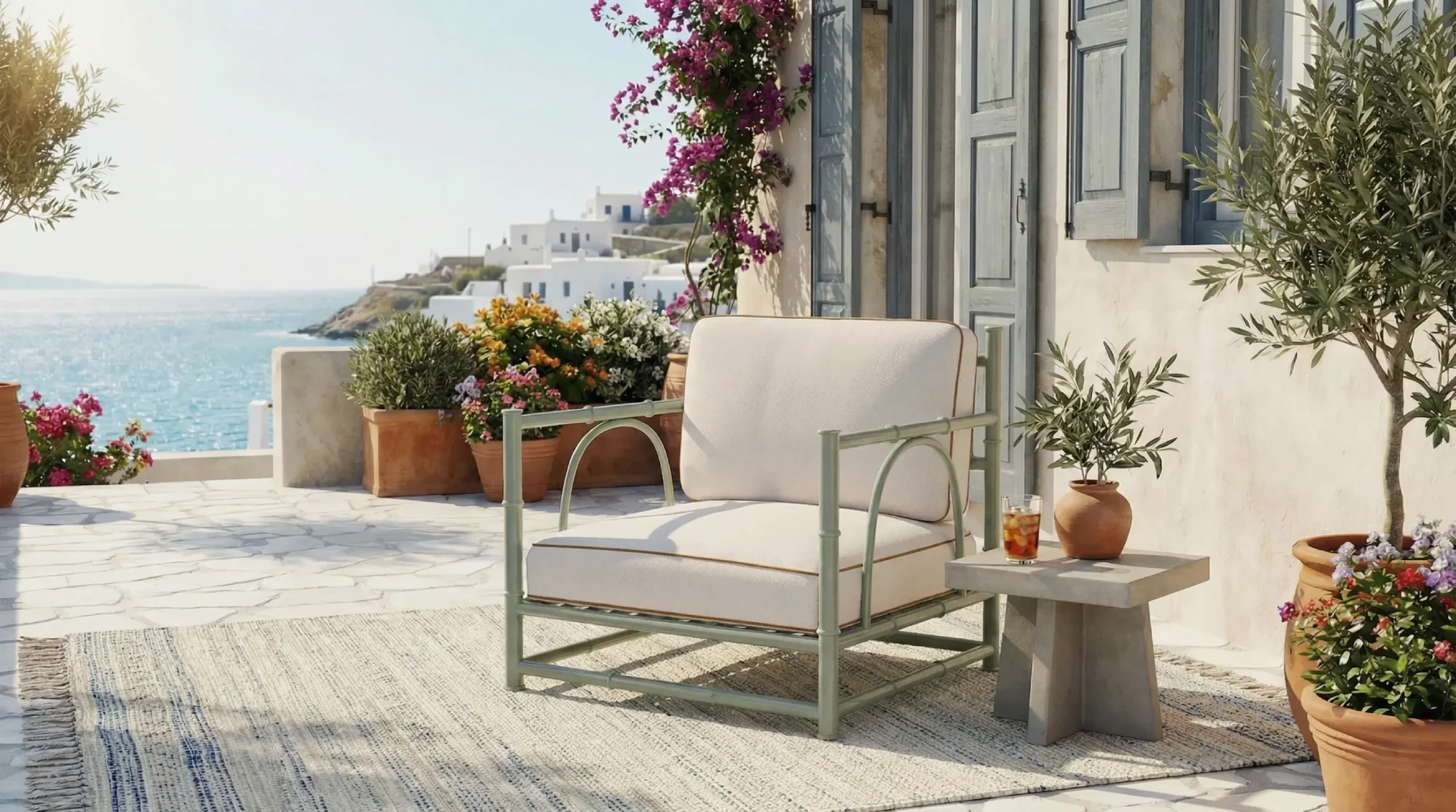
Light plays a critical role in defining minimalist outdoor furniture. Clean lines and simple forms interact with natural light, creating subtle shadows and highlights that enhance visual interest.
During the day, sunlight emphasizes geometry and material texture. In the evening, integrated lighting can highlight key elements, adding depth and atmosphere without overwhelming the design.
For designers, understanding this interaction is essential. It allows furniture to contribute to the overall ambiance, reinforcing the minimalist aesthetic through light and shadow.
Sustainability and Longevity
Sustainability is increasingly important in luxury outdoor design, and minimalist outdoor furniture aligns naturally with this objective. By focusing on quality and longevity, designers reduce the need for frequent replacement.
Key sustainability considerations include:
- Use of responsibly sourced materials
- Durable construction that withstands environmental conditions
- Timeless design that avoids short-term trends
- Efficient manufacturing processes
- Recyclable or low-impact materials
This approach supports both environmental responsibility and long-term value, making it a key consideration for modern projects.
The Future of Minimalist Outdoor Furniture
As outdoor living continues to evolve, minimalist outdoor furniture will remain a cornerstone of luxury design. Emerging trends include the integration of advanced materials, smart features, and enhanced ergonomics.
At the same time, the core principles of minimalism-clarity, balance, and restraint-will continue to guide design decisions. These principles ensure that furniture remains relevant and adaptable to changing architectural and lifestyle needs.
For outdoor designers and architects, mastering minimalist design offers a powerful tool for creating spaces that are both contemporary and enduring.
Conclusion
Minimalist outdoor furniture represents a timeless approach to design, where simplicity and precision define the overall experience. By focusing on material quality, proportion, and integration, designers can create outdoor environments that feel refined and cohesive.
For luxury design studios, this approach provides a framework for delivering spaces that are not only visually compelling but also highly functional and sustainable. As the demand for sophisticated outdoor living grows, minimalist outdoor furniture will continue to shape the future of luxury outdoor environments.