

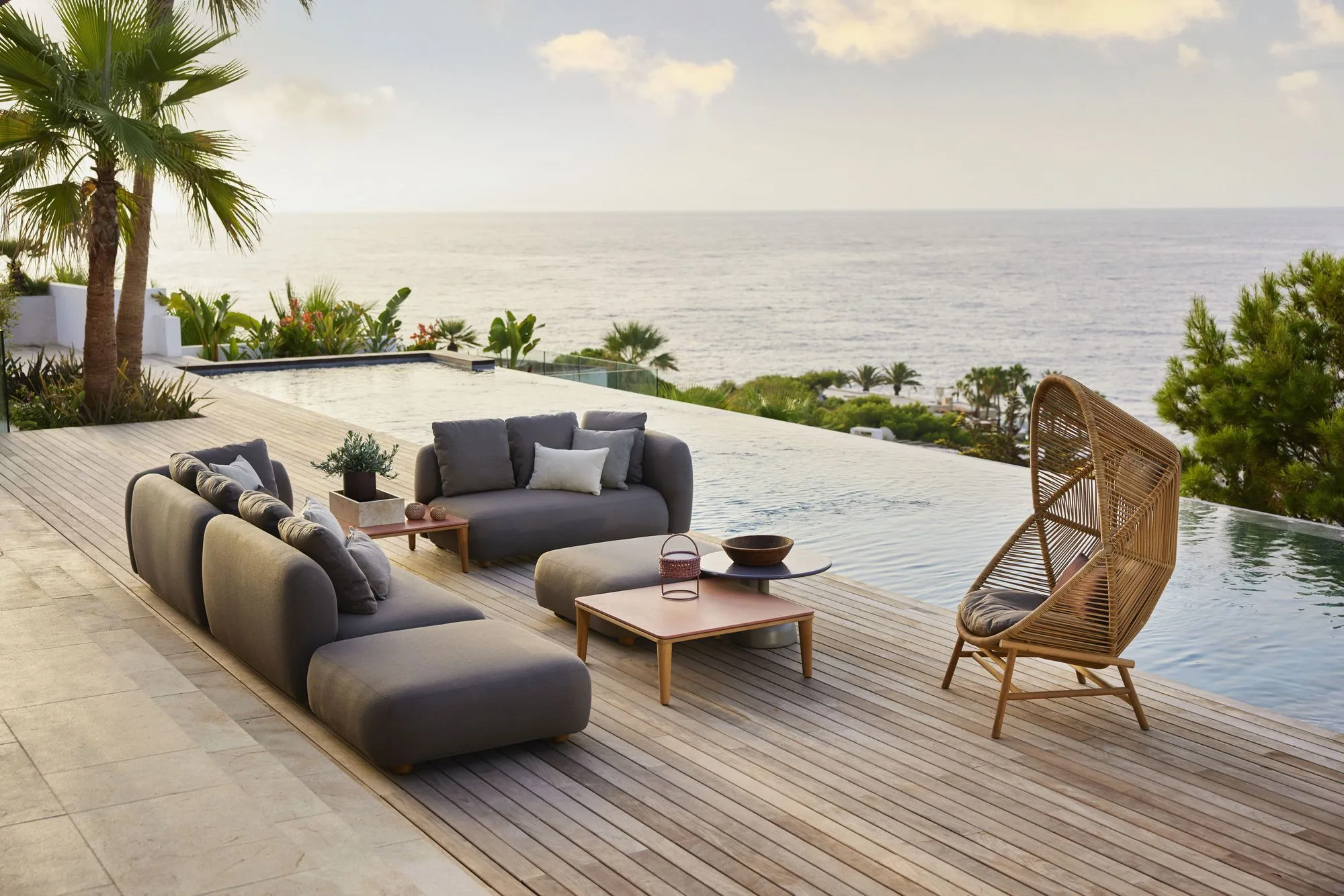
In the evolving landscape of luxury environments, outdoor furniture design has become a defining element of architectural and spatial identity. From private terraces to large-scale hospitality projects, the demand for refined outdoor living continues to grow. Alongside this demand, a parallel market of replicas and imitations has expanded, challenging the value of craftsmanship and originality.
For outdoor designers, furniture brands, architects, and luxury design studios, the distinction between authentic craftsmanship and replicated design is no longer just aesthetic. It directly affects brand positioning, project integrity, and long-term performance.
The Value of Craftsmanship in Outdoor Furniture Design
Authentic outdoor furniture design begins with craftsmanship. It reflects a deep understanding of materials, construction techniques, and environmental conditions. Skilled makers consider how wood reacts to humidity, how metals withstand corrosion, and how textiles endure prolonged sun exposure.
Craftsmanship is not only about how a piece looks. It defines how it performs over time. Hand-finished teak, precision-welded aluminum, and carefully engineered joinery ensure durability and structural integrity. These details often remain invisible at first glance, yet they determine whether a piece lasts for decades or deteriorates within a few seasons.
High-end outdoor spaces demand this level of quality. Whether designing a coastal residence or a rooftop lounge, professionals rely on furniture that maintains its form and function under constant exposure to the elements.
The Rise of Replicas in the Global Market
The expansion of global manufacturing has made replicas more accessible than ever. Many imitate iconic outdoor furniture design pieces with visual accuracy but lack the underlying quality that defines the original.
Replicas often prioritize cost reduction. Manufacturers may substitute premium materials with lower-grade alternatives, simplify construction methods, and bypass rigorous testing. While the initial appearance may seem comparable, performance quickly reveals the difference.
For large-scale projects, this creates significant challenges. A design concept may rely on cohesive outdoor furnishings, yet inconsistent quality can disrupt both aesthetics and usability. Warping, fading, and structural instability introduce maintenance issues that affect the overall experience of a space.
Material Integrity and Environmental Performance
Material selection remains one of the clearest distinctions between authentic outdoor furniture design and replicas. Original pieces often feature materials chosen for both performance and aging characteristics.
Teak, for example, contains natural oils that resist moisture and pests. High-quality powder-coated aluminum provides corrosion resistance without excessive weight. Outdoor-grade fabrics incorporate UV protection and moisture resistance to maintain color and texture.
Replicas frequently attempt to mimic these materials visually without matching their properties. A lower-grade wood may resemble teak but lacks its durability. Inferior coatings may chip or fade, exposing the underlying structure to environmental damage.
For architects and designers, material integrity directly impacts project longevity. Specifying authentic outdoor furniture design reduces the need for frequent replacements and supports a more sustainable approach to design.
Design Intent and Proportion
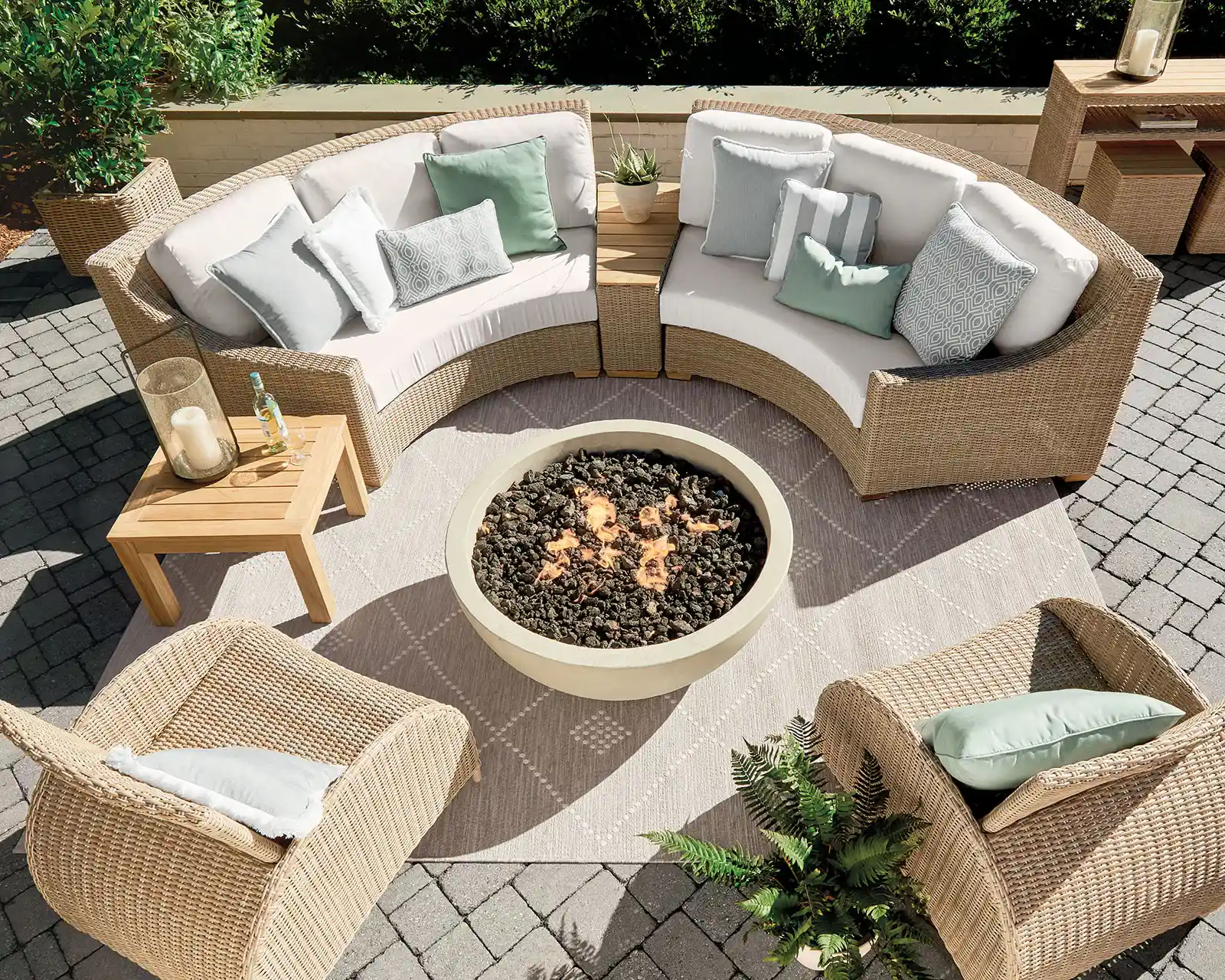
Authentic outdoor furniture design reflects a deliberate balance of proportion, ergonomics, and visual harmony. Designers invest time refining dimensions, angles, and structural relationships to ensure comfort and cohesion within a space.
Replicas often struggle to replicate these subtleties. Slight deviations in scale or geometry can alter the user experience. Seating may feel less supportive, and tables may lack proper balance. These differences may seem minor but become noticeable in everyday use.
In luxury environments, precision matters. Every element contributes to the overall perception of quality. Authentic pieces reinforce a cohesive design language, while poorly executed replicas can disrupt it.
The Role of Brand Identity in Outdoor Spaces
For furniture brands and design studios, outdoor furniture design plays a critical role in shaping identity. Signature collections, material palettes, and construction methods contribute to a recognizable aesthetic.
When replicas enter the market, they blur this identity. Projects that rely on imitation products risk losing their distinctiveness. Clients may struggle to differentiate between original concepts and widely available copies.
Maintaining authenticity allows brands to preserve their narrative. It ensures that each project reflects intentional design rather than a diluted version of it.
Longevity as a Design Strategy
Durability remains one of the strongest arguments for authentic outdoor furniture design. High-quality pieces age with character, developing patina rather than deteriorating.
This longevity aligns with the broader shift toward sustainable design practices. Fewer replacements reduce material waste and minimize environmental impact. Over time, the initial investment in craftsmanship often proves more cost-effective than repeated purchases of lower-quality replicas.
For hospitality and commercial projects, this becomes especially important. Outdoor spaces experience heavy use, and furniture must withstand constant interaction without compromising appearance or safety.
Craftsmanship and Customization
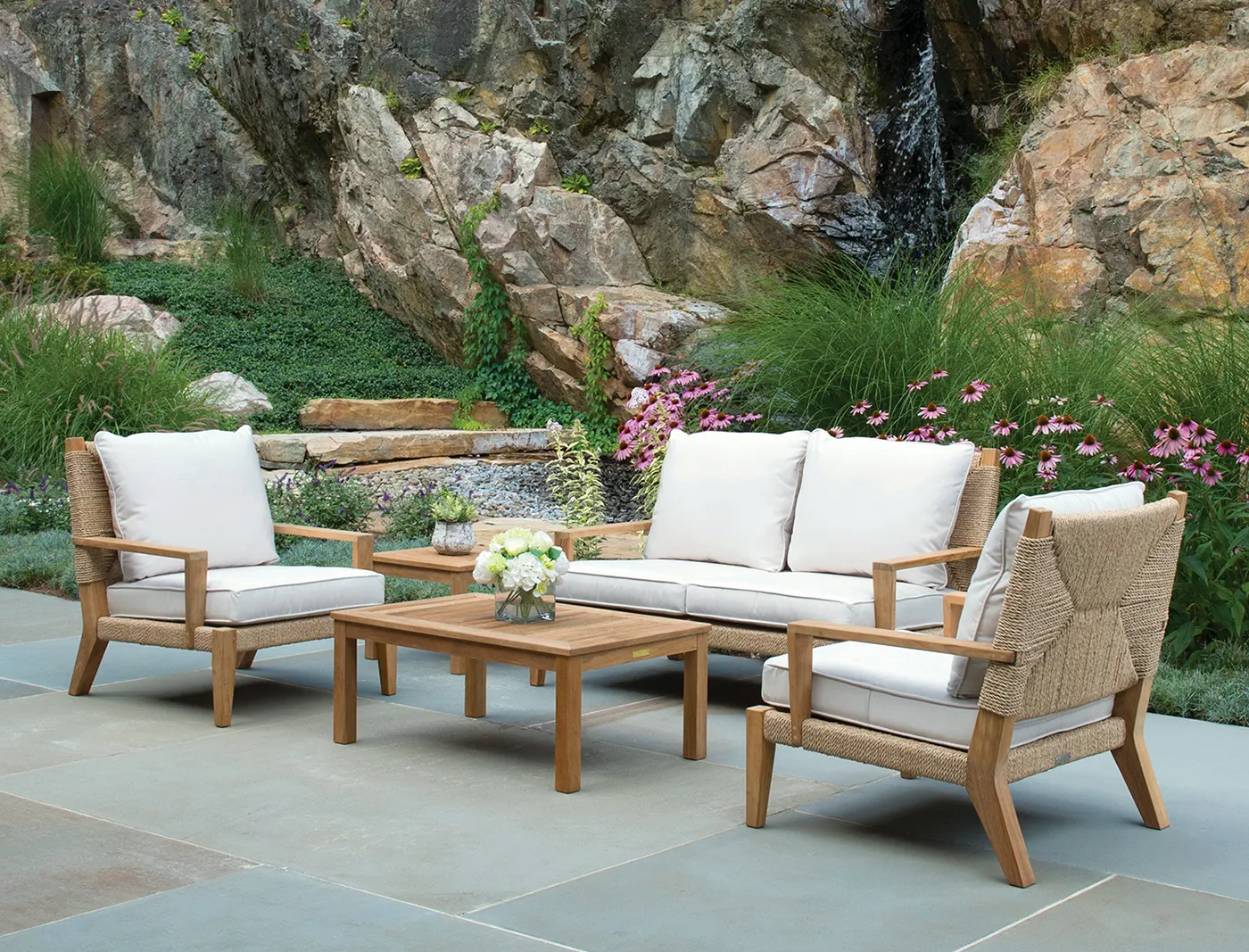
Authentic outdoor furniture design often allows for customization. Designers and brands can adapt finishes, dimensions, and materials to suit specific project requirements.
This flexibility supports creative freedom. Architects and designers can integrate furniture seamlessly into their overall vision, rather than adapting their concepts to fit standardized products.
Replicas rarely offer this level of adaptability. Their production models focus on volume rather than variation, limiting options for customization.
Perception of Value in Luxury Design
In high-end markets, perception carries as much weight as performance. Clients expect environments that reflect quality, exclusivity, and attention to detail.
Authentic outdoor furniture design contributes to this perception. It signals a commitment to excellence and reinforces the overall narrative of a space. Replicas, even when visually convincing, often fail to deliver the same level of credibility.
For luxury design studios, maintaining this perception is essential. Every element within a project must align with the expectations of discerning clients.
Navigating the Future of Outdoor Furniture Design
As outdoor living continues to expand, the tension between craftsmanship and replicas will remain a defining issue. Designers and brands must navigate this landscape with a clear understanding of quality, performance, and long-term value.
Authentic outdoor furniture design offers more than aesthetic appeal. It provides durability, material integrity, and a cohesive design language that supports both residential and commercial environments.
Replicas may offer short-term cost advantages, but they often compromise the very elements that define exceptional outdoor spaces.
Conclusion
The distinction between craftsmanship and replicas in outdoor furniture design extends beyond visual similarity. It shapes how spaces function, how materials perform, and how design narratives endure over time.
For outdoor designers, furniture brands, architects, and luxury studios, prioritizing authenticity ensures that each project maintains its integrity. In an industry driven by detail and experience, craftsmanship remains the foundation of truly exceptional outdoor environments.