

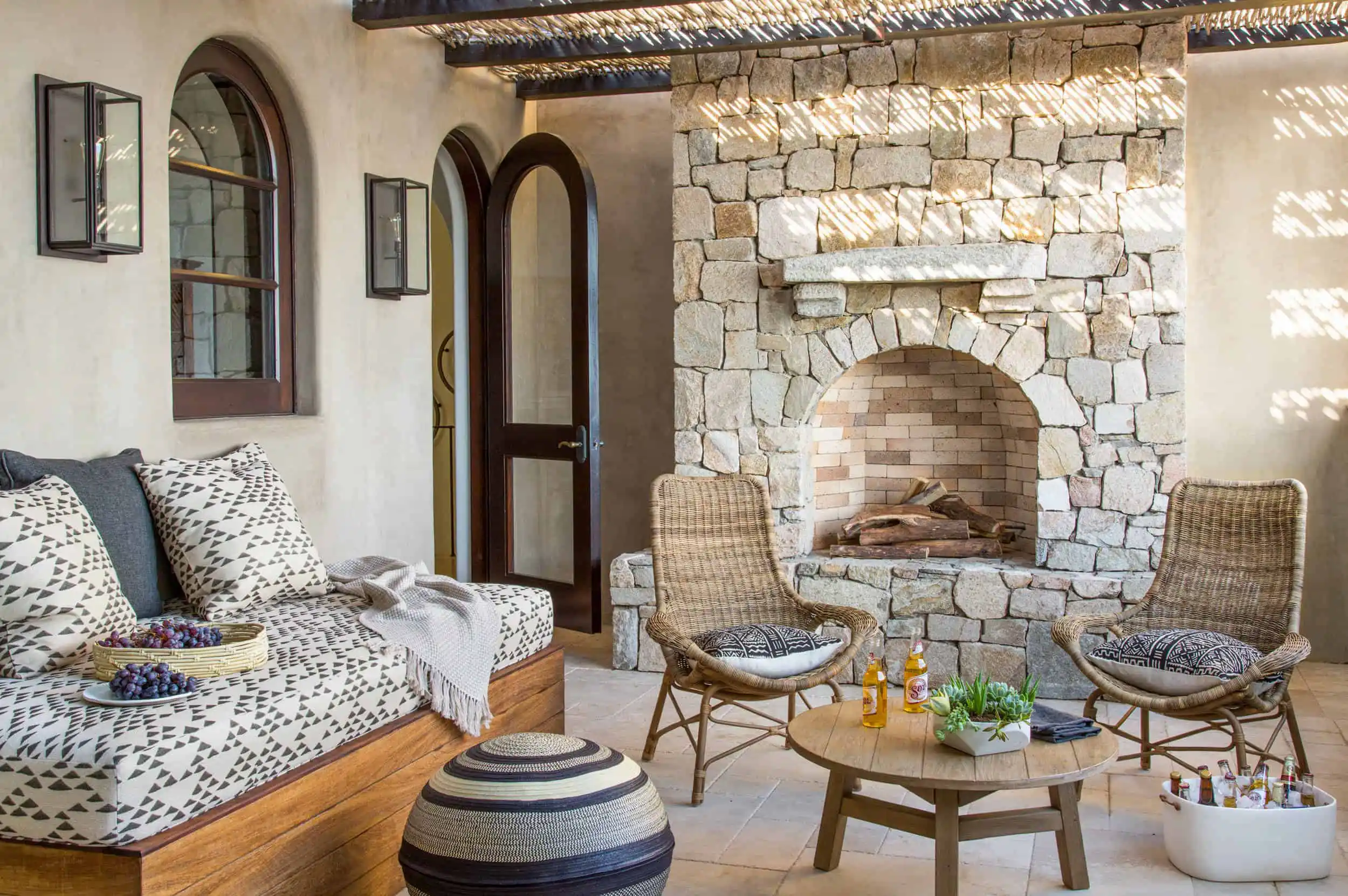
Mediterranean Outdoor Furniture continues to define a refined yet relaxed approach to exterior living. Rooted in the coastal regions of Southern Europe, this design language blends natural materials, artisanal craftsmanship, and a strong connection to the landscape. For outdoor designers, furniture brands, architects, and luxury design studios, Mediterranean Outdoor Furniture offers a blueprint for creating spaces that feel both timeless and highly functional.
This style does not rely on trends. Instead, it builds on centuries of architectural and cultural influence from regions such as Italy, Spain, and Greece. The result is a cohesive aesthetic that balances elegance with durability, making it ideal for high-end outdoor environments.
The Essence of Mediterranean Outdoor Furniture
Mediterranean Outdoor Furniture emphasizes comfort, simplicity, and authenticity. Designers focus on creating environments that encourage long gatherings, outdoor dining, and seamless transitions between indoor and outdoor spaces.
The core elements include:
- Natural materials such as wood, stone, and wrought iron
- Neutral color palettes inspired by earth, sea, and sky
- Handcrafted details that highlight artisanal techniques
- Functional layouts that support social interaction
These principles guide the selection and design of furniture pieces, ensuring that every element contributes to a harmonious outdoor setting.
Wrought Iron Elegance
Wrought iron remains one of the most recognizable features of Mediterranean Outdoor Furniture. Its strength and versatility allow designers to create intricate forms while maintaining structural integrity.
Chairs, tables, and loungers often feature curved lines and decorative patterns. These details add visual interest without overwhelming the space. Designers frequently pair wrought iron with cushions in soft, natural fabrics to enhance comfort.
This material performs well in outdoor conditions, especially in coastal environments. With proper finishes, wrought iron resists corrosion and maintains its appearance over time. For luxury projects, custom ironwork can elevate an outdoor area into a statement space.
Natural Wood Warmth
Wood introduces warmth and texture into Mediterranean Outdoor Furniture. Designers favor species such as teak, oak, and cedar for their durability and resistance to weather.
Large dining tables, pergola seating, and lounge chairs often showcase solid wood construction. The natural grain becomes a design feature, adding depth and authenticity to the space.
Finishes typically remain subtle. Designers prefer oils or light stains that enhance the wood’s natural tone rather than conceal it. This approach aligns with the Mediterranean philosophy of celebrating raw materials.
Wood also integrates seamlessly with architectural elements such as stone walls and tiled floors. This cohesion strengthens the overall design narrative.
Stone and Masonry Integration
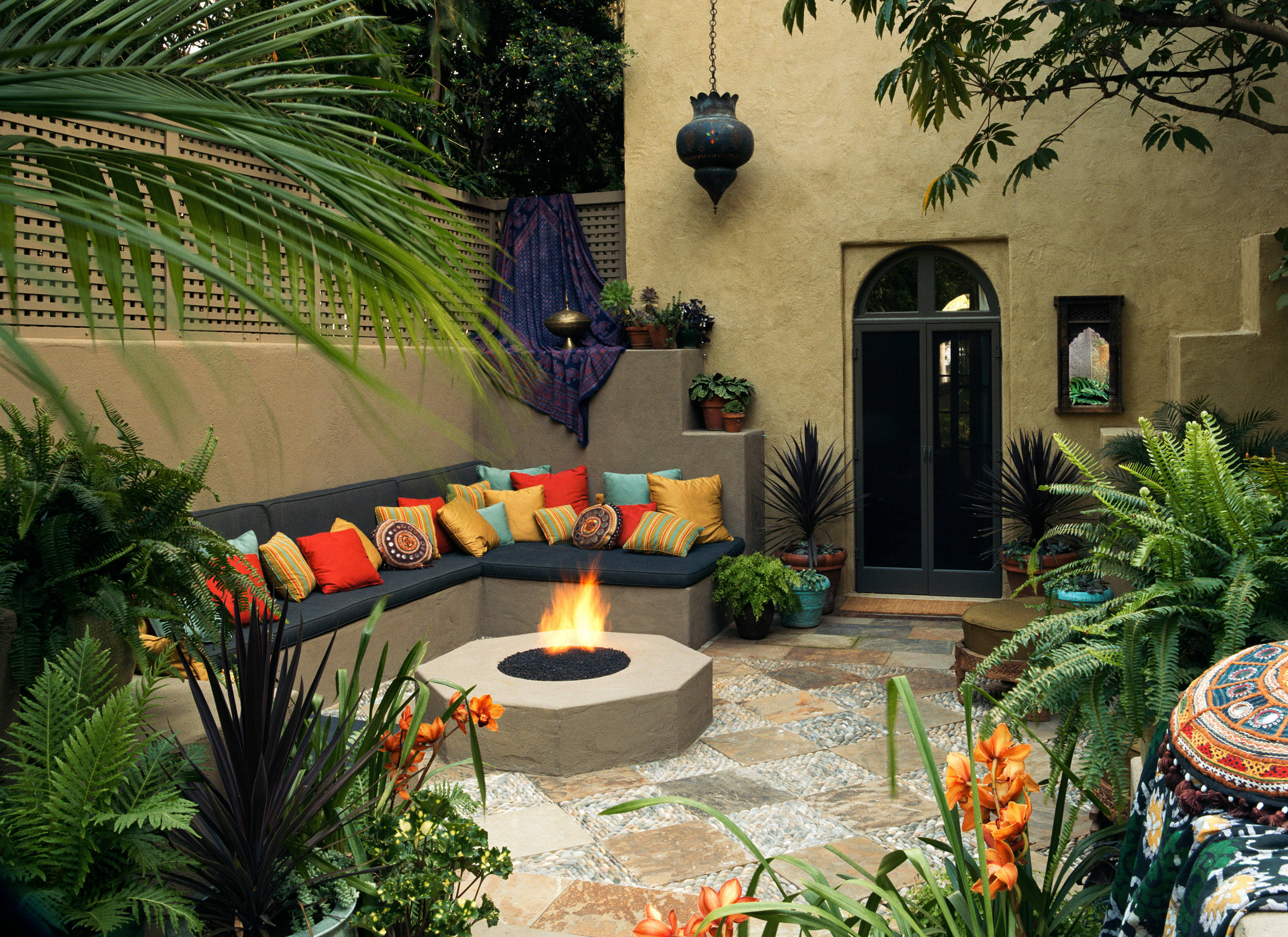
Mediterranean Outdoor Furniture often works in tandem with built-in stone elements. Designers incorporate benches, tables, and planters directly into the architecture, creating a sense of permanence.
Stone surfaces such as limestone, travertine, and terracotta reflect the region’s natural landscape. These materials provide durability while maintaining a refined aesthetic.
Built-in seating areas encourage communal gatherings. When paired with loose furniture pieces, they create flexible layouts that adapt to different uses. This combination allows designers to balance structure with versatility.
Woven and Rattan Textures
Woven materials play a significant role in Mediterranean Outdoor Furniture. Rattan, wicker, and rope introduce softness and texture, contrasting with harder materials like stone and metal.
Modern interpretations often use synthetic fibers that replicate natural textures while offering improved resistance to moisture and sunlight. This innovation allows designers to maintain the traditional look while meeting contemporary performance standards.
Seating pieces such as lounge chairs and sofas benefit from woven construction. They provide comfort and visual lightness, preventing outdoor spaces from feeling heavy or static.
Neutral and Earthy Color Palettes
Color selection defines the atmosphere of Mediterranean Outdoor Furniture. Designers draw inspiration from coastal landscapes, incorporating shades of white, beige, terracotta, olive green, and deep blue.
These colors create a calming environment that reflects natural surroundings. Accent tones often appear in textiles such as cushions, rugs, and umbrellas.
Patterns also play a role. Subtle stripes, geometric motifs, and hand-painted details add character without disrupting the overall harmony. The goal is to enhance the space rather than dominate it.
Outdoor Dining as a Central Element
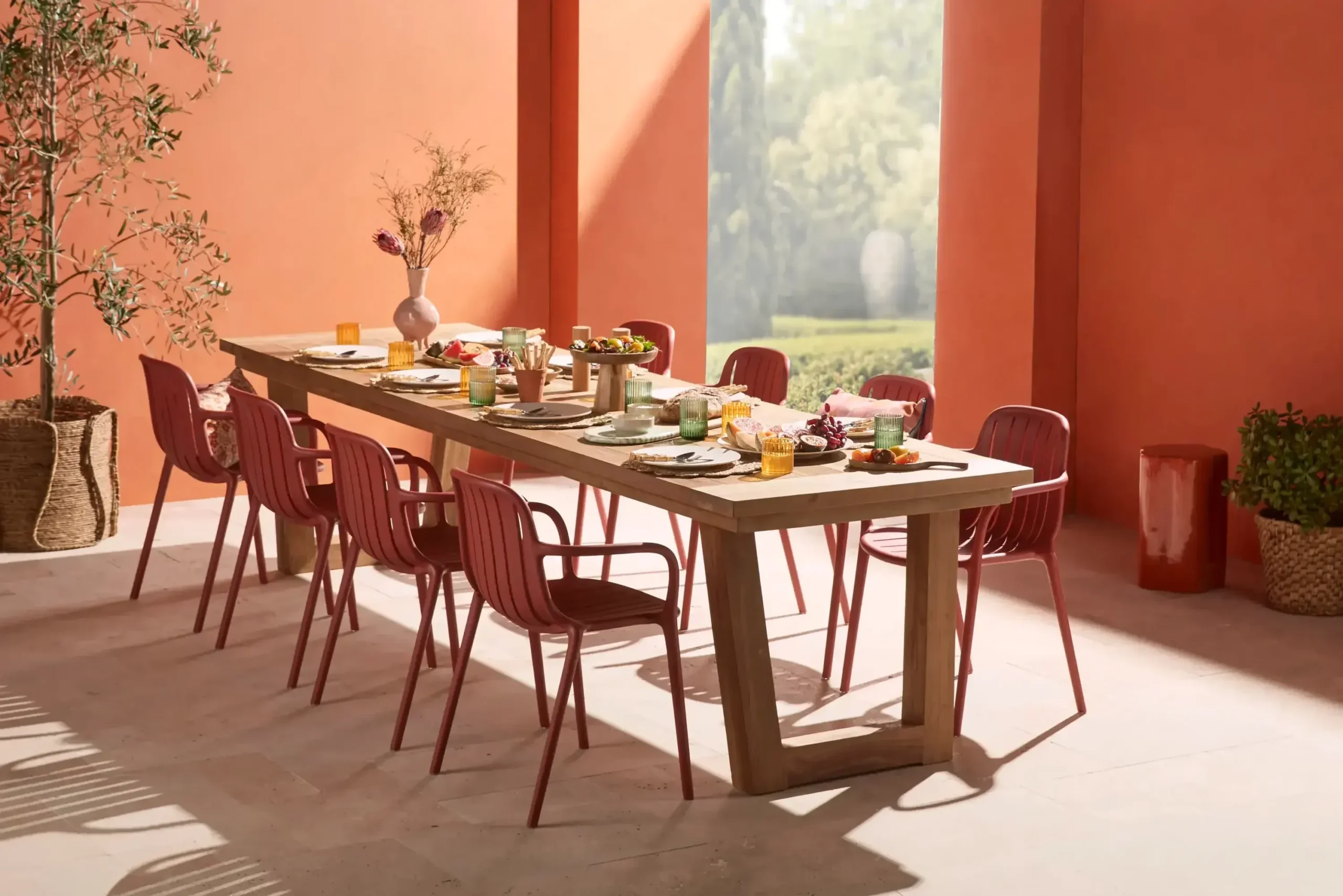
Dining remains a cornerstone of Mediterranean living. Outdoor furniture layouts often revolve around large tables that accommodate family and guests.
Designers prioritize durability and comfort in dining furniture. Chairs feature supportive կառուց and weather-resistant cushions. Tables offer generous proportions, encouraging long meals and social interaction.
Pergolas or shaded structures frequently complement dining areas. These architectural elements provide protection from the sun while enhancing the visual appeal of the space.
Lounge Areas and Relaxation Zones
Mediterranean Outdoor Furniture excels in creating inviting lounge areas. Designers use a combination of sofas, daybeds, and chaise lounges to establish aram zones.
These areas often face scenic views or central courtyards. Designers arrange furniture to promote conversation and relaxation. Low tables and soft textiles complete the setting, adding layers of comfort.
Water features, such as fountains or pools, often enhance these spaces. The sound of water contributes to a tranquil atmosphere, reinforcing the connection to nature.
Craftsmanship and Customization
Custom craftsmanship defines high-end Mediterranean Outdoor Furniture. Designers collaborate with artisans to create pieces that reflect specific project requirements.
Hand-forged metalwork, carved wood details, and custom upholstery elevate the overall design. These elements ensure that each project remains unique while adhering to Mediterranean principles.
Furniture brands can leverage this approach by offering bespoke solutions. Customization allows them to meet the demands of luxury clients who seek exclusivity and precision.
Sustainability and Longevity
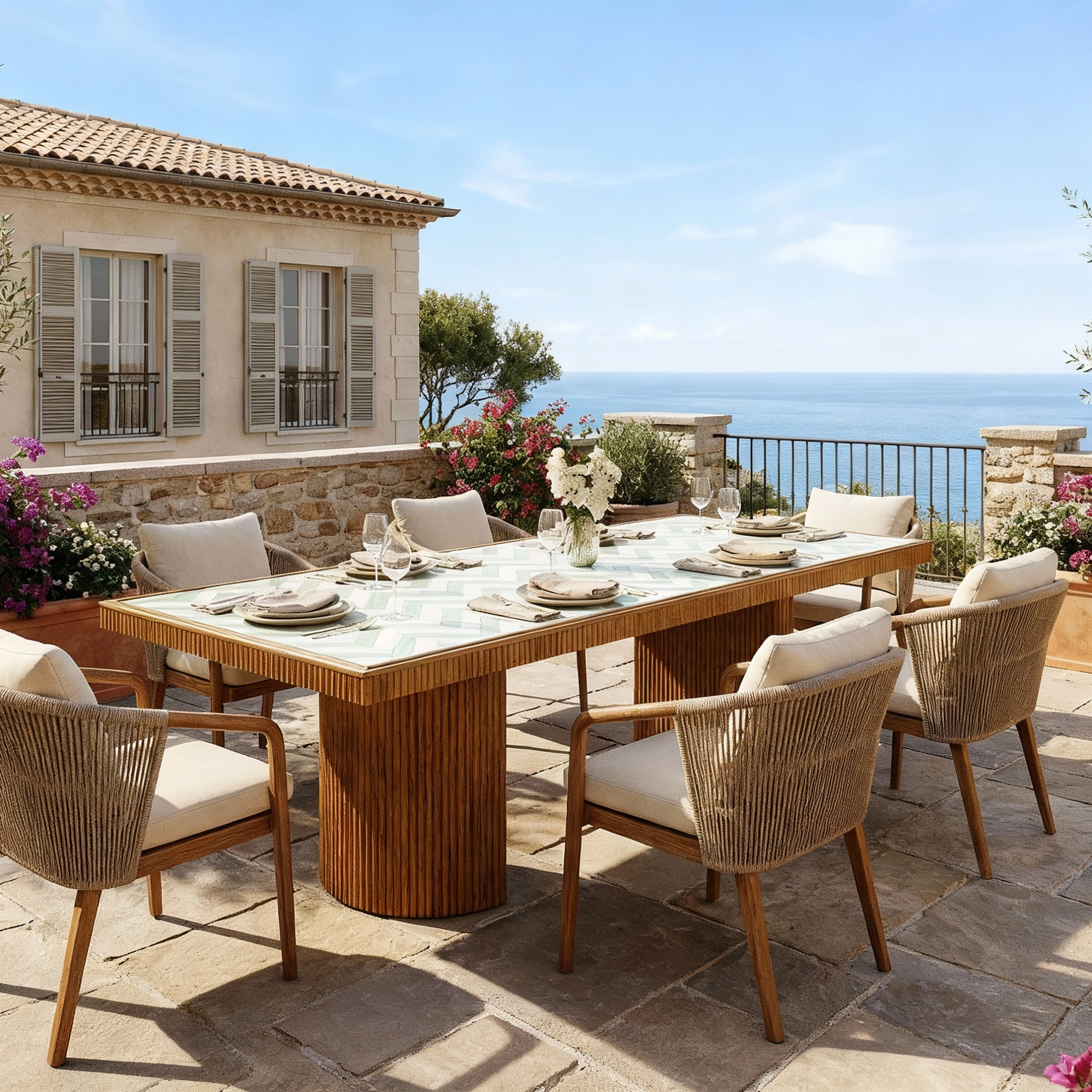
Mediterranean Outdoor Furniture aligns naturally with sustainable design practices. Its emphasis on durable materials and timeless aesthetics reduces the need for frequent replacement.
Designers often source materials locally, minimizing environmental impact. Traditional construction techniques also contribute to longevity, ensuring that furniture remains functional for years.
This focus on sustainability resonates with modern clients who value both design and responsibility. It also reinforces the long-term value of well-crafted outdoor environments.
Integrating Mediterranean Styles in Contemporary Projects
Modern outdoor spaces can incorporate Mediterranean Outdoor Furniture without replicating historical designs in full. Designers adapt key elements to suit contemporary architecture.
Clean lines, simplified details, and innovative materials allow for a fresh interpretation. The essence remains intact while the execution evolves.
Architects and designers often blend Mediterranean influences with other styles, creating hybrid environments that feel both current and timeless. This flexibility ensures that Mediterranean Outdoor Furniture remains relevant across different contexts.
Conclusion
Mediterranean Outdoor Furniture offers a powerful framework for creating outdoor spaces that balance beauty, comfort, and durability. Its reliance on natural materials, artisanal craftsmanship, and thoughtful layouts makes it a preferred choice for high-end projects.
For outdoor designers, furniture brands, architects, and luxury design studios, this style provides endless opportunities for creativity and innovation. By embracing its core principles and adapting them to modern needs, professionals can deliver outdoor environments that stand the test of time.