

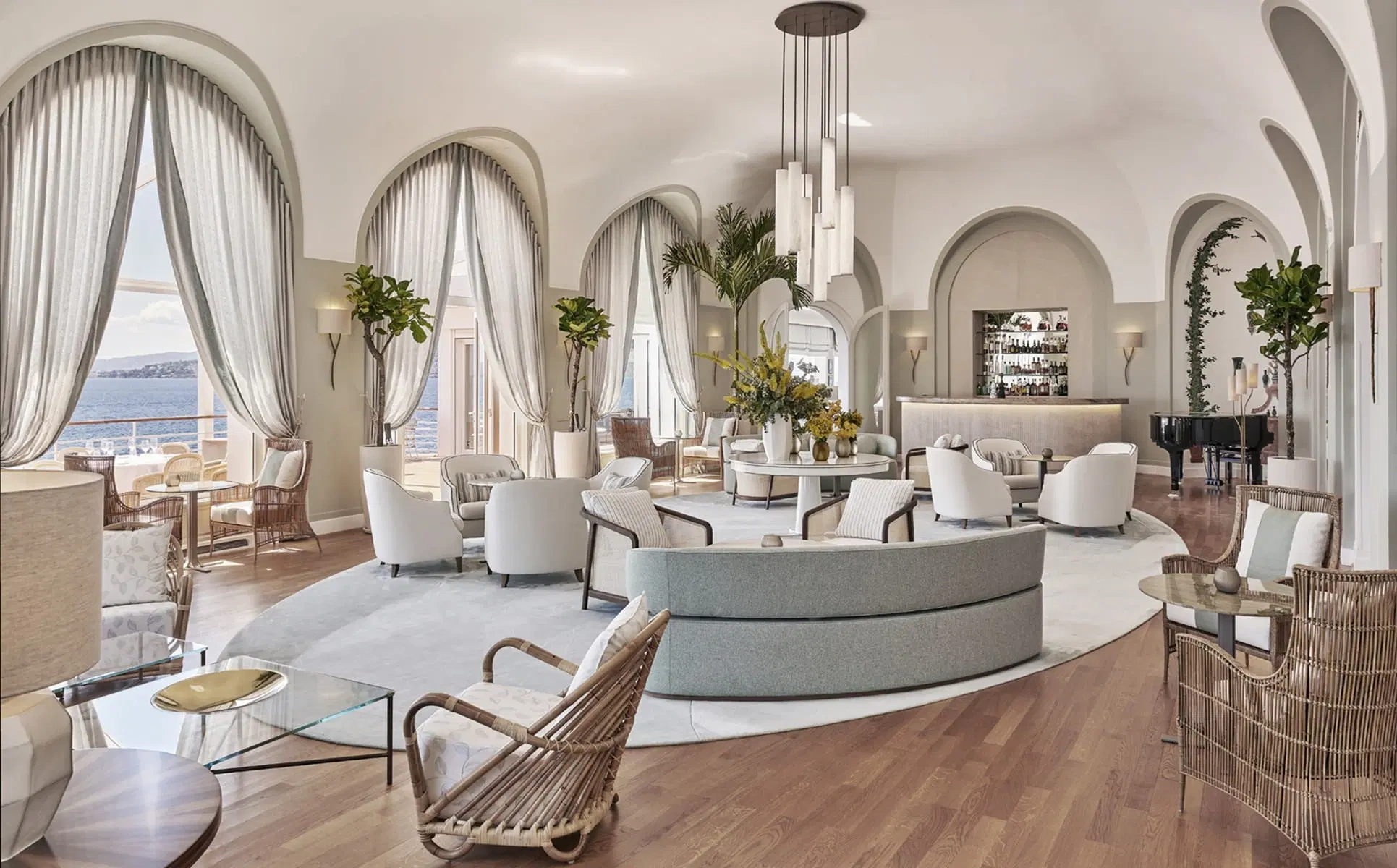
Along the sunlit coastline of the Côte d’Azur, a new generation of luxury boutique hotels is redefining outdoor living. These properties move beyond traditional hospitality models, offering highly curated environments where architecture, landscape, and the Mediterranean horizon converge. For outdoor designers, architects, and luxury design studios, the region provides a rich context for exploring how small-scale hotels can deliver highly immersive and design-driven experiences.
Unlike large resorts, these boutique properties emphasize intimacy, material refinement, and spatial precision. Outdoor areas, such as terraces, gardens, and pool decks become the defining elements, shaping how guests interact with light, climate, and views throughout the day.
The Evolution of Riviera Design Culture
The Côte d’Azur has long been associated with glamour and architectural experimentation. However, contemporary luxury boutique hotels reinterpret this legacy through a more restrained and design-focused lens.
Today’s projects prioritize clarity, simplicity, and connection to the landscape. Rather than relying on opulence, they focus on spatial experience, how guests move through terraces, how views are framed, and how materials respond to light.
This shift reflects broader trends in luxury design, where authenticity and environmental integration are valued as highly as visual impact. As a result, boutique hotels have become a testing ground for innovative outdoor concepts.
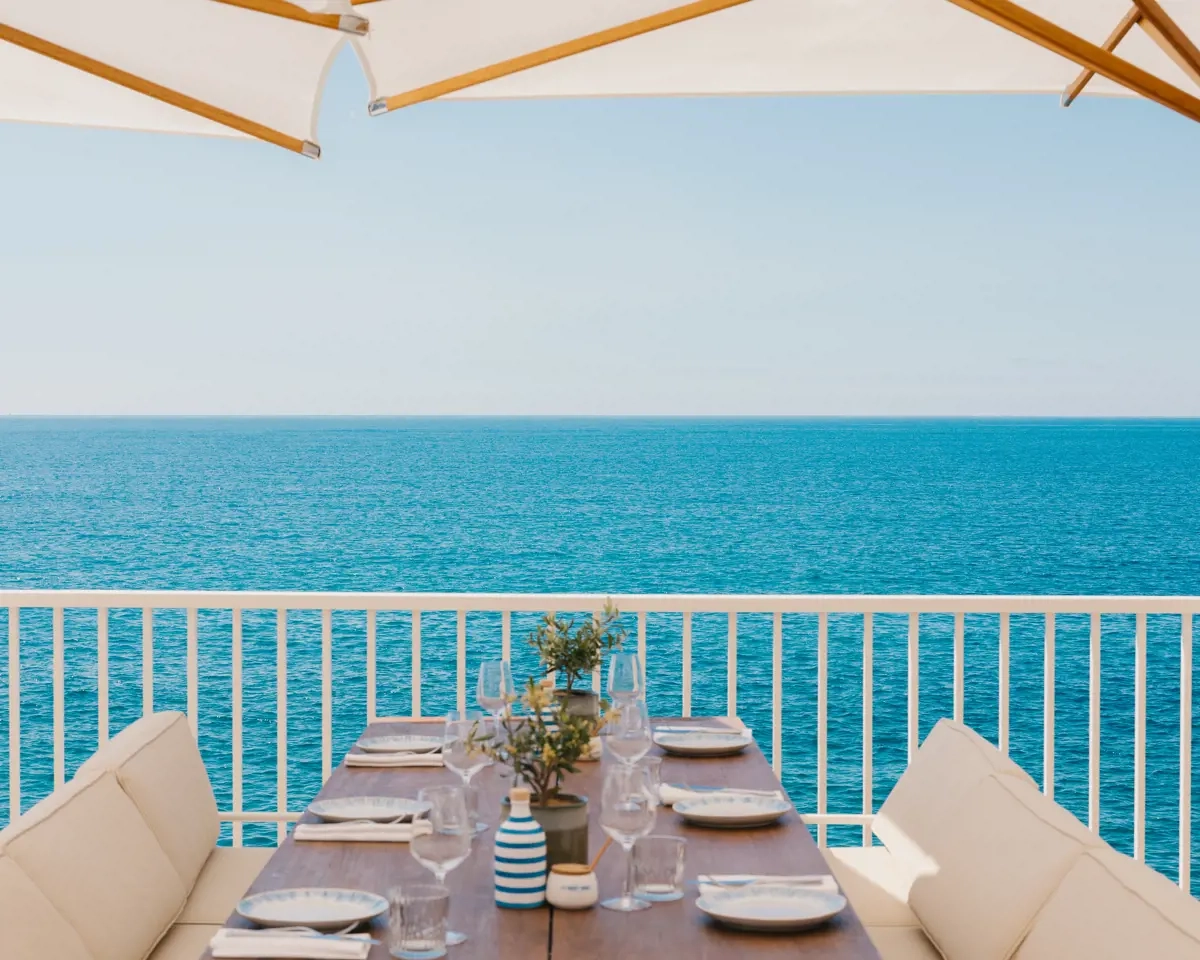
Hôtel Les Roches Rouges
Minimalist Coastal Geometry
Located in Saint-Raphaël, Hôtel Les Roches Rouges exemplifies a contemporary Riviera aesthetic rooted in minimalism. Its architecture is defined by clean lines and a restrained palette that allows the surrounding sea to dominate the visual experience.
Outdoor spaces are carefully composed:
- A striking seawater pool aligned directly with the horizon
- Terraces that extend toward the coastline
- Sparse landscaping that enhances the natural setting
- Lounge areas positioned for uninterrupted views
- A strong emphasis on material simplicity
This approach demonstrates how reduction can amplify the connection between architecture and environment.
Hôtel du Cap-Eden-Roc
Timeless Elegance and Landscape Integration
Situated in Antibes, Hôtel du Cap-Eden-Roc represents a more classical interpretation of Riviera luxury. While historic in character, its outdoor spaces remain highly relevant for contemporary design.
The property is renowned for its integration with the natural landscape. Gardens, terraces, and pathways are carefully layered to create a sequence of outdoor experiences. The iconic cliffside pool, carved into the rock, exemplifies how architecture can merge seamlessly with the terrain.
For designers, this hotel offers insight into balancing tradition with spatial sophistication in outdoor environments.
La Réserve Ramatuelle
Wellness-Driven Coastal Design
Overlooking the Mediterranean near Saint-Tropez, La Réserve Ramatuelle introduces a wellness-focused approach to luxury boutique hotels. Designed with a strong emphasis on openness and light, the property integrates architecture and landscape to support relaxation and privacy.
Key outdoor strategies include:
- Private terraces with panoramic sea views
- Infinity pools that blend with the horizon
- Minimalist landscaping that reinforces calmness
- Open-air circulation that enhances spatial flow
- Carefully framed viewpoints throughout the property
This project highlights how outdoor design can support both aesthetic and experiential goals.
Cap Estel
Secluded Luxury on a Private Peninsula
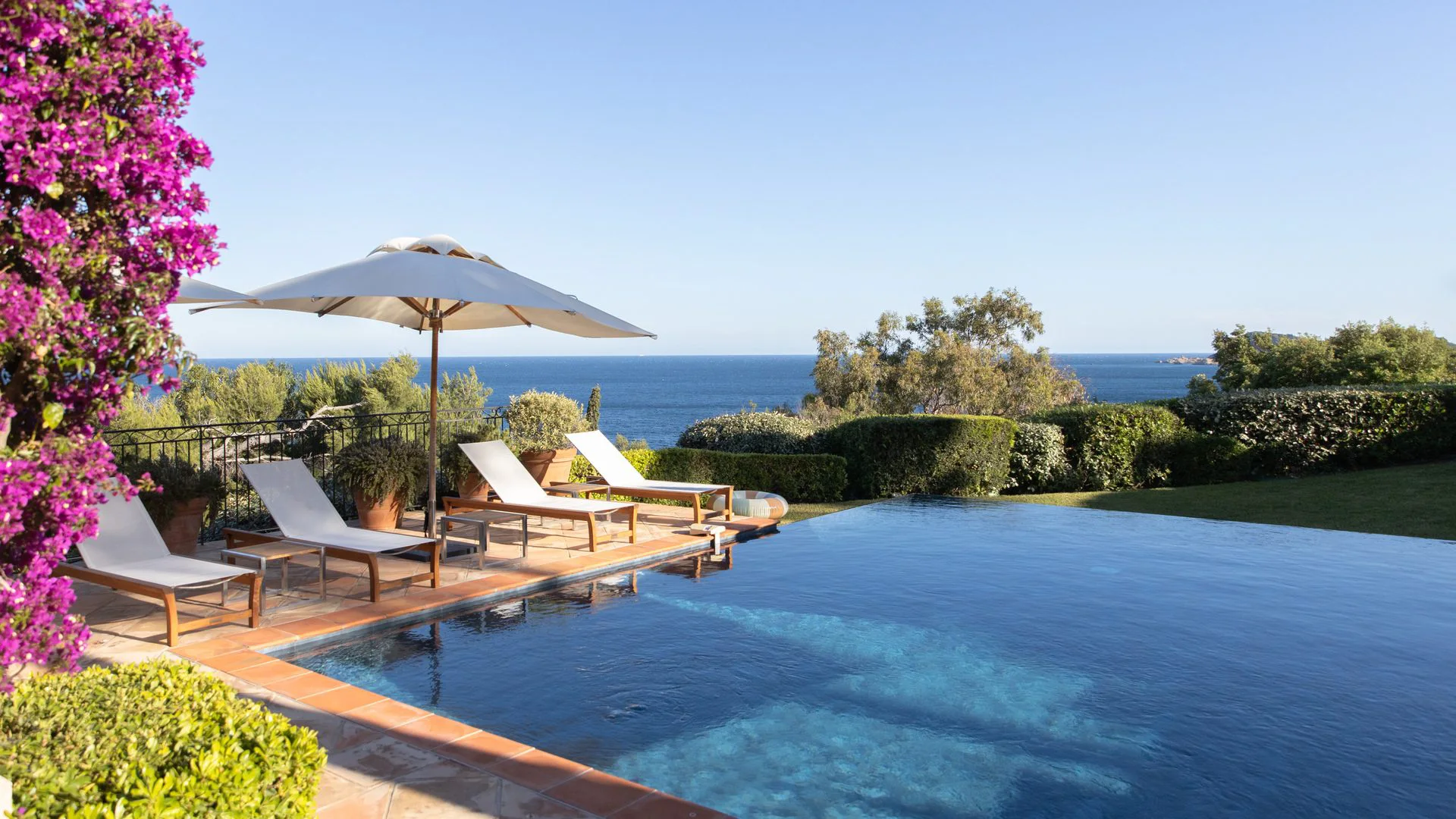
Located in Èze, Cap Estel offers a unique example of exclusivity within the Côte d’Azur. Set on a private peninsula, the hotel creates a sense of isolation while maintaining strong visual connections to the sea.
Outdoor spaces are designed as a series of intimate zones. Terraces, gardens, and pool areas are carefully positioned to maximize privacy while preserving views. The integration of natural materials and lush planting enhances the sense of immersion.
For luxury design studios, Cap Estel demonstrates how spatial layering can create both openness and seclusion.
Hôtel La Ponche
Authenticity and Urban Coastal Living
In the historic center of Saint-Tropez, Hôtel La Ponche offers a different perspective on luxury boutique hotels. Rather than expansive landscapes, it focuses on intimate urban outdoor spaces.
Balconies, small terraces, and waterfront dining areas become key design elements. These spaces engage directly with the surrounding context, creating a close relationship between the hotel and the village.
Design features include:
- Compact outdoor areas optimized for views
- Use of local materials to reinforce authenticity
- Integration with the existing urban fabric
- Subtle transitions between interior and exterior
- Emphasis on atmosphere over scale
This approach highlights how even limited outdoor space can deliver a powerful design experience.
Defining Characteristics of the New Riviera Style
Across these luxury boutique hotels, a consistent set of design principles defines the emerging Riviera style. These principles provide valuable insight for designers working on high-end outdoor environments:
- Emphasis on terraces as primary living spaces
- Strong visual connection to the sea and horizon
- Use of restrained material palettes
- Integration of architecture with natural topography
- Focus on intimacy and spatial clarity
These elements create environments that feel both sophisticated and deeply connected to their surroundings.
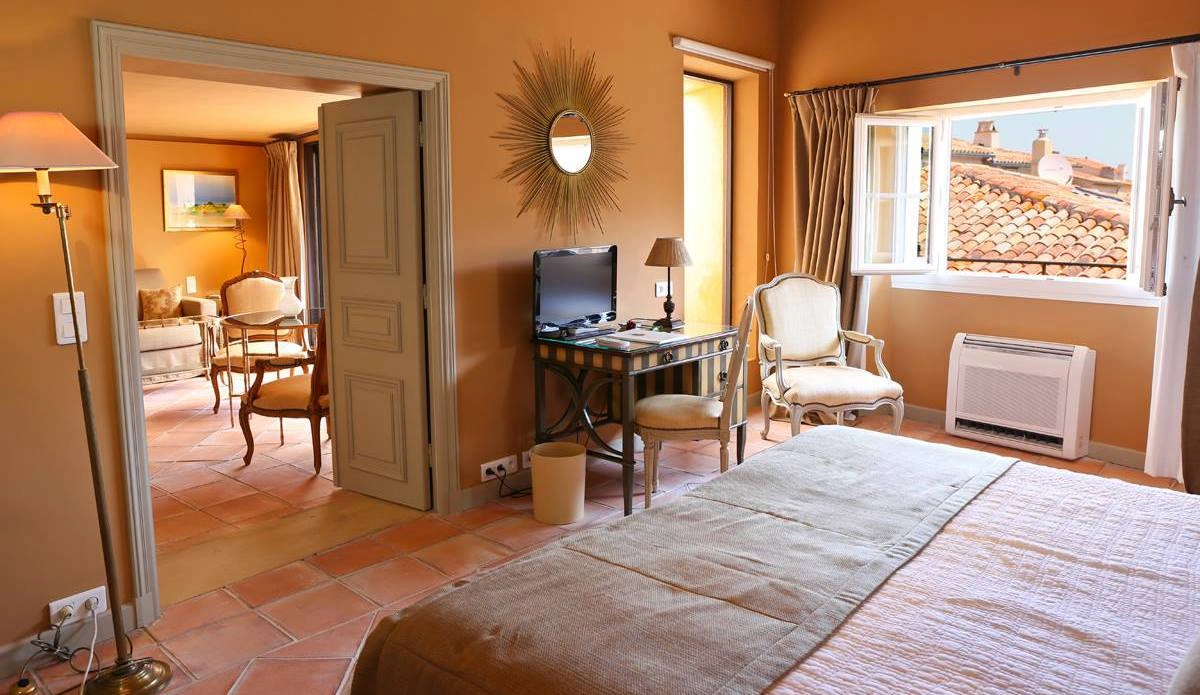
Outdoor Furniture and Spatial Identity
Furniture plays a critical role in shaping the identity of luxury boutique hotels on the Côte d’Azur. Pieces are selected not only for comfort but for their ability to reinforce the overall design language.
Low-profile seating, natural materials, and neutral tones are commonly used to maintain visual harmony. Arrangements are carefully planned to support both social interaction and private relaxation.
For designers, this highlights the importance of aligning furniture with architecture and landscape, ensuring that every element contributes to a cohesive experience.
Climate and Light as Design Drivers
The Mediterranean climate is a defining factor in the design of these hotels. Intense sunlight, mild temperatures, and sea breezes influence every aspect of outdoor space planning.
Design strategies typically include:
- Shaded terraces for daytime comfort
- Orientation to capture natural ventilation
- Light-colored surfaces that reflect heat
- Use of vegetation for cooling and texture
- Integration of water features to enhance ambiance
These responses ensure that outdoor spaces remain comfortable while enhancing their visual appeal.
The Future of Luxury Boutique Hotels on the Riviera
As design continues to evolve, luxury boutique hotels on the Côte d’Azur are likely to become even more refined and experience-driven. Future projects will emphasize sustainability, advanced materials, and deeper integration with the landscape.
However, the essence of the Riviera style will remain unchanged. The focus on light, views, and outdoor living will continue to define the region’s identity.
For outdoor designers and architects, these hotels offer a valuable reference point for creating environments that balance innovation with timeless elegance.
Conclusion
The new generation of luxury boutique hotels on the Côte d’Azur demonstrates how thoughtful design can transform outdoor spaces into immersive environments. Through terraces, materiality, and spatial precision, these properties redefine what luxury means in a coastal context.
For design professionals, they provide both inspiration and practical insight. By embracing the principles of the Riviera style, it is possible to create outdoor spaces that are not only visually compelling but deeply connected to their environment, spaces where architecture, landscape, and lifestyle exist in perfect harmony.