

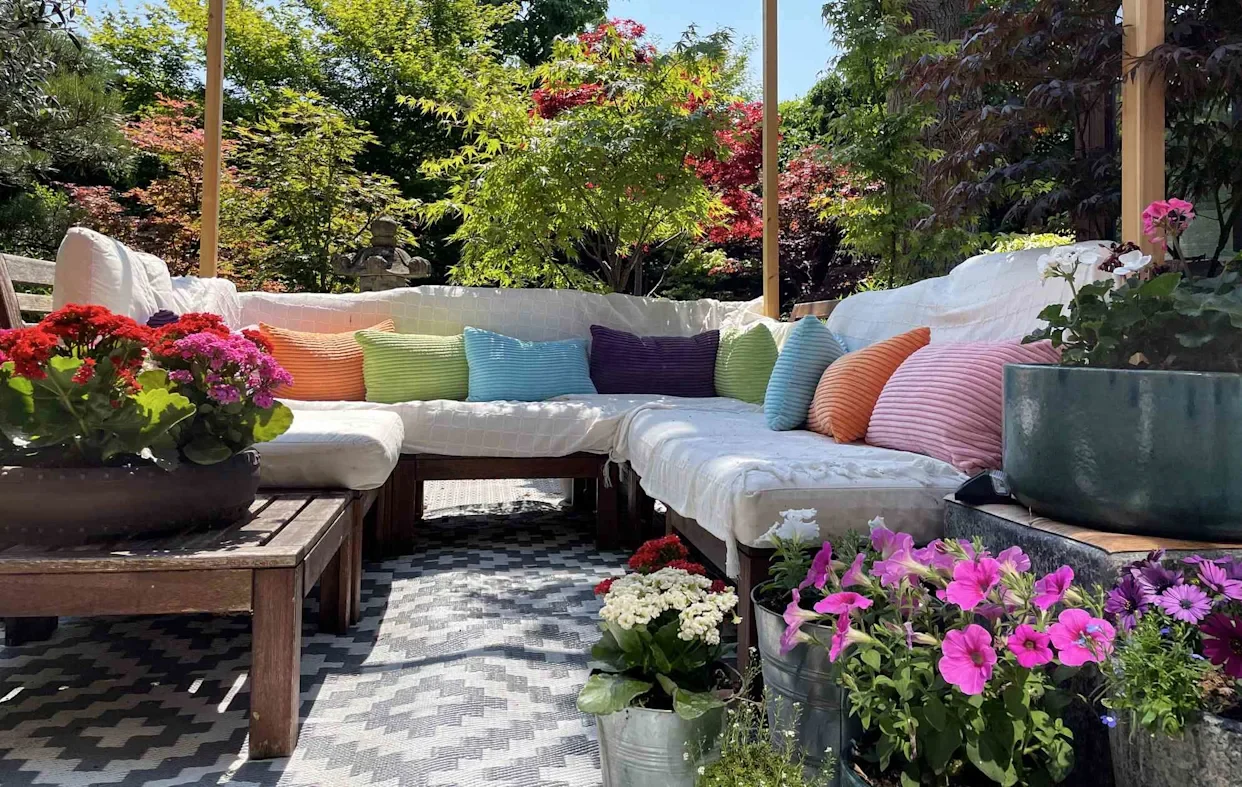
For years, all-white aesthetics dominated the world of luxury outdoor spaces. Inspired by Mediterranean minimalism and high-end resort culture, white surfaces became synonymous with sophistication, exclusivity, and contemporary design. However, a noticeable shift is now reshaping outdoor architecture and landscape design. Designers, architects, and luxury studios are increasingly moving away from monochromatic white environments in favor of warmer palettes, layered textures, and more immersive material compositions.
This evolution reflects broader changes in luxury culture. Outdoor environments are no longer designed simply to appear pristine in photographs; they are expected to feel comfortable, emotionally engaging, and deeply connected to nature. As a result, contemporary luxury outdoor spaces are becoming richer, softer, and more atmospheric.
The Rise of the All-White Outdoor Aesthetic
The popularity of all-white outdoor design emerged largely from coastal architecture and luxury hospitality. White walls, pale stone, and monochromatic furniture created a clean visual language associated with exclusivity and relaxation.
Minimalist villas across the Mediterranean, California, and tropical resorts embraced white because it reflected sunlight and amplified the sense of openness. Social media also accelerated this trend, turning all-white terraces and pool decks into global symbols of aspirational living.
However, while visually striking, these environments often lacked depth, texture, and long-term warmth.
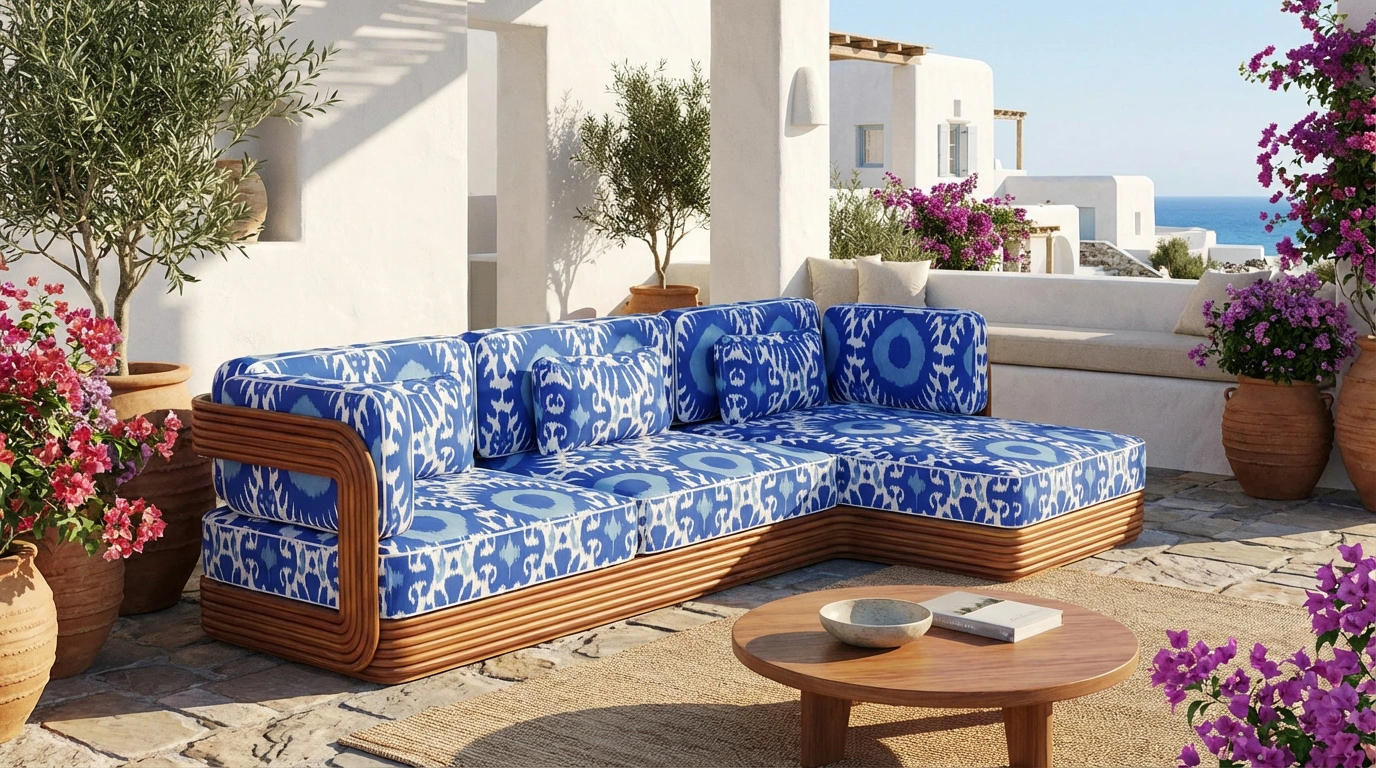
Why Designers Are Reconsidering the Trend
Today, many outdoor designers believe that overly white environments can feel sterile and emotionally distant. Luxury clients increasingly seek spaces that feel authentic, layered, and connected to the surrounding landscape.
Several factors are driving this shift:
- Greater appreciation for natural materials and textures
- Demand for more livable and relaxed outdoor environments
- Interest in timeless palettes over trend-driven aesthetics
- Increased focus on sensory and emotional experience
- Desire for spaces that age gracefully over time
These priorities encourage designers to move toward richer and more nuanced compositions.
The Return of Natural Materials
One of the strongest reactions against all-white luxury outdoor spaces is the renewed emphasis on natural materiality. Designers are introducing surfaces that add warmth, texture, and visual complexity to outdoor environments.
Travertine, limestone, teak, clay, and textured plaster now replace stark white finishes in many luxury projects. These materials interact more dynamically with sunlight, shadows, and surrounding vegetation.
Rather than creating perfectly uniform environments, contemporary outdoor design celebrates subtle imperfections and tonal variation. This approach produces spaces that feel more grounded and architecturally timeless.
Earth Tones and Mediterranean Influence
Mediterranean architecture continues to influence luxury outdoor spaces, but in a more evolved way than the all-white aesthetic of previous years. Designers are now drawing inspiration from natural coastal landscapes rather than purely minimalist imagery.
Popular contemporary tones include:
- Sand and limestone beige
- Terracotta and clay hues
- Warm gray stone textures
- Olive and muted green accents
- Soft taupe and earthy neutrals
These palettes create outdoor environments that feel calmer, warmer, and more integrated with nature.
Texture as a Design Element
Texture has become one of the defining features of contemporary luxury outdoor spaces. Instead of relying solely on color contrast, designers increasingly use tactile variation to create depth and atmosphere.
Textured plaster walls, brushed stone surfaces, woven outdoor fabrics, and raw wood finishes introduce sensory richness into outdoor environments. These elements interact beautifully with changing daylight conditions, creating subtle visual movement throughout the day.
For architects and landscape designers, texture allows minimalist spaces to feel emotionally engaging without becoming visually overwhelming.
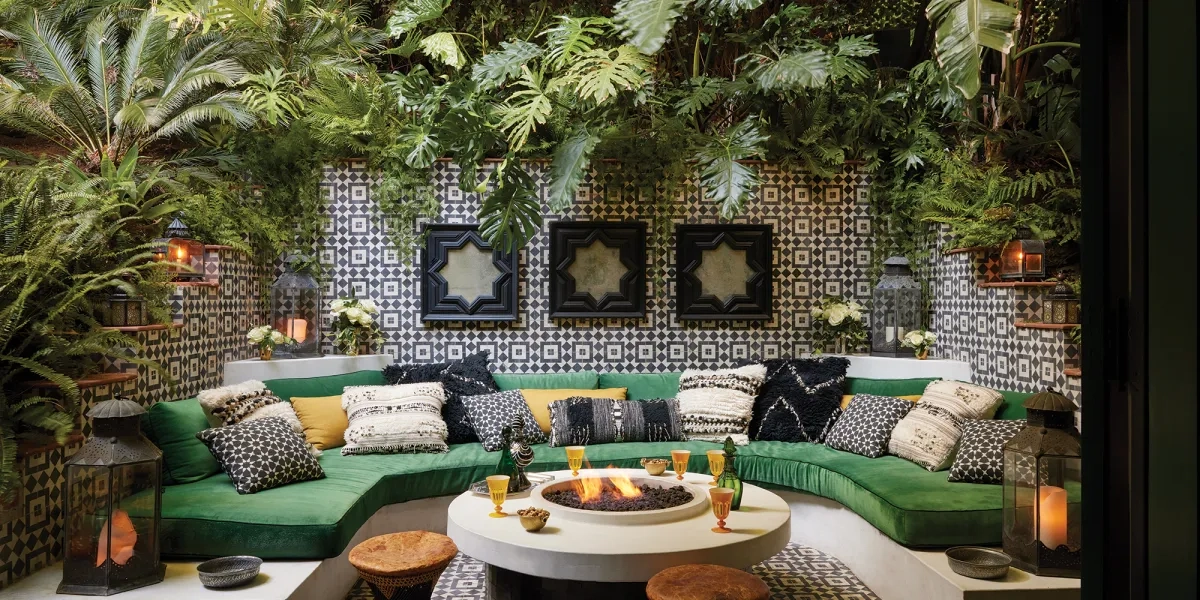
The Influence of Hospitality Design
Luxury hospitality has played a major role in shaping this transition away from all-white outdoor environments. Contemporary boutique hotels and resorts increasingly prioritize atmosphere and environmental integration over stark minimalism.
Notable hospitality design strategies include:
- Layered material palettes inspired by local landscapes
- Warm lighting enhancing evening ambiance
- Natural stone terraces replacing polished white surfaces
- Organic furniture arrangements encouraging relaxation
- Dense planting softening architectural geometry
These hospitality-driven approaches are now influencing high-end residential design worldwide.
Climate and Practical Performance
Practical considerations also contribute to the decline of all-white luxury outdoor spaces. White materials often require extensive maintenance, particularly in coastal and high-traffic environments.
Outdoor surfaces exposed to humidity, salt air, vegetation, and frequent use can quickly lose the pristine appearance that defines monochromatic white design. Designers are therefore selecting materials that weather more naturally and conceal aging more gracefully.
This shift reflects a growing preference for outdoor environments that evolve beautifully over time rather than demanding constant perfection.
Furniture Trends in Contemporary Outdoor Design
Outdoor furniture trends further reinforce the movement away from pure white aesthetics. While white upholstery remains popular in certain settings, designers increasingly favor warmer and more tactile combinations.
Current furniture directions include:
- Teak and natural wood structures
- Bouclé-inspired outdoor textiles
- Woven rope and handcrafted detailing
- Earth-toned cushions and upholstery
- Sculptural furniture with organic silhouettes
These choices create outdoor spaces that feel more inviting and residential rather than overly curated or formal.
Landscape Integration and Biophilic Design
Another reason designers are moving away from all-white environments is the growing influence of biophilic design. Contemporary luxury outdoor spaces increasingly aim to strengthen the relationship between architecture and nature.
Warm stone surfaces, textured materials, and earthy palettes integrate more naturally with planting and landscape architecture. Instead of competing visually with vegetation, these materials support a softer and more harmonious outdoor composition.
This relationship becomes especially important in Mediterranean, desert, and tropical climates where outdoor living is central to daily experience.
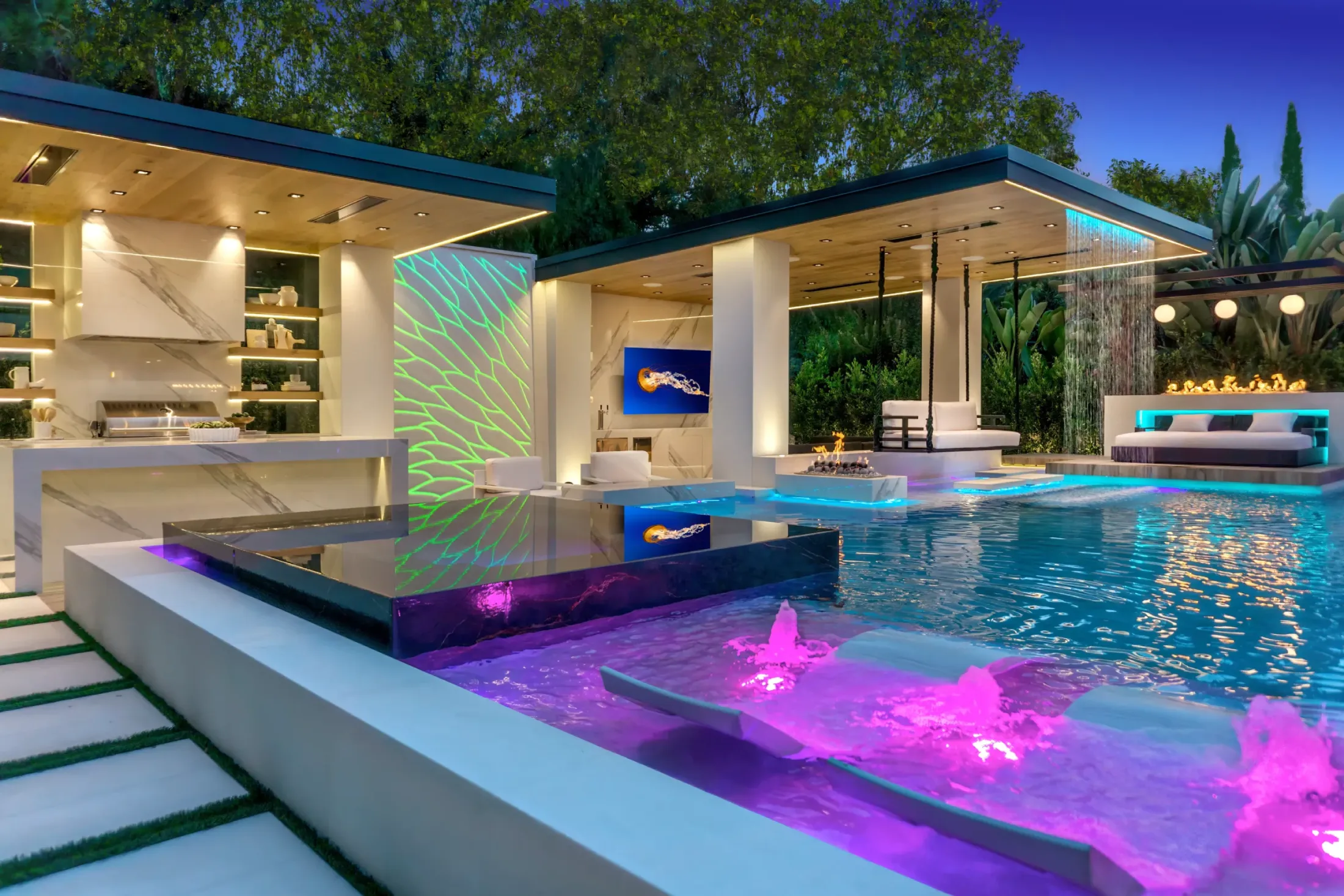
Lighting and Atmosphere Beyond Minimalism
Lighting design has also evolved alongside these changing material preferences. All-white environments often rely heavily on brightness and visual sharpness, whereas contemporary outdoor spaces prioritize atmosphere and depth.
Key lighting approaches now include:
- Warm indirect illumination enhancing material texture
- Layered ambient lighting creating intimacy
- Soft pathway lighting integrated into landscapes
- Candle-inspired tones supporting relaxed environments
- Accent lighting highlighting stone and vegetation
These strategies reinforce a more emotional and immersive outdoor experience.
Emotional Luxury and the Future of Outdoor Design
The movement away from all-white luxury outdoor spaces reflects a broader cultural shift toward emotional luxury. Clients increasingly value environments that feel calming, authentic, and connected to lifestyle rather than purely image-driven.
Contemporary luxury is becoming less about visual perfection and more about atmosphere, comfort, and sensory engagement. Designers are responding by creating spaces that embrace warmth, material honesty, and environmental harmony.
This transition does not eliminate minimalism entirely. Instead, it redefines minimalism through texture, depth, and natural variation rather than strict monochromatic palettes.
The Future of Luxury Outdoor Spaces
Future luxury outdoor spaces will likely continue moving toward richer and more balanced material compositions. Sustainability, craftsmanship, and climate responsiveness will become even more influential in shaping outdoor aesthetics.
Emerging trends include:
- Locally sourced natural materials
- Outdoor environments inspired by regional landscapes
- Integrated vegetation softening architecture
- More tactile and handcrafted design elements
- Flexible outdoor spaces supporting wellness and social living
These directions suggest a future where luxury outdoor design feels more immersive, human-centered, and timeless.
Conclusion
Designers are moving away from all-white luxury outdoor spaces because contemporary luxury increasingly values warmth, authenticity, and sensory richness over visual uniformity. Through natural materials, textured surfaces, and earth-toned palettes, outdoor environments are becoming more emotionally engaging and environmentally connected.
For outdoor designers, architects, and luxury studios, this evolution represents an important opportunity to rethink how outdoor living is experienced. The future of luxury outdoor spaces will not be defined by perfection alone, but by atmosphere, material depth, and the ability to create spaces that feel genuinely alive.