

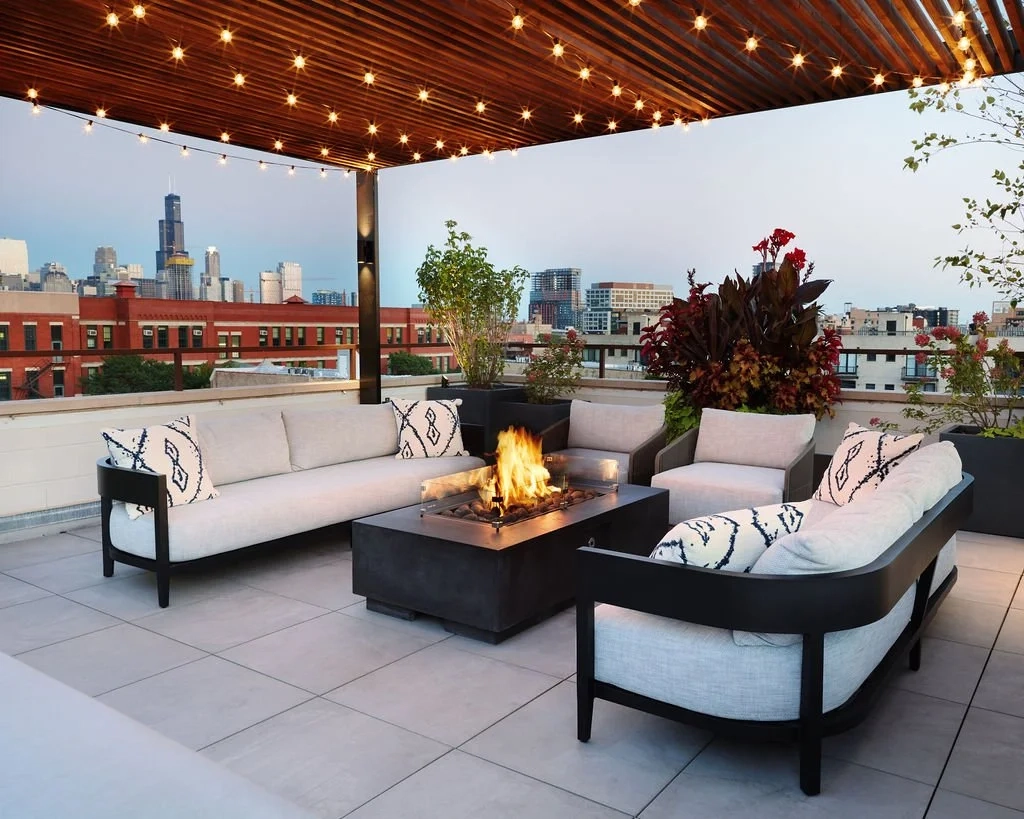
In contemporary cities, luxury rooftops have become some of the most influential spaces in modern architecture and outdoor living. As urban density increases and access to private outdoor environments becomes more limited, rooftops are being reimagined as elevated extensions of residential, hospitality, and mixed-use developments. These spaces now function as outdoor lounges, wellness retreats, dining areas, and social hubs that redefine how people experience city life.
For outdoor designers, architects, and luxury design studios, luxury rooftops present a unique design challenge. They require balancing panoramic openness with intimacy, climatic comfort, and sophisticated spatial planning. More importantly, they represent a shift in urban culture where outdoor living is no longer confined to suburban landscapes or coastal villas.
The Evolution of Urban Rooftop Design
Historically, rooftops were largely utilitarian spaces reserved for mechanical equipment and maintenance access. However, contemporary architecture has transformed them into valuable lifestyle environments that contribute directly to the identity of a building.
Today’s luxury rooftops are carefully integrated into the architectural concept from the earliest design stages. Developers increasingly recognize that elevated outdoor spaces enhance property value while responding to growing demand for wellness-oriented urban living.
This evolution reflects broader cultural changes. Residents and travelers now expect architecture to provide meaningful outdoor experiences even within dense metropolitan environments.
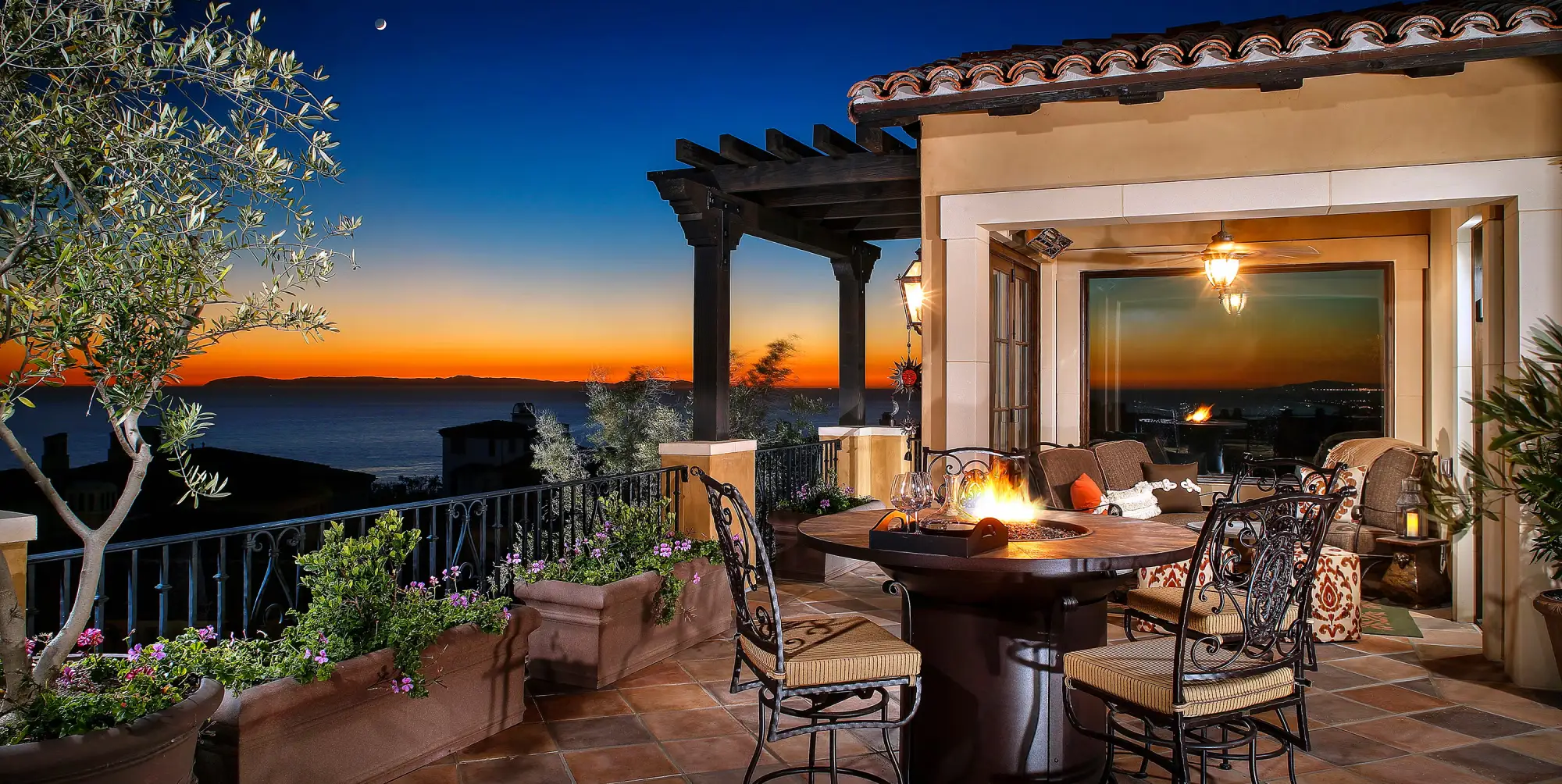
Why Luxury Rooftops Are Reshaping Cities
Luxury rooftops have become central to the reinvention of urban life because they create opportunities for openness, light, and social interaction above the intensity of the street level.
Key benefits include:
- Access to private outdoor living within dense cities
- Panoramic views that enhance spatial experience
- Increased natural light and ventilation
- Flexible environments for social and wellness activities
- Stronger connection between architecture and skyline
These qualities allow rooftops to function as elevated sanctuaries within highly urbanized contexts.
Rooftops as Outdoor Living Rooms
One of the most significant shifts in rooftop design is the move toward fully livable outdoor environments. Luxury rooftops are no longer decorative amenities; they are designed as complete extensions of interior architecture.
Contemporary rooftop spaces often include lounges, outdoor kitchens, dining zones, pools, and fire features arranged within cohesive spatial compositions. Furniture, lighting, and landscaping are selected with the same attention to detail found inside the building.
This integration creates environments where indoor and outdoor living coexist seamlessly despite the surrounding urban density.
The Influence of Hospitality Design
Luxury hospitality has strongly influenced rooftop architecture in residential and mixed-use projects. Boutique hotels and urban resorts have demonstrated how rooftops can become immersive destinations rather than secondary amenities.
Common hospitality-inspired rooftop features include:
- Infinity-edge pools overlooking city skylines
- Open-air cocktail lounges and dining terraces
- Layered seating arrangements for flexibility
- Wellness zones for yoga and relaxation
- Ambient lighting designed for nighttime atmosphere
These strategies are increasingly applied to private residences and luxury apartment developments.
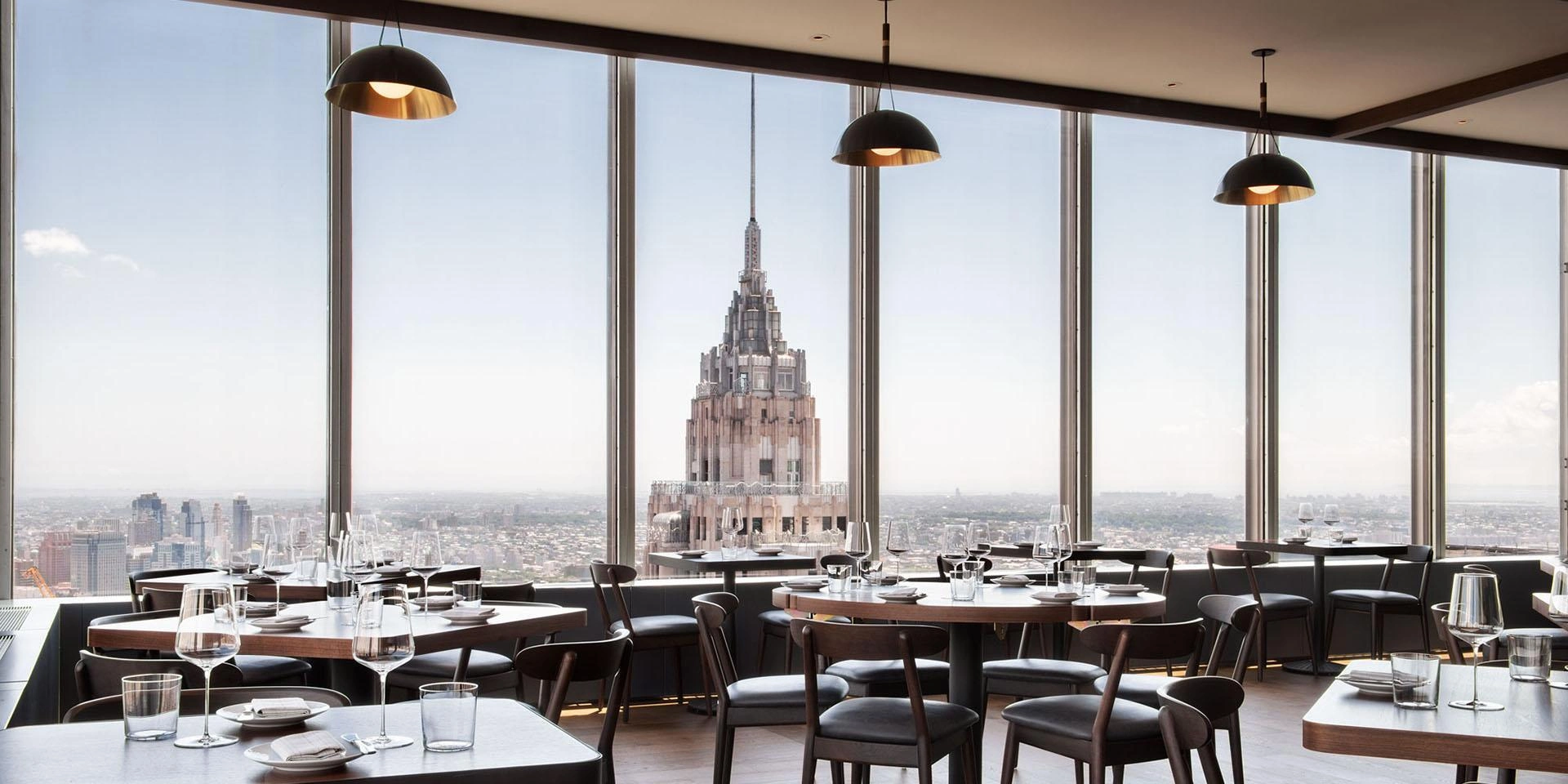
Materiality and Urban Sophistication
Material selection plays a critical role in defining the atmosphere of luxury rooftops. Designers must create environments that feel refined while performing effectively under challenging outdoor conditions.
Natural stone, porcelain, teak, and powder-coated metals are frequently used because they balance durability with visual elegance. Neutral palettes remain popular, although designers increasingly incorporate warmer textures and earthy tones to soften urban environments.
Importantly, materials are often selected to respond dynamically to changing light conditions, enhancing the rooftop experience from sunrise to evening.
Landscape Architecture Above the City
Landscape design has become essential to the success of luxury rooftops. Vegetation introduces softness, improves microclimates, and creates psychological distance from the surrounding cityscape.
Popular rooftop landscape strategies include:
- Native planting adapted to urban climates
- Olive trees and sculptural greenery for visual identity
- Layered planting beds enhancing privacy
- Vertical gardens softening architectural edges
- Grasses and textured vegetation creating movement
These elements transform rooftops into immersive environments where nature becomes part of urban daily life.
Wellness and the Elevated Lifestyle
Wellness has emerged as one of the defining themes in contemporary rooftop design. Urban residents increasingly seek spaces that support mental and physical well-being without leaving the city.
Luxury rooftops now frequently include meditation decks, outdoor fitness areas, spa-inspired lounges, and quiet gardens. These environments provide opportunities for calmness and restoration within dense metropolitan settings.
For architects and outdoor designers, this trend reinforces the growing importance of sensory design and emotional experience in urban architecture.
Climate Responsiveness in Rooftop Design
Because rooftops are highly exposed environments, climate-responsive planning is essential. Successful projects carefully address sun exposure, wind conditions, and thermal comfort.
Typical strategies include:
- Pergolas and retractable shade systems
- Wind screens integrated into architectural layouts
- Reflective materials reducing heat buildup
- Water features enhancing cooling effects
- Flexible seating arrangements adapting to seasonal conditions
These interventions ensure that luxury rooftops remain usable and comfortable throughout the year.
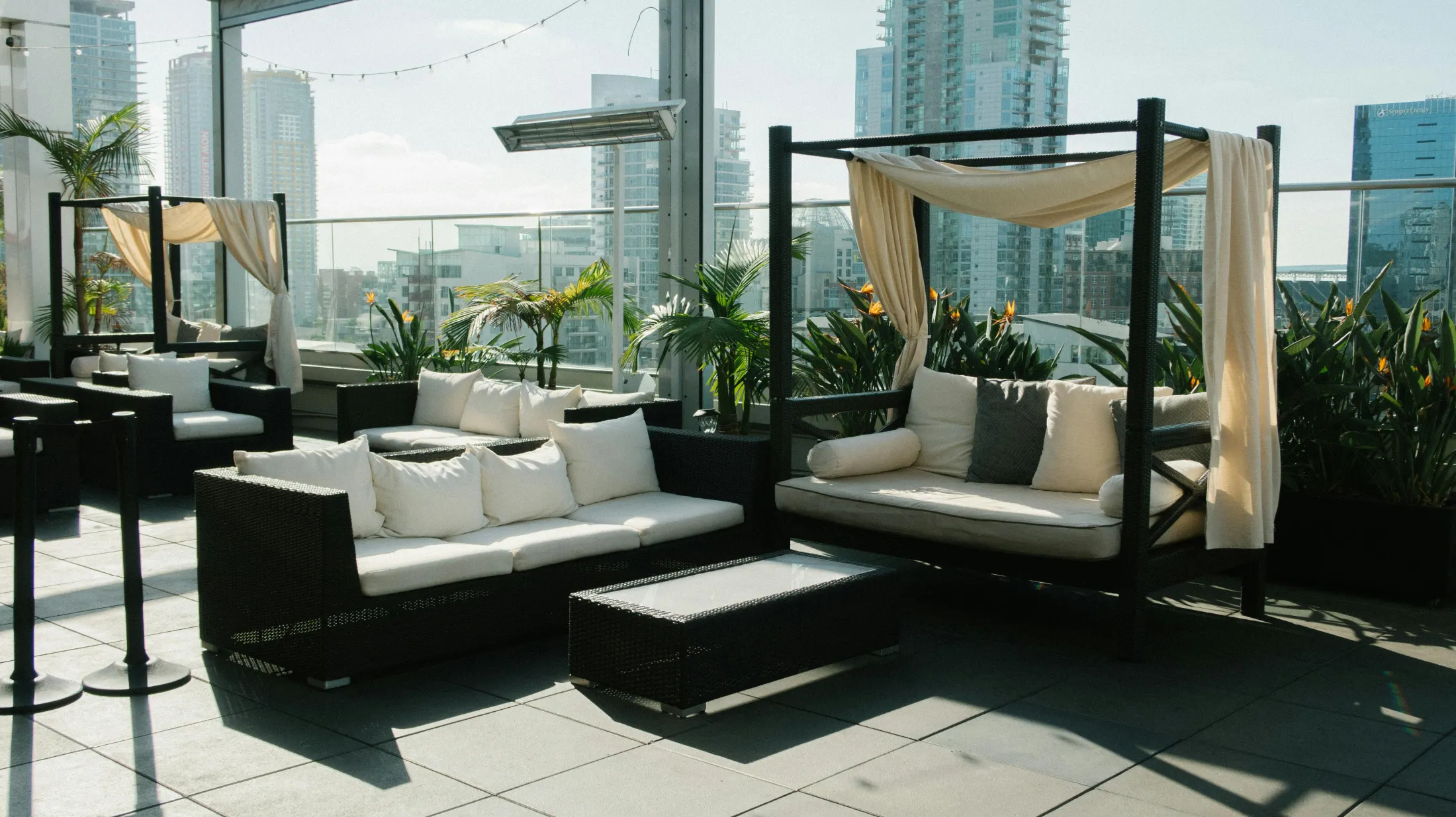
Rooftop Pools and Water Features
Pools have become iconic elements within luxury rooftops, particularly in hospitality and high-end residential developments. Positioned against city skylines, they create dramatic visual experiences while reinforcing the sense of escape.
Infinity-edge pools are especially popular because they visually merge with surrounding urban horizons. Reflecting pools and shallow water features are also frequently integrated to introduce movement and tranquility into rooftop environments.
These water elements contribute not only to aesthetics but also to thermal comfort and atmospheric quality.
Social Spaces and Urban Community
Luxury rooftops increasingly support social interaction and community within cities. Shared outdoor environments encourage residents and guests to gather, relax, and connect in ways that traditional urban infrastructure often lacks.
Design strategies commonly include:
- Flexible lounge areas for informal gatherings
- Outdoor dining spaces supporting communal experiences
- Fire pits creating evening focal points
- Multi-functional terraces adaptable for events
- Semi-private zones balancing openness and intimacy
This shift reflects how rooftop architecture now contributes directly to urban lifestyle and cultural identity.
Technology and Smart Outdoor Living
Technology is also influencing the future of luxury rooftops. Smart lighting, automated shading systems, integrated audio, and climate-control technologies allow outdoor spaces to adapt dynamically to different conditions and uses.
At the same time, designers remain focused on maintaining simplicity and visual restraint. Technology is integrated discreetly so that the rooftop experience feels effortless rather than overly engineered.
This balance between innovation and calmness is becoming increasingly important in high-end urban design.
Sustainability and Urban Ecology
Luxury rooftops also contribute to broader environmental goals within cities. Green roofs improve insulation, reduce heat island effects, and support biodiversity in dense urban districts.
Additional sustainability strategies include:
- Rainwater collection systems integrated into landscapes
- Solar shading reducing energy consumption
- Native vegetation minimizing irrigation needs
- Permeable surfaces supporting water management
- Passive cooling through planting and airflow
These features position rooftops as important components of sustainable urban architecture.
The Future of Luxury Rooftops
As cities continue to densify, luxury rooftops will play an even greater role in shaping the future of urban life. Outdoor environments will increasingly become essential rather than optional components of residential and hospitality architecture.
Future rooftop spaces are likely to emphasize wellness, flexibility, and environmental integration while maintaining a strong focus on experiential luxury. Designers will continue exploring how elevated outdoor living can improve both quality of life and urban sustainability.
For architects and luxury design studios, rooftops represent one of the most exciting frontiers in contemporary outdoor design.
Conclusion
Luxury rooftops are redefining urban living by transforming overlooked architectural surfaces into immersive outdoor environments. Through thoughtful spatial planning, landscape integration, and climate-responsive design, these elevated spaces create new opportunities for relaxation, wellness, and social interaction within dense cities.
For outdoor designers, architects, and luxury studios, the rise of luxury rooftops reflects a broader shift in how urban environments are experienced. The future of city living will increasingly depend on creating outdoor spaces that feel connected, restorative, and architecturally meaningful above the skyline.