


Along the luminous coastline of northeastern Brazil, the state of Bahia reveals a distinctive architectural language shaped by climate, culture, and landscape. The archetypal Bahia beach house is not defined by rigid boundaries between indoors and outdoors, but by a fluid relationship with sea breezes, filtered sunlight, and lush tropical vegetation. In this environment, outdoor living is not an occasional pleasure—it is a daily rhythm.
Across Bahia’s coastal villages—from Trancoso to Itacaré—architects and designers interpret Brazilian coastal architecture through structures that emphasize shade, natural materials, and open-air social spaces. Hammocks sway beneath timber pergolas, oversized daybeds invite afternoon repose, and verandas stretch toward the Atlantic. These environments celebrate tropical outdoor seating as a central design element, blending comfort, craftsmanship, and climate intelligence.
For architects, landscape designers, and luxury property developers, Bahia offers a compelling model of how architecture can harmonize with the tropics. Its coastal homes reveal how thoughtful spatial planning and carefully curated outdoor furniture transform terraces, decks, and gardens into immersive living spaces.
The Architectural Essence of a Bahia Beach House
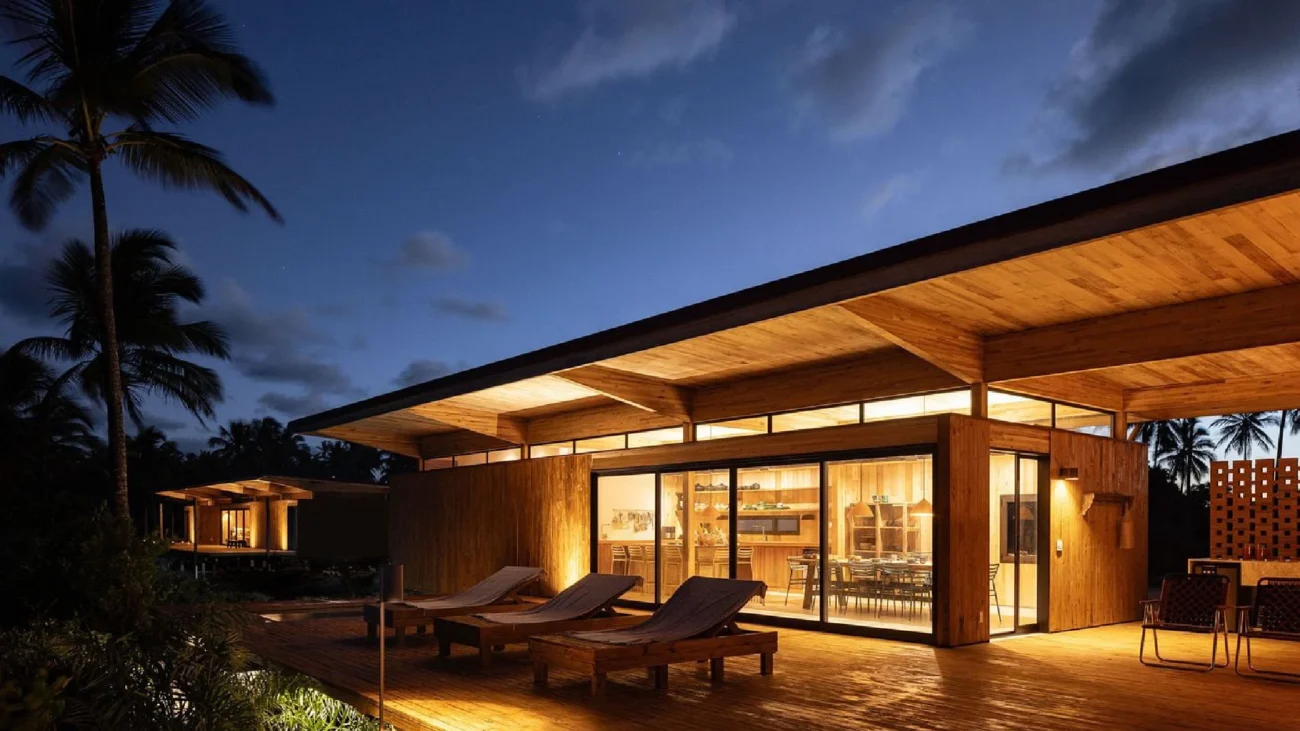
A traditional Bahia beach house is conceived as a pavilion within nature rather than a fortress against it. Wide eaves, permeable facades, and expansive verandas ensure that interiors remain cool while maintaining visual continuity with the surrounding landscape.
In the broader tradition of Brazilian coastal architecture, structures are designed to capture prevailing winds from the Atlantic while shielding inhabitants from the intensity of equatorial sun. Walls frequently slide open, dissolving the distinction between interior living rooms and outdoor lounges.
Several architectural principles define these residences:
- Deep verandas and covered terraces that extend living spaces outward.
- Natural ventilation strategies that reduce reliance on mechanical cooling.
- Timber structures and local stone that blend with tropical vegetation.
- Flexible outdoor seating areas designed for social gatherings or quiet retreat.
In this context, tropical outdoor seating becomes not simply decorative but spatially essential. The veranda sofa, the shaded daybed, and the iconic hammock define how inhabitants inhabit their homes.
The Cultural Poetry of Hammocks
No symbol is more closely associated with the Bahia beach house than the hammock. Suspended between wooden columns or palm trees, it represents a tradition that predates colonial Brazil, originating with Indigenous communities who crafted woven resting beds from natural fibers.
Within contemporary Brazilian coastal architecture, hammocks continue to occupy a privileged place in both private and communal spaces. Their adaptability allows them to function as seating, resting platforms, or contemplative retreats.
Architects frequently incorporate dedicated hammock zones into veranda design, ensuring adequate structural anchoring and optimal airflow. Positioned strategically, hammocks create subtle movement within otherwise static spaces, bringing a sense of calm animation to terraces and decks.
Designers often select hammocks in natural cotton or artisanal weaving patterns, reinforcing the tactile authenticity of tropical outdoor seating. The gentle sway beneath filtered shade perfectly encapsulates Bahia’s unhurried coastal lifestyle.
Daybeds: The Luxury of Slow Living
Alongside hammocks, the oversized daybed has become an essential feature of the contemporary Bahia beach house. Positioned on shaded decks, beside infinity pools, or beneath pergolas, daybeds encourage extended moments of rest and sociability.
Within the vocabulary of Brazilian coastal architecture, daybeds often serve as transitional elements between architecture and landscape. Their generous proportions accommodate multiple users, making them ideal for relaxed gatherings after a swim or leisurely afternoons spent reading.
Design considerations for daybeds typically include:
- Durable hardwood frames such as teak or cumaru.
- Weather-resistant upholstery suited to humid climates.
- Adjustable canopy systems or textile drapes.
- Placement beneath pergolas or tree shade.
These elements contribute to a sophisticated form of tropical outdoor seating that combines luxury with climatic practicality. The daybed becomes both a visual focal point and a sanctuary of comfort.
Tropical Shade as Architectural Strategy
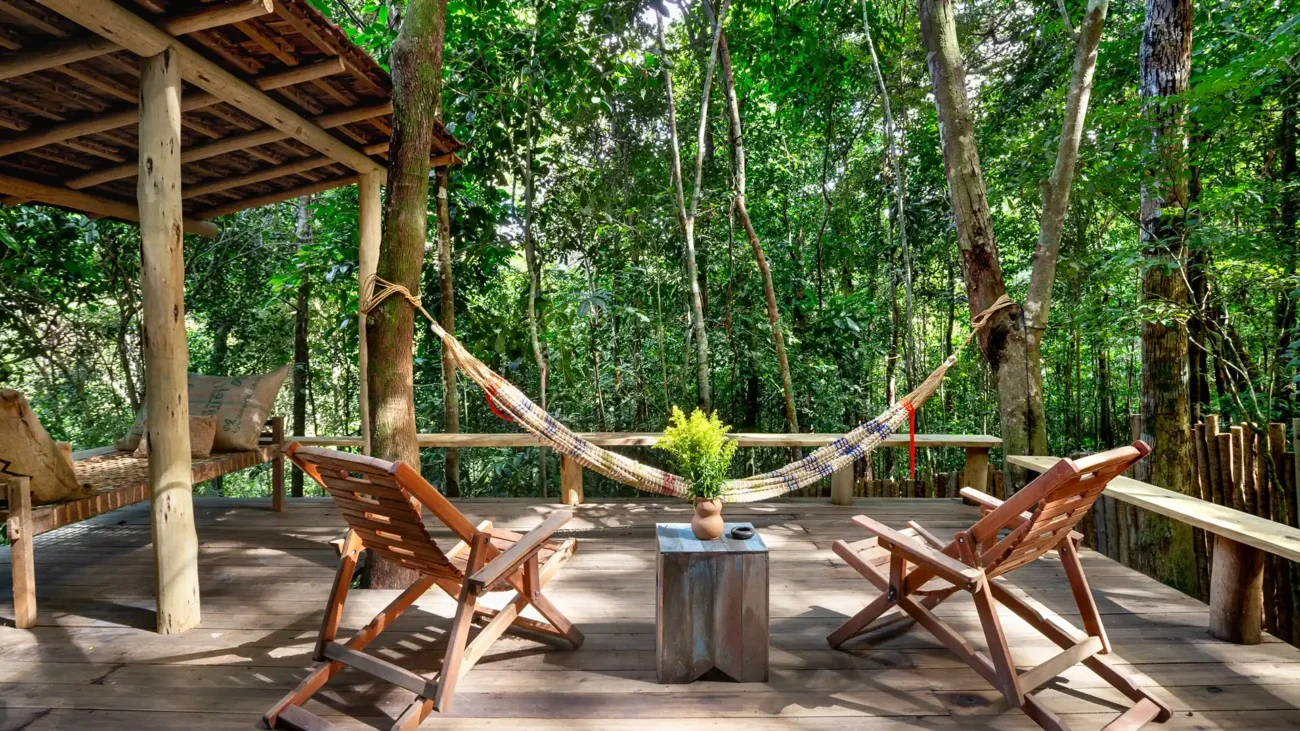
The intense sunlight of Bahia demands thoughtful shade strategies. In a well-designed Bahia beach house, shading systems are not secondary accessories but integral architectural features.
Architects working within the tradition of Brazilian coastal architecture frequently employ layered shading techniques that combine built structures with vegetation. This approach creates dynamic microclimates across terraces and gardens.
Architectural Shade Elements
- Timber pergolas with climbing bougainvillea.
- Extended roof overhangs.
- Bamboo screens or slatted wooden panels.
- Retractable canvas awnings.
Such systems provide the ideal environment for tropical outdoor seating, ensuring that lounges, hammocks, and dining areas remain usable throughout the day.
In Bahia’s coastal villages, shade also plays an aesthetic role, producing shifting patterns of light across wooden decks and stone floors. This atmospheric interplay reinforces the connection between architecture and landscape.
Materials that Reflect the Landscape
Material selection is fundamental to the identity of a Bahia beach house. Local hardwoods, natural fibers, and regional stone create a palette that resonates with the surrounding environment.
Within Brazilian coastal architecture, materials are often left in their natural state, allowing texture and patina to develop over time. This philosophy embraces imperfection and celebrates the effects of sun, salt air, and tropical humidity.
Common materials used in tropical outdoor seating include:
- Teak and cumaru wood for structural frames.
- Handwoven rope and cotton textiles.
- Stone or polished concrete bases.
- Lightweight aluminum frames for contemporary pieces.
These materials ensure durability while maintaining visual harmony with Bahia’s coastal landscape.
Designing Outdoor Living Rooms
Perhaps the most defining characteristic of a Bahia beach house is the outdoor living room—a carefully curated arrangement of seating, tables, and shade structures that extends daily life into the open air.
In exemplary Brazilian coastal architecture, these outdoor spaces are conceived with the same attention to proportion, circulation, and visual balance as interior rooms.
Key elements often include:
- Low-profile sofas arranged around central tables.
- Hammocks positioned between structural columns.
- Daybeds facing the ocean horizon.
- Large planters with tropical foliage.
When combined, these elements form a layered environment of tropical outdoor seating that encourages conversation, relaxation, and contemplation of the surrounding landscape.
Bahia’s Influence on Global Coastal Design
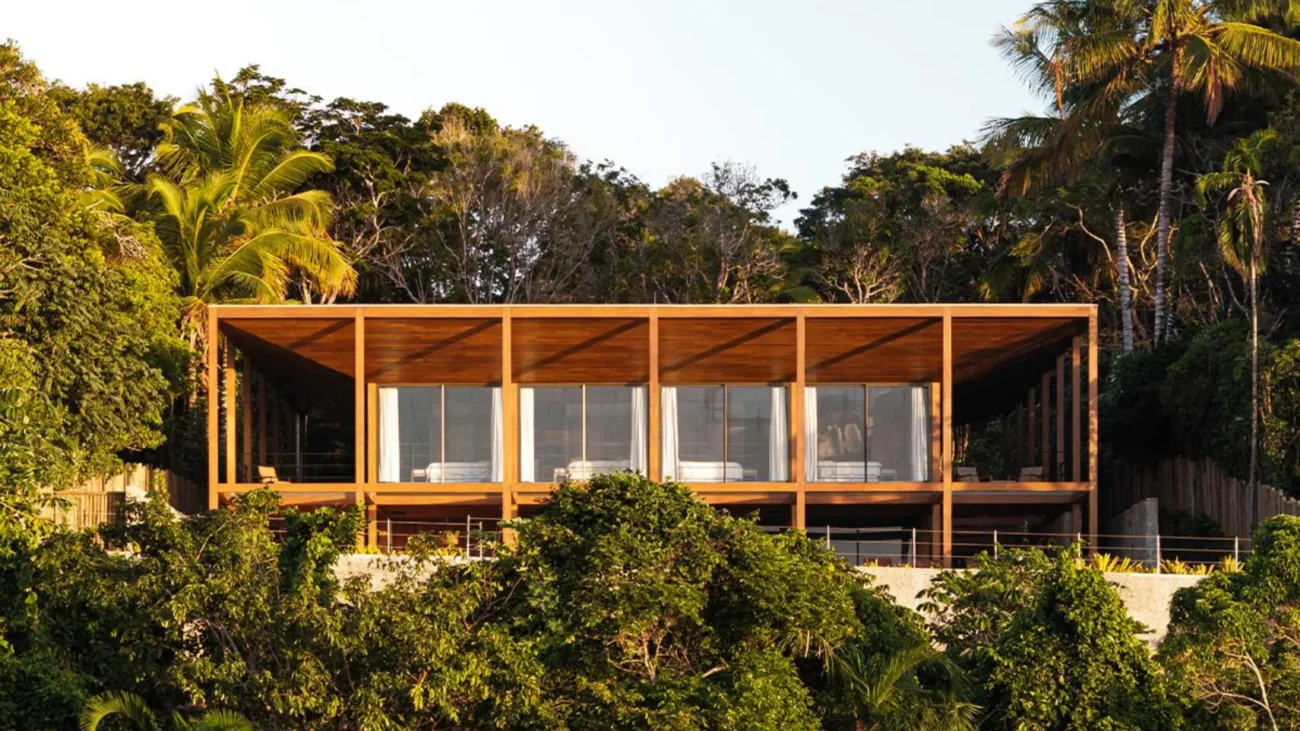
Over the past two decades, the design principles embodied by the Bahia beach house have inspired architects and developers around the world. From the Caribbean to Southeast Asia, the relaxed sophistication of Brazilian coastal architecture has influenced contemporary interpretations of tropical living.
Design professionals frequently reference Bahia when exploring strategies for integrating architecture with nature. As noted by the international architecture platform
ArchDaily, Brazilian architects have long demonstrated how climatic responsiveness can produce spaces that are both environmentally intelligent and visually compelling.
The emphasis on shaded verandas, natural ventilation, and thoughtfully composed tropical outdoor seating continues to shape luxury residential design across global coastal destinations.
The Sensory Experience of Bahia Living
Ultimately, the enduring appeal of the Bahia beach house lies in the sensory richness it offers. The rustle of palm leaves, the scent of salt carried by ocean breezes, and the soft movement of hammocks create an atmosphere that cannot be replicated indoors.
Within this environment, Brazilian coastal architecture becomes more than a stylistic category—it becomes a philosophy of living that prioritizes comfort, openness, and connection to nature.
Carefully composed tropical outdoor seating arrangements invite residents and guests to slow down, embrace the rhythms of the coast, and experience architecture as a framework for relaxation rather than enclosure.
A Model for Tropical Coastal Design
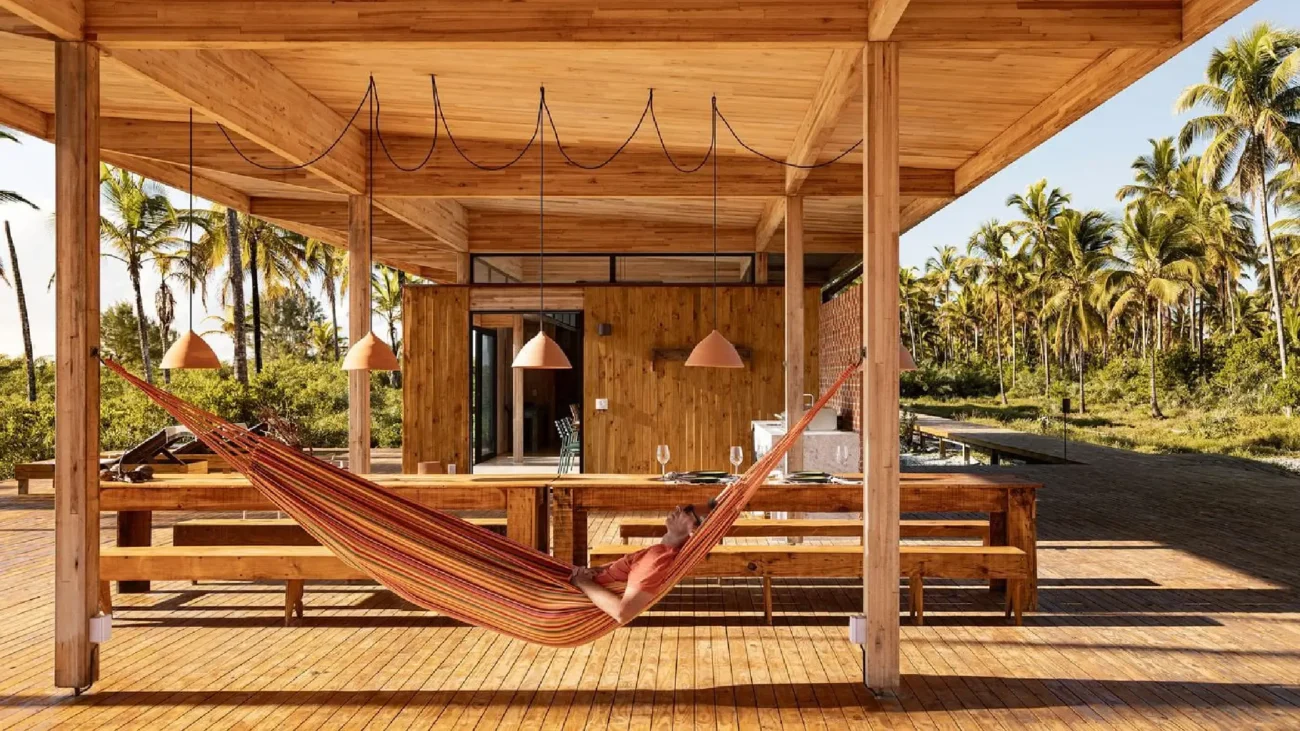
For architects, designers, and luxury homeowners seeking inspiration for warm-climate residences, the Bahia beach house offers a powerful example of how architecture can respond gracefully to its environment.
Through its emphasis on shade, natural materials, and immersive outdoor living, Brazilian coastal architecture demonstrates that comfort and sustainability are not opposing ideals. Instead, they converge in spaces that celebrate climate, landscape, and human connection.
In these environments, hammocks, daybeds, and shaded terraces form a refined ecosystem of tropical outdoor seating. They transform architecture into an invitation—to rest, gather, and experience the timeless pleasures of life by the sea.