

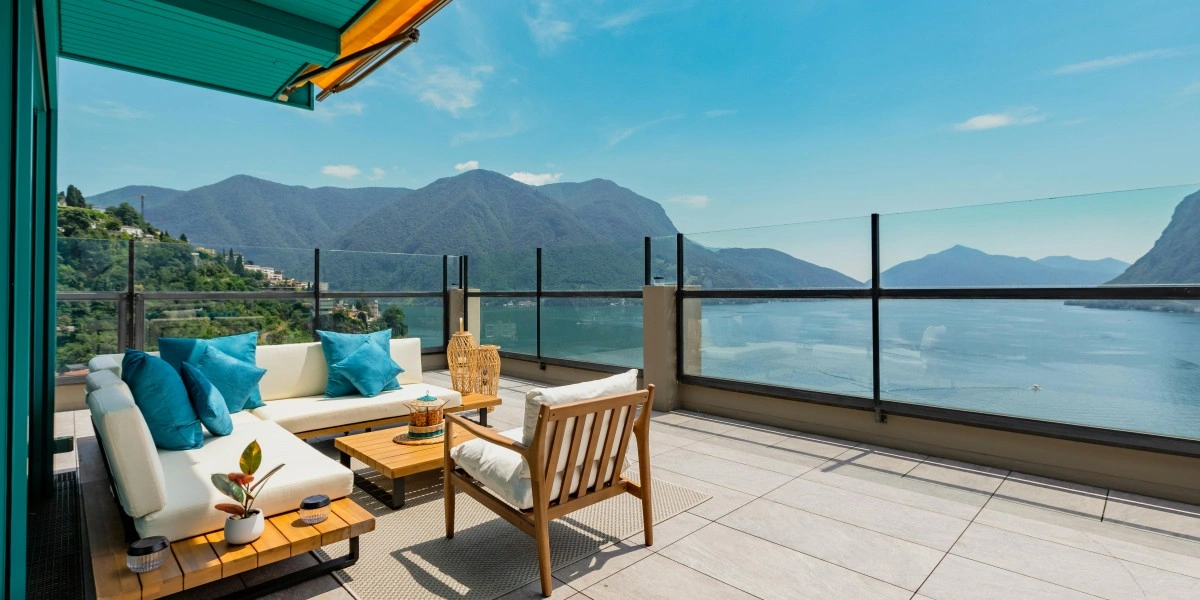
Outdoor living has evolved into a refined extension of interior design—particularly in coastal cities and global urban centers where terraces, rooftops, and garden lounges serve as essential spaces for leisure and social connection. Yet these environments present unique challenges for the longevity and appearance of outdoor textiles. Salt-laden air, high humidity, intense UV exposure, pollution, and temperature fluctuations all place considerable stress on cushions and fabrics.
For architects, designers, and discerning homeowners, understanding outdoor fabric maintenance is no longer a secondary consideration—it is integral to preserving design integrity and long-term value. This guide offers a comprehensive, design-led approach to caring for weather-resistant outdoor fabrics, with particular attention to the demands of coastal outdoor furniture and sophisticated urban settings.
Understanding Environmental Stressors in Coastal and Urban Settings
Coastal Conditions: Salt, Sun, and Humidity
Coastal environments are defined by their beauty—but also by their aggressiveness toward materials. Salt particles carried by sea air penetrate fabric fibers, accelerating corrosion, fading, and degradation. High humidity encourages mildew growth, while intense sunlight challenges even the most advanced UV-stabilized textiles.
In these locations, outdoor cushions are exposed year-round, making informed material selection and disciplined care routines essential for maintaining both performance and aesthetics.
Urban Environments: Pollution and Microclimates
Urban outdoor spaces face a different, yet equally complex, set of challenges. Airborne pollutants, fine dust, soot, and acid rain can embed themselves in fabric weaves, dulling color and weakening fibers over time. Rooftop terraces and balconies often experience extreme heat reflection from glass and concrete, creating microclimates that intensify wear.
Effective outdoor fabric maintenance in cities requires regular attention and preventive strategies designed for these conditions.
The Science Behind Weather-Resistant Outdoor Fabrics
Advanced Fiber Technologies
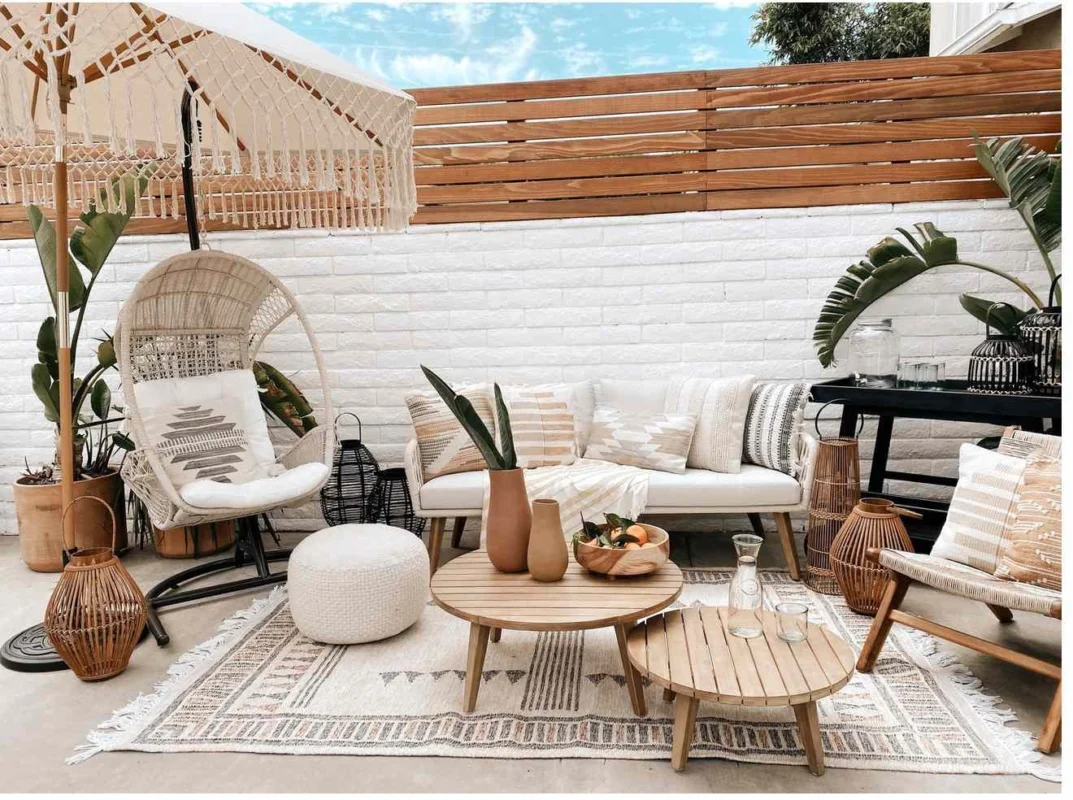
Today’s premium outdoor textiles are engineered to withstand environmental stress without sacrificing tactile comfort or visual refinement. Solution-dyed acrylics, high-performance polyolefins, and advanced polyester blends dominate the market due to their colorfastness and resistance to moisture and UV radiation.
Unlike surface-dyed materials, solution-dyed fibers incorporate pigment at the molecular level, significantly reducing fading and making them ideal for coastal outdoor furniture.
Key Performance Characteristics to Look For
- UV resistance to prevent color degradation
- Moisture repellency for faster drying and mold prevention
- Breathability to reduce condensation in humid climates
- Durability under frequent use and cleaning
Fabric Finishes and Protective Treatments
Many high-end outdoor fabrics are treated with fluorocarbon-free water repellents and antimicrobial finishes. While these treatments enhance performance, they are not permanent. Over time, exposure and cleaning will diminish their effectiveness—making re-treatment an essential part of long-term care.
Daily and Weekly Care: Preventive Maintenance as Design Discipline
Routine Cleaning Practices
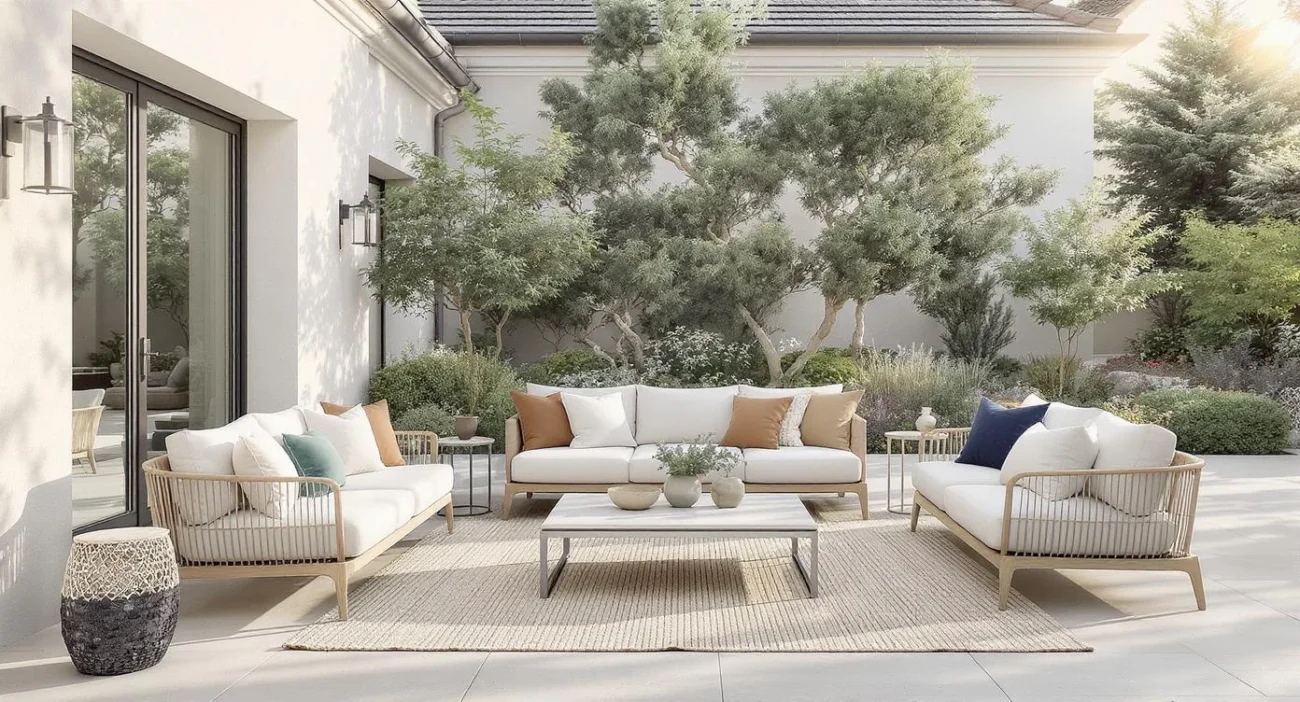
Preventive care is the most effective strategy for extending the life of outdoor cushions. Regular, light maintenance prevents dirt and salt from becoming embedded in the fabric.
Best Practices for Routine Care
- Shake or brush off loose debris weekly
- Rinse cushions with fresh water to remove salt residue in coastal areas
- Spot-clean spills immediately with a mild soap solution
- Allow cushions to air dry fully before reuse
These habits not only preserve fabric integrity but also maintain the visual clarity essential to high-end outdoor design.
The Role of Cushion Positioning
Designers often overlook how placement affects wear. Rotating cushions periodically ensures even exposure to sun and environmental elements. In urban settings, positioning seating away from direct pollution sources—such as busy roads—can significantly reduce soiling.
Seasonal Deep Cleaning and Restoration
When and How to Deep Clean Outdoor Cushions
At least twice a year—ideally at the beginning and end of peak outdoor seasons—outdoor cushions should undergo a more thorough cleaning. This process removes accumulated grime that routine care cannot address.
Step-by-Step Deep Cleaning Process
- Remove cushion covers if the manufacturer permits
- Use lukewarm water and a gentle, non-detergent soap
- Softly brush with a fabric-safe brush
- Rinse thoroughly to avoid soap residue
- Air dry in a shaded, well-ventilated area
Avoid pressure washers and harsh chemicals, which can compromise the fabric’s protective coatings.
Mold and Mildew: A Coastal Reality
Even the most advanced weather-resistant outdoor fabrics can develop mildew if exposed to prolonged dampness. Mold feeds on organic matter trapped in fabrics—not the fibers themselves—making cleanliness the first line of defense.
According to textile care guidelines published by the Sunbrella Fabric Care Guide, prompt cleaning and proper drying are essential to preventing long-term staining and odor.
Protective Accessories and Storage Strategies
The Value of High-Quality Furniture Covers
Protective covers are often perceived as optional, yet they play a critical role in preserving outdoor textiles—particularly in coastal and urban environments. Breathable, UV-stabilized covers shield cushions from direct exposure while allowing moisture to escape.
Choosing the Right Cover
- Opt for breathable, water-resistant materials
- Avoid airtight plastics that trap humidity
- Ensure tailored fit to prevent abrasion
Seasonal Storage Considerations
In regions with pronounced seasonal changes, storing cushions during off-peak months is highly recommended. Cushions should be cleaned, completely dried, and stored in a cool, dry environment. For urban residences with limited storage, ventilated storage benches offer a practical and design-conscious solution.
Design Integrity and Longevity: A Professional Perspective
Why Maintenance Is a Design Decision
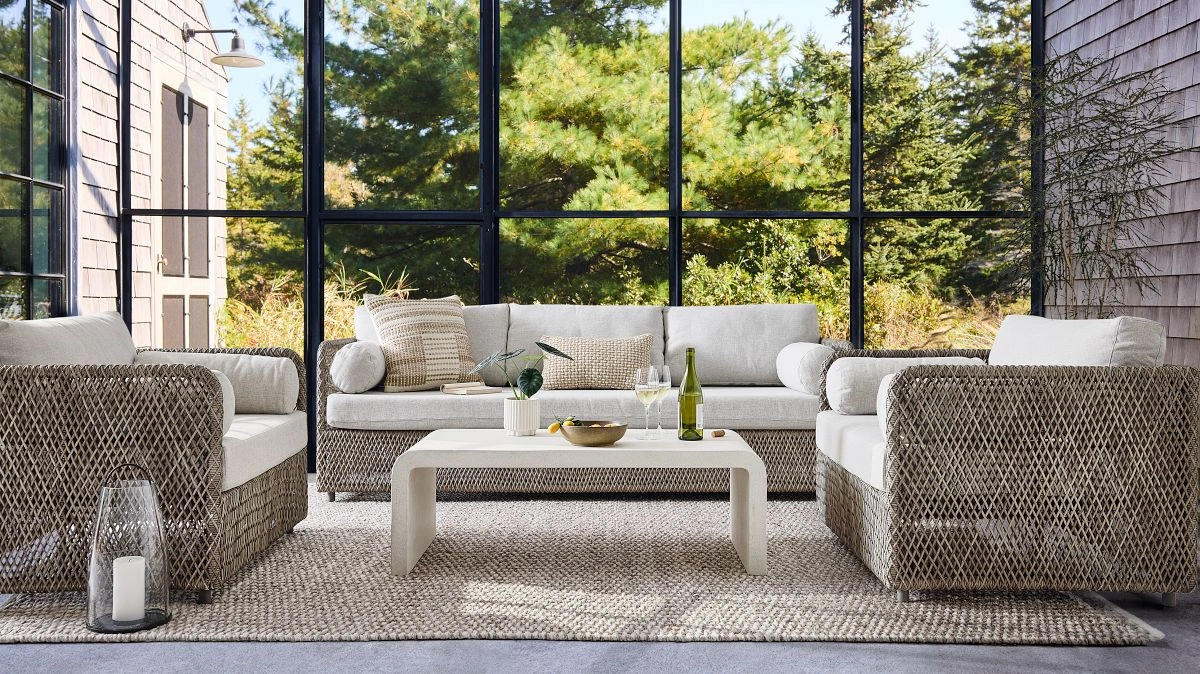
For professionals specifying coastal outdoor furniture or urban terrace installations, maintenance considerations should be integrated at the concept stage. Fabric selection, color palettes, and cushion construction all influence how gracefully a space will age.
Neutral tones often show less fading, while textured weaves can disguise minor wear—strategic choices that support longevity without compromising aesthetic ambition.
Educating Clients and End Users
An informed client is a satisfied client. Providing clear guidance on outdoor fabric maintenance empowers owners to preserve their investment and ensures the designer’s vision endures over time. Simple care manuals or seasonal reminders can significantly extend the life cycle of outdoor furnishings.
Sustainability and Responsible Care
Extending Product Life as a Sustainable Practice
Longevity is inherently sustainable. By maintaining outdoor cushions properly, owners reduce the need for premature replacement, conserving resources and minimizing waste. Many contemporary weather-resistant outdoor fabrics are now recyclable or produced using low-impact processes—making care and durability central to responsible design.
Eco-Conscious Cleaning Choices
Whenever possible, opt for biodegradable, phosphate-free cleaning solutions. These products protect both the fabric and the surrounding environment—particularly important in coastal areas where runoff can impact marine ecosystems.
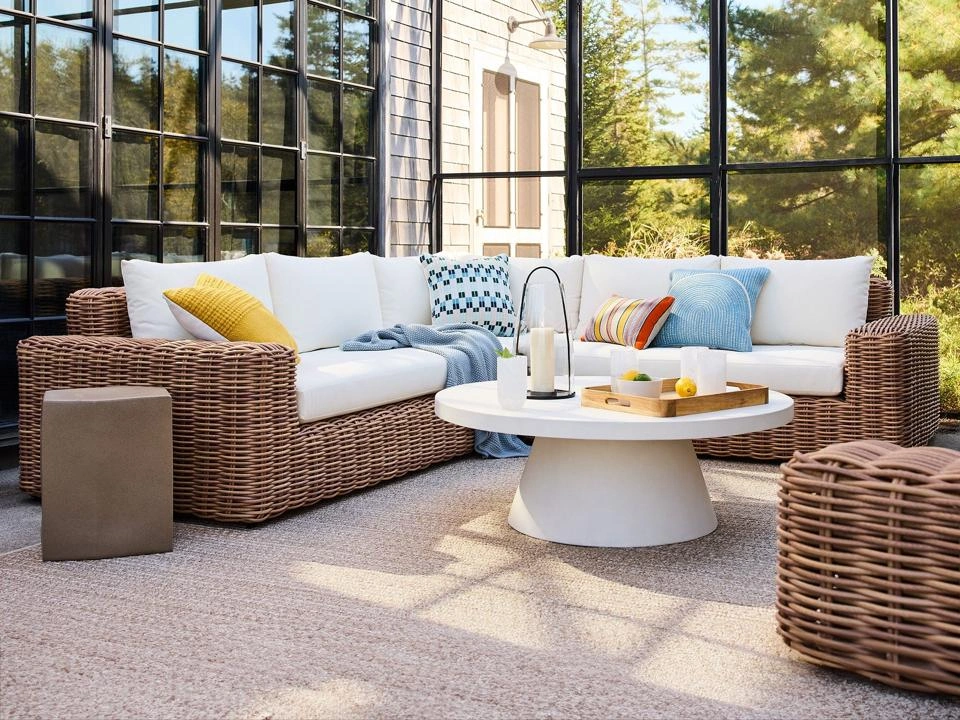
Preserving Outdoor Elegance Over Time
Caring for outdoor cushions and fabrics is both a practical necessity and a reflection of design intelligence. In coastal and urban environments, where nature and city life exert constant pressure on materials, thoughtful maintenance ensures that outdoor spaces remain inviting, refined, and enduring.
By understanding environmental challenges, selecting high-performance textiles, and adopting disciplined care routines, professionals and homeowners alike can protect the beauty and functionality of their outdoor settings. Ultimately, exemplary outdoor fabric maintenance is not about preservation alone—it is about sustaining a lifestyle where design, comfort, and environment exist in harmonious balance.