

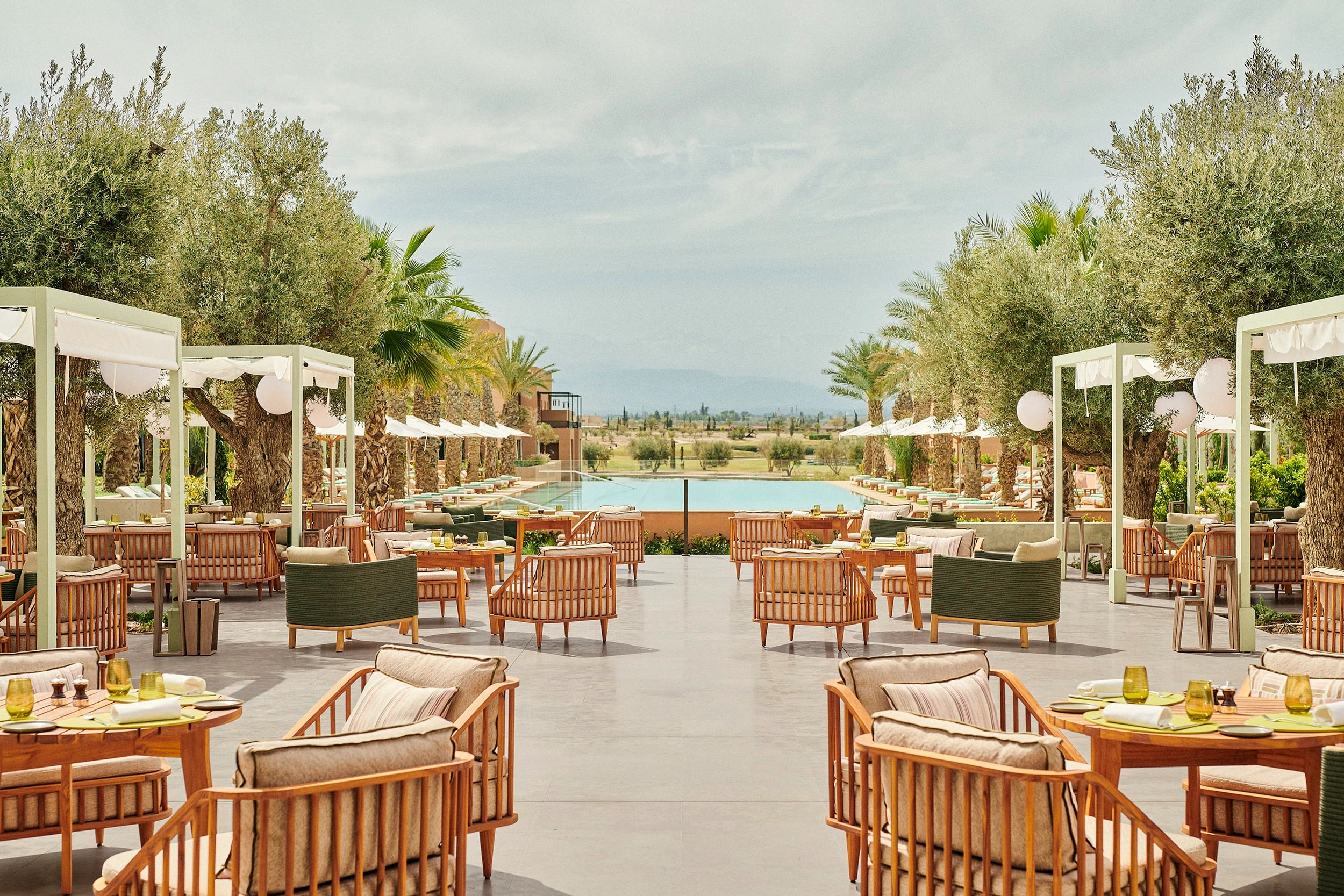
Across the globe, a select group of cities has transformed outdoor space from an afterthought into a defining element of urban identity. In these places, outdoor living design is not confined to private terraces or seasonal indulgence; it is embedded in architecture, planning, and daily ritual. Streets double as social rooms, rooftops become extensions of the home, and public squares function as cultural salons. For architects, designers, and discerning homeowners alike, these are the cities with outdoor lifestyle DNA—places where climate, culture, and design converge to elevate urban outdoor living into an art form.
As cities densify and lifestyles become increasingly hybrid, the quality of outdoor space has emerged as a global benchmark for liveability. This article explores the cities that do outdoor living right, examining how thoughtful planning, climate responsiveness, and cultural values shape exemplary models of urban outdoor living.
Why Outdoor Living Design Defines the Best Cities
At its most sophisticated, outdoor living design is a dialogue between the built environment and human behaviour. It reflects how people gather, rest, dine, and move through the city. In leading global capitals, outdoor spaces are not residual areas but intentional design elements—carefully proportioned, materially refined, and socially inclusive.
Several common principles unite the world’s most successful cities with outdoor lifestyle appeal:
- Climate intelligence, using shade, airflow, and materials suited to local conditions.
- Seamless indoor–outdoor transitions in residential and hospitality architecture.
- High-quality public realm that invites lingering rather than mere circulation.
- Cultural acceptance of outdoor life as part of everyday urban routine.
These principles are increasingly supported by urban research. According to UN-Habitat, access to well-designed public and semi-private outdoor spaces directly influences wellbeing, social cohesion, and economic vitality—key indicators for future-ready cities.
Barcelona: The Mediterranean Blueprint
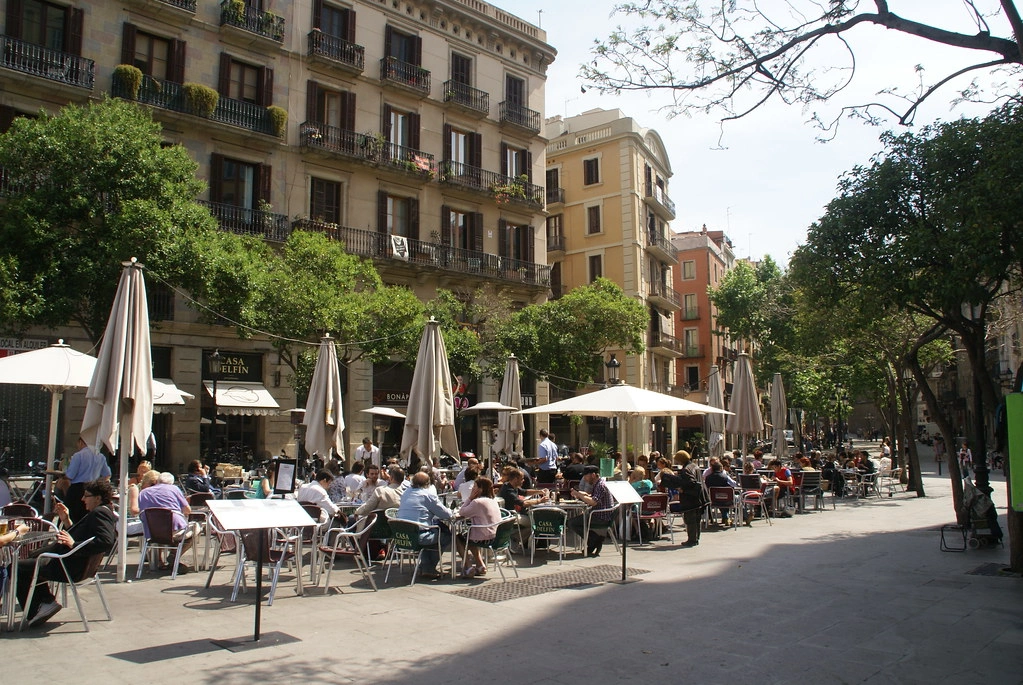
Barcelona has long served as a reference point for outdoor living design in dense urban contexts. Its Mediterranean climate is an obvious advantage, but the city’s true mastery lies in how it choreographs public life outdoors. From the Eixample’s interior courtyards to the revitalised beachfront, Barcelona treats open space as a shared civic asset.
The city’s plazas function as open-air living rooms, accommodating cafés, children’s play, informal meetings, and evening promenades. Residential architecture frequently prioritises balconies, terraces, and rooftop solariums, reinforcing a lifestyle where indoor and outdoor living are inseparable. For professionals studying cities with outdoor lifestyle success, Barcelona remains a foundational case study.
Copenhagen: Outdoor Living as Social Infrastructure
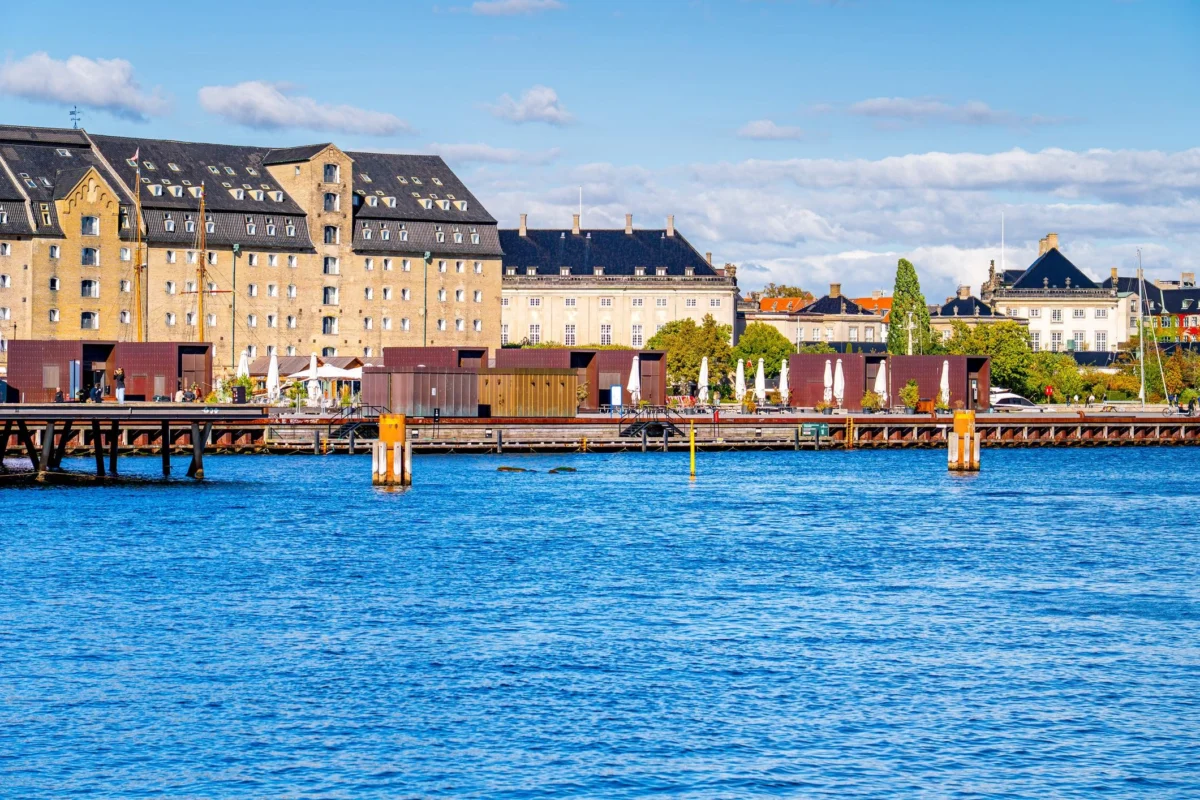
In a climate far less forgiving, Copenhagen demonstrates that outdoor living is as much cultural as it is meteorological. Here, urban outdoor living thrives through design that supports year-round use—wind-protected seating, integrated lighting, and human-scaled public spaces.
Harbour baths, bicycle-centric streets, and carefully curated waterfront promenades reflect a design ethos that values collective outdoor experience. Outdoor living design in Copenhagen is understated yet rigorous, prioritising comfort, durability, and social equality. It is a model where public outdoor space is treated as essential infrastructure rather than seasonal luxury.
Melbourne: The Art of the Urban Laneway
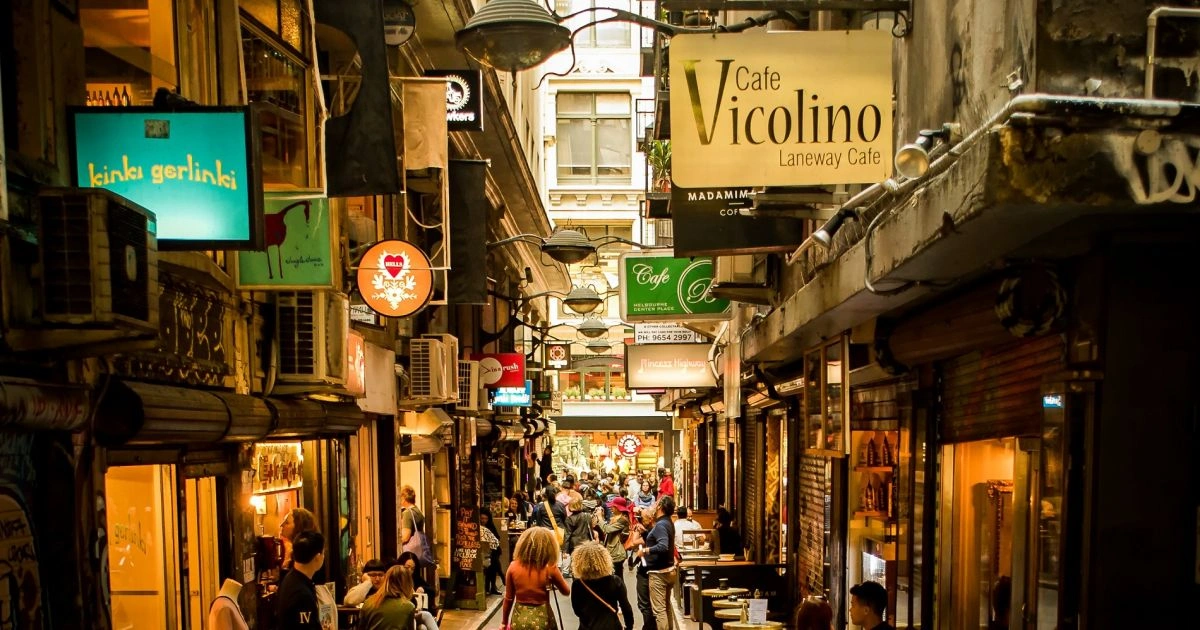
Offers a compelling Southern Hemisphere perspective on urban outdoor living. Famous for its laneway culture, the city has transformed narrow service alleys into vibrant outdoor destinations lined with cafés, art, and micro-retail.
This adaptive reuse of space highlights a key lesson for cities with outdoor lifestyle ambitions: scale matters. Not every outdoor environment must be monumental. In Melbourne, intimacy and informality define outdoor living design, creating places that feel personal, dynamic, and deeply embedded in daily life.
Los Angeles: Private Outdoor Living at Urban Scale
Few cities illustrate the domestic dimension of outdoor living vividly. Here, the archetype of the private garden, terrace, or poolside lounge has profoundly influenced residential architecture and lifestyle aspirations worldwide.
Los Angeles excels in blending private and semi-private outdoor environments—courtyards, patios, and rooftop decks—into low- and mid-density urban fabric. While public space is more fragmented, the city’s contribution to outdoor living design lies in its pioneering approach to indoor–outdoor continuity, a concept now central to luxury real estate globally.
Singapore: Tropical Precision and Vertical Outdoor Living
Redefines what urban outdoor living can look like in a high-density, high-humidity context. Through rigorous planning and architectural innovation, the city has embraced vertical greenery, sky terraces, and climate-responsive façades.
Outdoor living design in Singapore is both technical and poetic. Shaded walkways, integrated planting, and elevated communal spaces allow residents to engage with the outdoors despite intense heat and rainfall. It is a powerful example of how cities with outdoor lifestyle ambitions can adapt design intelligence to extreme conditions.
Marrakech: Tradition as Outdoor Living Philosophy
In Marrakech outdoor living is not a trend but a centuries-old tradition. The riad typology—with its inward-facing courtyard—offers a masterclass in privacy, climate control, and sensory experience.
Here, outdoor living design is introspective rather than extroverted. Water features, vegetation, and filtered light create microclimates that feel both intimate and luxurious. For contemporary designers, Marrakech demonstrates how cultural heritage can inform timeless models of urban outdoor living.
What These Cities Teach Us About the Future of Urban Outdoor Living
Despite their differences, the world’s leading cities with outdoor lifestyle excellence share a commitment to human-centred design. They recognise that outdoor living is not defined by furniture or aesthetics alone, but by how space supports behaviour, emotion, and social connection.
Key takeaways shaping the future of outdoor living design include:
- Design for everyday use, not just leisure moments.
- Blur the boundary between private, semi-private, and public outdoor spaces.
- Respond intelligently to climate rather than resisting it.
- Value craftsmanship and material longevity in outdoor environments.
Outdoor Living as a Measure of Urban Sophistication
As global cities compete for talent, investment, and cultural relevance, the quality of outdoor living has become a subtle yet powerful differentiator. The most successful examples show that urban outdoor living is not about spectacle, but about consistency, comfort, and cultural alignment.
From Mediterranean plazas to Nordic waterfronts and tropical sky gardens, cities that do outdoor living right offer more than beautiful spaces—they offer a way of life. For designers, architects, and globally minded homeowners, these cities provide enduring inspiration for outdoor living design that is both aspirational and deeply humane.