

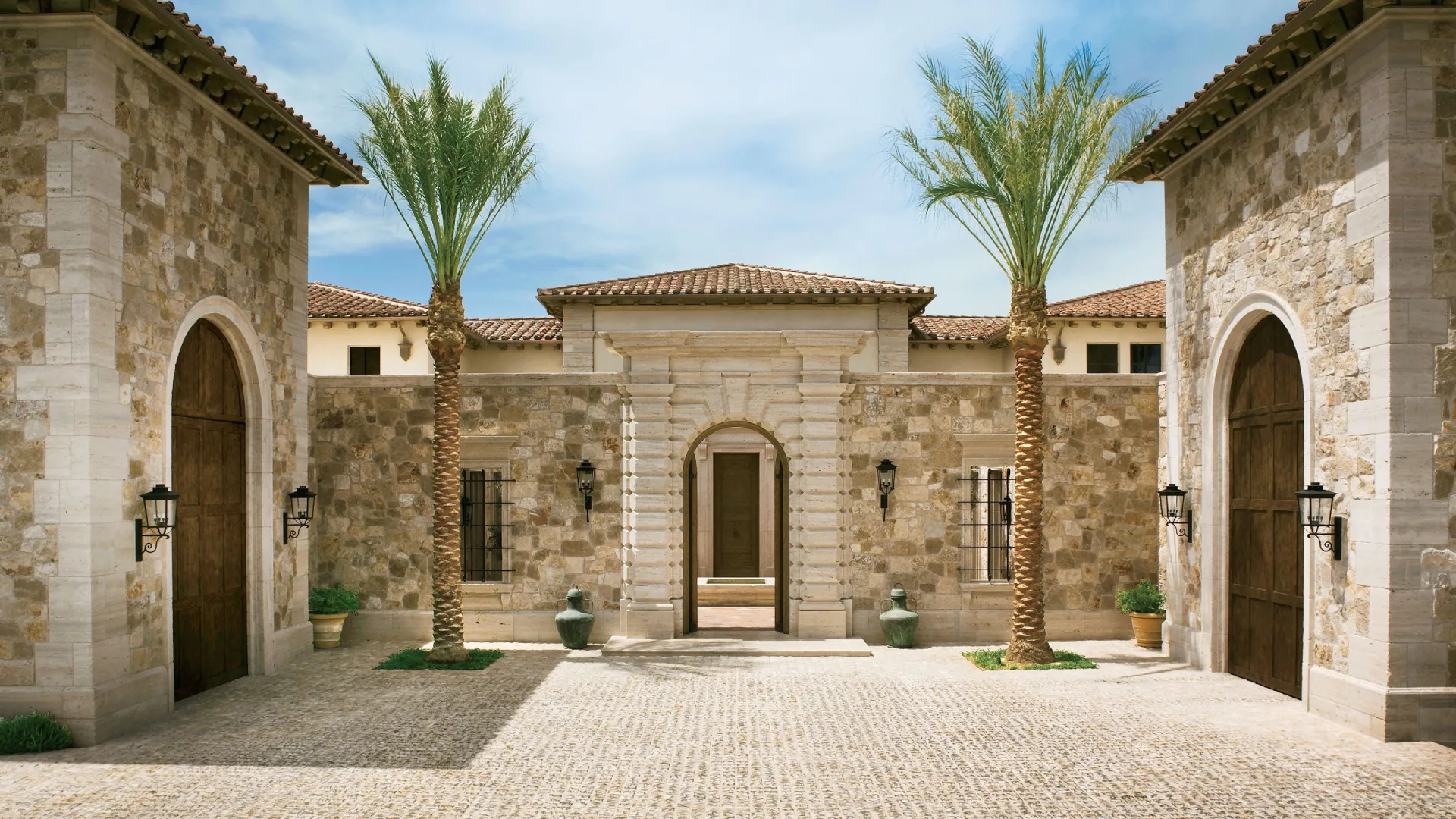
Across Italy, historic villas embody a timeless dialogue between architecture, landscape, and lifestyle. From Tuscany’s hilltop estates to the refined palazzi surrounding Rome and the lakes of Lombardy, these residences are celebrated not only for their interiors but for their extraordinary outdoor spaces. At the heart of many of these estates lies the Mediterranean courtyard—a serene architectural element that has quietly shaped outdoor living for centuries.
Today, architects and designers increasingly look to Italian villas for inspiration when creating sophisticated contemporary outdoor environments. Their courtyards demonstrate how proportion, shade, greenery, and elegant furnishings can transform open-air spaces into refined extensions of the home. In an era where outdoor living has become central to luxury lifestyles, the historic courtyard offers a design language that feels both deeply rooted and strikingly modern.
This article explores how the courtyards of historic Italian villas continue to influence contemporary outdoor design—and how their principles translate seamlessly into modern terraces, gardens, and hospitality spaces enhanced by luxury outdoor furniture.
The Architectural Legacy of Italian Villas
The architectural heritage of Italian villas dates back to the Roman era, when country estates were designed as sanctuaries for leisure and intellectual life. During the Renaissance, architects such as Andrea Palladio refined the villa into a harmonious composition of architecture and landscape. These estates were conceived not as isolated structures but as integrated environments where gardens, courtyards, and terraces formed a unified experience.
The courtyard became one of the defining spatial elements of these villas. Often enclosed by arcades, stone walls, or loggias, the courtyard served multiple functions: a private retreat, a social gathering space, and a climatic solution that moderated heat and sunlight. Its carefully calibrated proportions allowed light to filter through while maintaining intimacy and shade.
For an overview of Renaissance villa design principles, the Encyclopaedia Britannica’s guide to Palladian architecture provides valuable context on how Italian villas shaped Western residential architecture.
Today, these principles resonate strongly with contemporary designers who aim to blur the boundaries between interior and exterior living.
The Mediterranean Courtyard: A Model of Climatic Intelligence
The enduring appeal of the Mediterranean courtyard lies in its remarkable environmental intelligence. Long before the language of sustainable architecture became mainstream, Italian villas used spatial design to create naturally comfortable environments.
Natural Climate Regulation
Courtyards operate as microclimates. Stone surfaces absorb heat during the day and release it slowly in the evening, while fountains and greenery introduce cooling humidity. High walls protect the space from wind and excessive sun exposure.
These passive design strategies remain highly relevant in contemporary architecture, particularly in warm climates where outdoor living forms a central part of daily life.
Spatial Harmony
Another defining feature of the Mediterranean courtyard is its emphasis on proportion and balance. The spatial composition often follows classical principles:
- Symmetrical layouts framed by arcades or colonnades
- Central focal points such as fountains or sculptures
- Stone paving that reinforces geometric harmony
- Strategically placed trees or planters for shade and softness
This balance of structure and nature creates environments that feel simultaneously formal and relaxed—an atmosphere that continues to inspire modern outdoor design.
How Historic Courtyards Inspire Modern Outdoor Living
In contemporary residential architecture, the courtyard concept has evolved into a powerful design strategy for enhancing lifestyle and spatial quality. Designers reinterpret elements from Italian villas to create outdoor environments that feel both elegant and highly livable.
Creating Outdoor Rooms
One of the most influential ideas derived from the Mediterranean courtyard is the notion of the outdoor room. Rather than treating gardens as undefined spaces, architects now design exterior zones with the same clarity and intention as interior rooms.
These outdoor rooms may include:
- Dining terraces sheltered by pergolas
- Lounge areas framed by architectural walls
- Garden courtyards connecting interior spaces
- Poolside salons designed for social gatherings
In each case, the careful arrangement of luxury outdoor furniture plays a crucial role in defining how the space is experienced.
Framing Views and Privacy
Historic Italian villas masterfully balanced openness with privacy. Courtyard walls framed views of the surrounding landscape while shielding occupants from neighboring properties.
Modern architects employ similar techniques through:
- Landscape walls and hedges
- Architectural screens
- Integrated planters and pergolas
- Layered outdoor spaces
These strategies create intimate environments within larger gardens, echoing the quiet sophistication of historic villas.
The Role of Luxury Outdoor Furniture in Courtyard Design
While architecture establishes the structure of a courtyard, furnishings bring life and functionality to the space. In historic villas, stone benches and wrought iron chairs once provided seating for conversation and reflection.
Today, luxury outdoor furniture expands these possibilities by combining refined design with advanced materials capable of withstanding sun, humidity, and temperature fluctuations.
Defining Social Zones
A well-designed courtyard often includes multiple social areas. Carefully positioned furnishings allow each area to serve a distinct purpose while maintaining visual harmony.
Common courtyard arrangements include:
- Central lounges with modular seating
- Dining spaces beneath pergolas
- Quiet reading corners shaded by trees
- Poolside relaxation areas
These arrangements transform the courtyard into a multifunctional living environment rather than a purely decorative garden.
Material Dialogue
Another key element is the relationship between materials. In historic Italian villas, stone, terracotta, and aged metals create a rich tactile palette.
Contemporary luxury outdoor furniture often complements these textures through materials such as:
- Powder-coated aluminum
- Natural teak
- Performance textiles
- Architectural ceramics and stone surfaces
When thoughtfully selected, these materials echo the authenticity of historic architecture while supporting modern durability.
Landscape Design in the Mediterranean Courtyard
Vegetation plays a central role in the atmosphere of the Mediterranean courtyard. Unlike expansive gardens, courtyards rely on carefully curated planting to soften architecture and create sensory richness.
Iconic Mediterranean Planting
Many historic Italian villas feature plants that have become synonymous with Mediterranean landscapes.
- Cypress trees creating vertical rhythm
- Lemon and orange trees in terracotta pots
- Lavender and rosemary borders
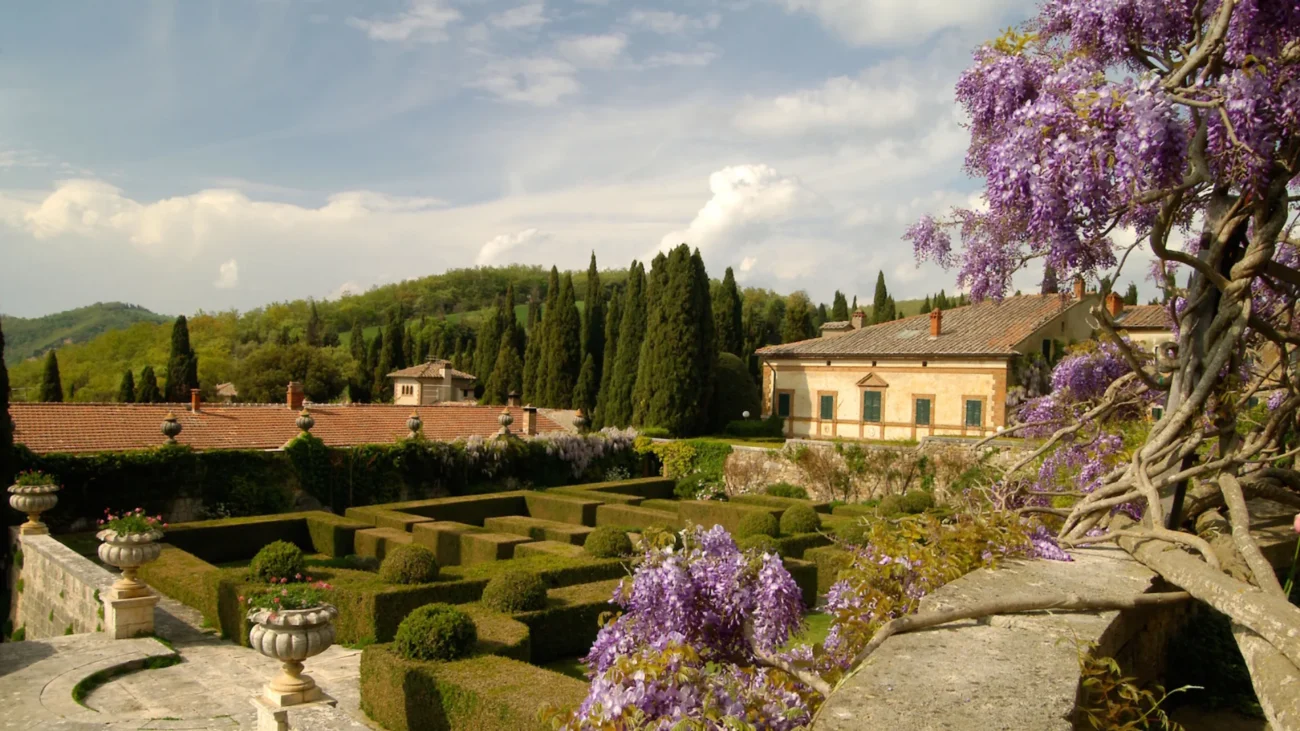
- Climbing vines such as wisteria
These plants contribute fragrance, shade, and seasonal color while reinforcing the courtyard’s timeless identity.
Water as a Design Element
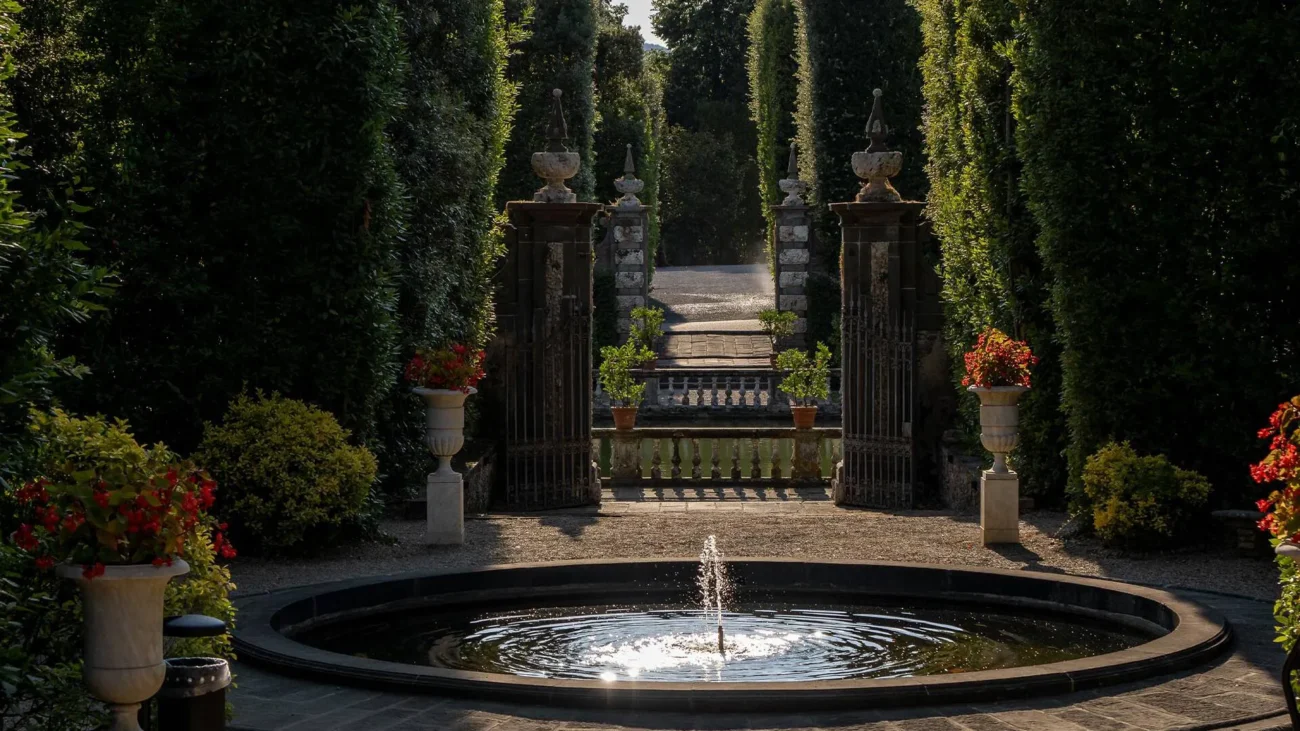
Fountains and reflecting pools frequently anchor the center of a courtyard. Beyond their aesthetic presence, water features introduce sound and cooling effects that enrich the sensory experience.
In modern outdoor spaces, similar effects are achieved through minimalist fountains, shallow pools, or integrated water walls that reinterpret the classic courtyard fountain.
Courtyard Design Principles Architects Still Follow
Designers studying historic Italian villas consistently identify several enduring principles that translate effectively into contemporary projects.
1. Hierarchy of Spaces
Courtyards often act as the central organizing element around which rooms are arranged. This spatial hierarchy improves circulation and strengthens the relationship between interior and exterior environments.
2. Balance of Shade and Sun
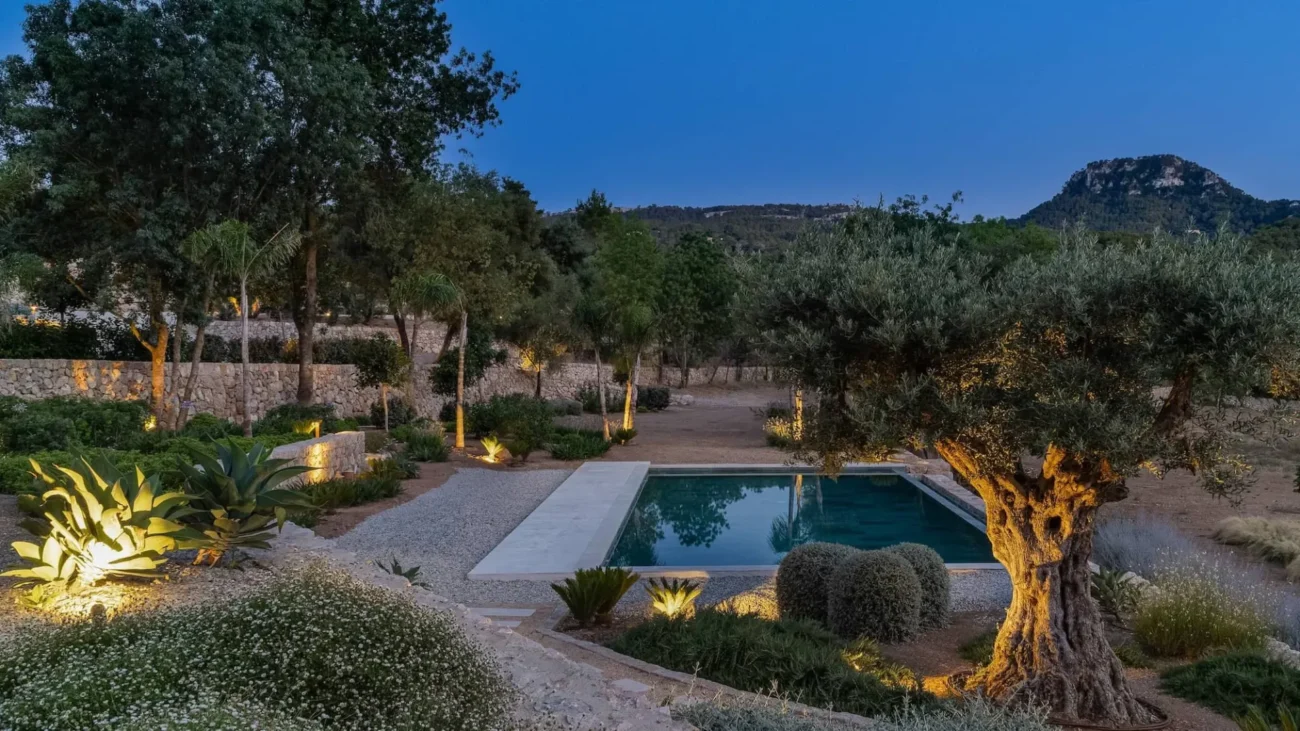
A successful Mediterranean courtyard carefully calibrates exposure to sunlight through arcades, pergolas, and trees. This creates comfortable microclimates throughout the day.
3. Architectural Framing
Walls, columns, and loggias provide structure and rhythm while framing views of greenery and sky.
4. Human-Centered Proportions
Perhaps most importantly, the scale of the courtyard encourages conversation and relaxation. Unlike large gardens, the courtyard feels intimate and personal—qualities increasingly valued in contemporary luxury living.
From Tuscan Villas to Contemporary Residences
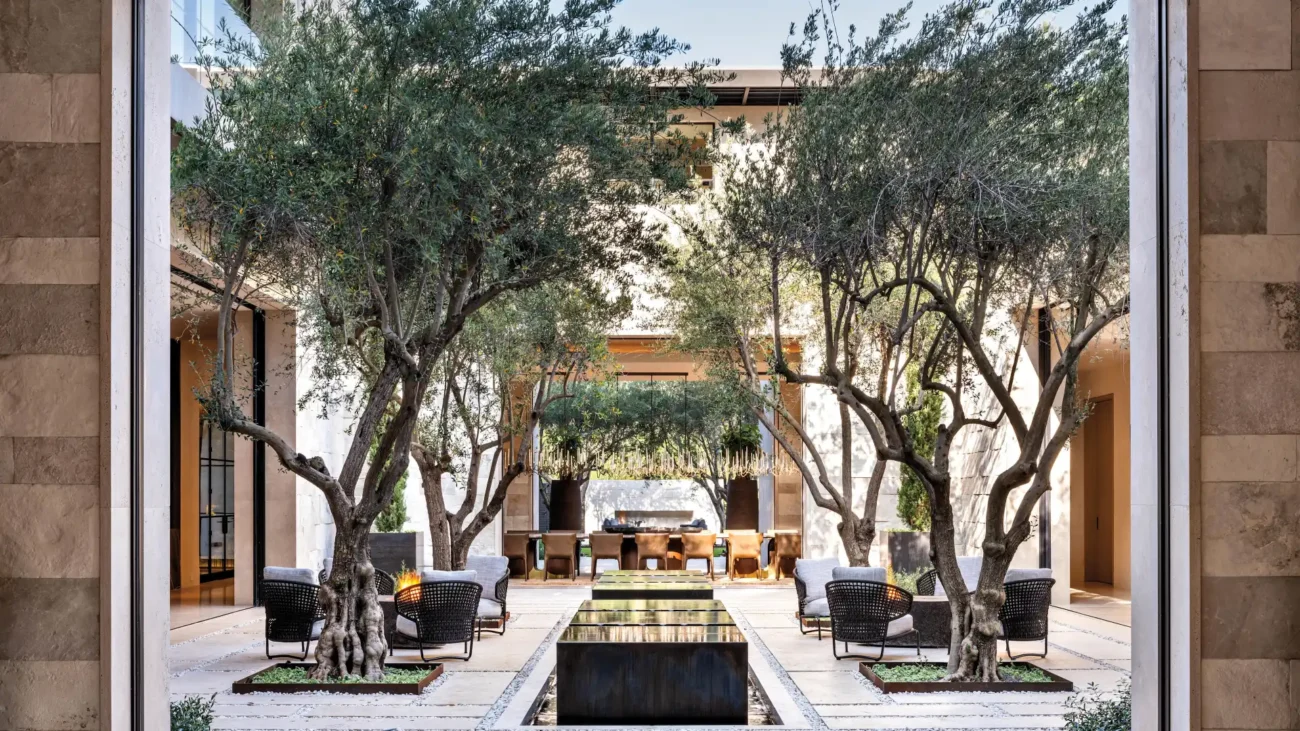
Across the world—from California and the Middle East to Australia and southern Europe—architects reinterpret courtyard concepts rooted in Italian villas. These modern interpretations adapt historic principles to new climates, technologies, and lifestyles.
Luxury residences now frequently include:
- Central courtyards connecting multiple wings of the home
- Glass walls that visually extend interior spaces outdoors
- Integrated landscape architecture
- Refined terraces furnished with luxury outdoor furniture
These spaces maintain the essence of the historic Mediterranean courtyard: calm, balanced environments that celebrate light, nature, and social life.
Why Courtyards Matter More Than Ever
In the context of contemporary living, courtyards offer more than aesthetic inspiration. They respond to several evolving priorities in architecture and real estate:
- Greater emphasis on wellness and outdoor lifestyles
- Desire for private open-air environments
- Climate-responsive architectural solutions
- Spaces designed for entertaining and relaxation
These factors explain why the courtyard—a concept perfected by Italian villas centuries ago—continues to shape the most sophisticated residential projects today.
The Takeaway
Historic Italian villas represent far more than architectural heritage; they offer enduring lessons in how people inhabit outdoor space. Their courtyards demonstrate the power of proportion, landscape integration, and thoughtful spatial design to create environments that feel timeless and deeply human.
By studying the Mediterranean courtyard, contemporary architects and designers rediscover principles that elevate modern outdoor living—from climatic intelligence to the artful placement of luxury outdoor furniture. These lessons continue to influence luxury residences, boutique hotels, and cultural destinations around the world.
Ultimately, the courtyard reminds us that outdoor space is not merely an addition to architecture—it is an essential stage for daily life, conversation, and quiet reflection. And in that sense, the legacy of Italy’s great villas remains profoundly relevant to the future of design.