

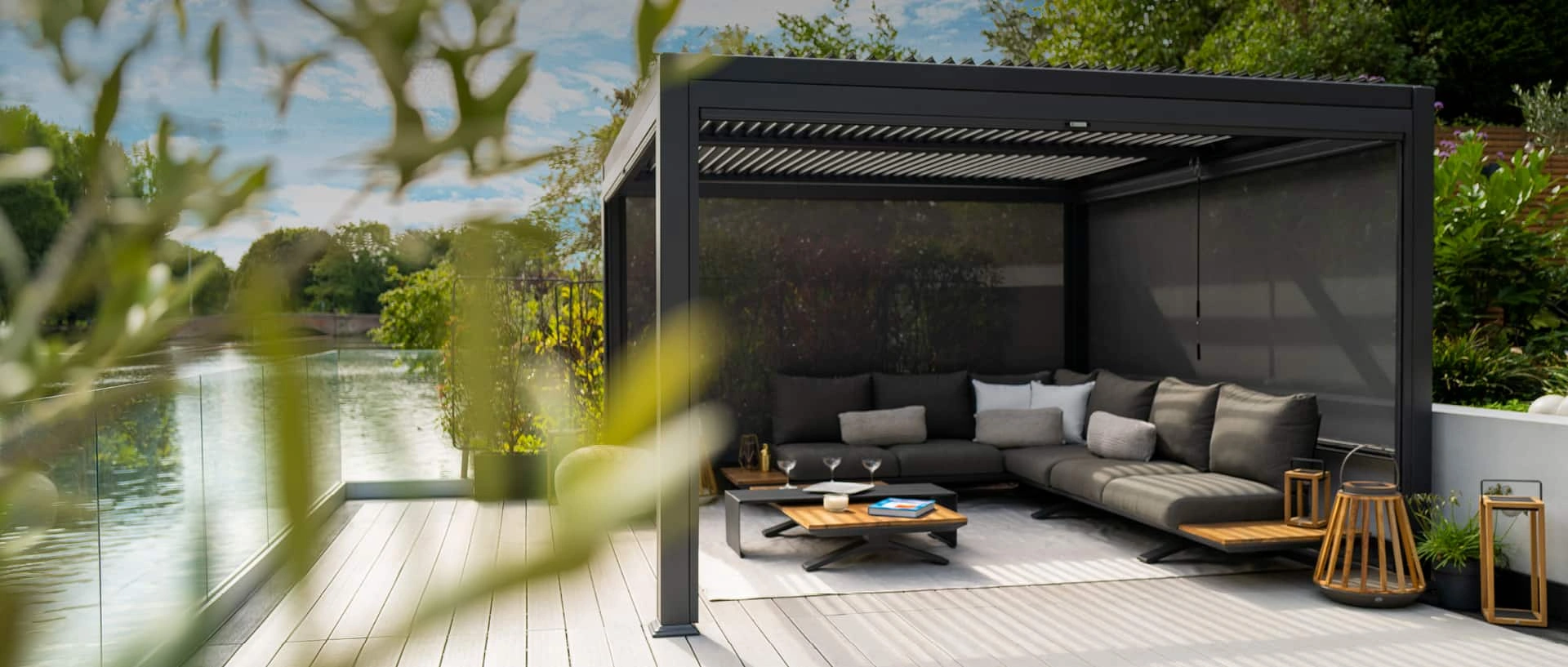
In the hierarchy of summer home luxuries, infinity pools and panoramic glazing once dominated the conversation. Today, however, a quieter yet more consequential element has emerged as the defining feature of refined outdoor living: shade. Across Mediterranean coastlines, Californian hillsides, and urban penthouses alike, terrace shade ideas are reshaping the architecture of comfort. For architects, designers, and discerning homeowners, the question is no longer whether to incorporate shade—but how to elevate it into a central design language.
As global temperatures rise and outdoor living seasons extend, pergolas and sunshades have evolved from optional accessories into architectural necessities. In parallel, the demand for thoughtfully designed shaded outdoor seating has intensified, redefining how terraces, gardens, and rooftops are conceived and valued. Shade has become both a climatic response and a cultural statement.
The Climatic Imperative: Why Shade Now Leads Design
The science is unequivocal. According to the Intergovernmental Panel on Climate Change (IPCC), heatwaves are increasing in both frequency and intensity worldwide. For luxury real estate markets in Southern Europe, the Middle East, Australia, and the Americas, this shift is tangible. Summer homes must now perform thermally as well as aesthetically.
In this context, terrace shade ideas are no longer decorative afterthoughts. They are climate-adaptive strategies. By reducing direct solar gain, carefully positioned pergolas and sunshades can lower perceived temperatures by up to 10–15 degrees Celsius, transforming exposed terraces into usable living spaces throughout the day.
For high-net-worth homeowners, this translates directly into property value. A terrace that remains functional at midday holds significantly greater experiential and financial worth than one that can only be used at sunset.
From Ornament to Architecture: The Evolution of Pergolas and Sunshades
Historically, pergolas were ornamental garden structures draped in vines—romantic, yes, but secondary to the main residence. Contemporary design has fundamentally redefined pergolas and sunshades as architectural extensions of the home itself.
Integrated Structural Systems
Modern terrace shade ideas often begin at the planning stage. Architects now incorporate steel, aluminum, or engineered timber pergolas directly into the structural grid. Retractable louvers, motorized fabric canopies, and adjustable slat systems allow homeowners to modulate sunlight with precision.
- Bioclimatic pergolas with rotating blades that regulate airflow
- Retractable textile roofs with UV-resistant, waterproof membranes
- Hybrid systems combining glass panels and fabric screens
- Minimalist frames that visually dissolve into the architecture
These sophisticated pergolas and sunshades do more than block sunlight. They create microclimates—balancing shade, ventilation, and filtered light.
Material Innovation and Performance
Performance textiles originally developed for marine and hospitality industries now define high-end shaded outdoor seating environments. Solution-dyed acrylics, technical meshes, and tensioned architectural fabrics maintain structural integrity while resisting fading and mildew.
The refinement lies in discretion. The best terrace shade ideas appear effortless, yet they rely on advanced engineering and material science to achieve longevity and elegance.
The Psychology of Shaded Outdoor Seating
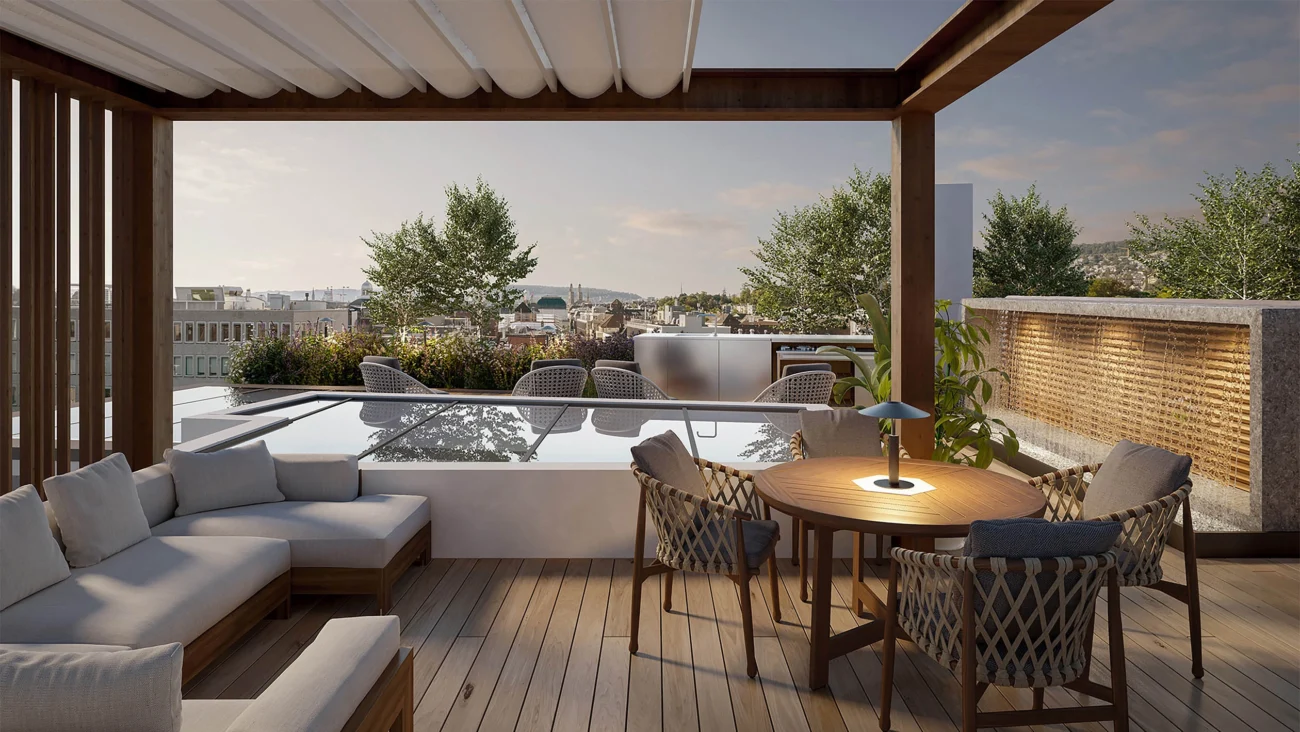
Beyond thermal comfort, shade carries psychological resonance. Humans instinctively seek refuge—a principle embedded in architectural theory as “prospect and refuge.” Shaded outdoor seating satisfies this primal need, offering protection without sacrificing openness.
Designers increasingly position pergolas and sunshades to define intimate conversation zones within expansive terraces. The shaded area becomes an outdoor room—structured yet permeable.
Designing for Social Interaction
Successful terrace shade ideas consider spatial choreography:
- Orientation: Align structures to optimize morning and afternoon shade.
- Layering: Combine overhead shade with vertical screens for wind and glare control.
- Furniture Integration: Position sofas and dining tables precisely within the protected footprint.
- Lighting Strategy: Integrate concealed LED systems into pergola beams for evening continuity.
When shaded outdoor seating is treated as a permanent architectural zone rather than a temporary umbrella solution, it transforms how guests gather, dine, and linger.
Terrace Shade Ideas Across Global Contexts
Mediterranean Villas
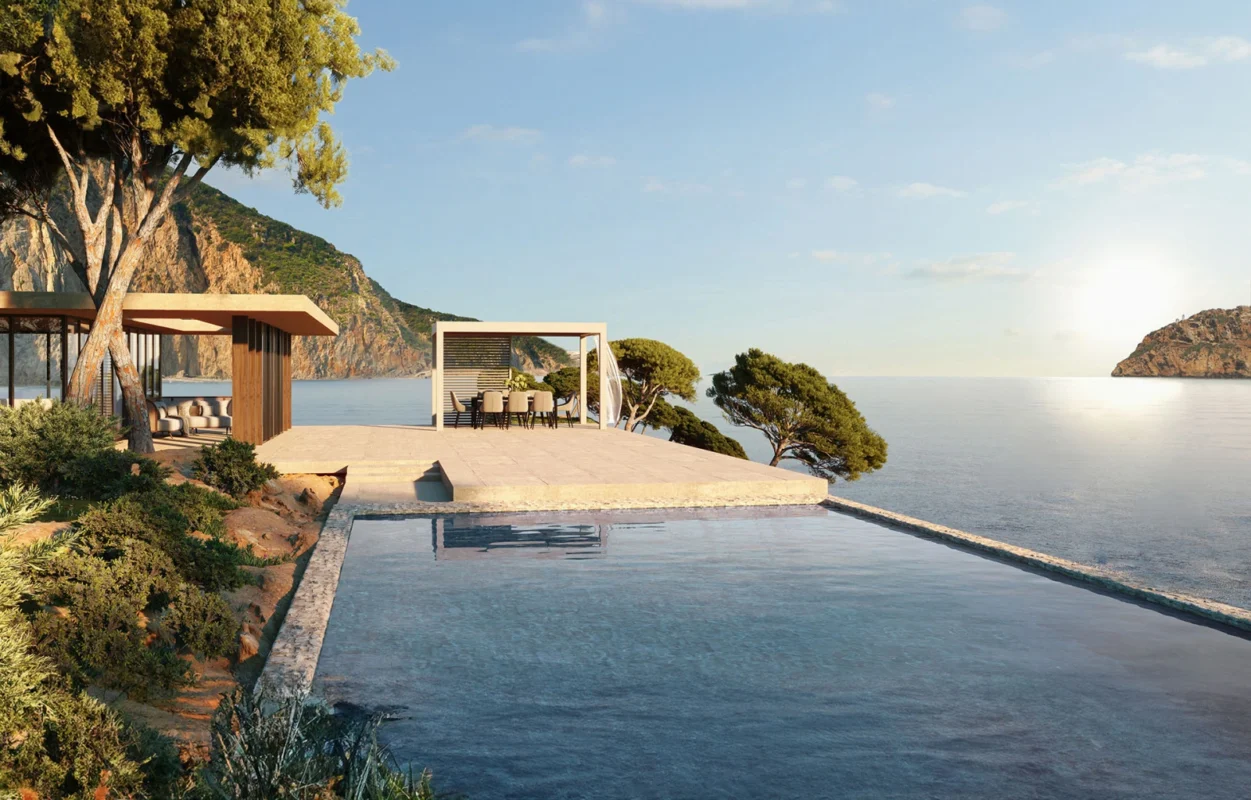
In Southern Europe, pergolas and sunshades often combine whitewashed timber frames with flowing linen curtains. The effect is atmospheric and tactile. Here, terrace shade ideas draw from centuries-old loggias and courtyards, updated with modern mechanics.
Urban Penthouses
On rooftops in London, New York, or Dubai, wind resistance becomes paramount. Architects favor aerodynamic aluminum systems and retractable pergolas and sunshades that withstand extreme weather. Carefully designed shaded outdoor seating extends interior living rooms into the skyline.
Desert Retreats
In arid climates, shade becomes existential. Deep overhangs, layered textile canopies, and freestanding terrace shade ideas create cool sanctuaries. Integrated misting systems and cross-ventilation amplify the effect of pergolas and sunshades.
Shade as a Value Multiplier in Luxury Real Estate
For developers and brokers, outdoor usability directly influences sale price. Properties featuring architecturally integrated pergolas and sunshades consistently outperform those relying on temporary shading solutions.
Why? Because sophisticated terrace shade ideas signal permanence and intention. They communicate that the terrace is not seasonal but central to the home’s identity.
- Extended daily usability increases functional square footage.
- Energy savings reduce cooling loads on adjacent interiors.
- Architectural cohesion enhances perceived design quality.
- Well-defined shaded outdoor seating photographs beautifully for listings.
In competitive global markets, these elements influence both buyer perception and long-term asset performance.
The Design Language of Shade: Minimalism Meets Atmosphere
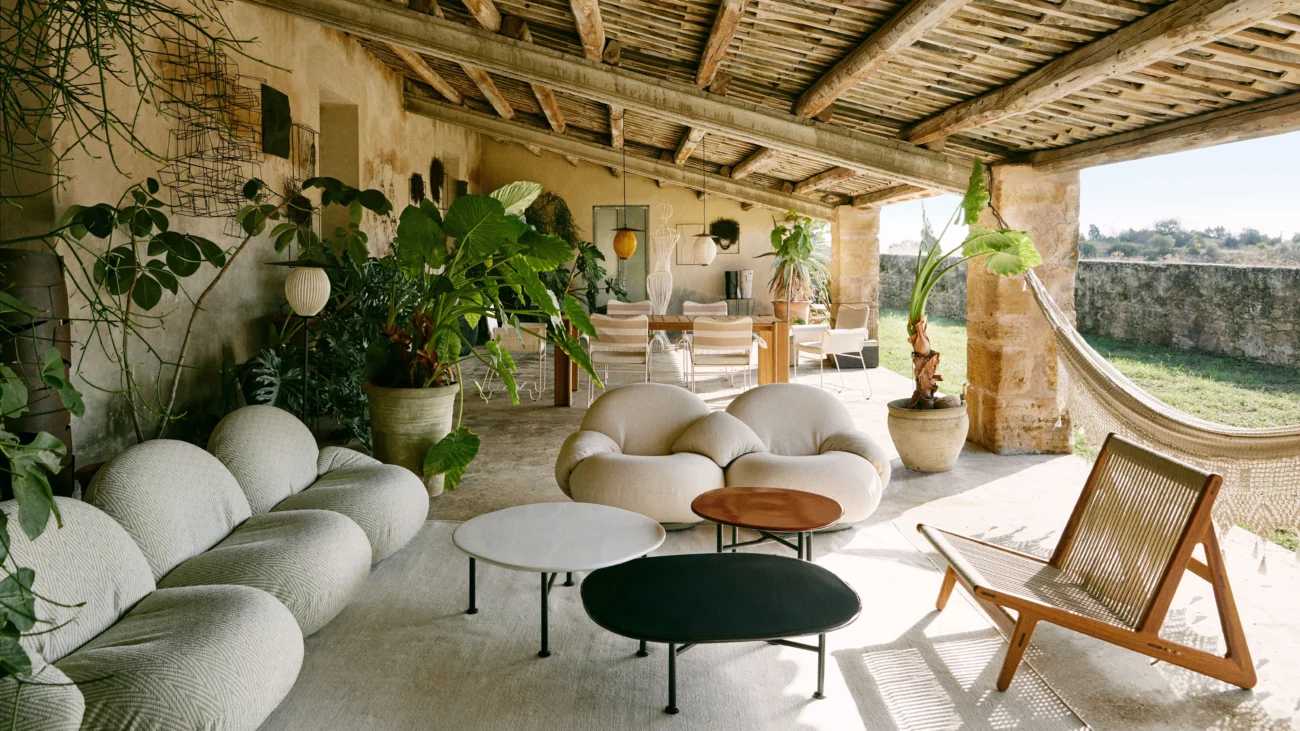
There is a delicate balance between structural presence and visual lightness. The most compelling terrace shade ideas maintain architectural clarity while introducing softness through fabric, shadow, and movement.
Color and Light Modulation
Neutral palettes—sand, ivory, warm grey—reflect heat while maintaining sophistication. Darker tones, when used selectively, intensify contrast and create dramatic shaded outdoor seating zones. Adjustable pergolas and sunshades allow homeowners to choreograph light throughout the day, casting dynamic patterns across flooring and furniture.
Biophilic Integration
Climbing greenery remains timeless. When combined with contemporary pergolas and sunshades, vegetation softens structural lines and enhances thermal performance. Living shade—vines, bamboo screens, vertical gardens—adds ecological value to terrace shade ideas.
Technology and the Future of Intelligent Shade
Automation has elevated pergolas and sunshades into responsive systems. Sensors now detect wind speed, rainfall, and solar intensity, adjusting louver angles or retracting canopies automatically.
Smart home integration ensures that shaded outdoor seating remains comfortable even in fluctuating conditions. Voice control, mobile applications, and programmable scenarios enable seamless transitions from bright midday brunch to softly lit evening reception.
As artificial intelligence increasingly informs residential design, terrace shade ideas will likely become predictive—anticipating climate patterns and optimizing performance accordingly.
Design Guidelines for Architects and Designers
For professionals seeking to elevate summer residences, a strategic approach to pergolas and sunshades is essential.
Key Considerations
- Early Integration: Incorporate shade structures during architectural planning, not post-construction.
- Proportion: Ensure that terrace shade ideas align with façade geometry.
- Durability: Specify marine-grade finishes for coastal properties.
- Flexibility: Choose adjustable systems to future-proof shaded outdoor seating.
- Lighting & Heating: Embed discreet systems to extend seasonal use.
Thoughtful specification ensures that pergolas and sunshades enhance both performance and prestige.
Cultural Shift: Shade as the New Status Symbol
There was a time when exposure equaled luxury—sun-drenched terraces symbolized freedom and glamour. Today, exclusivity is expressed differently. Privacy, comfort, and controlled environments define contemporary sophistication.
Terrace shade ideas now embody this shift. A beautifully engineered pergola suggests discernment. A layered canopy system signals environmental awareness. Generous shaded outdoor seating implies hospitality and longevity.
In a warming world, true luxury is no longer about enduring the sun—it is about mastering it.
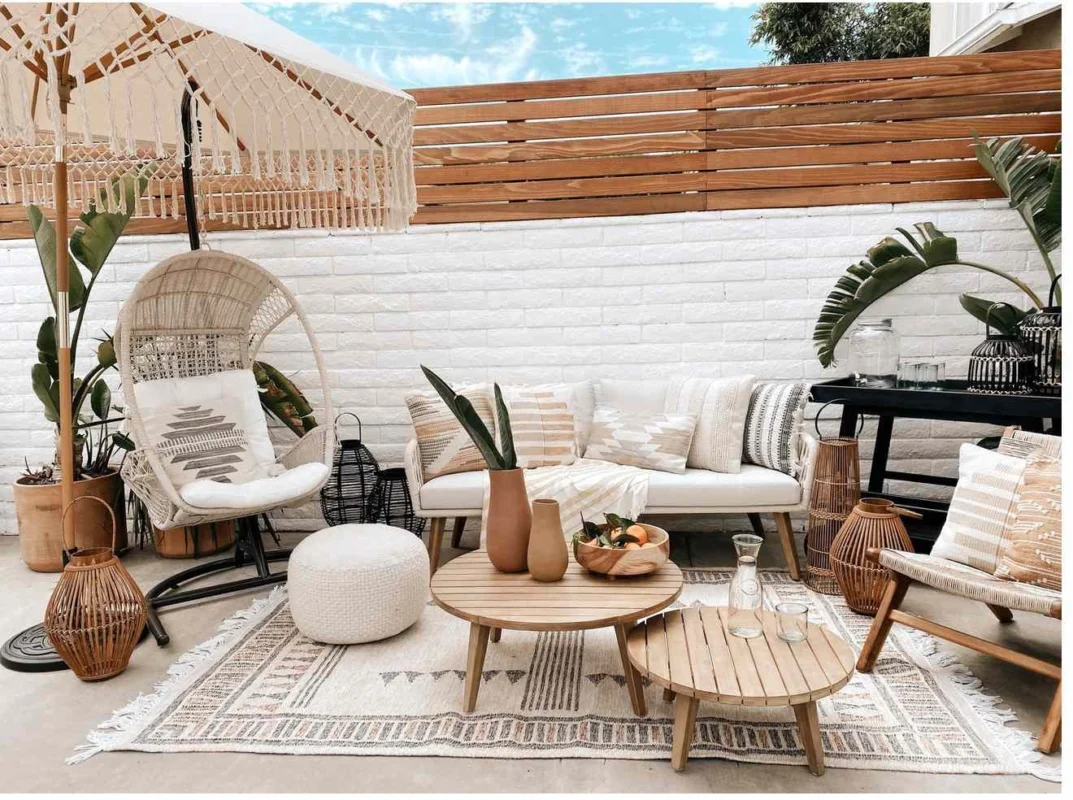
Designing the Summer Home Around Shade
The most successful summer homes of the coming decade will not treat shade as a secondary detail. Instead, pergolas and sunshades will anchor spatial planning from the outset. Terrace shade ideas will shape circulation, social zones, and architectural identity. And thoughtfully designed shaded outdoor seating will transform terraces into year-round sanctuaries.
For architects, designers, and real estate visionaries, this represents an opportunity to redefine value. Shade is no longer merely protective—it is experiential, ecological, and economic. In the evolution of the summer home, it has become the most valuable feature of all.