

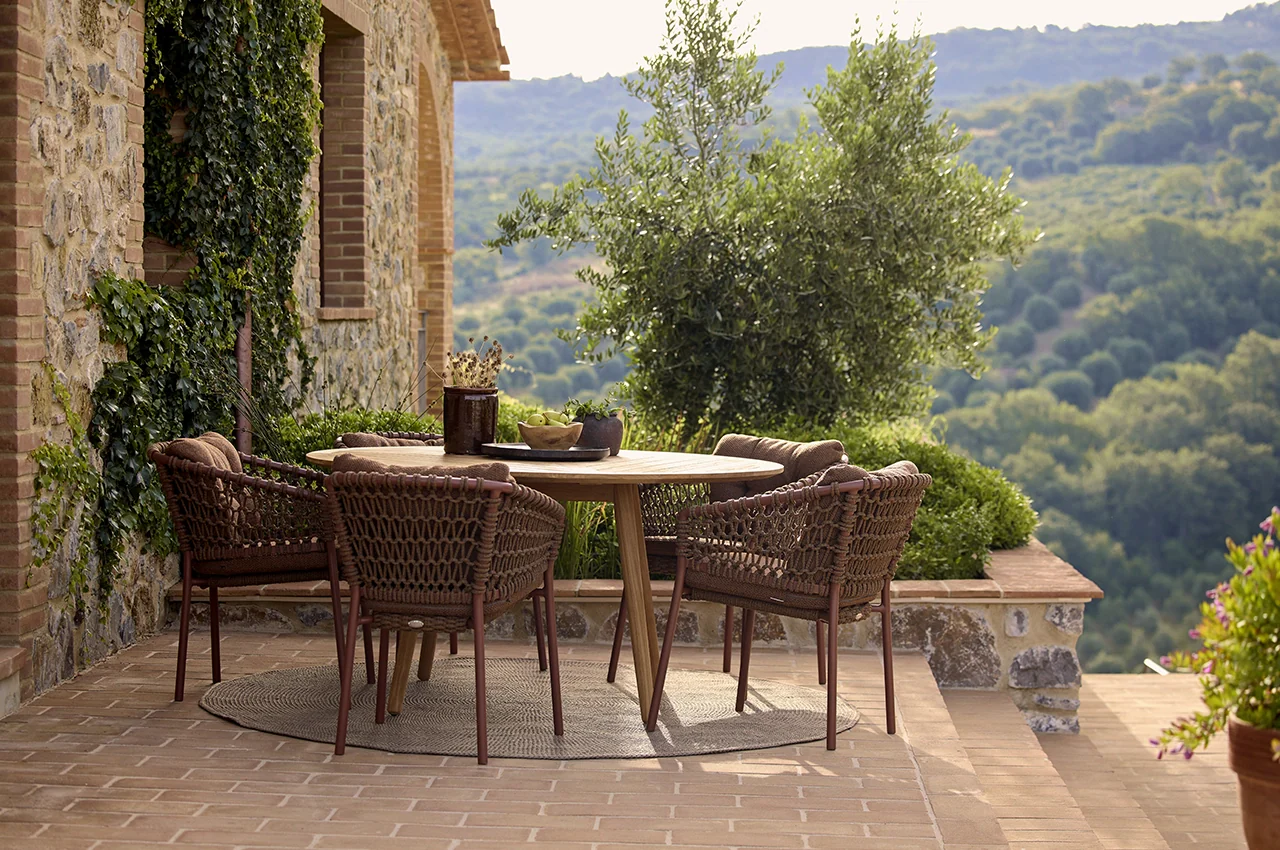
In the evolving landscape of contemporary design, outdoor furniture materials have become a subject of both technical innovation and cultural expression. As terraces, gardens, yachts, and hospitality environments increasingly function as extensions of interior spaces, designers and specifiers are seeking materials that balance aesthetics, performance, and longevity. Among the most compelling developments is the rise of hybrid materials—specifically the refined combination of metal and rope in outdoor furniture.
This dialogue between structure and softness has redefined luxury outdoor furniture design, offering a sophisticated language that is at once architectural and tactile. Rooted in maritime heritage yet propelled by advanced manufacturing and material science, metal-and-rope compositions have emerged as a defining signature of high-end outdoor collections worldwide.
The Evolution of Outdoor Furniture Materials
Historically, outdoor furniture was governed primarily by durability. Wood, wrought iron, and later plastics were selected for resistance rather than refinement. Today, however, outdoor furniture materials are evaluated through a far more nuanced lens—one that considers climate resilience, sustainability, ergonomics, and visual harmony with architectural contexts.
The contemporary shift reflects a broader cultural change: outdoor environments are no longer secondary. They are curated living spaces that demand the same level of design intelligence as interiors. Hybrid materials respond directly to this expectation, offering layered sensory experiences and technical performance.
From Single-Material Constructs to Hybrid Thinking
Single-material furniture often presents limitations—metal may feel austere, while rope alone lacks structural integrity. Hybrid thinking allows designers to overcome these constraints, combining the strengths of each material into a cohesive whole. This approach has become a cornerstone of luxury outdoor furniture design, particularly in Mediterranean, coastal, and resort-driven contexts.
Metal as the Structural Backbone
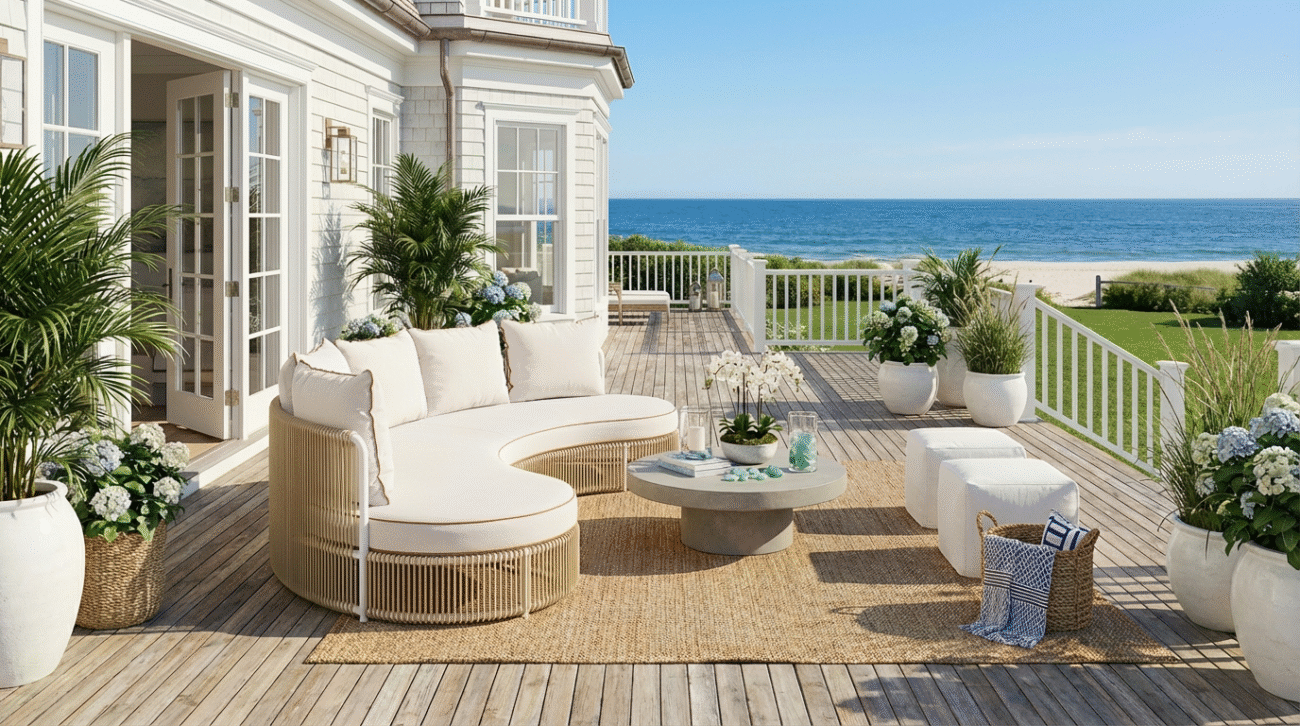
Metal remains fundamental in contemporary outdoor furniture due to its strength, precision, and architectural clarity. In hybrid compositions, it serves as the invisible framework that supports both form and function.
Preferred Metals in Luxury Outdoor Furniture Design
- Aluminum: Lightweight, corrosion-resistant, and ideal for marine or high-humidity environments.
- Stainless Steel: Valued for its tensile strength and refined finish, often used in high-end hospitality projects.
- Powder-Coated Steel: Offering chromatic versatility and enhanced weather resistance.
These metals allow for slender profiles and sculptural silhouettes, enabling designers to achieve visual lightness without compromising durability—an essential quality in premium outdoor furniture materials.
Rope: Softness, Craft, and Cultural Memory
Rope introduces a contrasting yet complementary dimension. Traditionally associated with nautical applications, modern outdoor rope is a technologically advanced material engineered for UV resistance, colorfastness, and structural consistency.
Contemporary Rope Materials
- Solution-dyed polypropylene and acrylic fibers
- High-performance polyester blends
- Recyclable and eco-conscious synthetic yarns
Beyond performance, rope carries emotional resonance. Its woven textures evoke craftsmanship, leisure, and human touch—qualities that soften the precision of metal frames and elevate luxury outdoor furniture design into a more experiential realm.
The Aesthetic Dialogue Between Metal and Rope
The success of hybrid furniture lies in the tension between opposites: rigidity and flexibility, line and weave, permanence and movement. This interplay creates visual depth and invites interaction.
Transparency and Visual Lightness
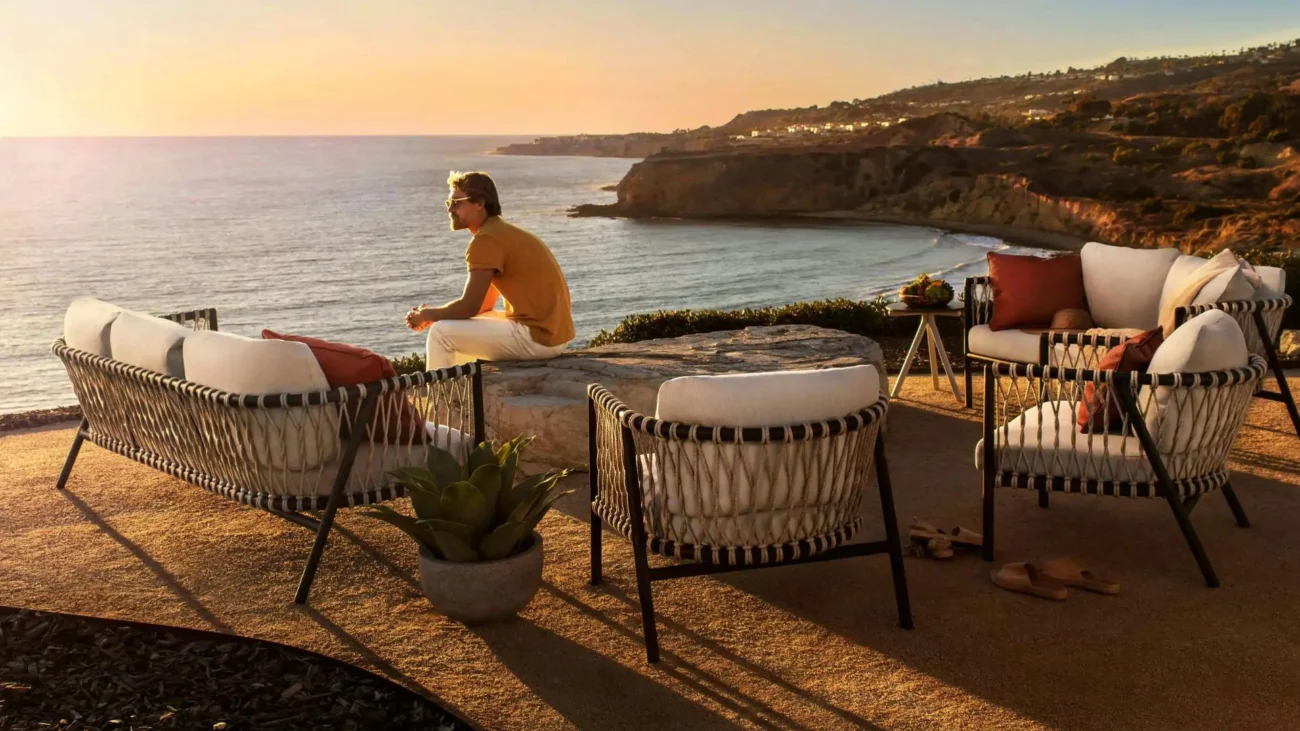
Rope weaving introduces permeability, allowing light and air to pass through seating structures. When paired with metal frames, this transparency prevents furniture from visually overwhelming open spaces—an essential consideration in landscape architecture and luxury real estate developments.
Tactility and Comfort
Unlike solid surfaces, rope adapts subtly to the body, enhancing comfort while maintaining a tailored appearance. This ergonomic advantage is particularly valued in hospitality and residential projects where prolonged outdoor use is expected.
Performance in Diverse Climates
For professionals specifying outdoor furniture materials, performance across varied climates is non-negotiable. Hybrid metal-and-rope constructions excel in this regard.
Key Performance Advantages
- Resistance to salt air, UV exposure, and temperature fluctuations
- Rapid drying and low moisture retention
- Minimal maintenance requirements
These characteristics make metal-and-rope furniture particularly suitable for coastal villas, urban rooftops, yachts, and five-star resorts.
Sustainability and Responsible Material Choices
Sustainability has become integral to luxury outdoor furniture design. Hybrid materials support this shift by enabling longevity and material efficiency.
Designing for Longevity
Durable metal frames paired with replaceable rope components extend product lifecycles, reducing waste and supporting circular design principles. Many manufacturers now offer modular systems that allow individual elements to be repaired or refreshed rather than discarded.
Eco-Conscious Innovations
Advancements in recycled fibers and low-impact coatings continue to redefine what responsible outdoor furniture materials can achieve. Material innovation and product longevity are central to reducing environmental impact in the design industry.
Applications in Contemporary Architecture and Design
Metal-and-rope furniture has become a preferred choice across multiple sectors, reflecting its adaptability and refined presence.
Residential Landscapes
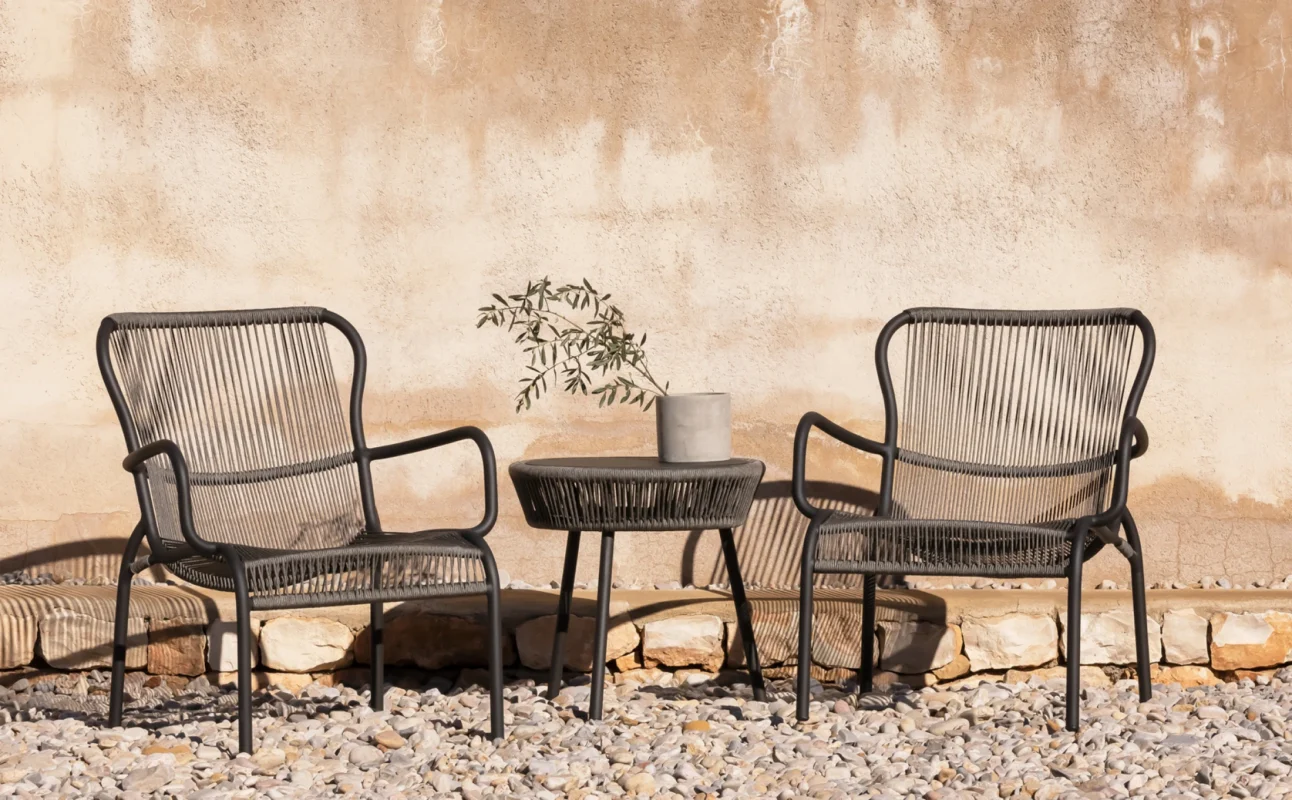
In private villas and luxury apartments, hybrid furniture creates a seamless transition between interior and exterior living, reinforcing architectural continuity.
Hospitality and Commercial Spaces
Hotels, beach clubs, and restaurants favor metal-and-rope designs for their balance of durability and visual sophistication—key to maintaining brand identity in high-traffic environments.
Yachting and Marine Contexts
The maritime origins of rope make it a natural choice for onboard furniture, while aluminum and stainless steel ensure compliance with marine performance standards.
Why Hybrid Materials Define the Future
The growing prominence of hybrid materials reflects a broader philosophical shift in design—one that values balance over dominance and integration over excess. By combining metal and rope, designers create furniture that is structurally intelligent, sensorially rich, and culturally resonant.
Key Reasons for Enduring Relevance
- Adaptability to diverse architectural styles
- Alignment with sustainable design values
- Timeless aesthetics that transcend trends
As outdoor environments continue to gain prominence in global design culture, the importance of thoughtful outdoor furniture materials cannot be overstated. The hybrid marriage of metal and rope stands as a testament to how innovation, craftsmanship, and material intelligence can converge to shape the future of luxury outdoor furniture design.
For architects, designers, and discerning clients alike, these hybrid creations offer more than functional solutions—they provide a refined language for living well outdoors, where structure meets softness and design meets experience.