
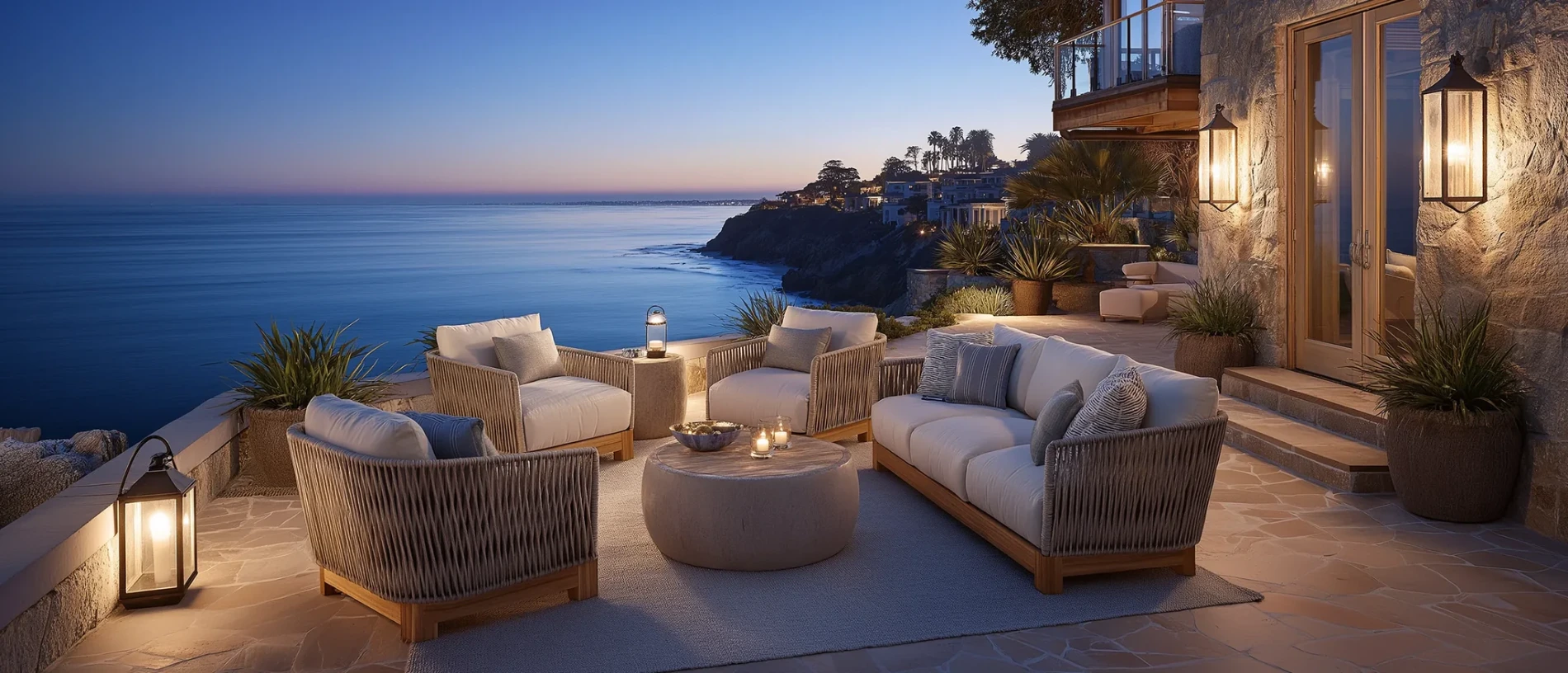
Designing and specifying outdoor furniture for coastal environments requires more than aesthetic consideration. Salt air, humidity, strong UV exposure, and wind-driven sand all accelerate material wear. For outdoor designers, architects, and luxury design studios, understanding how to maintain outdoor furniture in these conditions is essential to preserving both performance and visual integrity.
Coastal settings demand a proactive approach. Maintenance is not an afterthought-it is a design strategy that begins with material selection and extends through long-term care. When properly managed, outdoor furniture can retain its quality and elegance, even in the most challenging seaside environments.
Understanding Coastal Environmental Stressors
Coastal climates present a unique combination of environmental factors that directly impact outdoor furniture. Salt particles carried by the air settle on surfaces, leading to corrosion and surface degradation. At the same time, high humidity levels can promote mold, mildew, and material expansion.
UV radiation further compounds these challenges by causing fading, drying, and structural weakening in certain materials. Wind and sand abrasion also contribute to surface wear, particularly on exposed terraces and beachfront properties.
Recognizing these stressors allows designers to anticipate maintenance needs and specify materials that can withstand prolonged exposure.
Choosing Durable Materials for Coastal Conditions
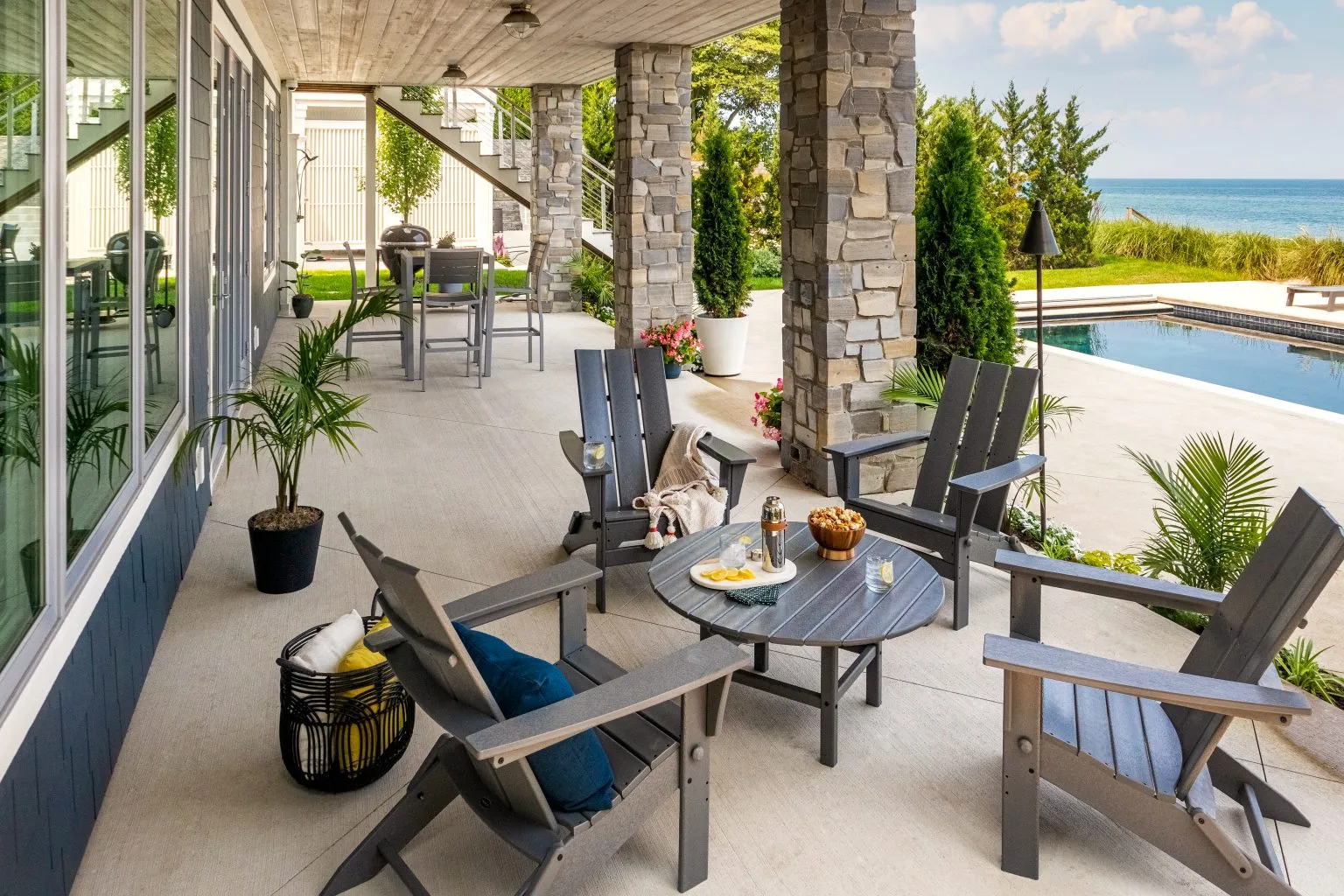
Material selection is the first and most critical step in maintaining outdoor furniture in coastal climates. The right materials reduce maintenance requirements while ensuring longevity.
Key material considerations include:
- Marine-grade stainless steel for corrosion resistance
- Powder-coated aluminum for lightweight durability
- Teak and hardwoods that naturally resist moisture
- High-performance outdoor fabrics with UV protection
- Synthetic weaves designed for salt and sun exposure
By prioritizing these materials, designers can create outdoor environments that maintain their integrity with minimal intervention.
Routine Cleaning and Preventative Care
Regular cleaning is essential for preserving outdoor furniture in coastal settings. Salt residue, if left untreated, can accumulate and accelerate deterioration.
A consistent maintenance routine typically involves rinsing surfaces with fresh water to remove salt deposits. Mild soap solutions can be used to clean deeper residues without damaging finishes. Soft cloths or brushes are preferred to avoid scratching delicate surfaces.
Importantly, cleaning should be performed frequently, especially in properties located directly on the shoreline. Preventative care reduces the need for more intensive restoration and helps maintain a refined appearance over time.
Protecting Metal Components from Corrosion
Metal elements are particularly vulnerable in coastal climates. Even high-quality materials require ongoing protection to prevent corrosion.
Effective strategies include:
- Applying protective coatings or sealants
- Inspecting joints and connections for early signs of rust
- Avoiding prolonged exposure to standing water
- Using covers during periods of non-use
- Selecting finishes specifically designed for marine environments
These measures help extend the lifespan of metal components while preserving their visual appeal.
Caring for Wood and Natural Materials
Wood remains a popular choice in luxury outdoor furniture due to its warmth and natural aesthetic. However, in coastal climates, it requires careful maintenance to retain its appearance and structural integrity.
Teak, for example, naturally weathers to a silver-gray patina if left untreated. While this is often desirable, some projects may require maintaining its original tone. In such cases, periodic oiling or sealing is necessary.
Additionally, wood surfaces should be cleaned regularly to prevent mold and mildew buildup. Proper care ensures that natural materials continue to enhance the overall design without compromising durability.
Maintaining Outdoor Fabrics and Upholstery
Outdoor textiles are exposed to intense sunlight, moisture, and salt, making proper care essential. High-performance fabrics are designed to withstand these conditions, but maintenance remains important.
Recommended practices include:
- Removing cushions during extreme weather conditions
- Cleaning fabrics with specialized solutions
- Allowing materials to dry completely before storage
- Using protective covers when furniture is not in use
Rotating cushions to ensure even wear
These steps help preserve color, texture, and comfort, ensuring that upholstered elements remain inviting and functional.
Storage and Seasonal Protection
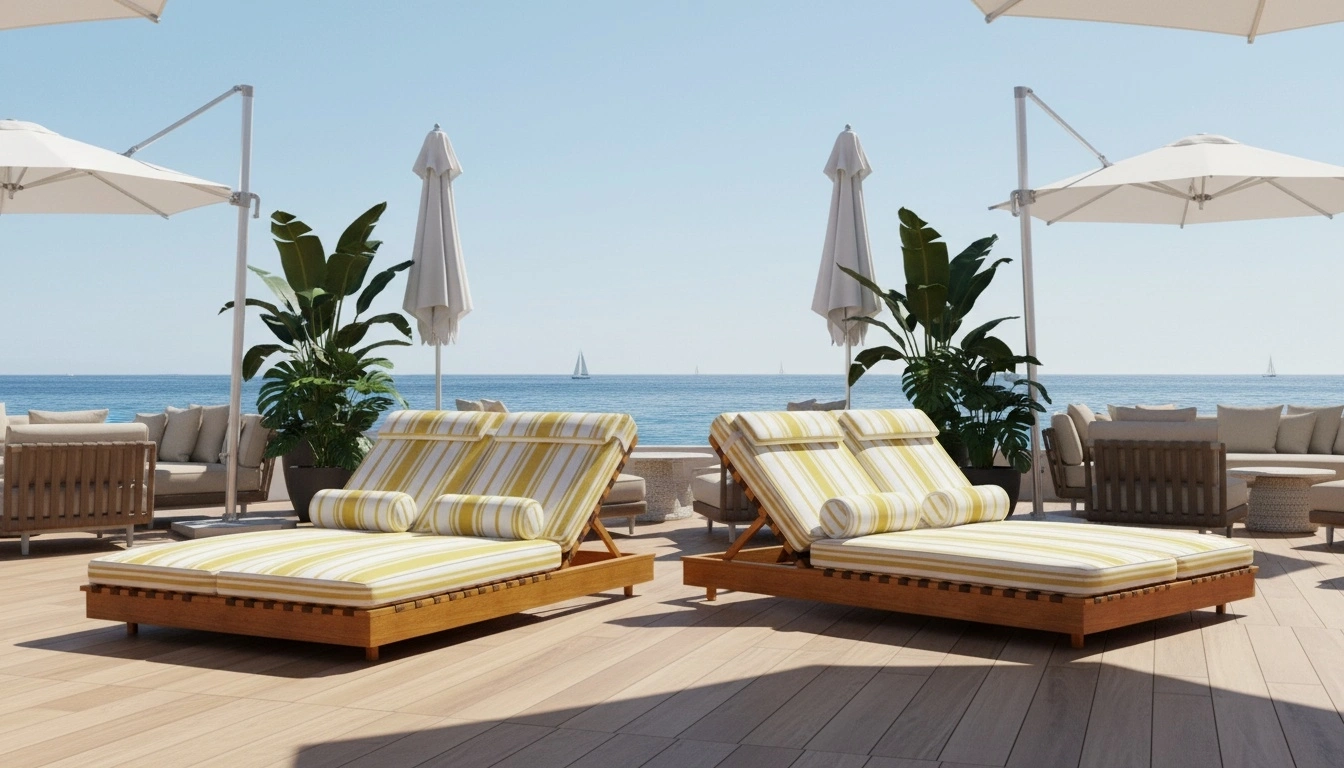
Even in mild coastal climates, seasonal changes and extreme weather events can impact outdoor furniture. Strategic storage and protection measures are key to long-term maintenance.
Whenever possible, furniture should be stored in sheltered areas during storms or extended periods of non-use. Custom covers provide an additional layer of protection against moisture and debris.
For high-end projects, integrating storage solutions into the design-such as concealed storage spaces or dedicated service areas—can streamline maintenance while maintaining a clean aesthetic.
Design Strategies That Support Longevity
Maintenance begins at the design stage. Thoughtful planning can significantly reduce the long-term effort required to preserve outdoor furniture.
Effective design strategies include:
- Positioning furniture in partially sheltered locations
- Incorporating pergolas or shading structures
- Ensuring proper drainage to prevent water accumulation
- Selecting finishes that complement natural weathering
- Designing layouts that allow easy access for cleaning
By integrating these considerations early, designers can enhance both the durability and usability of outdoor spaces.
Balancing Aesthetics and Performance
In luxury projects, maintaining outdoor furniture is not solely about durability-it is about preserving the intended aesthetic. Coastal environments can enhance materials over time, creating patina and character.
The challenge lies in balancing this natural evolution with the desire for refinement. Some materials are chosen specifically for how they age, while others are maintained to retain their original appearance.
Understanding this balance allows designers to create spaces that feel authentic while meeting the expectations of high-end clients.
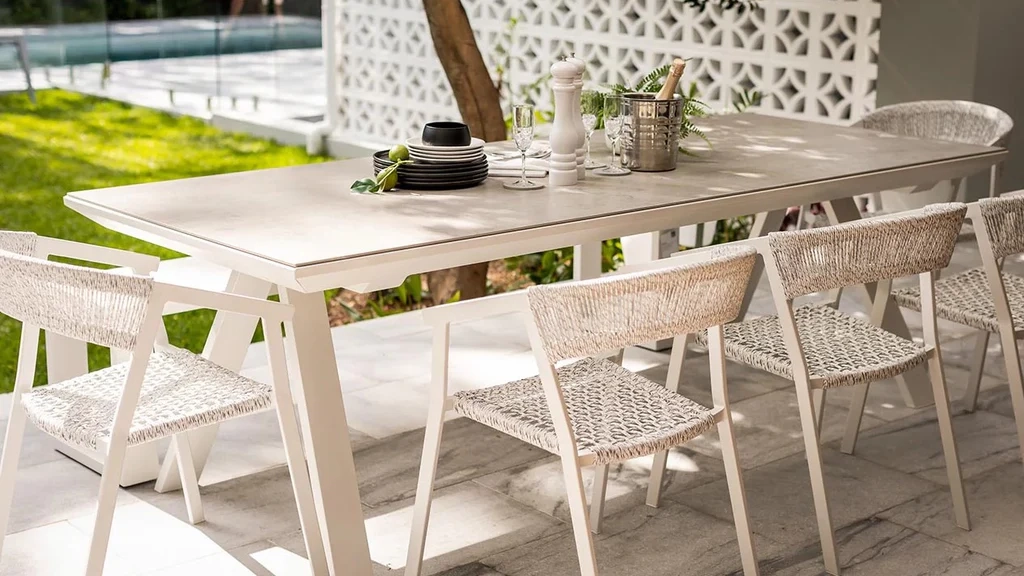
The Future of Coastal Outdoor Furniture Maintenance
Advancements in materials and technology are transforming how outdoor furniture performs in coastal climates. Innovations in coatings, composites, and textiles are reducing maintenance requirements while improving durability.
At the same time, sustainability is becoming a key consideration. Designers are increasingly selecting materials that offer both environmental responsibility and long-term performance.
As these developments continue, maintaining outdoor furniture will become more efficient, allowing designers to focus on creating immersive and enduring outdoor environments.
Conclusion
Maintaining outdoor furniture in coastal climates requires a comprehensive approach that combines material selection, routine care, and thoughtful design. By understanding environmental challenges and implementing effective strategies, designers can ensure that outdoor spaces remain both functional and visually refined.
For outdoor designers, architects, and luxury design studios, this knowledge is essential in delivering high-quality projects that stand the test of time. As coastal living continues to define luxury outdoor environments, the ability to maintain outdoor furniture will remain a critical component of successful design.