

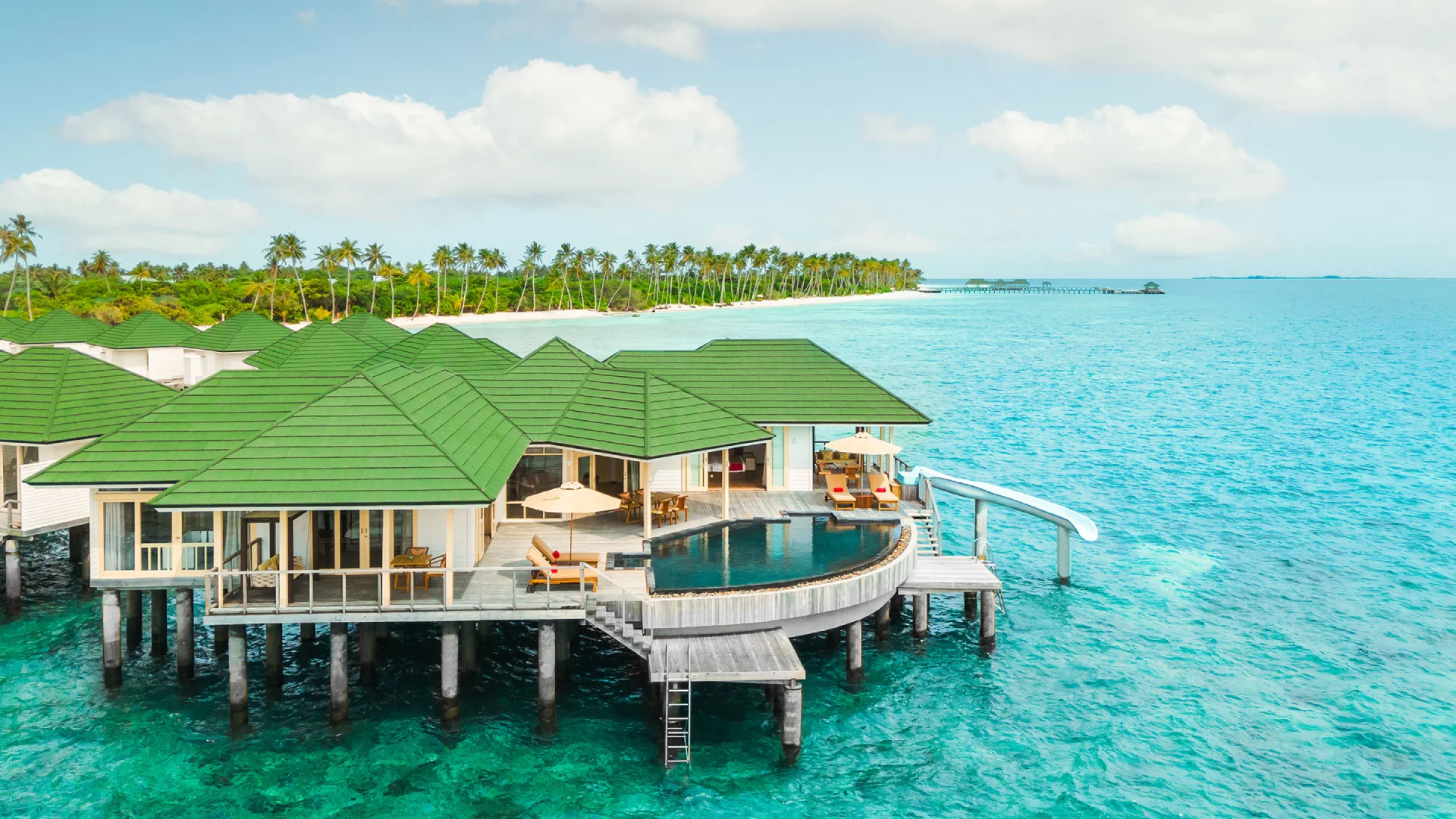
Few destinations evoke the imagination quite like the Maldives Island Resorts. Suspended above turquoise lagoons and scattered across coral atolls, these retreats have become global symbols of serene indulgence and architectural ingenuity. Yet beyond their postcard perfection lies a sophisticated design philosophy—one that prioritizes lounging as a lifestyle. In the Maldives, relaxation is not incidental; it is meticulously designed.
Across the archipelago’s luxury island resorts, architecture, landscape, and outdoor living merge seamlessly. From sculptural pavilions to expansive decks surrounding the iconic overwater bungalow, every element encourages slow living, contemplation, and immersive connection with the sea. Designers and architects working in the Maldives have transformed the concept of hospitality architecture into a refined dialogue between structure and horizon.
For architects, designers, and high-net-worth travelers seeking inspiration, Maldives resort architecture represents one of the most compelling laboratories of contemporary leisure design.
The Architecture of Stillness: Designing for Ultimate Relaxation
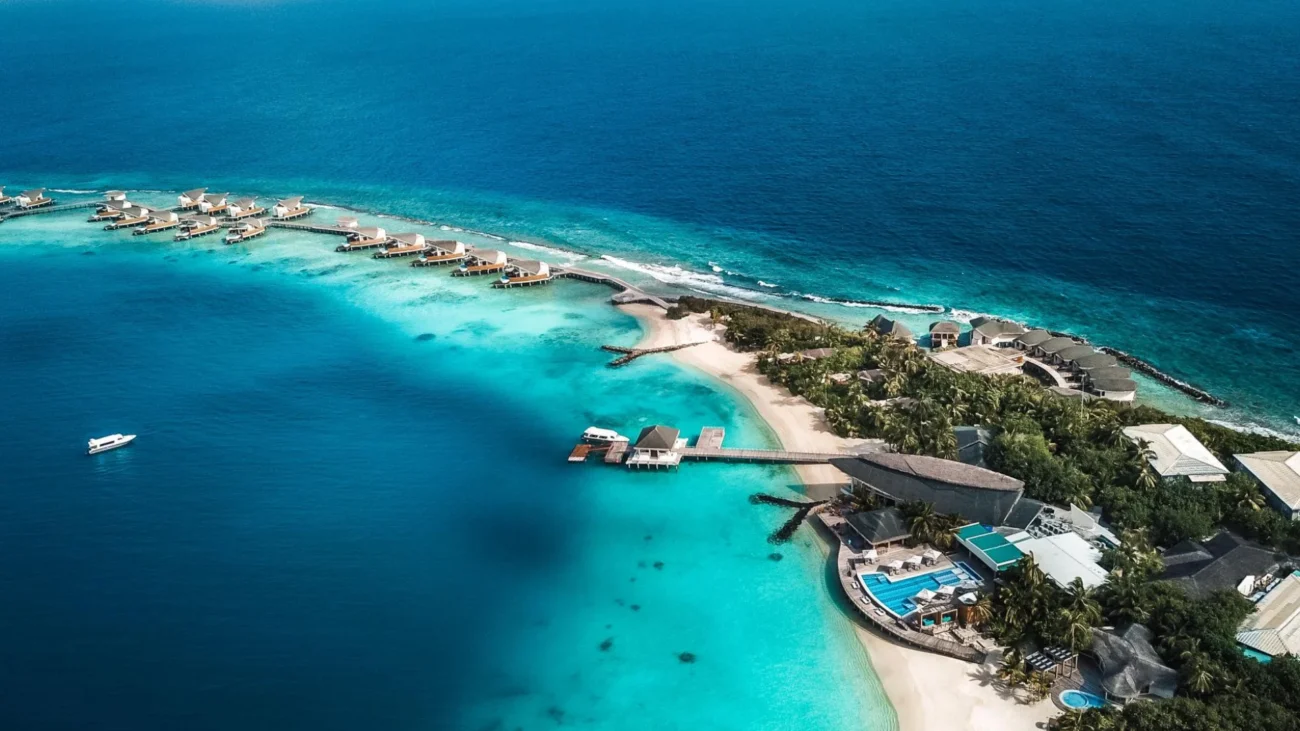
The defining characteristic of Maldives Island Resorts is their ability to orchestrate calm. Unlike urban hotels or dense coastal developments, these resorts operate on principles of spatial generosity and environmental integration. Buildings are deliberately low-slung, materials are tactile and organic, and circulation paths encourage a gentle rhythm of discovery.
Within leading luxury island resorts, architecture dissolves into the landscape rather than dominating it. That approach reflects both cultural respect and ecological awareness. Structures float lightly above sand or water, allowing wind, light, and ocean views to become essential components of the design experience.
This ethos is particularly visible in contemporary Maldives resort architecture, where architects often draw inspiration from vernacular Maldivian building traditions—elevated timber structures, steep thatched roofs, and open-air living spaces adapted to tropical climates.
Spatial Principles Behind the Maldivian Resort Experience
- Horizontal architecture that maintains unobstructed ocean vistas
- Open-air living rooms that merge interior and exterior space
- Natural ventilation strategies to minimize mechanical cooling
- Expansive terraces and lounges designed for slow relaxation
- Water integration through lagoons, pools, and reflective surfaces
These principles transform the Maldives Island Resorts into immersive landscapes of leisure rather than conventional hotel environments.
The Overwater Bungalow: An Icon of Contemporary Resort Design
Perhaps no architectural typology defines the Maldives Island Resorts more than the overwater bungalow. Elevated on stilts above shallow lagoons, these villas have become synonymous with tropical luxury and intimate seclusion.
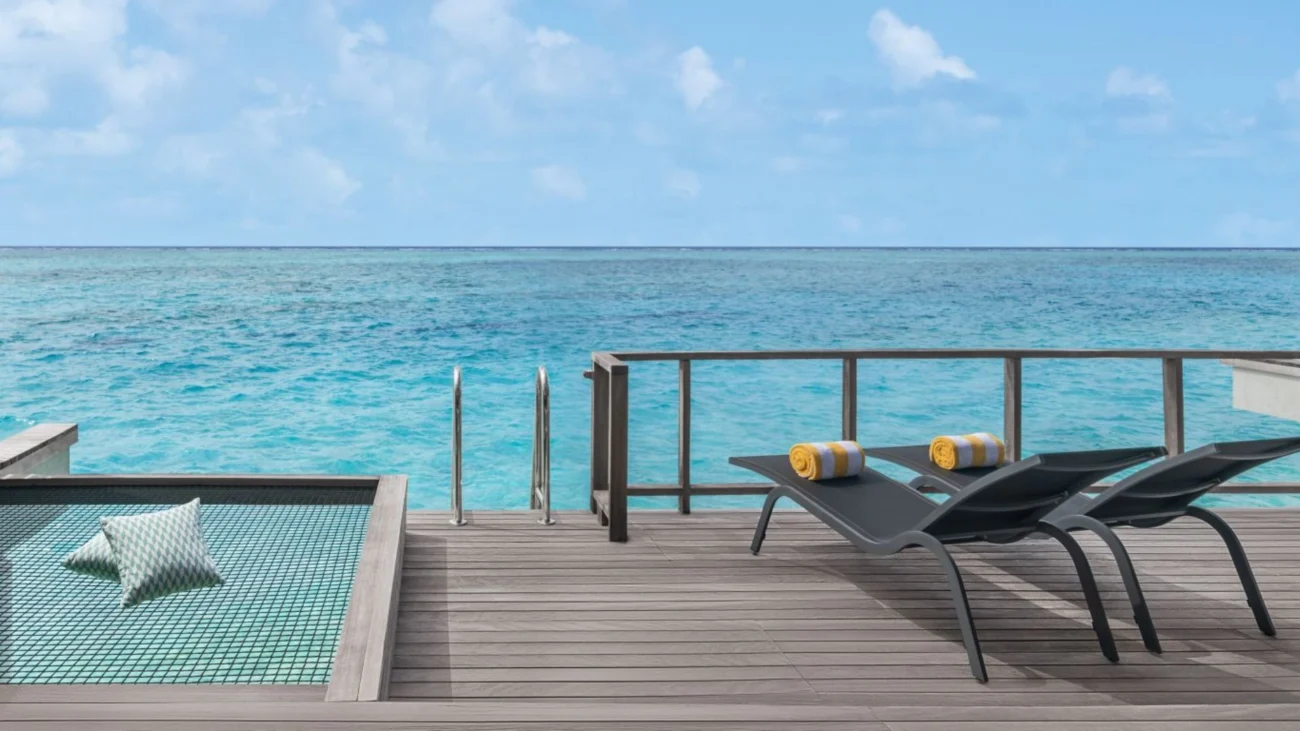
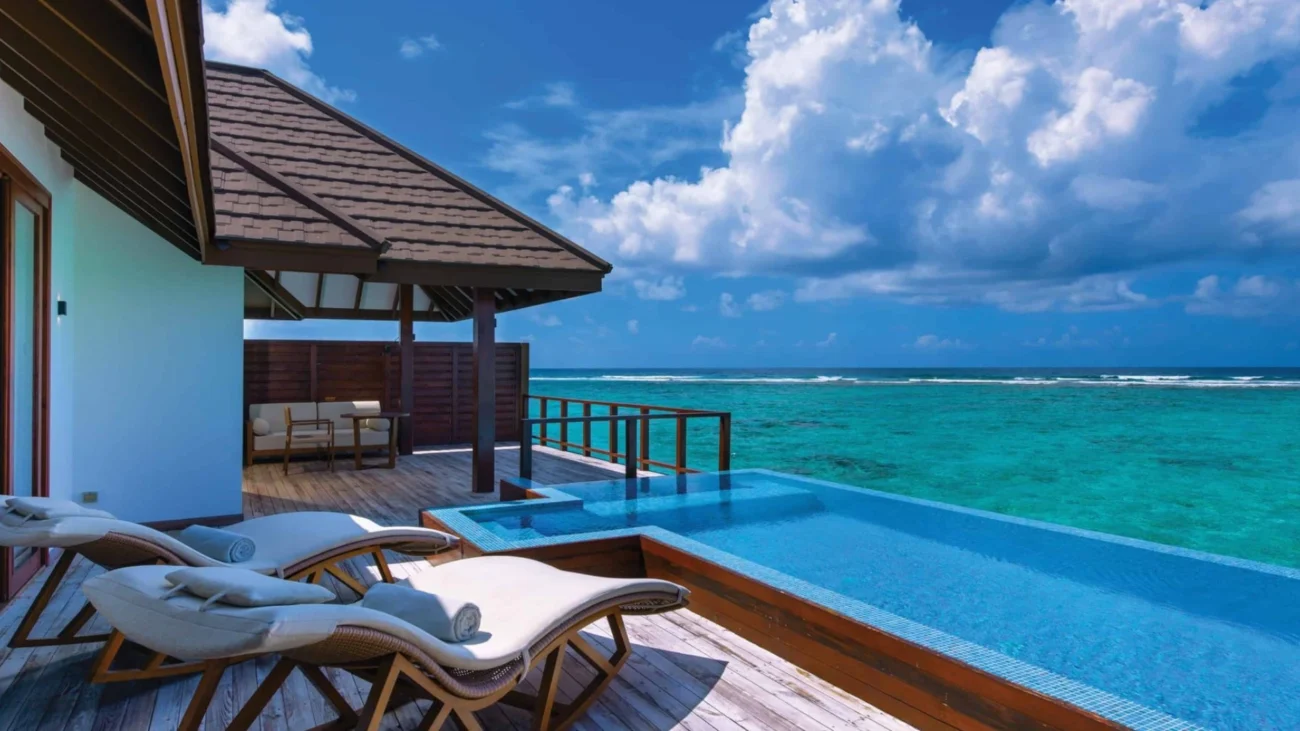
Originally inspired by Polynesian structures, the overwater villa has evolved dramatically within the context of Maldives resort architecture. Today’s designs push the boundaries of spatial experience, offering expansive decks, infinity pools, glass floors, and open-air bathrooms that blur distinctions between shelter and landscape.
Yet the essence of the overwater bungalow remains beautifully simple: a private platform from which to observe the shifting colors of the ocean.
Architectural Features of the Overwater Bungalow
- Private sun decks with daybeds and shaded lounges
- Direct lagoon access via descending staircases
- Infinity-edge plunge pools framing horizon views
- Floor-to-ceiling glazing to maximize natural light
- Lightweight materials suited for marine environments
For designers and hospitality developers, the overwater villa demonstrates how spatial minimalism combined with exceptional context can elevate a simple structure into an unforgettable luxury experience.
Landscape as Architecture: The Role of the Atoll
Unlike many coastal destinations, the geography of the Maldives fundamentally shapes architectural expression. The islands themselves are narrow strips of coral sand rarely rising more than a few meters above sea level. This fragile environment demands a highly sensitive approach to development.
In the most refined Maldives Island Resorts, landscape architecture is treated with equal importance to built form. Palm groves, coral gardens, and shaded pathways create microclimates that enhance comfort while preserving ecological balance.
Design teams working on luxury island resorts often collaborate closely with marine biologists and environmental engineers. The goal is not only aesthetic beauty but also long-term sustainability.
According to insights from the United Nations World Tourism Organization, sustainable coastal tourism development is increasingly central to the future of fragile island destinations.
Key Landscape Strategies in Maldives Resort Architecture
- Minimal land disturbance during construction
- Native vegetation preservation for shade and biodiversity
- Coral restoration programs integrated into resort planning
- Natural sand pathways replacing hard infrastructure
- Lagoon protection zones for marine life
The result is an environment where architecture gently frames the natural spectacle rather than competing with it.
Designing the Art of Lounging
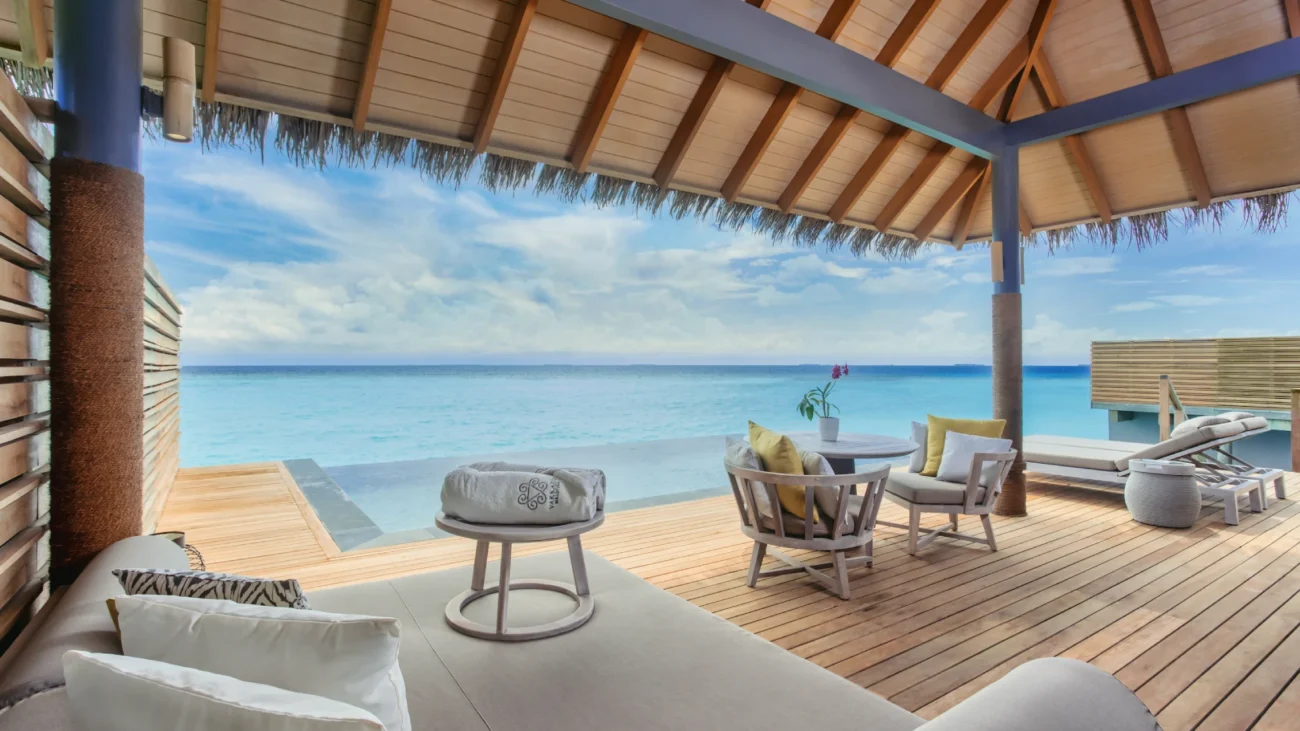
If there is one universal experience shared across the finest Maldives Island Resorts, it is the art of lounging. These destinations are carefully choreographed to encourage lingering—on shaded decks, beneath woven pergolas, or beside tranquil infinity pools.
Outdoor furniture and spatial composition play an essential role in this experience. Designers create layered relaxation zones where guests can transition effortlessly from sun to shade, water to terrace, solitude to social gathering.
In many luxury island resorts, the terrace is the true living room. Oversized loungers, daybeds, and low-slung sofas become architectural extensions of the villa itself. Their placement is rarely accidental; views, breeze patterns, and sun trajectories are carefully studied to optimize comfort.
Essential Elements of Lounge-Oriented Design
- Deep, comfortable outdoor seating encouraging extended use
- Shaded structures such as pergolas or woven canopies
- Strategic orientation toward sunsets or lagoons
- Seamless transitions between indoor and outdoor spaces
- Natural materials including teak, rope, and weathered stone
These carefully curated environments transform the Maldives Island Resorts into immersive sanctuaries where architecture supports the slow rituals of tropical living.
Signature Architects and Visionary Resorts
Several internationally renowned architecture studios have contributed to the evolution of Maldives resort architecture. Their work demonstrates how thoughtful design can elevate a remote island into a world-class destination.
Projects across the archipelago often explore organic geometries, biomorphic forms, and lightweight construction methods that respond to the unique coastal context.
In many luxury island resorts, designers experiment with:
- Curved rooflines inspired by ocean waves
- Floating pavilions that appear to hover above water
- Glass-bottom walkways connecting villas
- Minimalist interiors emphasizing natural materials
- Large-scale open pavilions for communal lounging
Such innovations ensure that the Maldives Island Resorts remain at the forefront of global hospitality design.
Sustainability and the Future of Maldives Island Resorts
Environmental sensitivity is no longer optional for Maldives Island Resorts; it is essential for their survival. Rising sea levels and coral ecosystem fragility demand responsible design solutions.
Many of today’s most ambitious luxury island resorts incorporate advanced sustainability strategies that redefine how hospitality architecture can coexist with delicate marine environments.
Emerging Sustainability Innovations
- Solar energy integration across resort infrastructure
- Desalination systems reducing freshwater imports
- Modular construction techniques minimizing site disruption
- Marine conservation programs embedded into guest experiences
- Architectural materials designed for longevity in saltwater climates
Through these initiatives, Maldives resort architecture is evolving into a model for environmentally conscious luxury development.
Why the Maldives Remains a Design Benchmark
For architects and designers around the world, Maldives Island Resorts offer an unparalleled case study in experiential design. Here, the boundaries between architecture, landscape, and lifestyle dissolve in a way that few destinations can replicate.
The success of the archipelago’s luxury island resorts lies not simply in their beauty but in their ability to orchestrate a powerful emotional response. The gentle rhythm of waves beneath an overwater bungalow, the quiet luxury of shaded terraces, and the seamless integration of architecture into nature all contribute to a deeply restorative environment.
For the global design community, the Maldives continues to inspire new interpretations of hospitality architecture—ones that prioritize wellness, spatial harmony, and the timeless pleasure of lounging beside the sea.
The Takeaway
The enduring allure of Maldives Island Resorts stems from a masterful balance of architecture and atmosphere. Through refined Maldives resort architecture, visionary designers have transformed fragile coral islands into some of the most compelling environments for leisure on Earth.
Within these exceptional luxury island resorts, the overwater bungalow stands as a symbol of thoughtful design: simple in form yet extraordinary in experience. It represents the ultimate invitation to slow down, breathe deeply, and embrace the art of lounging.
For architects, hospitality developers, and discerning travelers alike, the Maldives remains not only a destination but a powerful blueprint for the future of tropical design.