

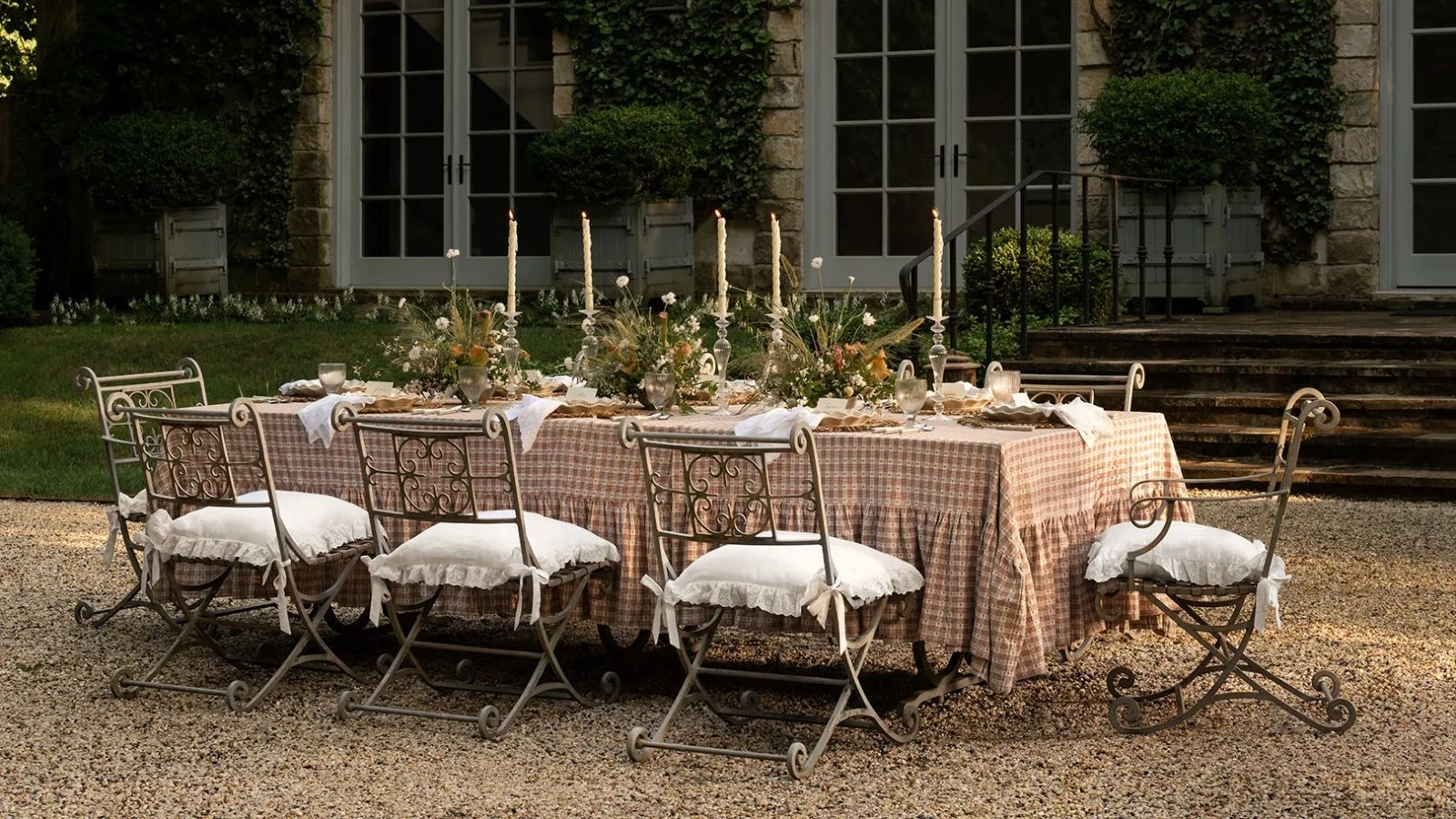
In coastal architecture, the dining table is never merely functional. It is a focal point—where sea air meets sculpted stone, where sunset reflections dance across surfaces, and where hospitality becomes ritual. For architects, interior designers, and discerning homeowners, selecting outdoor dining tables for coastal residences demands more than aesthetic alignment. It requires a nuanced understanding of materials, climate performance, and timeless design integrity.
Salt-laden winds, UV exposure, humidity fluctuations, and shifting temperatures create one of the most demanding environments for coastal outdoor furniture. Consequently, designers approach material selection with a strategic eye—balancing durability, maintenance, tactile beauty, and environmental responsibility. In the realm of luxury outdoor dining furniture, excellence is measured not only in craftsmanship, but in resilience.
The Coastal Context: Why Material Matters
Designing for the coast means designing for constant exposure. Marine climates accelerate corrosion, fade pigments, and stress natural materials. According to research published by the Association for Materials Protection and Performance (AMPP), salt significantly increases corrosion rates in metals, making material selection a critical technical decision.
For this reason, leading designers evaluate outdoor dining tables through four essential lenses:
- Corrosion resistance
- UV stability
- Structural integrity in humidity
- Long-term aesthetic evolution
The goal is to create coastal outdoor furniture that ages gracefully rather than deteriorates.
Teak: The Enduring Classic
Why Designers Continue to Specify Teak
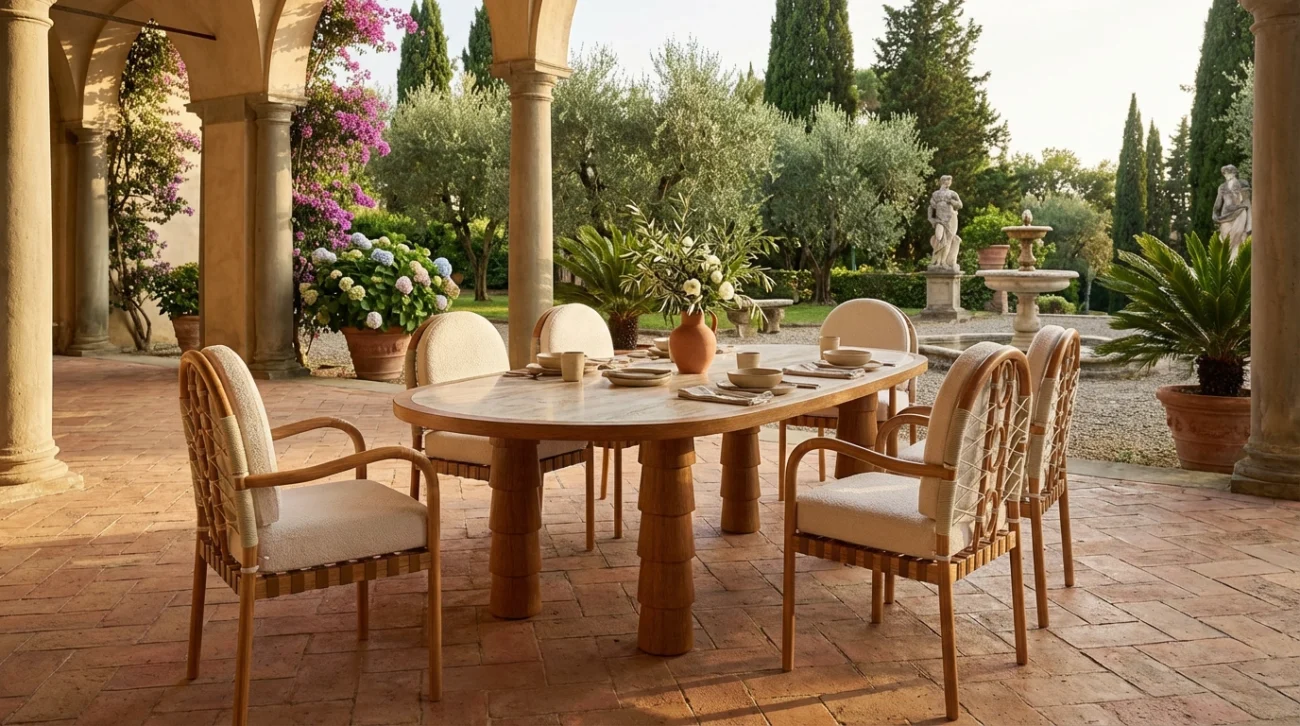
Few materials embody coastal sophistication like teak. Long favored in yacht building and maritime applications, high-grade teak contains natural oils that make it exceptionally resistant to moisture, insects, and rot.
When specified for outdoor dining tables, teak offers:
- Natural weather resistance without chemical treatments
- Structural stability in fluctuating humidity
- A refined patina that transitions from honey gold to silvery grey
- Longevity exceeding decades with proper care
Designers appreciate teak’s ability to complement both contemporary minimalism and Mediterranean vernacular architecture. Within the sphere of luxury outdoor dining furniture, sustainably sourced, FSC-certified teak is considered a gold standard.
Design Considerations
While teak performs exceptionally well, professionals often consider:
- Grain uniformity and kiln-drying processes
- Joinery techniques that allow natural expansion
- Thickness and structural engineering for larger tables
Well-designed teak outdoor dining tables should feel substantial, balanced, and architecturally integrated into the landscape.
Powder-Coated Aluminum: Lightweight Precision
Engineering for Coastal Durability
Aluminum is increasingly specified for modern coastal outdoor furniture, particularly in contemporary villas and rooftop terraces. Unlike steel, aluminum does not rust; however, it can corrode without protective treatment.
High-performance powder coating creates a sealed finish that resists:
- Salt exposure
- UV fading
- Chipping and surface degradation
For luxury outdoor dining furniture, designers look for marine-grade powder coatings and precision welding that eliminates water traps.
Aesthetic Versatility
Powder-coated aluminum allows for:
- Slim architectural profiles
- Custom color palettes
- Matte or textured finishes
This flexibility enables outdoor dining tables that align with minimalist coastal homes, glass-fronted residences, and sculptural landscaping.
Natural Stone: Sculptural Permanence
Travertine, Limestone, and Sintered Stone
For Mediterranean and contemporary coastal estates, stone dining tables evoke permanence and elemental beauty. Materials such as travertine, limestone, and engineered sintered stone are increasingly featured in luxury outdoor dining furniture collections.
Designers assess:
- Porosity levels and sealing requirements
- Resistance to salt crystallization
- Thermal expansion in direct sunlight
- Weight considerations for terraces and rooftops
Sintered stone, in particular, offers advanced resistance to UV rays, scratches, and moisture, making it an innovative option for outdoor dining tables in high-exposure environments.
Emotional Impact
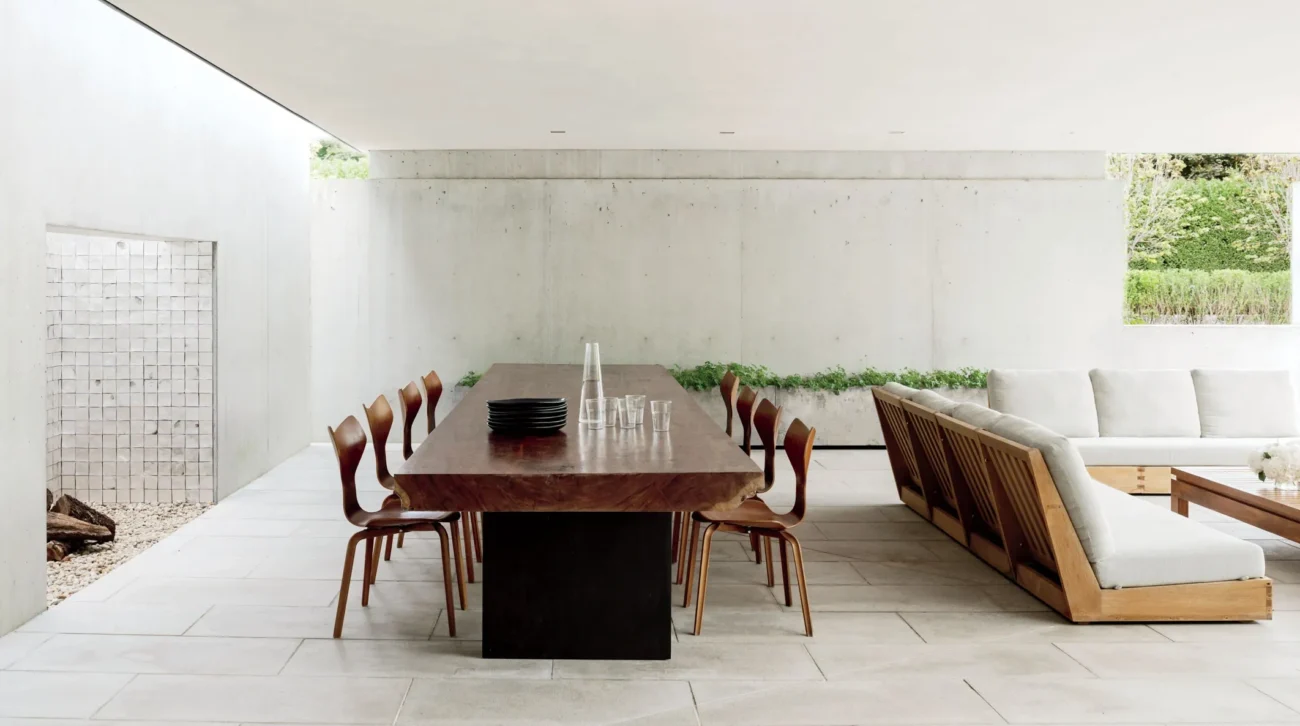
Stone surfaces reflect light differently throughout the day, creating subtle visual movement. In coastal settings, this interplay between sea, sky, and mineral texture enhances the experiential dimension of coastal outdoor furniture.
High-Performance Composites and HPL
Technology Meets Craft
High-pressure laminate (HPL) and advanced composite materials are increasingly specified for design-forward outdoor dining tables. These materials offer:
- Exceptional UV resistance
- Low maintenance requirements
- Resistance to staining and humidity
- Consistent coloration over time
For architects working on coastal developments or hospitality projects, composites can provide durability without sacrificing elegance.
When to Choose Engineered Surfaces
Designers typically recommend engineered materials when:
- The project involves extreme sun exposure.
- Maintenance must be minimal.
- A contemporary, uniform aesthetic is desired.
In these contexts, luxury outdoor dining furniture crafted from technical materials offers both performance and design continuity.
Stainless Steel: Precision with Caution
Marine-grade stainless steel—particularly 316 stainless steel—is sometimes specified for coastal outdoor furniture. However, not all stainless steel performs equally in salt-rich climates.
Design professionals carefully evaluate:
- Alloy composition (316 preferred over 304)
- Surface finishing (brushed vs. polished)
- Maintenance protocols to prevent tea staining
When expertly fabricated, stainless steel bases paired with teak or stone tops create sophisticated outdoor dining tables with architectural clarity.
Proportion and Structural Integrity
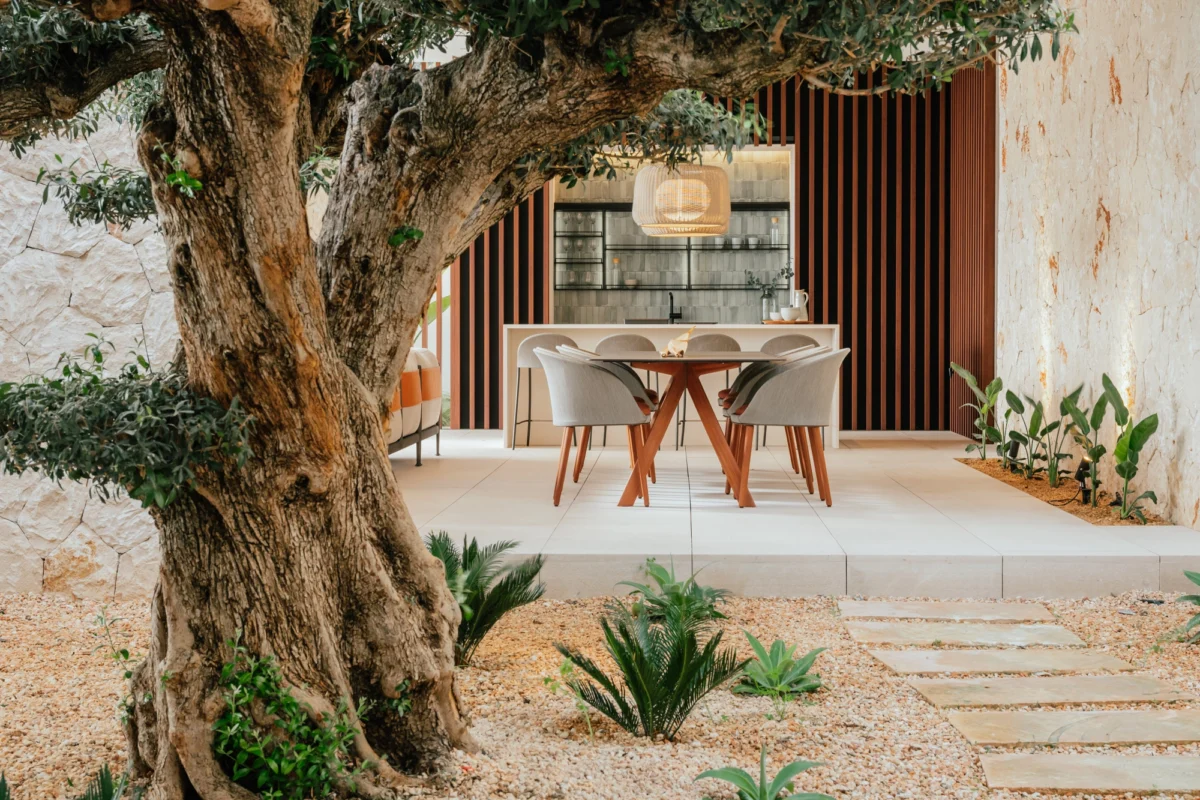
Material selection is only one dimension of performance. In coastal homes, wind exposure and open-plan terraces require structurally robust outdoor dining tables.
Designers evaluate:
- Base stability against gusts
- Weight distribution
- Resistance to warping over time
- Ease of relocation when necessary
High-quality luxury outdoor dining furniture integrates engineering principles that are often invisible—but essential.
Colorfastness and UV Stability
Coastal sunlight can be unforgiving. Pigments fade rapidly without advanced UV stabilizers. Designers prioritize materials tested for:
- Long-term color retention
- Surface temperature control
- Minimal glare in bright environments
Neutral tones—sand, ivory, charcoal, muted taupe—tend to age most elegantly in coastal outdoor furniture palettes.
Sustainability in Coastal Luxury
Today’s clients increasingly demand environmental responsibility alongside refinement. For luxury outdoor dining furniture, this includes:
- Certified sustainable timber
- Recyclable metals
- Low-VOC finishes
- Durability that reduces replacement cycles
In coastal developments where ecosystems are particularly sensitive, specifying responsibly sourced outdoor dining tables reflects both aesthetic discernment and ethical awareness.
Maintenance Philosophy: Designing for Longevity
True luxury is longevity. Designers educate homeowners on maintaining coastal outdoor furniture to preserve both function and beauty.
Best practices include:
- Regular freshwater rinsing to remove salt deposits
- Annual inspection of joints and hardware
- Seasonal sealing of natural stone
- Gentle cleaning solutions tailored to material type
Proper care ensures that outdoor dining tables remain gathering points for decades rather than seasons.
Design Integration: Architecture, Landscape, and Lifestyle
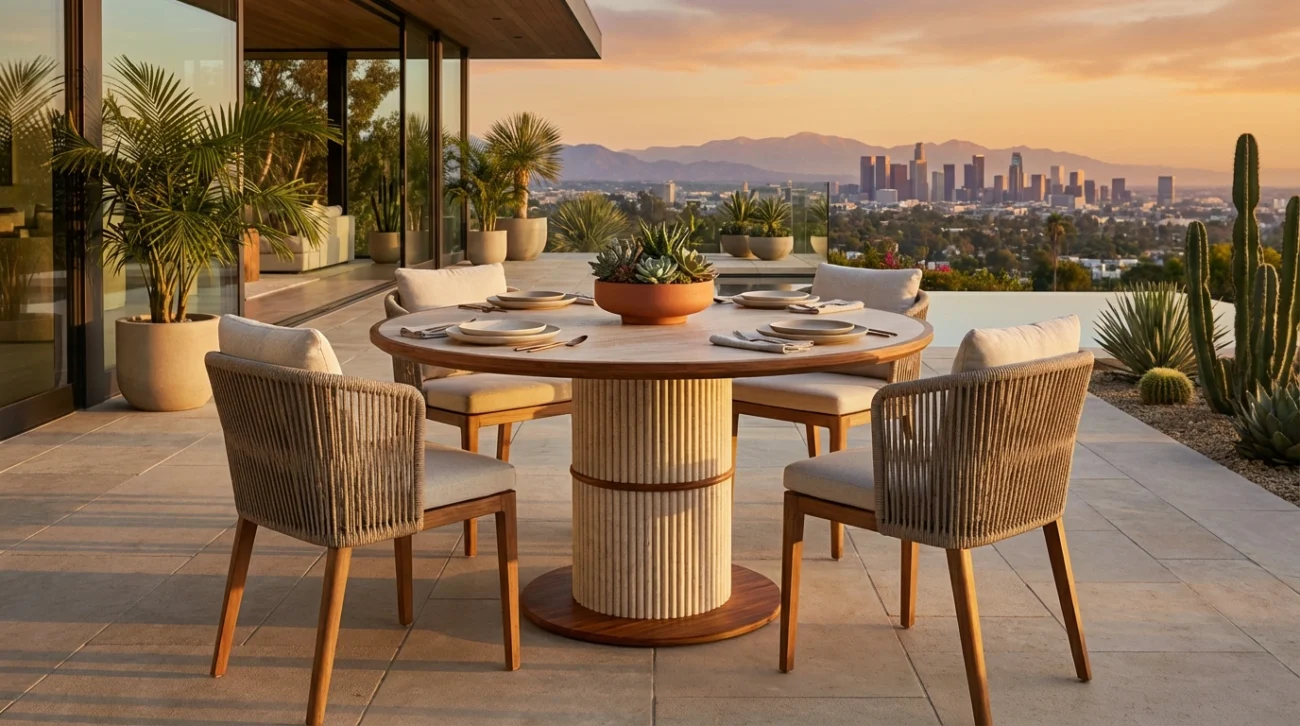
Material choice must align with the broader architectural narrative. In contemporary cliffside villas, sleek aluminum or sintered stone may complement glass and concrete forms. In traditional Mediterranean estates, teak and limestone resonate with terracotta roofs and olive groves.
Professionals consider:
- Scale relative to terrace dimensions
- Visual weight against horizon lines
- Harmony with surrounding textures
- Flow between interior and exterior dining zones
The finest luxury outdoor dining furniture feels inseparable from its environment—anchoring the space while inviting conviviality.
What Designers Ultimately Look For
When specifying outdoor dining tables for coastal homes, experienced designers converge on several core principles:
- Material authenticity that complements the setting
- Technical resilience against salt, sun, and humidity
- Timeless design that transcends trends
- Craftsmanship evident in joinery and finish
- Sustainability aligned with long-term stewardship
In essence, the best coastal outdoor furniture balances engineering with emotion.
The Art of Coastal Endurance
Selecting materials for luxury outdoor dining furniture in coastal homes is both science and art. It demands technical fluency, environmental sensitivity, and aesthetic clarity. The most successful outdoor dining tables are those that withstand the elements while elevating everyday rituals—sunlit breakfasts, twilight dinners, and gatherings framed by the sea.
For architects, designers, and discerning homeowners, investing in high-quality coastal outdoor furniture is not merely a purchase decision. It is a commitment to enduring design—where material intelligence meets Mediterranean lifestyle, and where craftsmanship transforms exposure into elegance.