

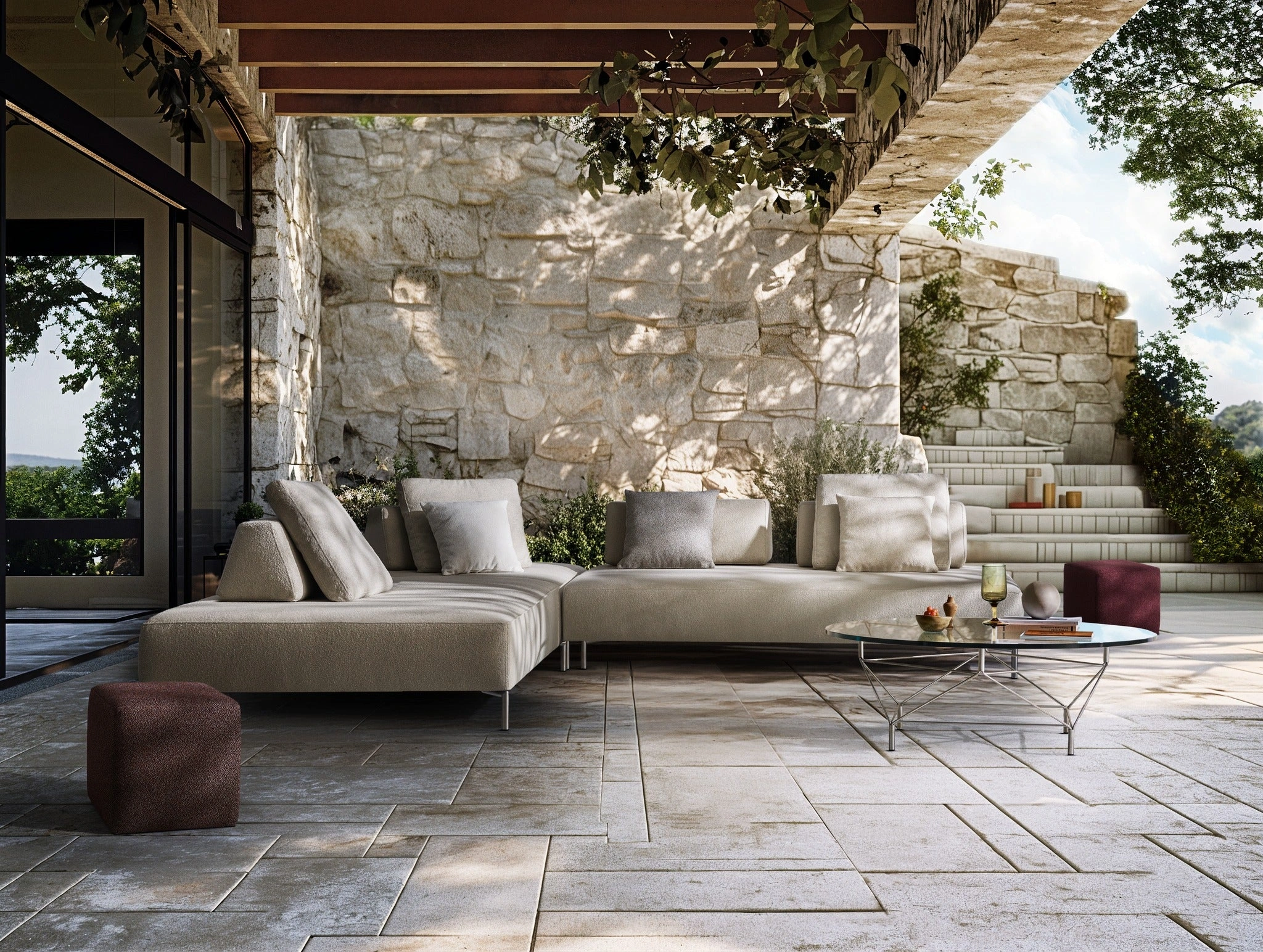
Redefining the Future of Outdoor Living
As lifestyles continue to evolve beyond the confines of interior spaces, outdoor environments are emerging as powerful extensions of architecture, culture, and personal expression. In 2026 and beyond, outdoor living is no longer defined by seasonal use or decorative afterthoughts; it is a sophisticated, year-round experience shaped by design intelligence, environmental awareness, and refined craftsmanship. For architects, designers, and discerning homeowners alike, understanding the next wave of outdoor furniture trends is essential to creating spaces that resonate with contemporary values while anticipating future needs.
This new era of outdoor living reflects a convergence of luxury, longevity, and meaning. From material innovation to spatial fluidity, the evolution of luxury outdoor furniture and modern outdoor design mirrors broader shifts in how we live, gather, and connect with nature.
1. Outdoor Spaces as Architectural Continuum
One of the most defining outdoor furniture trends for 2026 is the dissolution of boundaries between indoors and outdoors. Outdoor environments are increasingly conceived as architectural continuations rather than separate zones, demanding the same level of design rigor, proportion, and material coherence.
Designing with Spatial Fluidity
Seamless transitions are achieved through aligned floor levels, coordinated palettes, and modular furnishings that echo interior layouts. Outdoor lounges now mirror living rooms in both scale and sophistication, reinforcing the idea that exterior spaces deserve equal narrative importance.
Key Characteristics
- Integrated indoor-outdoor floor plans
- Architectural pergolas and shaded structures
- Outdoor furniture collections designed as complete systems
2. The Rise of Sustainable Luxury
Sustainability has moved beyond trend status to become an ethical baseline for luxury outdoor furniture. In 2026, true luxury is defined by responsible sourcing, durability, and environmental intelligence rather than excess.
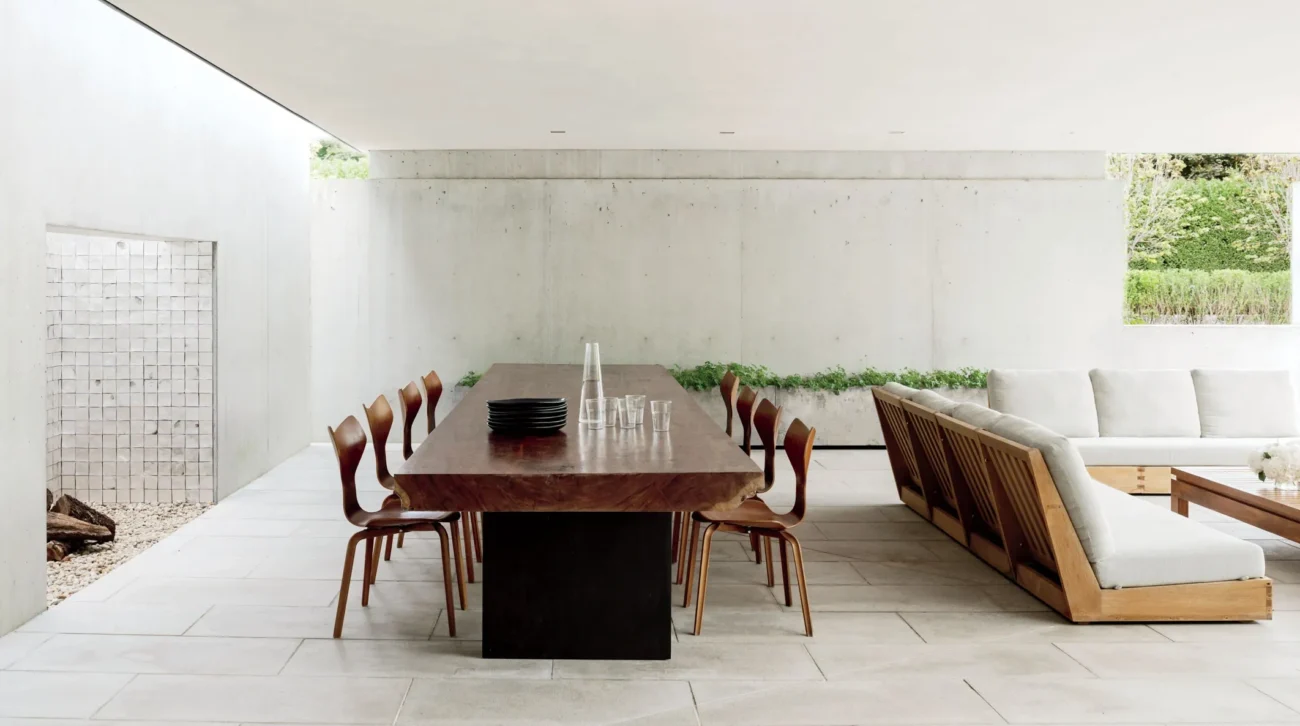
Materials with Integrity
High-performance recycled metals, certified teak, natural stone, and advanced eco-composites are increasingly favored. These materials offer resilience against climate conditions while aging gracefully over time.
Why Sustainability Matters to High-End Design
- Longevity reduces environmental impact
- Ethical sourcing aligns with global design values
- Natural patinas enhance aesthetic depth
According to insights from Architectural Digest, sustainability is now inseparable from contemporary luxury design, influencing both residential and hospitality projects worldwide.
3. Comfort-Driven Modern Outdoor Design
Comfort is no longer a compromise in outdoor environments. Among the most influential outdoor furniture trends is the emphasis on ergonomic design, generous proportions, and tactile refinement.
From Occasional Seating to Everyday Living
Deep seating, layered cushions, and adaptable configurations encourage prolonged use. Outdoor sofas and dining chairs now rival their indoor counterparts in comfort, redefining how exterior spaces are inhabited.
Design Priorities
- Weather-resistant yet soft-touch textiles
- Ergonomically engineered seating angles
- Modular elements for flexible layouts
4. Neutral Palettes with Cultural Depth
Color narratives in 2026 reflect a desire for calm, grounding environments inspired by nature and regional identity. Rather than bold statements, modern outdoor design embraces nuanced, layered palettes.
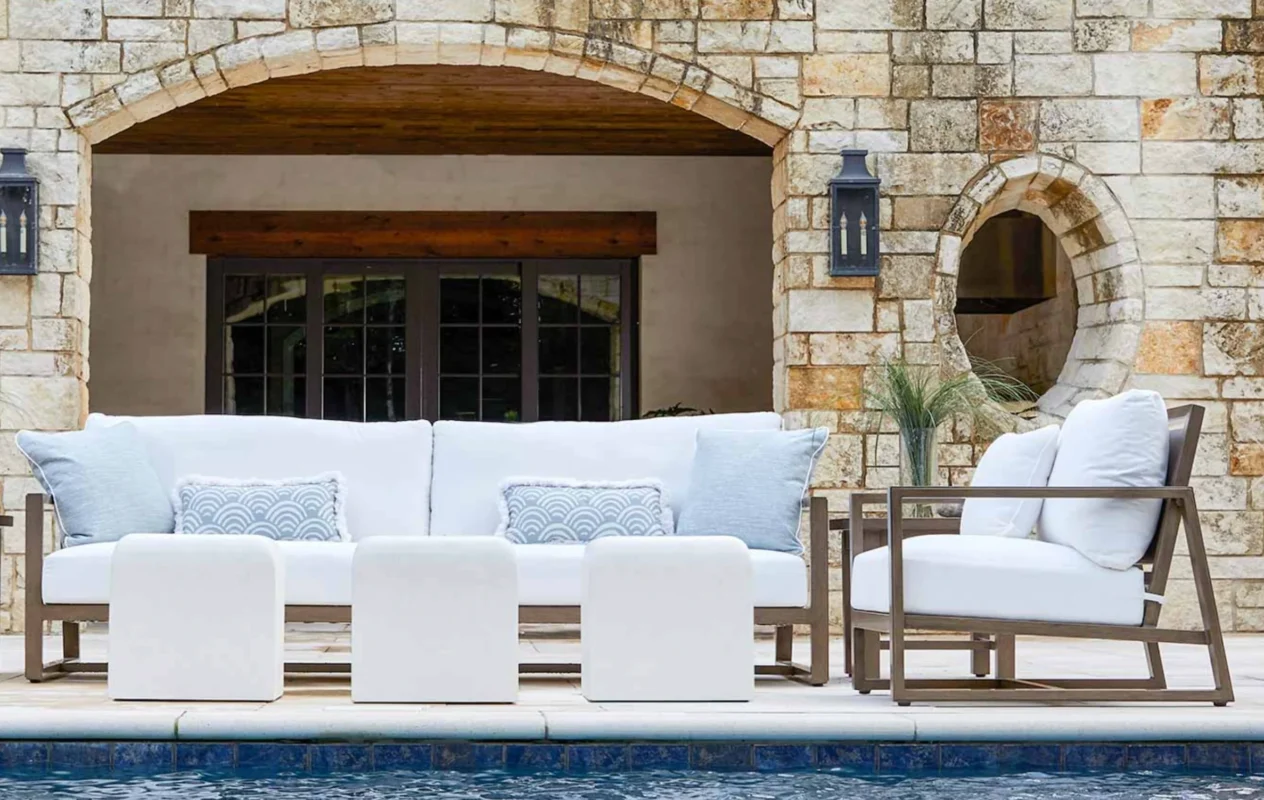
Earth Tones and Mineral Shades
Sand, limestone, terracotta, olive, and muted charcoal dominate outdoor furniture trends, creating timeless backdrops that harmonize with landscapes from the Mediterranean to coastal Americas.
Visual Impact Through Texture
- Stone-finished ceramics
- Textured weaves and bouclé-inspired outdoor fabrics
- Matte metal finishes
5. Modular Luxury and Customization
Flexibility is central to contemporary outdoor living. Modular systems allow spaces to evolve with changing needs, from intimate gatherings to large-scale entertaining.
Designing for Adaptability
Luxury outdoor furniture in 2026 prioritizes customization through interchangeable modules, adaptable dining solutions, and multi-functional pieces that support diverse lifestyles.
Benefits of Modular Outdoor Furniture
- Efficient use of space
- Personalized configurations
- Long-term relevance and scalability
6. Technology-Integrated Outdoor Living
As smart living extends outdoors, technology is discreetly integrated into design without disrupting aesthetics. This trend reflects a growing expectation for convenience and performance.
Invisible Innovation
Heated seating, integrated lighting, solar-powered elements, and concealed charging stations are increasingly embedded within outdoor furniture, enhancing usability while maintaining visual purity.
Smart Features Shaping Outdoor Furniture Trends
- Energy-efficient LED lighting
- Climate-responsive materials
- Wireless integration for outdoor workspaces
7. Outdoor Dining as Cultural Experience
Outdoor dining has evolved into a central cultural ritual, particularly in luxury residences and hospitality environments. Design now emphasizes atmosphere as much as function.
Elevated Social Spaces
Large dining tables, sculptural seating, and refined lighting solutions transform terraces and gardens into curated social stages.
Defining Elements
- Statement dining tables in stone or ceramic
- Comfort-forward dining chairs
- Layered ambient lighting
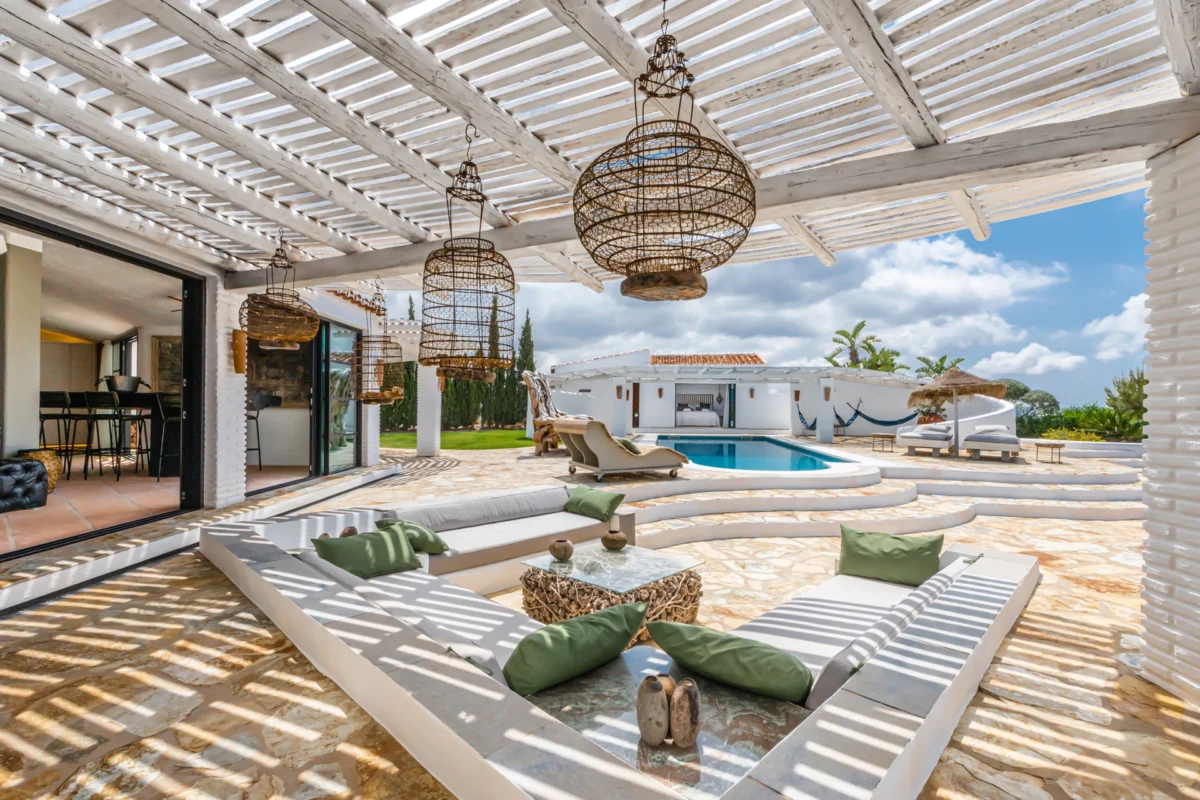
8. A Global Yet Local Design Language
While outdoor furniture trends are increasingly global, there is a renewed appreciation for local craftsmanship and regional references. This balance creates spaces that feel both cosmopolitan and deeply rooted.
Designing with Cultural Sensitivity
Whether inspired by Mediterranean courtyards, desert landscapes, or tropical resorts, modern outdoor design reflects its environment through materiality and form.
Why This Matters
- Authenticity enhances emotional connection
- Context-driven design ages more gracefully
- Local references elevate global appeal
Designing Outdoor Living for the Future
Looking ahead to 2026 and beyond, outdoor living stands at the intersection of design, sustainability, and cultural expression. The most influential outdoor furniture trends reveal a shift toward thoughtful luxury—where comfort, responsibility, and timeless aesthetics coexist.
For professionals and design-conscious individuals alike, investing in luxury outdoor furniture and modern outdoor design is no longer about following trends, but about shaping environments that enrich daily life, foster connection, and endure over time. As outdoor spaces continue to redefine how we live and gather, they become not just extensions of our homes, but reflections of our values and vision for the future.