

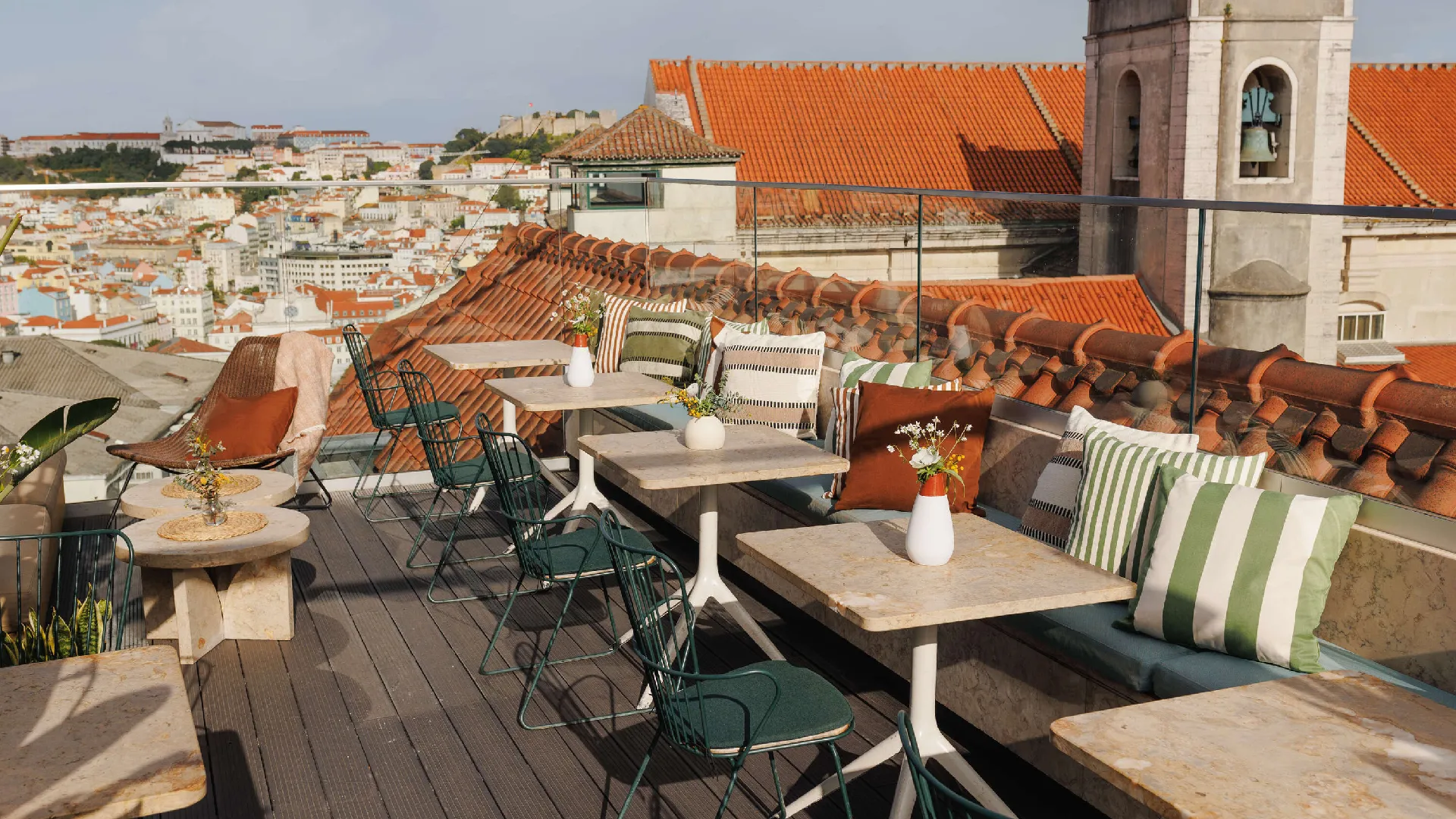
Few European capitals offer rooftop living quite like Lisbon. Perched above terracotta rooftops and luminous river views, terraces across the city have become defining features of contemporary Lisbon homes. For architects, designers, and discerning homeowners, these elevated spaces are not merely outdoor extensions—they are microclimates shaped by Atlantic winds, intense southern sun, and dramatic urban panoramas.
Designing an effective rooftop furniture layout in Lisbon requires more than aesthetic sensibility. Exposure to wind corridors, shifting solar angles, and reflective heat from traditional stone and tile surfaces means outdoor environments must be carefully orchestrated. When thoughtfully planned with wind resistant outdoor furniture and intelligently positioned shade, these terraces evolve into refined outdoor living rooms that balance comfort, durability, and architectural elegance.
This guide explores how to design rooftop terraces suited to Lisbon’s distinctive climate—offering strategies for layout, materials, and spatial planning that elevate luxury outdoor furniture into a harmonious part of the city’s architectural lifestyle.
The Unique Microclimate of Lisbon Rooftop Terraces
Lisbon’s urban topography is famously dramatic. Built across seven hills and facing the Tagus River, the city experiences consistent air movement and strong sunlight for most of the year. While this climate is part of the region’s charm, it presents challenges when designing outdoor spaces above the skyline of Lisbon homes.
According to the Portuguese Institute for Sea and Atmosphere (IPMA), Lisbon enjoys more than 2,800 hours of sunshine annually. Combined with Atlantic winds channeled through the river valley, rooftop terraces can experience conditions quite different from street-level patios.
Three environmental factors shape any successful rooftop furniture layout in the city:
- Prevailing Atlantic winds, particularly in elevated neighborhoods such as Graça or Alfama.
- Intense southern exposure during summer months.
- Heat reflection from limestone, concrete, and terracotta surfaces common in Lisbon architecture.
Design strategies must therefore prioritize stability, shade, and airflow management—making wind resistant outdoor furniture a key element of sophisticated rooftop planning.
Understanding Wind Patterns in Elevated Lisbon Spaces
How Wind Shapes Rooftop Design
Wind behaves differently at rooftop level than it does on ground terraces. Air currents accelerate as they pass over buildings and hills, creating gusts that can destabilize lightweight furniture or disrupt seating arrangements.
In neighborhoods such as Príncipe Real, Chiado, and Lapa, rooftop terraces are particularly exposed due to open views toward the Tagus River. Without careful planning, decorative pieces, cushions, or umbrellas may quickly become impractical.

Layout Strategies for Wind Protection
A thoughtful rooftop furniture layout can significantly mitigate wind exposure. Designers often adopt spatial zoning strategies that use architecture and furniture to create natural wind buffers.
- Position lounge seating near parapet walls or architectural structures.
- Create low-profile conversation areas that reduce wind resistance.
- Anchor furniture groups with substantial tables or planters.
- Integrate built-in benches along perimeter walls.
High-quality wind resistant outdoor furniture typically features heavier frames, aerodynamic silhouettes, and durable materials such as powder-coated aluminum, teak, or stainless steel. These elements ensure stability without compromising design elegance.
Designing for Lisbon’s Intense Sun Exposure
Solar Orientation Matters
Lisbon’s southern latitude provides spectacular sunlight, but rooftop terraces often receive direct exposure for much of the day. Without adequate shading strategies, outdoor seating can become uncomfortable—especially during summer afternoons.
In many Lisbon homes, rooftop terraces are oriented south or southwest to maximize views. While visually stunning, these orientations require deliberate planning to maintain thermal comfort.
Architectural Shade Solutions
Rather than relying solely on umbrellas, sophisticated rooftop designs incorporate architectural shading systems that integrate seamlessly with the terrace environment.
- Pergolas with retractable fabric canopies
- Slatted wooden structures that filter sunlight
- Fixed shade sails aligned with prevailing wind directions
- Adjustable louvered pergolas for dynamic sun control
When paired with carefully selected luxury outdoor furniture, these shading elements transform rooftop terraces into comfortable spaces throughout the day while preserving Lisbon’s iconic golden light.
Creating Functional Zones on Rooftop Terraces
Dividing Space for Comfort and Flow
Even compact rooftop terraces benefit from clear spatial organization. A well-planned rooftop furniture layout typically divides the terrace into distinct zones that correspond to different modes of outdoor living.
Designers working with Lisbon homes often structure terraces around three primary zones:
- Lounge area for relaxation and sunset viewing.
- Dining space for alfresco entertaining.
- Sun deck or quiet corner for reading or lounging.
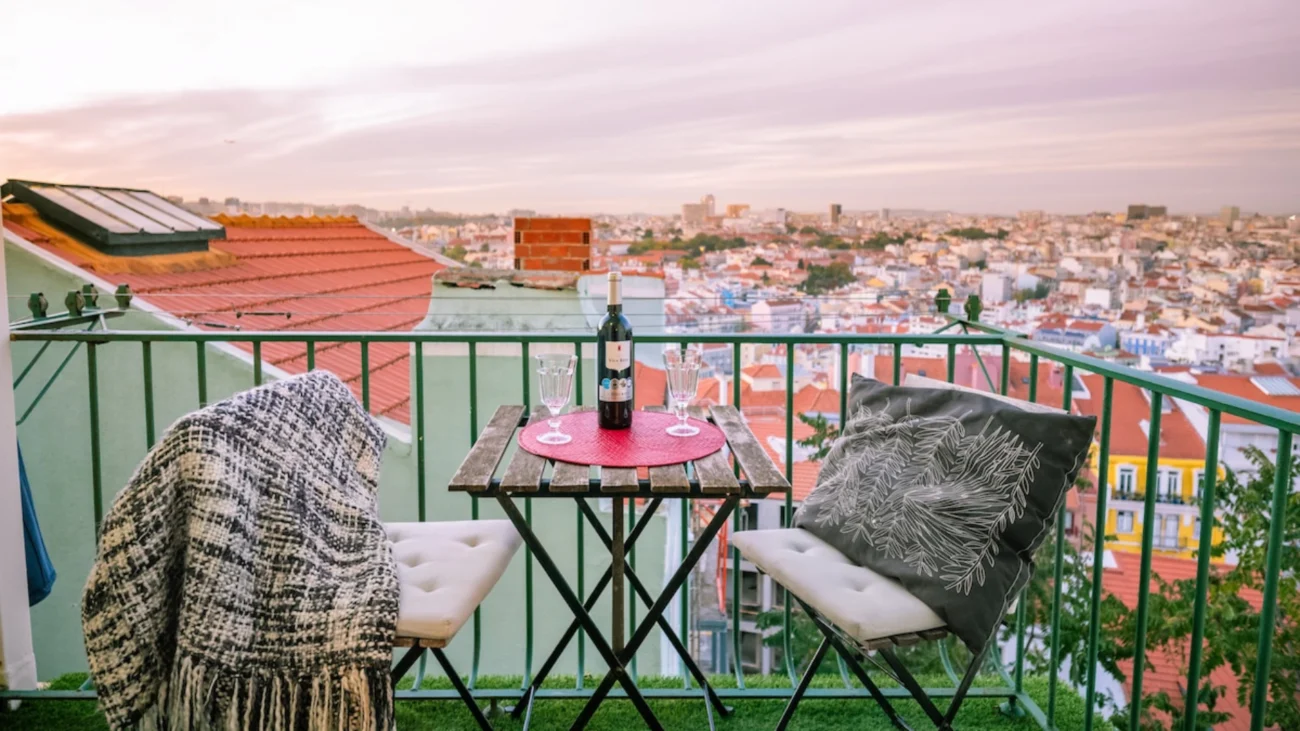
These zones should be arranged in response to environmental conditions. For example, dining areas benefit from partial shade, while lounge seating may be positioned toward the terrace edge to capture panoramic city views.
Anchoring Spaces with Furniture Groupings
To withstand rooftop wind conditions, designers often group pieces of wind resistant outdoor furniture around a central anchor element such as a coffee table, fire feature, or planter.
- Sectional sofas forming sheltered corners
- Low-profile lounge chairs surrounding a central table
- Dining tables positioned parallel to parapet walls
This approach enhances both visual cohesion and structural stability—essential qualities for rooftop environments exposed to Lisbon’s Atlantic breezes.
Material Selection for Rooftop Durability
Weather-Resistant Materials
Choosing the right materials is fundamental when specifying luxury outdoor furniture for rooftop terraces. Lisbon’s coastal climate introduces humidity, salt particles carried inland by sea air, and strong UV radiation.
High-performance materials commonly used in premium rooftop designs include:
- Teak wood, prized for natural oils and weather resistance.
- Powder-coated aluminum, lightweight yet structurally stable.
- Marine-grade stainless steel for structural elements.
- Solution-dyed acrylic fabrics resistant to fading.
These materials ensure that wind resistant outdoor furniture maintains both structural integrity and visual sophistication over time.
Textiles and Comfort
Outdoor textiles contribute significantly to the tactile luxury of rooftop spaces. Designers frequently select neutral palettes—sand, ivory, olive, and terracotta—that echo Lisbon’s architectural tones.
High-quality cushions also improve stability. Heavier fabrics prevent movement in windy conditions while maintaining the refined aesthetic expected of luxury outdoor furniture.
Designing Rooftop Terraces for Entertaining
The Social Culture of Lisbon Rooftops
Lisbon has embraced rooftop culture in recent years, from boutique hotels to private residences. Terraces now function as social hubs where architecture, gastronomy, and urban views converge.
For private Lisbon homes, this trend translates into rooftop spaces designed for intimate gatherings and sunset dinners overlooking the city’s iconic hills.Furniture Layout for Hospitality
An entertaining-focused rooftop furniture layout typically prioritizes fluid circulation between lounge and dining zones.
- Place dining tables near the kitchen access point.
- Orient lounge seating toward sunset views.
- Create secondary seating clusters for informal conversation.
- Use planters or screens to define zones without blocking airflow.
Selecting wind resistant outdoor furniture ensures that these arrangements remain practical even during breezy evenings along the Tagus waterfront.
Integrating Landscape and Greenery
Urban Gardens Above the City
Planting plays an essential role in rooftop design. In addition to aesthetic value, vegetation can soften wind exposure and create natural shade.
Mediterranean plants commonly used on Lisbon rooftops include:
- Olive trees in architectural planters
- Lavender and rosemary borders
- Dwarf citrus trees
- Ornamental grasses that move elegantly with the wind
These elements complement the sculptural presence of luxury outdoor furniture while enhancing the sensory atmosphere of the terrace.
Lighting Design for Rooftop Ambience
Layered Lighting Strategies
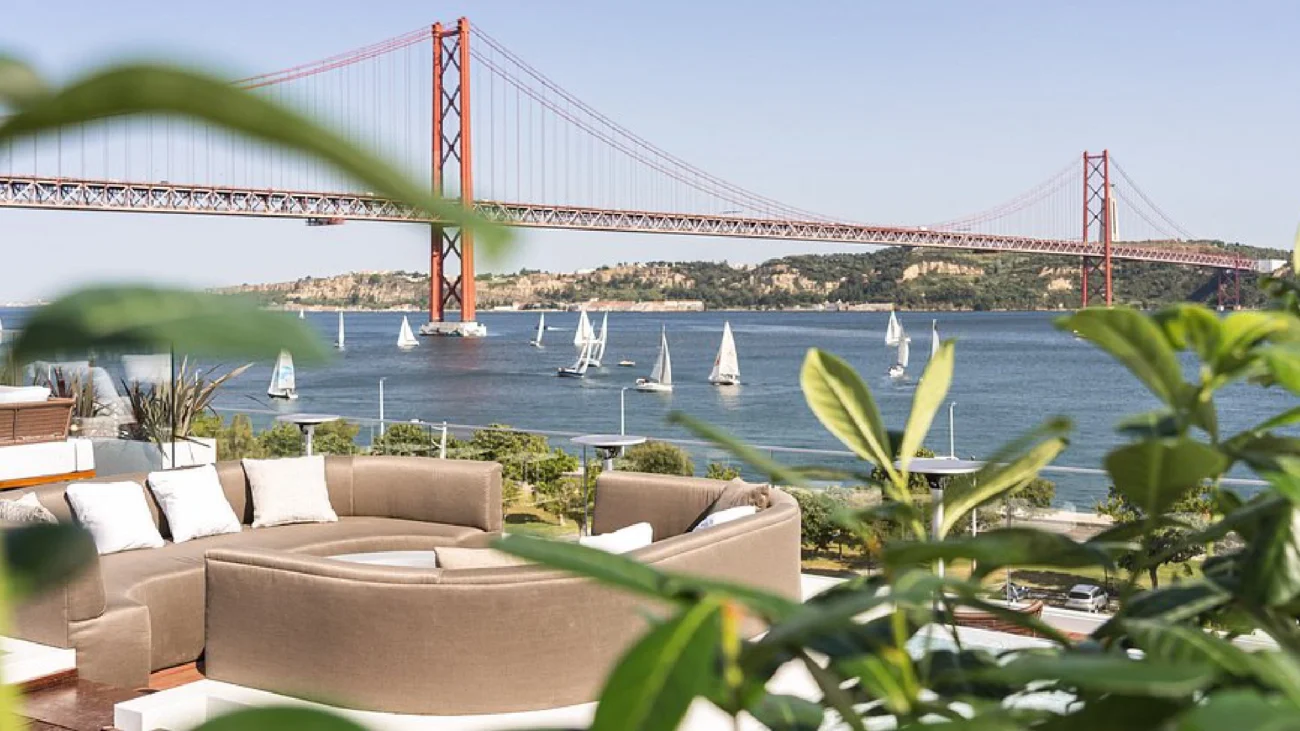
Evenings on Lisbon rooftops possess a unique ambiance as city lights shimmer along the Tagus River. Lighting design should enhance this atmosphere while maintaining subtlety.
Effective rooftop lighting typically includes:
- Low-level integrated floor lighting
- Wall-mounted architectural fixtures
- Portable lanterns positioned among seating areas
- Indirect lighting beneath built-in benches
These layers create an intimate setting that complements the refined character of luxury outdoor furniture without overpowering the natural beauty of Lisbon’s skyline.
The Future of Rooftop Living in Lisbon
As architectural development continues across Lisbon’s historic districts and new residential projects, rooftop terraces are becoming increasingly central to contemporary urban living.
Designers now view these elevated spaces not as secondary amenities but as defining features of modern Lisbon homes. When planned with climate-responsive strategies, thoughtful rooftop furniture layout, and durable wind resistant outdoor furniture, terraces evolve into sophisticated outdoor environments that rival interior living spaces.
For architects, developers, and design-conscious homeowners, the Lisbon rooftop represents a compelling intersection of architecture, landscape, and lifestyle—where panoramic views meet the quiet luxury of carefully curated outdoor design.
In this setting, luxury outdoor furniture becomes more than decoration. It is a structural and aesthetic component that enables rooftops to function as elegant urban sanctuaries—resilient against wind and sun, yet deeply connected to the beauty of Lisbon’s luminous horizon.